This FAQ-style guide answers common questions travellers have about Pemayangtse Monastery (sometimes spelled Pemyangtse) near Pelling in West Sikkim, India. It covers history, practical visiting information, logistics, etiquette, nearby attractions and safety tips to help you plan a respectful and rewarding visit.
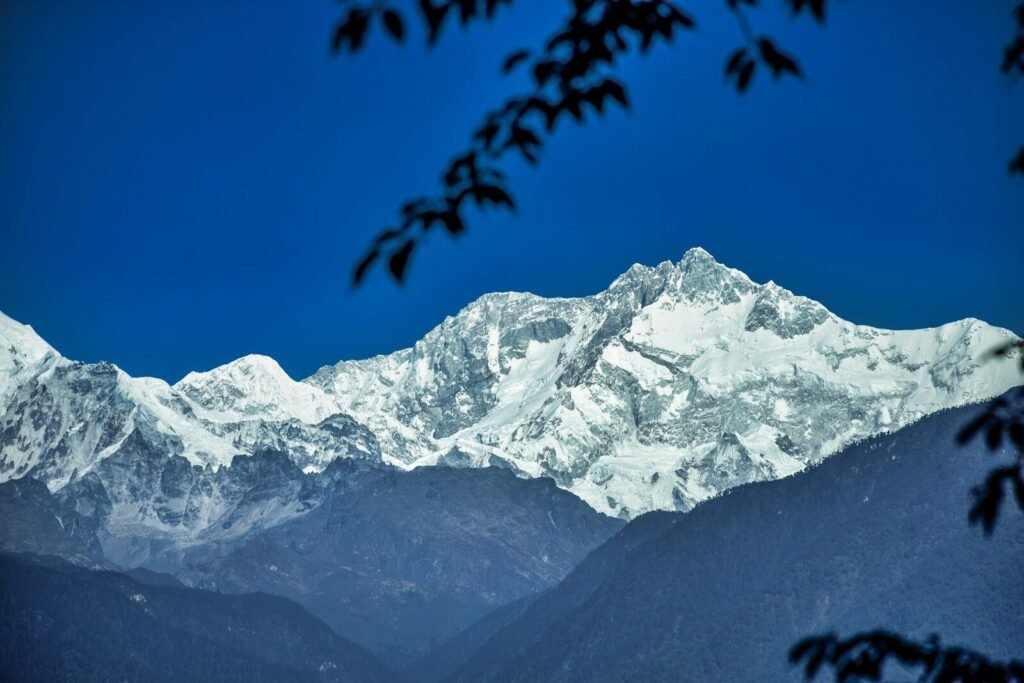
Pemayangtse Monastery is located close to the town of Pelling in West Sikkim, India. It sits on a ridge overlooking the Pelling valley and offers views toward the Himalayan ranges, including Mount Kanchenjunga on clear days. The monastery is only a short drive or a moderate walk from Pelling town.
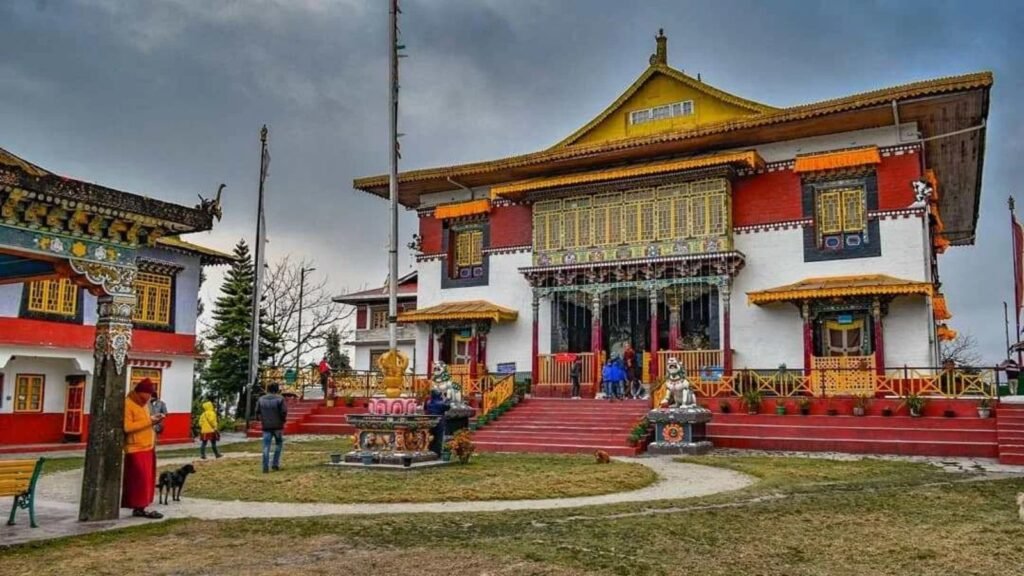
Pemayangtse is one of Sikkim’s most important and venerated Buddhist monasteries. It is associated with the Nyingma (oldest) school of Tibetan Buddhism and has traditionally served as a spiritual centre for the Sikkimese royal family and local communities. The complex houses ancient statues, thangkas (religious paintings), and ritual objects used in ceremonies and cham (mask) dances.
The monastery is historic and dates back several centuries. Exact foundation dates vary across sources; what is important for visitors to know is that Pemayangtse is one of the older monasteries in Sikkim and has been continuously maintained and renovated over time. The present complex contains traditional architecture and centuries-old religious artefacts.
Monasteries typically open in the morning for prayers and then again in the afternoon. Visitors often find the early morning (before or during the first puja/prayer session) and late afternoon to be the most atmospheric times. Exact opening hours can vary by season and festival; check locally or ask your hotel/guide for the current schedule.
There is usually no fixed commercial entry fee, but donations are welcome and often appreciated to support the monastery’s maintenance and community work. If a small donation or voluntary contribution is requested, it is customary to comply respectfully.
Yes: Photography rules vary within the monastery complex. In many inner sanctums and in front of certain statues or during rituals, photography is prohibited. Always seek permission before photographing monks, rituals, restricted interiors or close-up images of statues. When in doubt, ask at the entrance or to a monastery attendant.
Visitors should show respect by dressing modestly — shoulders and knees covered are a good guideline. Additional etiquette includes:
Important religious festivals celebrated in and around Pemayangtse include mask dances (cham) and events connected with regional festivals such as Pang Lhabsol and Losar. Pang Lhabsol, which honours Mount Kanchenjunga as a guardian deity, is typically held in the latter half of the year; dates vary annually. If you want to experience ritual dances, check local festival calendars or ask your host in Pelling for precise festival dates.
The typical visit duration ranges from 45 minutes to 2 hours, depending on how much time you wish to spend exploring, watching prayers or taking photographs (where permitted). If attending a festival or a full puja ceremony, plan for a longer stay.
Common transfer routes:
Regulations change periodically. Indian citizens should carry valid photo ID. Foreign nationals must carry a valid passport and visa. Certain sensitive areas of Sikkim near international borders may require permits; Pemayangtse and central Pelling are usually accessible, but it is strongly recommended to check current permit requirements with local authorities, your travel agent or the Sikkim tourism office before you travel.
The monastery sits on a hillside and involves steps and uneven pathways. Accessibility can be limited for people with reduced mobility. If you require assistance, arrange for a vehicle drop-off as close as possible and request local help. Some areas inside may not be wheelchair-friendly.
Recommended items:
Yes. Many hotels, guesthouses and local tour operators in Pelling offer guided visits to Pemayangtse along with neighbouring sights (Rabdentse ruins, Khecheopalri Lake, Sanga Choeling). Guided tours are useful for historical context, explanations of ritual items and cultural etiquette.
Popular nearby attractions include:
Pelling offers a range of accommodation options from budget guesthouses to mid-range hotels and boutique stays. Several tea houses and restaurants serve local Sikkimese, Nepali and North Indian food. It is advisable to book accommodation in Pelling town as it provides more options and is within easy reach of the monastery.
Pelling and Pemayangtse lie at moderate hill altitudes where most visitors do not experience serious altitude sickness. Still, take usual mountain precautions:
Yes. When photographing or interacting with religious objects and people:
Visitors are generally allowed to observe public prayers and pujas; however, participation should be respectful and follow local guidance. Avoid disrupting ceremonies, stand or sit at the back or designated visitor areas, and follow any instructions given by monastic staff.
Practical and respectful tips:
Pemayangtse Monastery is not only a tourist site but an active religious institution. Observing the local customs and showing respectful behaviour will enrich your visit and help preserve the site for future generations. For the latest practical information (opening hours, festival dates, permit rules), contact the Pelling tourism office, your hotel or a trusted local guide before you travel.
What makes us different from other tour package companies
Our travel experts have core and intense knowledge about Sikkim sector with over 10 years of experience that will help you choose the best possible itinerary as per your requirements.
Our travel experts are just one call away during your tour to help you with any kind of immediate assistance so that your tour is a more enjoyable and hassle-free tour.
eSikkimTourPackages ensures best rates to all our esteemed guests since we have our own hotels and fleet of vehicles and drivers and there is no third-party involvement. This ensures personalized service and best rates.












Kindly enter the details below for your Sikkim Tour Package