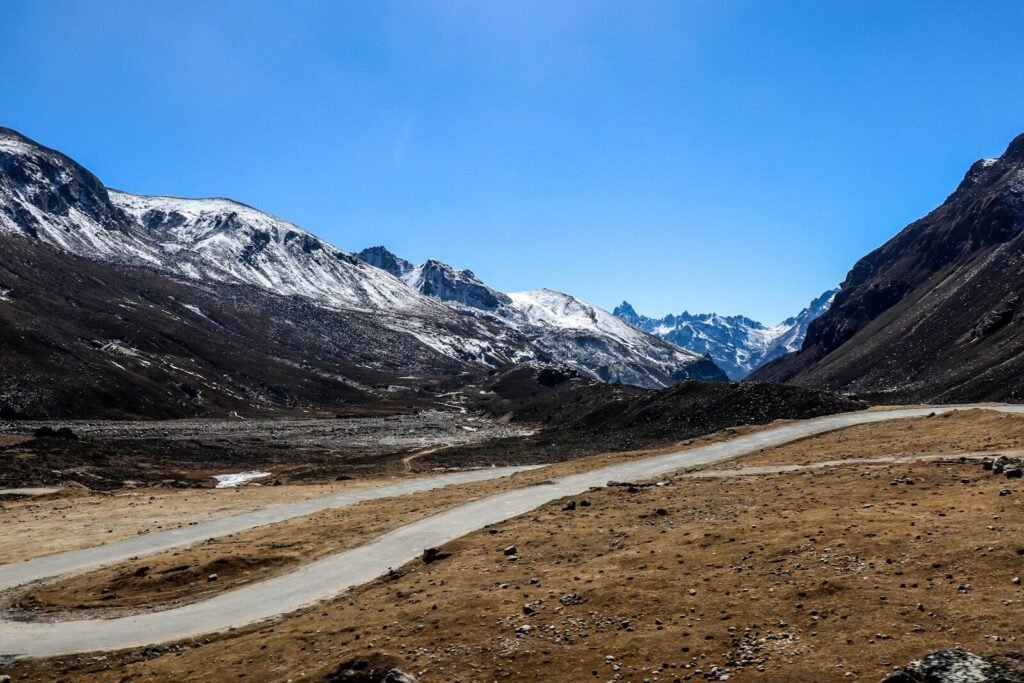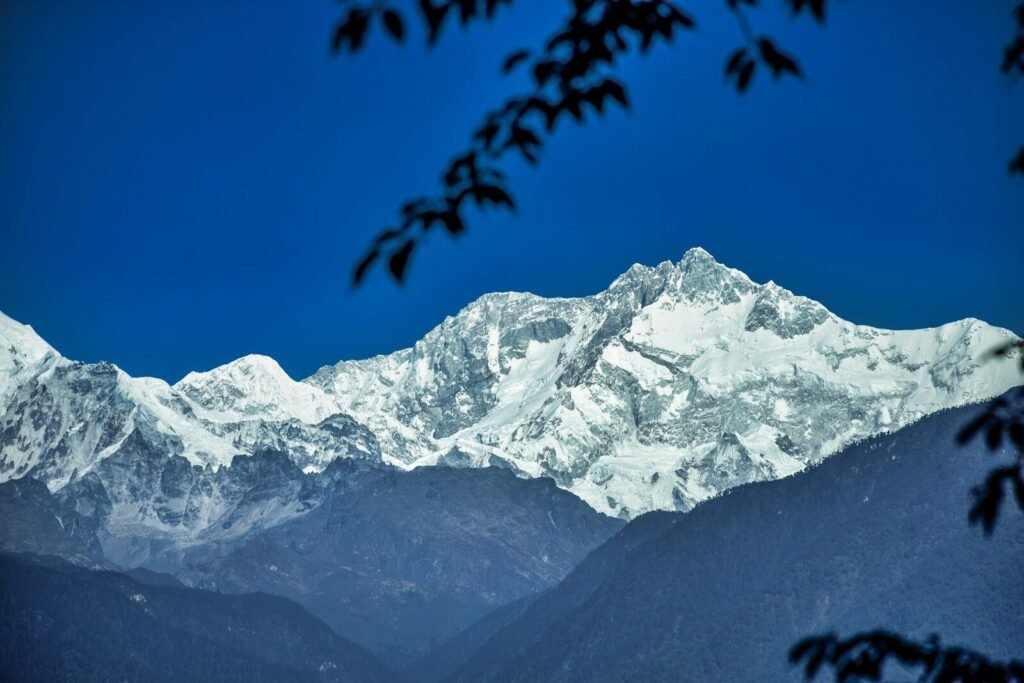
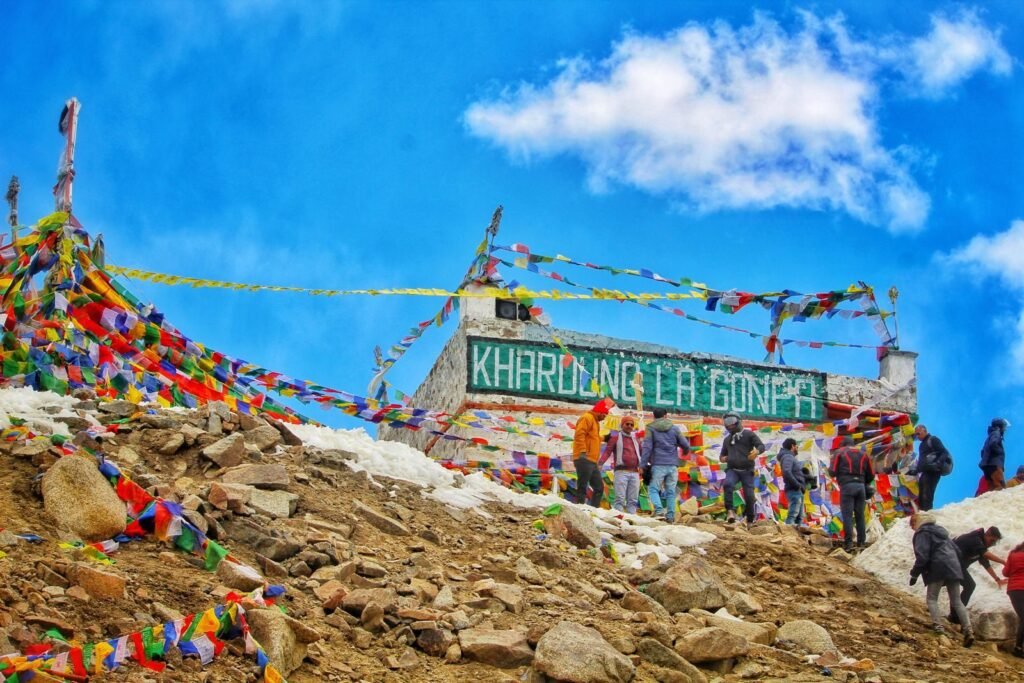
Nestled in the eastern Himalayas, Nathula Pass (often spelled “Nathu La”) sits on the Indo–China (Tibet) border in the Indian state of Sikkim. At an altitude of approximately 4,310 meters, it is both a natural landmark and a place heavy with historical, strategic and cultural significance. For tourists visiting Gangtok and the surrounding region, Nathula offers a layered experience: spectacular high‑altitude scenery, living history of trade and conflict, and encounters with local culture and ecology—subject always to military regulations and permit requirements.
The term “Nathu La” comes from Tibetan/Bhutia roots: “La” means “pass.” Local interpretations commonly translate “Nathu” as “listening ears” or a variation referencing the shape/role of the pass. Regardless of exact etymology, the name evokes the pass’s traditional role as a corridor of movement and exchange.
Nathula functioned for centuries as one of the mountain corridors linking the Indian subcontinent with the Tibetan plateau. Caravans carried salt, wool, grain and artisanal goods across trans‑Himalayan routes. Although smaller and less famous than some high‑altitude passes, Nathula was an important regional conduit for commerce and cultural contact between Sikkimese, Tibetan and Nepali communities.
During the British period, the strategic and economic potential of Sikkim’s passes drew surveyors, traders and administrators. The British interest in mapping and controlling mountain approaches increased Nathula’s visibility on colonial maps, and the broader region became part of trade networks that included the nearby markets of Kalimpong and Darjeeling.
After Indian independence, the India–China border in the eastern sector became the subject of contested claims. Nathula was directly affected by the deterioration of relations culminating in the 1962 Sino‑Indian War, after which many border passes—including Nathula—were closed. The pass area also witnessed heightened tensions and skirmishes in the 1960s, most notably the 1967 clashes that underscored its strategic importance.
A major development came in 2006 when India and China agreed to reopen Nathula for limited, regulated cross‑border trade. Trade was conducted through a designated trading post at Sherathang and under strict protocols. The reopening represented both a restoration of a historical trading function and a carefully managed modern arrangement shaped by security and diplomatic considerations.
Visiting Nathula is not like visiting a normal hill station; it is an area adjoining an international border and is under military control. Tourists must comply with all regulations:
The most favorable seasons are spring (April–June) and autumn (September–November) when weather is relatively stable and roads are more reliable. Winters bring heavy snowfall and road blockages; monsoon brings landslide risk and reduced visibility.
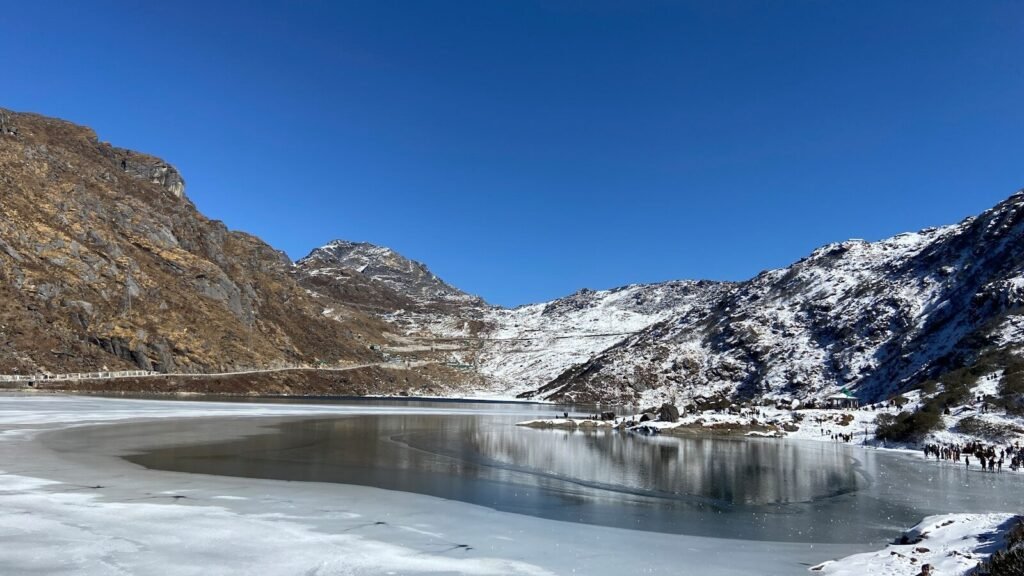
Nathula is commonly visited as a road excursion from Gangtok. The drive covers mountain roads with switchbacks; travel time varies with road and weather conditions but is typically a few hours one way. Many itineraries include a stop at Tsomgo Lake and a photo stop en route. Make early‑morning departures to allow time for permit checks and altitude adjustment.
High‑altitude ecosystems around Nathula are fragile. Tourism pressure—if unmanaged—can impact flora, fauna and water sources. Tourists should observe Leave No Trace principles, avoid disturbing wildlife and use local waste disposal systems when available.
Responsible tourism supports local livelihoods—drivers, guides, homestays and small vendors—and helps sustain cultural traditions. Engage respectfully with local customs, ask before photographing people, and consider using local services to maximize benefits to mountain communities.
Nathula illustrates how mountain passes can transform over time: from channels of everyday trade and cultural exchange to strategic frontiers in the modern nation‑state era. Its partial reopening for trade in the 21st century reflects both the enduring economic logic of cross‑border exchange and the contemporary realities of geopolitics and security.
The pass and its approaches host memorials and oral histories that keep alive memories of soldiers, traders and local communities. For visitors keen on history, Nathula is not merely a scenic high point but a site where the layers of commerce, conflict and culture are tangible.
Nathula Pass is a unique destination that blends ancient trade history, modern geopolitics and stunning Himalayan scenery. For tourists, it offers a chance to witness a living borderland where natural beauty meets complex human history. Proper planning, respect for regulations and attention to environmental and cultural sensitivity will ensure a meaningful and responsible visit.
Before traveling, consult official Sikkim government tourism portals, the local district administration and reputable travel operators for the latest information on permits, access and safety advisories.
What makes us different from other tour package companies
Our travel experts have core and intense knowledge about Sikkim sector with over 10 years of experience that will help you choose the best possible itinerary as per your requirements.
Our travel experts are just one call away during your tour to help you with any kind of immediate assistance so that your tour is a more enjoyable and hassle-free tour.
eSikkimTourPackages ensures best rates to all our esteemed guests since we have our own hotels and fleet of vehicles and drivers and there is no third-party involvement. This ensures personalized service and best rates.























Kindly enter the details below for your Sikkim Tour Package