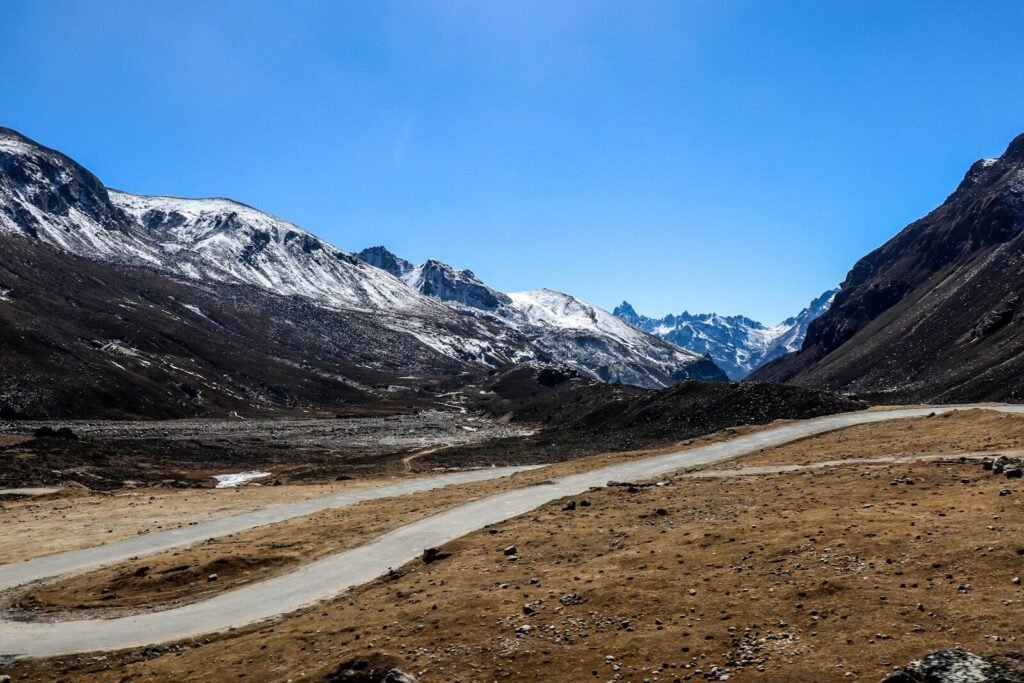
Nathula Pass (commonly spelled Nathu La) is one of the most visited high-altitude border passes near Gangtok, Sikkim. It sits on the historic Silk Route and forms part of the India–China border. Because Nathula is both a sensitive international border area and a high‑altitude destination, visiting it requires planning, permits and awareness of safety and environmental rules. The following FAQs answer the most common tourist questions.
Most commonly, Indian citizens can visit Nathula Pass with the required permits and approvals. Foreign nationals (including NRIs and tourists) are generally not permitted to visit Nathula due to security restrictions along this section of the India–China border. Always verify the current policy before planning your visit.
Visitors must obtain a special permit/clearance to enter the Nathula area. Permits are usually processed through:
Required documents typically include an original government-issued photo ID (Aadhaar, voter ID, passport for Indians), passport-size photographs, and vehicle details if applicable. Permit procedures and fees can change, so confirm with a registered operator or the Sikkim government office in Gangtok.
No — permits must be obtained in advance. Most visitors arrange permits through their tour operator in Gangtok, who secures the required military clearance and convoy slot. Last-minute approvals are not reliable; plan at least a day ahead.
Opening days and hours are subject to security, weather and administration. Historically, visitor access has been limited to certain days of the week and limited hours during the morning and early afternoon. In addition, Nathula is often closed on two weekdays for operational reasons — check current schedules with local authorities or your tour operator before traveling.
Best visiting windows:
Monsoon months (July–August) may bring landslides and road closures. Because security clearance also governs access, seasonal opening may vary; always reconfirm.
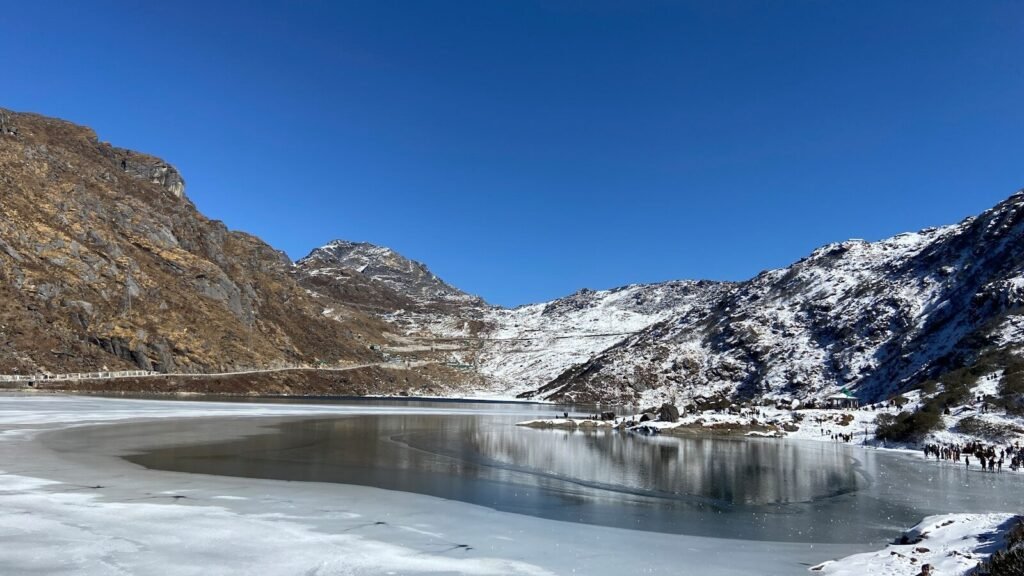
Most tourists hire a registered taxi or join a day‑trip through a licensed tour operator in Gangtok. The road is winding and steep in places; travel time is typically 2–3 hours one way. Visits are commonly combined with stops at Tsomgo (Changu) Lake and the Baba Harbhajan Singh Mandir.
Yes. To protect the environment and for security, vehicle quotas and convoy systems are often used. Only registered vehicles and operators with military clearance are allowed. Private two‑wheelers may be restricted. Your tour operator will provide the vehicle and convoy slot in most cases.
Facilities at the pass are basic. Small shops or stalls may be present nearby, but options are limited. Carry snacks, water (in reusable containers) and essential items. Toilets along the route and at checkpoints are functional but rustic — pack personal hygiene items.
Mobile connectivity is spotty. BSNL often has better coverage in high-altitude Sikkim areas; other networks can be unreliable. There are no ATMs at the pass — withdraw cash in Gangtok before departure.
Yes. At ~4,300 m, altitude sickness (acute mountain sickness) is a real risk. Symptoms include headache, nausea, dizziness, shortness of breath and fatigue. To reduce risk:
Bring warm layered clothing (windproof jacket, thermal layers), good boots with traction, gloves, sunglasses (UV protection) and sunscreen. In winter, expect heavy snow — additional cold‑weather gear is required.
Nathula is a sensitive military area. Follow all instructions from security personnel, avoid restricted zones, and do not photograph military installations or personnel without explicit permission. Violations can lead to fines or detention.
Photography of the general landscape is allowed, but restrictions apply near military posts, checkpoints and sensitive locations. Always follow directions from the Army or local authorities about where you can and cannot take photos. Be respectful at religious sites (e.g., Baba Harbhajan Mandir) and nearby villages.
Costs vary depending on vehicle type (shared taxi vs private car), permit fees and guide charges. A shared taxi/day‑tour from Gangtok will be cheaper than hiring a private vehicle. Expect additional charges for permits, convoy fees and park or site entry where applicable. Obtain quotes from registered operators in Gangtok.
Yes. Because permits and military clearances are needed, booking through a registered operator or the official tourism office simplifies paperwork and ensures compliance with regulations. Operators also provide the necessary vehicle and convoy timing.
Nathula was a key pass on the ancient Silk Route connecting India and Tibet/China and has strategic importance. It was closed after the 1962 Sino‑Indian conflict and partially reopened for trade and limited movement decades later. Its history adds to its tourist appeal, but also explains the heightened security and restricted access.
For the most reliable and up‑to‑date information on permits, opening days and travel advisories, contact:
Nathula Pass is a spectacular and historically rich destination close to Gangtok, but visiting requires preparation: permits, acclimatization, adherence to security rules and respect for the fragile mountain environment. Plan ahead, confirm current rules, travel with a registered operator if possible, and prioritize safety and environmental respect to make your visit smooth and memorable.
What makes us different from other tour package companies
Our travel experts have core and intense knowledge about Sikkim sector with over 10 years of experience that will help you choose the best possible itinerary as per your requirements.
Our travel experts are just one call away during your tour to help you with any kind of immediate assistance so that your tour is a more enjoyable and hassle-free tour.
eSikkimTourPackages ensures best rates to all our esteemed guests since we have our own hotels and fleet of vehicles and drivers and there is no third-party involvement. This ensures personalized service and best rates.













Kindly enter the details below for your Sikkim Tour Package