Best Time to Visit Nathula Pass, Gangtok — A Tourist’s Guide
Nathula Pass (approx. 4,310 m) sits on the historic Indo-China border in East Sikkim and is one of the most iconic high-altitude destinations accessible from Gangtok. Choosing the right time to visit Nathula is crucial: weather, road conditions, permits and sightseeing opportunities all change dramatically by season. This article explains the best times to go, what to expect each month, practical travel tips, permit rules, safety advice and recommended itineraries.
Why Timing Matters
Nathula is a high mountain pass. Its accessibility and the visitor experience depend heavily on:
- Weather and visibility (clear views of the ridgeline and surrounding peaks)
- Road safety (monsoon landslides and winter snow closures)
- Permit availability and border restrictions (special checks at the pass)
- What you want to experience (snow, clear vistas, or fewer crowds)
Season-by-Season Overview
Spring (March – May)
Why go: Spring is widely regarded as one of the best times to visit Nathula. Temperatures are cool but comfortable during the day, skies are generally clear, and snow begins to melt making roads more reliable.
- Pros: Good weather, clear mountain views, negligible monsoon risk
- Cons: Occasional chill and stronger UV at altitude; early spring mornings can still be frosty
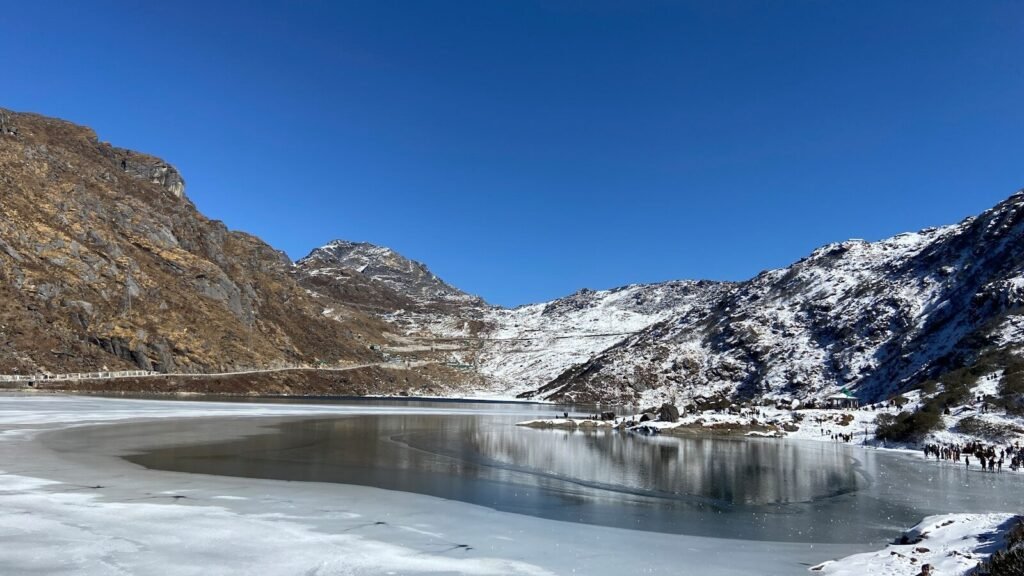
- Best for: Sightseeing, photography, combining Nathu La with Tsomgo (Changu) Lake and Baba Mandir
Summer (June – mid-July)
Early summer offers pleasant temperatures and is another favorable window. However, the Indian monsoon begins to affect Sikkim by late June/July.
- Pros: Mild temperatures, lush green landscapes
- Cons: Increasing cloud cover and start of monsoon rains later in June/July — risk of landslides and road closures
- Best for: Comfortable travel before heavy rains; photographers seeking vibrant alpine colors
Monsoon (late July – September)
Why to be cautious: Monsoon brings heavy rainfall to Sikkim. Roads on the route to Nathula (and passes in the region) are prone to landslides and frequent closures.
- Pros: Verdant valleys and fewer tourists
- Cons: High risk of disruptions, slippery roads, poor visibility
- Best for: Travelers who prefer solitude and are prepared for flexible itineraries; otherwise avoid for reliability
Autumn (October – November)
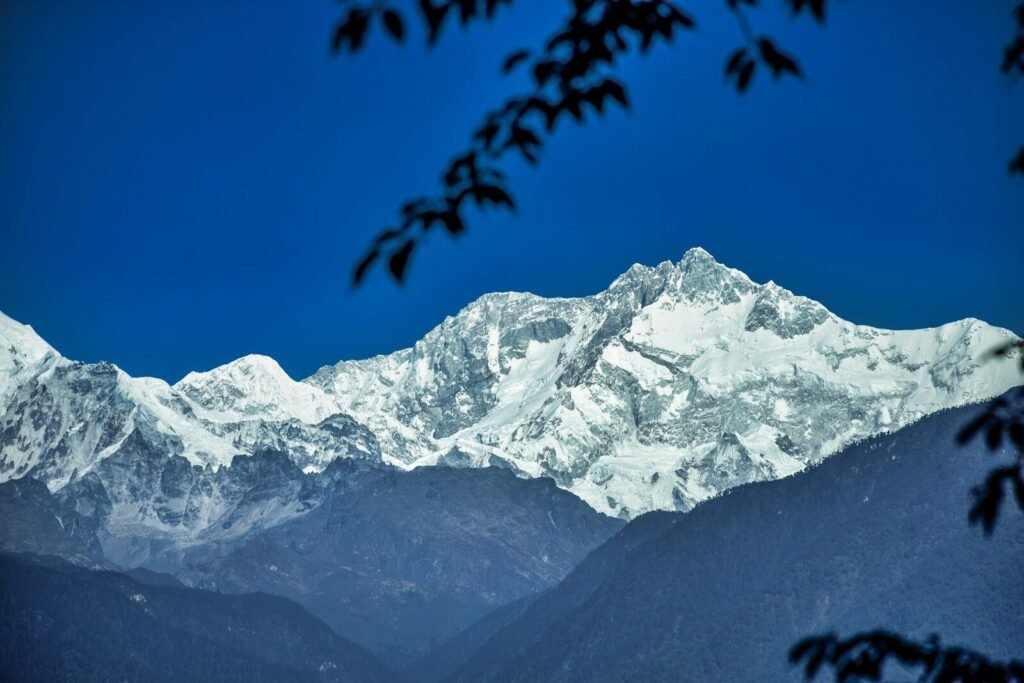
Why go: Autumn is another excellent time to visit. The monsoon has cleared, skies are often crystal clear and visibility of the mountains is excellent.
- Pros: Clear views, comfortable temperatures, stable roads
- Cons: Can get quite chilly, especially in late November
- Best for: Photography, sightseeing and stable travel plans
Winter (December – February)
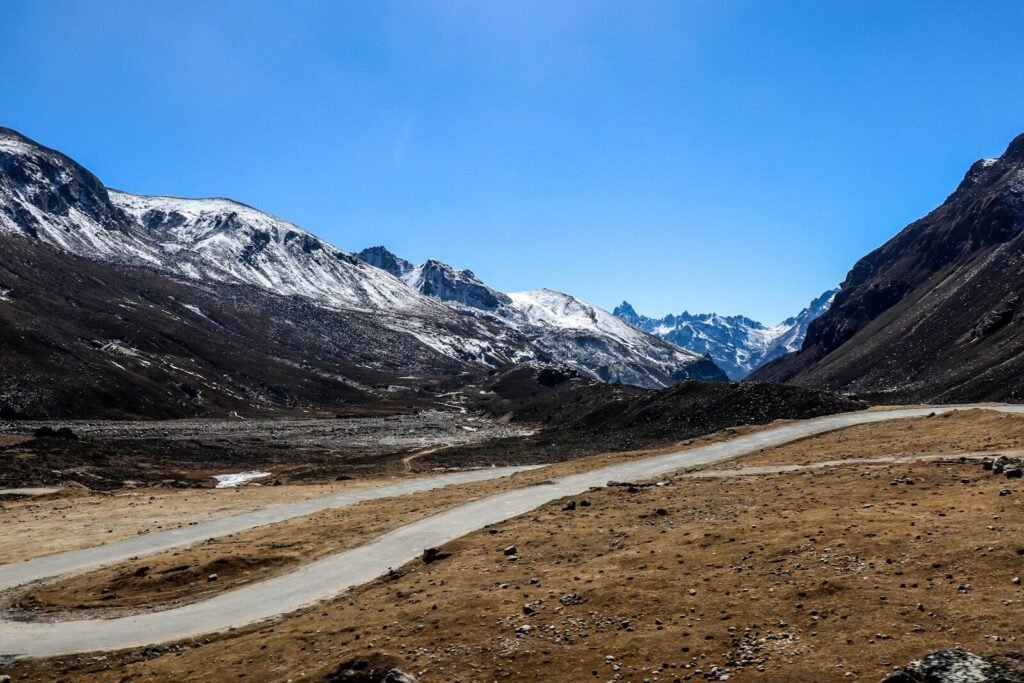
Winter brings heavy snowfall at Nathula. While snow creates spectacular landscapes, it also frequently leads to temporary closures of the pass.
- Pros: Snow-covered vistas — panoramic, dramatic mountain photography
- Cons: Cold, sometimes extreme; the pass is often closed for safety and fewer services operate
- Best for: Travelers specifically seeking snow and prepared for uncertainty in opening/closing schedules
Best Months — Quick Recommendation
- Top choice: March to May (spring) — reliable roads, clear skies, pleasant temperatures.
- Second choice: October to early November (autumn) — post-monsoon clarity and calm weather.
- For snow: December to February — only if you want snow and accept the chance of closures.
Permits and Regulations
Important: Nathula is an international border pass and special permissions are required to visit.
- Indian nationals typically require an entry permit issued through the Sikkim tourism authorities or designated counters in Gangtok. These permits are checked at multiple checkpoints en route.
- Foreign nationals are generally restricted from visiting Nathula without special clearance from central government agencies; in many cases foreign tourists are not permitted beyond certain points. Always verify current rules before planning.
- Carry original photo ID (Aadhaar, voter card or passport as required) and passport-sized photographs. Permits are often issued a day or two before travel — allow time for processing.
- Rules and application points can change; confirm with the Sikkim Tourism Department or your travel agent in Gangtok before departure.
How to Reach Nathula from Gangtok
Nathula is commonly visited as a day trip from Gangtok, often combined with Tsomgo Lake (Changu Lake) and Baba Mandir.
- Distance: roughly 50–55 km by road; travel time usually 4–6 hours one way depending on road conditions and checkpoints.
- Road: Mountain roads with steep stretches and hairpin bends. Drive slowly and allow extra time for military checkpoints.
- Transport: Book local taxis through your hotel or licensed tour operators. Shared jeeps are less common for this route because of permit rules.
Health, Safety and Altitude Tips
Nathula’s high altitude can cause altitude sickness. Plan and act accordingly.
- Acclimatize: Spend 1–2 days in Gangtok (1,600 m) before ascending to avoid acute mountain sickness.
- Hydrate and rest: Drink plenty of fluids, eat lightly and avoid strenuous activity on your first day at higher elevation.
- Medication: Discuss prophylactic options such as acetazolamide (Diamox) with a physician if you have prior altitude issues.
- Avoid alcohol and smoking: These can worsen altitude symptoms.
- Emergency: Medical facilities are limited near the pass. Carry a basic first-aid kit and emergency contacts (hotel, local police and military checkpoints).
Packing Checklist
- Warm layered clothing (fleece, insulated jacket, windproof outer layer)
- Good trekking or walking shoes with grip
- Sunglasses, sunscreen and lip balm (strong UV at altitude)
- Hat, gloves and neck gaiter
- Original ID, permit copies, passport-size photos
- Water bottle and light snacks
- Power bank and camera with extra batteries (cold drains batteries faster)
What to Expect at the Pass
Visiting Nathula often includes a short time at the actual pass under the supervision of security personnel. Photography of certain areas may be restricted; follow instructions from officials.
- Short viewing time at the pass — many organized visits allow limited time for photographs and viewing due to security protocols.
- Retail and small stalls may be present near checkpoints, but options are limited. Carry your own water and essentials.
- Combine the visit with nearby attractions: Tsomgo Lake, Baba Harbhajan Singh Mandir and local monasteries.
Photographer’s Notes
For the best photos:
- Visit on a clear day — autumn and spring offer the best visibility.
- Early morning light gives crisp, shadowed ridgelines; evenings can also be dramatic before weather rolls in.
- Carry extra batteries and memory cards. Cold temperatures shorten battery life.
- Respect restricted areas and instructions from security personnel.
Sample Day Trip Itinerary from Gangtok
- 05:00–06:00 — Depart Gangtok early (start time often depends on permits and tour arrangements).
- 09:00 — Arrive at Tsomgo (Changu) Lake; short visit and tea break.
- 10:30 — Proceed to Nathula Pass (permit checkpoints and military verification en route).
- 12:00 — Arrive Nathula; photography and viewing (time is often limited).
- 13:00–14:00 — Return towards Gangtok with a stop at Baba Mandir if time permits.
- 17:00–18:00 — Reach Gangtok (timings vary by road and weather).
Final Tips and Recommendations
- Plan in spring or autumn for the most reliable experience (March–May, October–early November).
- Check permit requirements well before travel and keep ID handy at all checkpoints.
- Confirm road and weather conditions a day before departure and remain flexible — routes can be closed at short notice.
- Respect border regulations and security personnel — this is an active and sensitive area.
- Stay in Gangtok — it’s the practical base with the best accommodations and logistics for a Nathula visit.
Conclusion
Nathula Pass is a spectacular high-altitude experience near Gangtok, offering dramatic mountain vistas, historical interest and a unique borderland atmosphere. For most tourists, late spring (March–May) and autumn (October–early November) strike the best balance of clear views, reasonable weather and reliable access. If you want snow, winter delivers stunning scenery but brings the risk of closures. Always verify current permit rules and road conditions before finalizing travel plans — flexibility and preparation are the keys to a safe and rewarding visit.