Best Time to Visit MG Marg, Gangtok — A Complete Tourism Guide
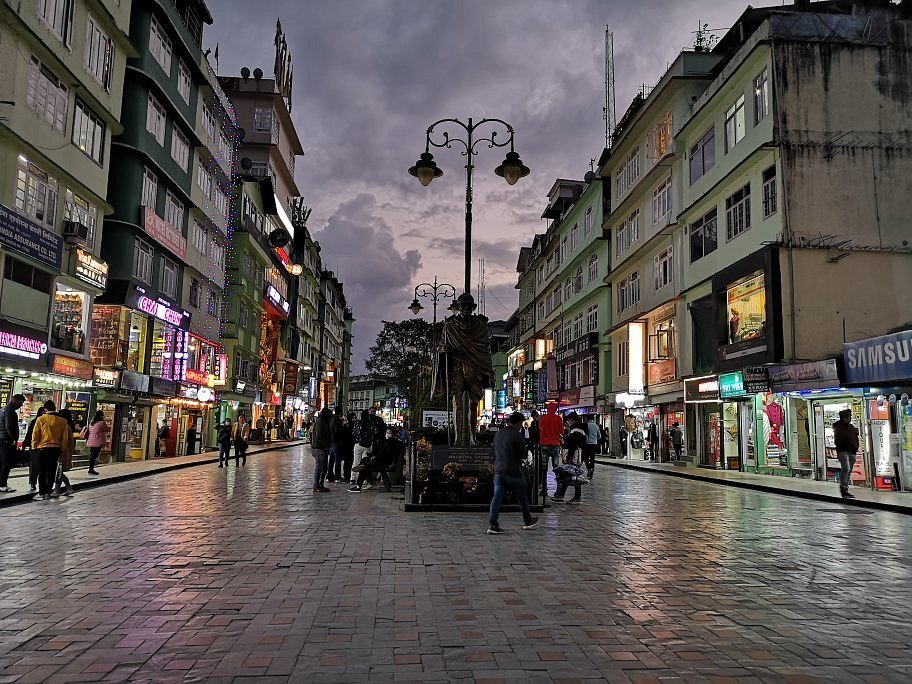
MG Marg (Mahatma Gandhi Marg) is the heart of Gangtok — a pedestrian-only boulevard lined with shops, cafés, handicraft stalls and restaurants. For tourists the experience here blends vibrant local life, beautiful mountain views and relaxed evening walks. Choosing the best time to visit MG Marg depends on what you want to see and do: clear mountain panoramas, festival atmosphere, pleasant walking weather, or quieter off-season prices.
Quick Overview
Location: Central Gangtok, Sikkim. Elevation ~1,600–1,650 m above sea level.
Nature of place: Pedestrian mall, evening promenade, shopping and dining hub, starting point for many local tours.
Climate and Seasonal Summary
Gangtok’s climate is temperate to subtropical highland. Seasonal differences affect visibility, rainfall, temperature and crowd levels on MG Marg:
- Spring (March–May): Mild, clear skies, blooming rhododendrons and pleasant walks.
- Summer / Monsoon (June–September): Heavy rains, lush green landscapes, higher risk of landslides and road disruptions.
- Autumn (October–November): Cool, dry and clear — prime time for mountain views and outdoor activities.
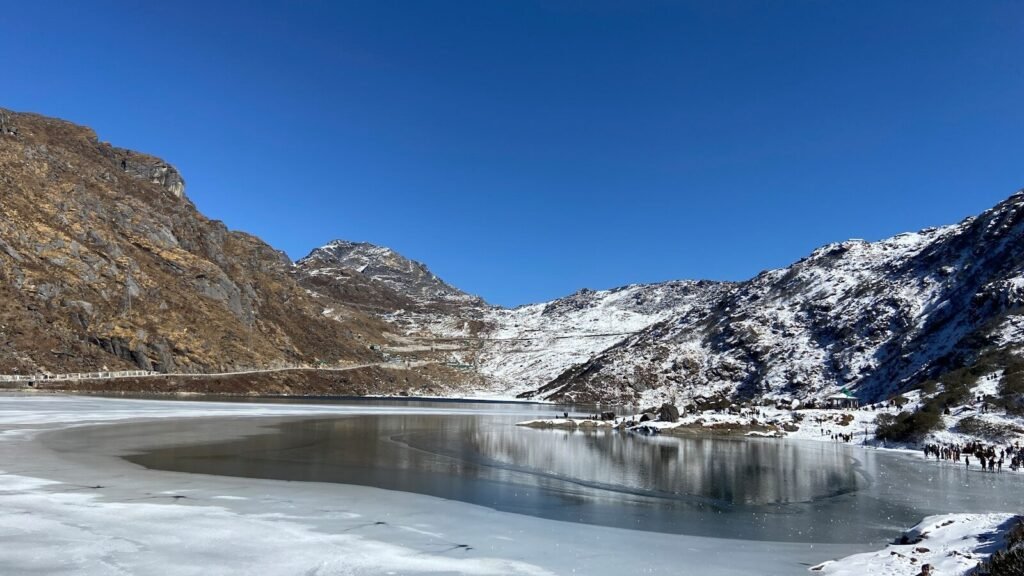
- Winter (December–February): Cold, crisp air; fewer tourists and occasional fog; higher-altitude areas may see snow.
When Is the Best Time to Visit MG Marg?
Top Recommendation
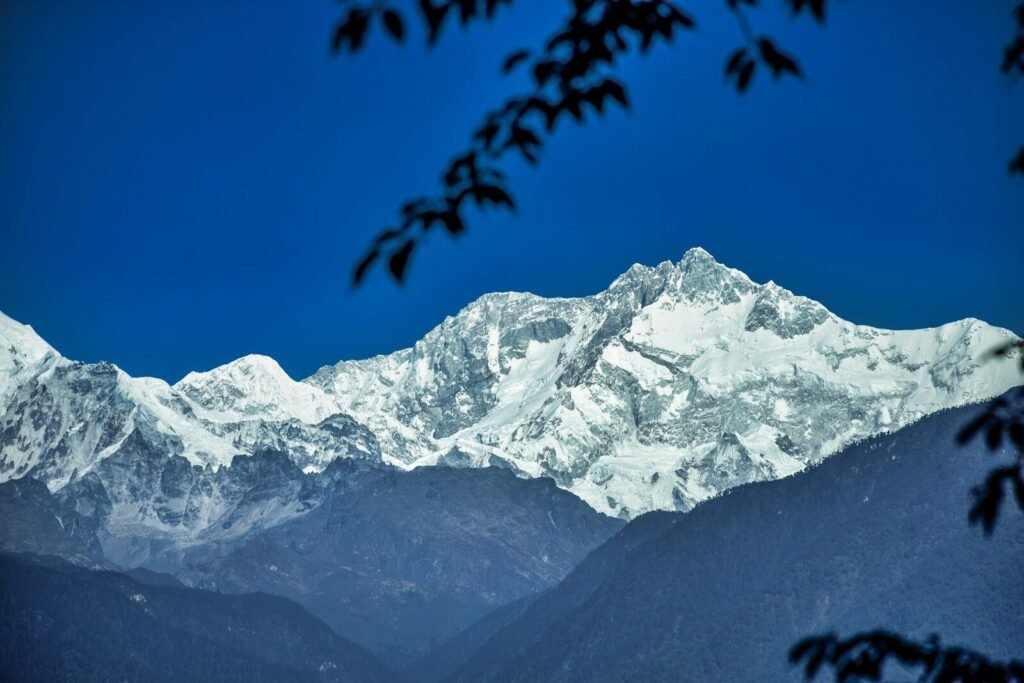
October–November and March–May are the best months to visit MG Marg for most tourists. These windows combine pleasant daytime temperatures, excellent visibility of the Himalayan peaks (including views toward Kanchenjunga on clear days), and comfortable conditions for walking, shopping and photography.
Why These Months?
- Clear skies: Post-monsoon autumn and spring both offer the clean air needed for vivid mountain vistas.
- Comfortable temperatures: Daytime is pleasant for strolling; evenings are cool but manageable with a light jacket.
- Festivals & culture: Several local festivals fall in these months, enhancing cultural experiences on and around MG Marg.
Season-by-Season Guide to Visiting MG Marg
Spring (March–May)
- Pros: Blooming rhododendrons, comfortable weather, good visibility, fewer heavy rains.
- Cons: Increasing tourist numbers from April onward; book accommodation early for peak holiday weekends.
- Best for: Nature lovers, photographers, relaxed shopping and café hopping.
Summer / Monsoon (June–September)
- Pros: Lush green landscapes, fewer tourists, lower prices on some services.
- Cons: Persistent rain, misty or cloudy views, occasional landslides that can disrupt travel to and from Gangtok.
- Best for: Travelers who prioritize low crowds and don’t require clear mountain vistas; those comfortable with weather-related uncertainty.
Autumn (October–November)
- Pros: Best overall visibility for mountain views, crisp weather, festive atmosphere, ideal trekking conditions nearby.
- Cons: One of the busiest tourist periods — book transport and lodging well in advance.
- Best for: First-time visitors, photographers, festival-goers.
Winter (December–February)
- Pros: Quiet streets, lower hotel prices (except around festival dates), clear cold mornings can offer sharp views.
- Cons: Cold nights and early fog; nearby high-altitude passes may close after snowfalls; some attractions or roads could be affected.
- Best for: Travelers seeking a quieter MG Marg experience and comfortable with colder temperatures.
Best Time of Day to Visit MG Marg
- Morning (8:00–11:00): Quieter, good for photography, clearer air, many shops and cafés start opening.
- Afternoon (12:00–16:00): Pleasant for lunch, people-watching and short walks; good light for nearby views when conditions are clear.
- Evening (17:30–21:30): Most atmospheric: lights, live street energy, restaurants and bars open, ideal for leisurely strolls and nightlife.
Special Events, Festivals and Peak Times
MG Marg becomes especially lively during local festivals and public holidays. Festivals of importance in Gangtok and Sikkim — such as Losar (Tibetan New Year), Pang Lhabsol and other cultural events — bring processions, dances and stalls. During national holidays and Indian school vacations (summer holiday period and winter holidays), expect higher crowds.
Planning Around Festivals
- Check festival dates in advance — they vary yearly by lunar calendar.
- During major festivals, hotels and transport may be booked early and prices could rise.
Practical Tips — What to Pack and How to Prepare
- Clothing: Layered clothing is essential — light inner layers, fleece or sweater and a windproof jacket. Winter visitors should carry heavier insulation.
- Footwear: Comfortable walking shoes with good grip for wet or uneven pavement.
- Rain protection: During monsoon months carry waterproofs — umbrella or rain jacket.
- Sun protection: Sunscreen, sunglasses and a hat — UV can be strong at altitude even when cool.
- Health & safety: Keep water, basic medication and any personal prescriptions. If you plan excursions to higher altitudes, allow time to acclimatize.
Photography and Sightseeing Tips
- For mountain vistas, aim for early morning or late afternoon on clear days.
- Evenings on MG Marg are great for street photography — capture lights, people and local food stalls.
- Bring a small tripod for low-light handheld stability if you want long-exposure shots of the pedestrian boulevard at night.
Accessibility, Crowds and Safety
MG Marg is a pedestrian-only zone, generally safe for families and solo travelers. During peak season or festival days expect crowds — keep valuables secure and be mindful of pickpocketing in busy pockets. If you have mobility concerns, check with your hotel about nearby access points and ramps; the central sections are relatively flat but some adjacent streets can be steep.
Nearby Attractions to Combine with an MG Marg Visit
- Enchey Monastery — short drive from MG Marg
- Tashi View Point and Ganesh Tok — for broader vistas
- Namgyal Institute of Tibetology and Do Drul Chorten — cultural visits within easy reach
- Local markets and handicraft shops branching off MG Marg
Final Recommendations
If you want clear views, comfortable weather and the fullest cultural experience: plan your MG Marg visit for October–November or March–May. For a quieter, more budget-friendly trip, consider winter months but pack warm clothing. Avoid the monsoon months unless you’re specifically visiting for off-season greenery and are prepared for rain and possible travel disruptions.
Summary
MG Marg is enjoyable year-round depending on preferences. Choose autumn or spring for the best balance of scenic clarity, comfortable walking, and lively local culture. Time your day for morning clarity or evening ambiance, and follow practical packing and safety tips to make the most of your visit.