Khecheopalri (also spelled Khecheo Palri) — popularly called the “Wishing Lake” — is one of Sikkim’s most revered natural and cultural sites. Located near Pelling in West Sikkim, the lake is a pilgrimage site for Buddhists and Lepchas and a popular stop for tourists who visit the Pelling area. The following FAQ-style article answers common tourism-related queries, offers practical tips, and explains cultural and conservation considerations for visitors.
What is Khecheopalri Lake?
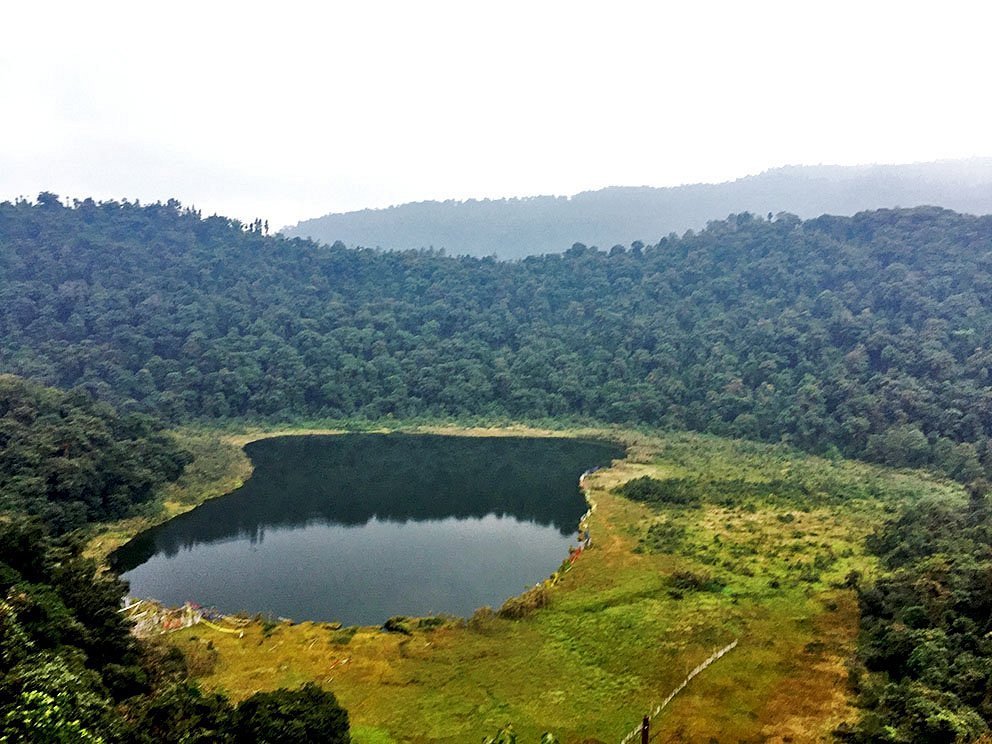
Khecheopalri is a small, wooded, sacred lake known locally as a “wish-fulfilling” lake. It combines religious significance, scenic beauty and a tranquil setting that attracts pilgrims, nature lovers and photographers.
Khecheopalri is situated in West Sikkim, within easy visiting distance of Pelling. It is set amid forested hills and villages and is commonly included on day trips from Pelling or nearby towns.
– By road: The most common way is by taxi, private car or shared jeep from Pelling. Travel time from Pelling is generally less than a few hours depending on road and traffic conditions.
– Public transport: Shared jeeps and local taxis operate on the route from Pelling or Gyalshing; schedules are variable, so check locally.
– Trekking: Short walks from nearby hamlets are possible for those who prefer a hike, but most visitors opt for road transport.
– Nearest major airport and railway stations are in the plains (Siliguri / Bagdogra Airport / New Jalpaiguri). From there, travelers continue by road to Gangtok and then Pelling, or directly toward West Sikkim by hired vehicle. Plan for a multi-hour road journey between the plains and Pelling.
– Best months: October to May — generally clear weather and good visibility, ideal for sightseeing and photography.
– Peak seasons: Spring (March–May) for rhododendron blooms and autumn (October–November) for crisp skies.
– Monsoon: June to September often brings heavy rain, slippery roads and occasional landslides; this period is less ideal for travel.
– Entry to the lake area is usually free or may involve a small conservation/donation fee; arrangements can change, so carry some cash.
– Indian citizens: Generally do not need special permits to visit the lake, though you should carry valid photo ID.
– Foreign nationals: Rules for foreign visitors in parts of Sikkim can change; some border or restricted areas require permits. It is strongly advised that foreign visitors check with the Sikkim Tourism Department or a local tour operator in advance.
There is no strict “closed” season for the lake, but practical visiting hours are during daylight (early morning to late afternoon). Early morning visits are recommended for serenity and cleaner reflections. Temple/shrine timings within the lake precincts may follow local monastery schedules—observe posted times.
Weekends and festival days attract more pilgrims and tourists. On ordinary weekdays you can expect fewer visitors. Plan early visits for quieter conditions and better photographs.
Facilities are basic: a short walking path around the lake, a small shrine or temple, and limited visitor amenities. Public toilets and food stalls are limited or rustic; it’s best to be prepared (water, snacks, suitable clothing). Accommodation and restaurants are available in Pelling or the nearest towns.
Pelling provides the nearest range of hotels, guesthouses and homestays, from budget to mid-range options and a few higher-end lodges. Staying in Pelling gives easier access to other attractions like Pemayangtse Monastery and viewpoints.
Yes. Khecheopalri is a sacred place to Buddhists and the indigenous Lepcha community. Observe the following:
Photography around the lake and natural surroundings is usually allowed, but respect local rules and people’s privacy. Photography inside temple interiors or close-ups of worshippers may be restricted. Drone use in Sikkim is controlled and typically requires permits; do not fly drones without explicit permissions from authorities.
No. The lake is sacred and swimming or boating is not permitted in most areas. Visitors should respect protective and religious restrictions. There may be places where small, traditional ritual offerings are performed from the shore, but recreational activities are inappropriate.
The site is generally safe for most visitors, but consider the following:
Pelling and nearby towns have basic medical facilities and pharmacies. For serious medical issues, the larger hospitals in Gangtok or Siliguri are better equipped. Travel insurance and carrying essential medications are recommended.
The lake is surrounded by forest and supports birds, frogs and small wildlife typical of the Himalayan foothills. Visitors may see local and migratory birds and enjoy forest walks. Remember to observe quietly and not disturb habitats.
Local conservation initiatives and community stewardship are important at Khecheopalri. Visitors are asked to avoid littering, to keep to paths, and to follow any posted conservation rules. Support local conservation efforts by respecting signage and paying any nominal conservation fees when requested.
Khecheopalri is regarded as sacred by both Buddhists and the Lepcha indigenous community. Folklore describes it as a “wishing lake” — it is believed that sincere wishes are fulfilled here. There are also local stories about the unusual behavior of leaves and natural debris near the lake that contribute to its special status. Visitors should treat these beliefs with respect.
Common nearby attractions when staying in Pelling include:
A half-day or full-day itinerary can typically include Khecheopalri plus one or two nearby sites.
Do: Respect religious customs, carry water, wear suitable clothing, follow local guidance and support local businesses.
Don’t: Litter, bathe or swim in the lake, disturb wildlife, use drones without permission, or behave disrespectfully in prayer areas.
Khecheopalri’s preservation is linked to community reverence and local conservation efforts. Visitors who respect the site — follow rules, avoid littering and support local initiatives — contribute to the lake’s long-term protection. Consider making small contributions to community funds or conservation programs if available.
Khecheopalri Lake offers a blend of spiritual atmosphere, natural serenity and cultural interest. To make the most of your visit, plan for daylight hours, respect religious practices, verify any permit requirements ahead of time (especially if you are a foreign national), and allow time to enjoy nearby Pelling attractions. Local conditions and rules can change, so check with your accommodation host or a local travel agent for the latest information before you travel.
Always carry valid identification, check current local travel advisories, and ask at your hotel or the local tourism office for up-to-date details on access, fees and regulations.
What makes us different from other tour package companies
Our travel experts have core and intense knowledge about Sikkim sector with over 10 years of experience that will help you choose the best possible itinerary as per your requirements.
Our travel experts are just one call away during your tour to help you with any kind of immediate assistance so that your tour is a more enjoyable and hassle-free tour.
eSikkimTourPackages ensures best rates to all our esteemed guests since we have our own hotels and fleet of vehicles and drivers and there is no third-party involvement. This ensures personalized service and best rates.























Kindly enter the details below for your Sikkim Tour Package