Ganesh Tok

Best time to visit

Best Time to Visit Ganesh Tok, Gangtok

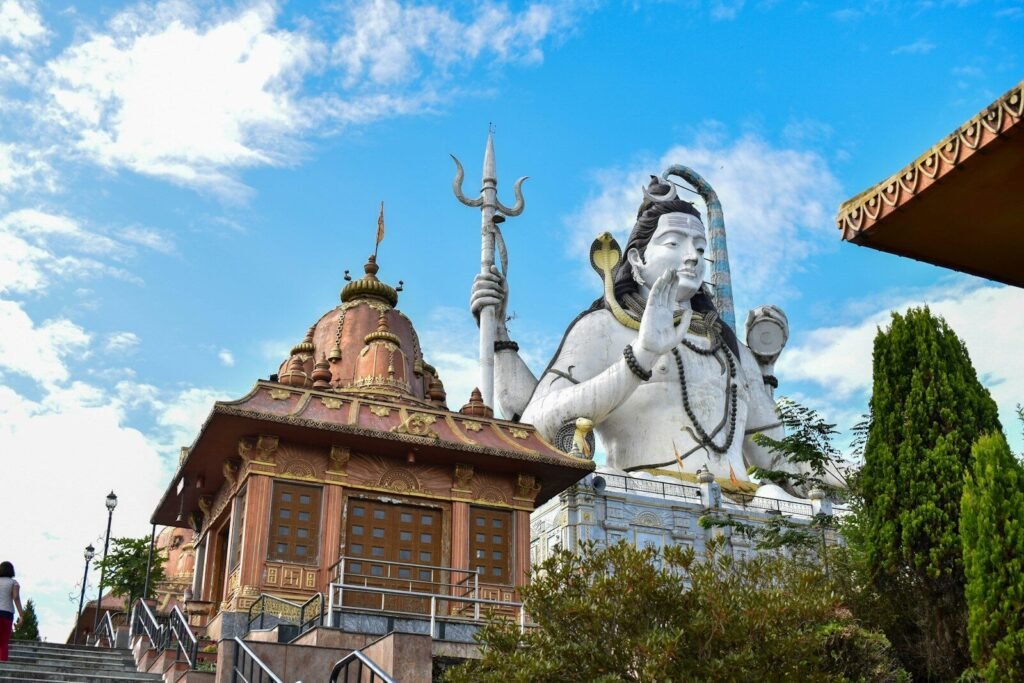
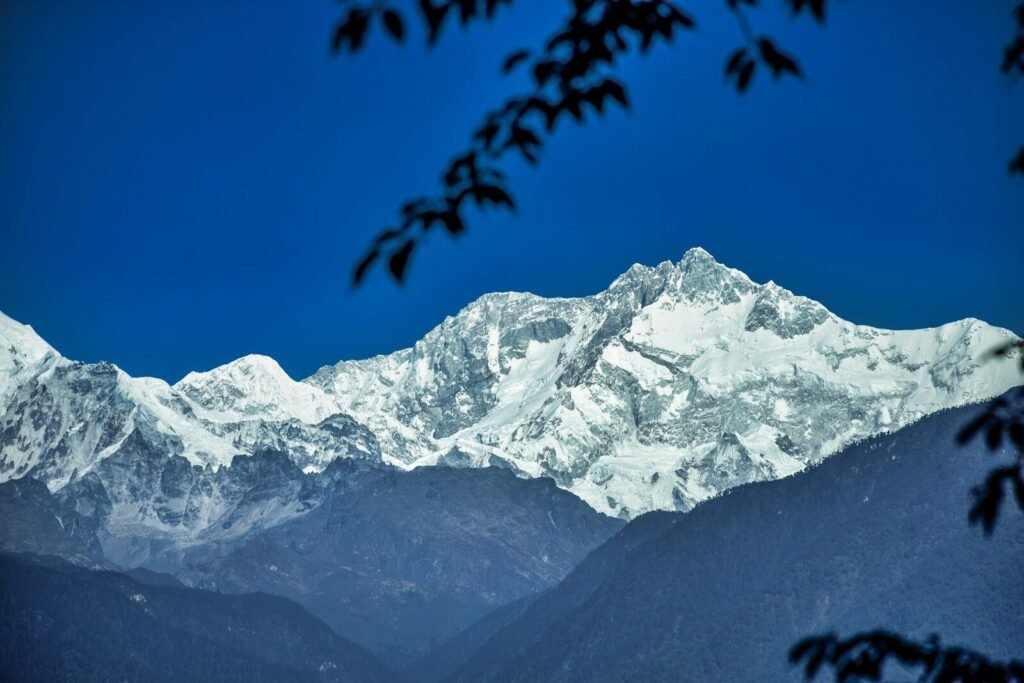
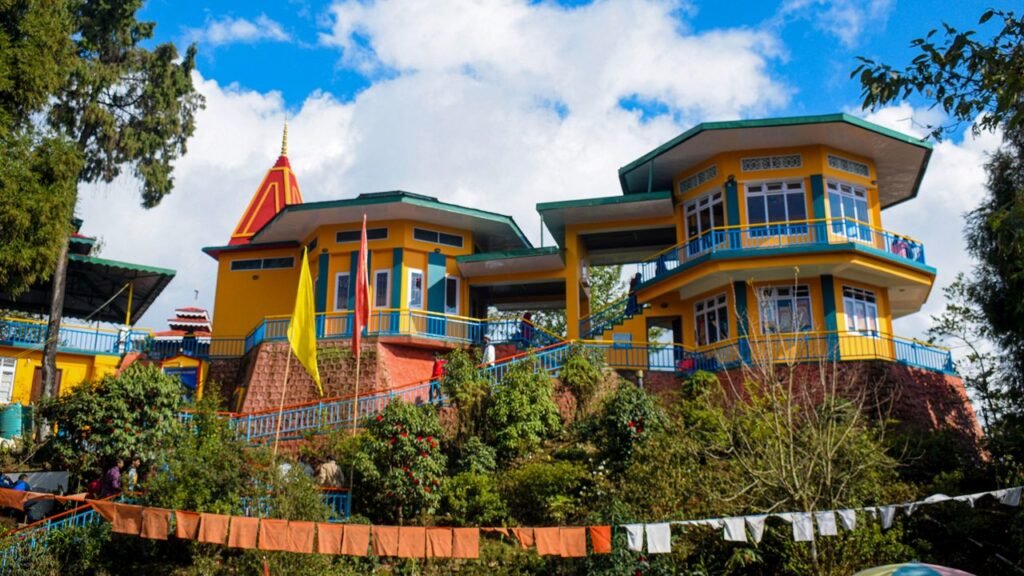
Ganesh Tok is a small hilltop temple and popular viewpoint located on the slopes above Gangtok, Sikkim. From this compact vantage point you get sweeping views of Gangtok town, surrounding valleys and (on clear days) the snow-capped peaks of the Himalaya including the eastern face of Kanchenjunga. Choosing the right time to visit Ganesh Tok greatly affects how much you will see and enjoy the site — weather, visibility, crowd levels and road conditions all vary by season.

At a Glance

  • Best overall months: March to June and October to early December.
  • Best for clear mountain views: October–November and January–February (cold but clear).
  • When to avoid: Heavy monsoon months (June–September) because of rain, fog and landslide risk.
  • Best time of day: Early morning for sunrise and crisp views; late afternoon for warm light and sunset tones.

Why Season Matters

Ganesh Tok sits at a hill elevation (around approx. 1,900–2,000 metres above sea level). Weather conditions in the eastern Himalaya can change quickly — cloud cover, rain, fog and haze reduce visibility and the panoramic appeal of the viewpoint. The seasons in Gangtok broadly determine the clarity of mountain views, the comfort of the visit and travel safety on mountain roads.

Spring (March – May)

Why visit: Spring is one of the best times to visit Ganesh Tok. Temperatures are pleasant, skies are often clear, and rhododendrons and other alpine flowers are in bloom across the hillsides.

  • Benefits: Mild temperatures, good visibility, comfortable trekking/walking.
  • Drawbacks: Can be busier with domestic tourists during holidays.

Summer / Monsoon (June – September)

Why be cautious: The region receives heavy monsoon rains. Roads can be slippery, landslides may occur, and frequent fog and clouds will obstruct mountain views.

  • Benefits: Lush green scenery and fewer tourists some days.
  • Drawbacks: Low visibility for Himalayan panoramas, occasional road disruptions, and wet trails.

Autumn (October – Early December)

Why visit: Autumn is often the clearest and most reliable season for panoramic mountain photography and long-range visibility. Post-monsoon cleansing of the atmosphere makes Kanchenjunga and other peaks highly visible.

  • Benefits: Crisp air, spectacular views, comfortable daytime weather.
  • Drawbacks: Can be crowded during peak festival and tourist periods.

Winter (December – February)

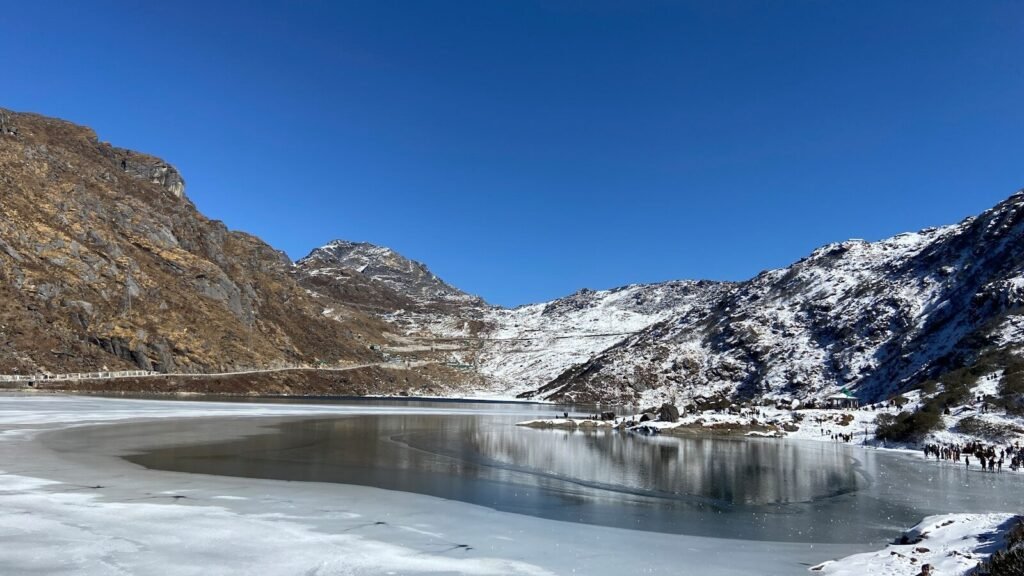
Why visit: Winter brings very clear skies on many days and dramatic, snow-dusted scenery. However, mornings are cold, and occasional snowfall or icy patches may make travel a little more challenging.

  • Benefits: Excellent visibility on clear days, quieter than autumn in some weeks.
  • Drawbacks: Cold temperatures, shorter daylight hours, possibility of local road closures in extreme weather.

Best Time of Day

Early morning: For the clearest, least polluted views and the possibility of sunrise over the valleys and peaks. Early mornings also tend to be quieter.

Late afternoon / Golden hour: Ideal for warm light on the mountains and town; good for photography and milder temperatures. Midday can be hazy on some days, especially after warm afternoons.

Festivals and Local Events

Local temple observances — particularly around Ganesh Chaturthi — can draw local devotees and slightly larger crowds at the temple. Sikkim also celebrates many regional festivals throughout the year; these can influence accommodation availability and local traffic, so check festival dates if you prefer a quieter visit.

Practical Tips for Planning Your Visit

  • Travel and access: Ganesh Tok is a short drive from central Gangtok followed by a brief uphill walk. Taxis and local drivers commonly include the viewpoint on city circuits.
  • Permits: Indian nationals generally do not need permits to visit Gangtok or Ganesh Tok. Foreign nationals should check and obtain the required Protected Area Permit (PAP) or Restricted Area Permit as per current Sikkim rules — these are available via travel agents or entry-point offices.
  • Clothing: Layered clothing is essential; mornings and evenings can be chilly even in spring and autumn. Carry a light down jacket in winter and a waterproof layer during monsoon months.
  • Health: Altitude is moderate; most visitors acclimatize quickly, but bring basic altitude-sickness precautions if you’re sensitive.
  • Safety: Avoid visiting during heavy rains if local advisories warn of landslides. Wear sturdy shoes for the short walk and steps at the viewpoint.

Photography and Viewing Tips

  • Bring a wide-angle lens to capture sweeping panoramas and a telephoto to isolate distant peaks.
  • A tripod is useful for low-light sunrise/sunset shots and to stabilize long telephoto exposures.
  • A polarizing filter helps reduce glare and deepen sky contrast on clear days.
  • Check weather forecasts the night before; even a partly cloudy forecast can yield spectacular sunrise/sunset conditions.

Combining Ganesh Tok with Nearby Sights

  • Tashi Viewpoint: Another classic spot for sunrise and wide views — often paired with Ganesh Tok on the same morning tour.
  • Enchey and Rumtek Monasteries: Cultural stops that fit easily into a half- to full-day sightseeing plan from Gangtok.
  • MG Marg: Return to Gangtok’s central pedestrian area for food, shopping and evening strolls.

Packing Checklist (Quick)

  • Layered clothing and warm jacket
  • Raincoat or umbrella (monsoon season)
  • Comfortable, sturdy shoes
  • Water bottle and snacks
  • Camera, extra batteries or power bank, tripod
  • Sun protection (sunglasses, sunscreen)
  • Basic medicines and altitude-sickness remedies if needed
Sample Visit Plans
  • Short visit: Early morning trip to Ganesh Tok for sunrise and a panoramic view, then return to Gangtok for breakfast — total 2–3 hours.
  • Half-day circuit: Combine Ganesh Tok with Tashi Viewpoint, Enchey Monastery and a stop at MG Marg — half to most of a day depending on pace.

Final Recommendation

If you want the best balance of comfortable weather, clear Himalayan vistas and accessible travel conditions, plan your visit to Ganesh Tok between March and June or from October to early December. For photographers and mountain-view seekers, late autumn and clear winter days (October–November and January–February) often provide the sharpest views of Kanchenjunga and the surrounding Himalayan range. Avoid the heavy monsoon months for panoramic viewing, and choose an early morning or late-afternoon time slot for the most rewarding experience.

Get Instant Call Back​

Which places do you want to explore in North-East?
Kindly share your above details to get Travel Plan PDF within 30 seconds on your mobile
Please wait while we are preparing customized quotes as per your requirement.

Why Choose us ?

What makes us different from other tour package companies

Best Travel Experts

Our travel experts have core and intense knowledge about Sikkim sector with over 10 years of experience that will help you choose the best possible itinerary as per your requirements.

24 X 7 On-Trip Assistance

Our travel experts are just one call away during your tour to help you with any kind of immediate assistance so that your tour is a more enjoyable and hassle-free tour.

Best Rate Guarantee

eSikkimTourPackages ensures best rates to all our esteemed guests since we have our own hotels and fleet of vehicles and drivers and there is no third-party involvement. This ensures personalized service and best rates.


Sikkim Tour Packages by Theme

Sikkim Tour From Popular Cities

Limited period offer – Sikkim tour packages at flat 50% discount. Inquire now!

Kindly enter the details below for your Sikkim Tour Package
Loading, please wait . .. ... ....