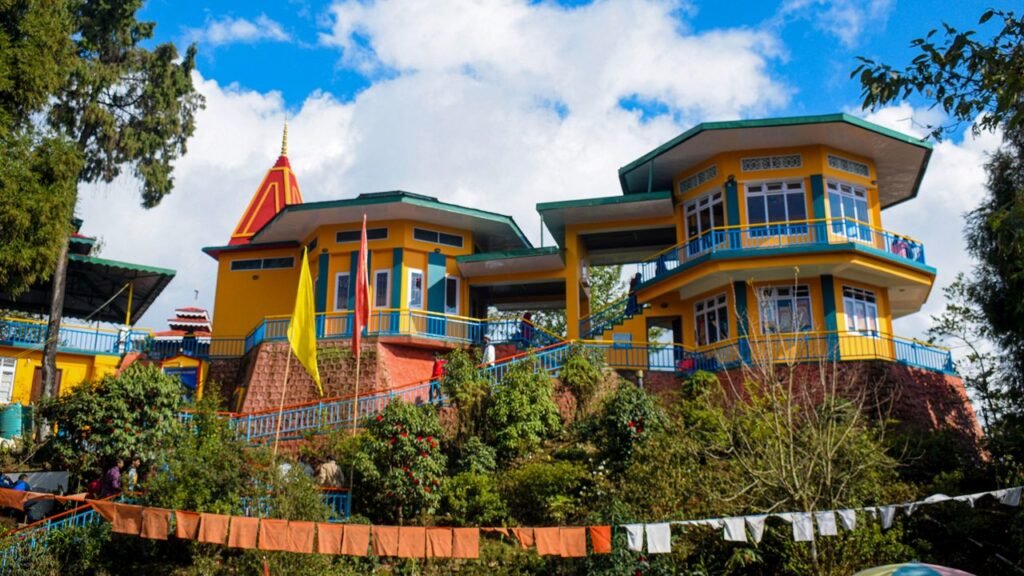
Ganesh Tok is a small hilltop shrine and popular viewpoint located above the town of Gangtok, the capital of the Indian state of Sikkim. Though modest in size, the site occupies an outsized place in the visitor imagination: it combines religious sentiment, panoramic mountain vistas and convenient access to the city, making it a staple of Gangtok itineraries. This article traces Ganesh Tok’s history, its cultural and religious significance, and the role it has played in the development of tourism in Gangtok.
To understand Ganesh Tok it helps to situate it within the broader history of Sikkim and Gangtok. Sikkim was an independent Himalayan kingdom ruled by the Namgyal dynasty for centuries. From the late 19th century into the mid-20th century the region modernized gradually; after 1975 Sikkim became the 22nd state of India, and Gangtok developed rapidly as an administrative and tourist centre.
The shrine known as Ganesh Tok is relatively modern in origin when compared with ancient temples elsewhere in India. Rather than being an archaeological monument, it is a contemporary devotional site that grew in prominence alongside Gangtok’s emergence as a hill-station destination in the 20th century. Over the decades the spot has been formalized into a small temple complex and viewpoint, blending local religious practice with the practical function of offering visitors sweeping views of the town and the Himalayan skyline.
Local narratives and popular devotion contribute significantly to Ganesh Tok’s identity. As with many small hilltop shrines, stories about the placement of the idol, the protective power of the deity, and the blessings bestowed on the town circulate among residents and pilgrims. These oral traditions, though not always documented in written archives, are part of the living history that sustains the shrine’s cultural significance.
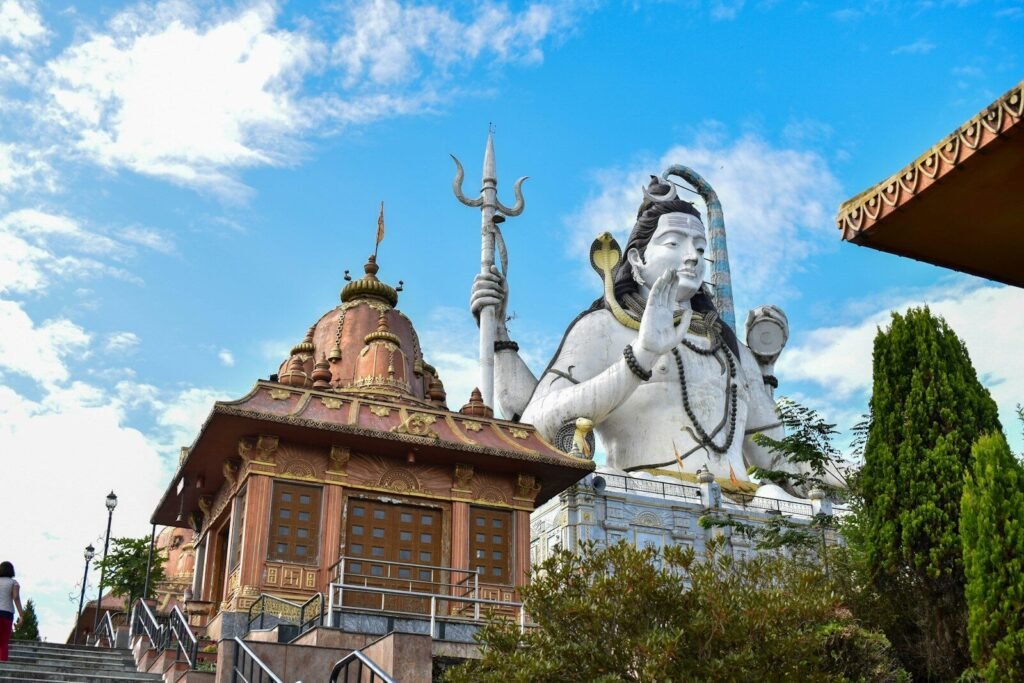
Ganesh Tok is dedicated to Lord Ganesha, the Hindu deity revered as the remover of obstacles and the god of beginnings. In a region where Buddhism and Hinduism coexist and intermingle, such shrines often serve both devotional and communal functions. Locals and visitors alike come to offer prayers, light incense and seek blessings—especially before embarking on journeys or important undertakings.
The temple’s position above Gangtok reinforces its symbolic role: placed on a ridge overlooking the town, the shrine is perceived by many as a protective presence that watches over the community and its visitors. This interweaving of sacred meaning and strategic vantage point is common to many hilltop temples across the Himalaya.
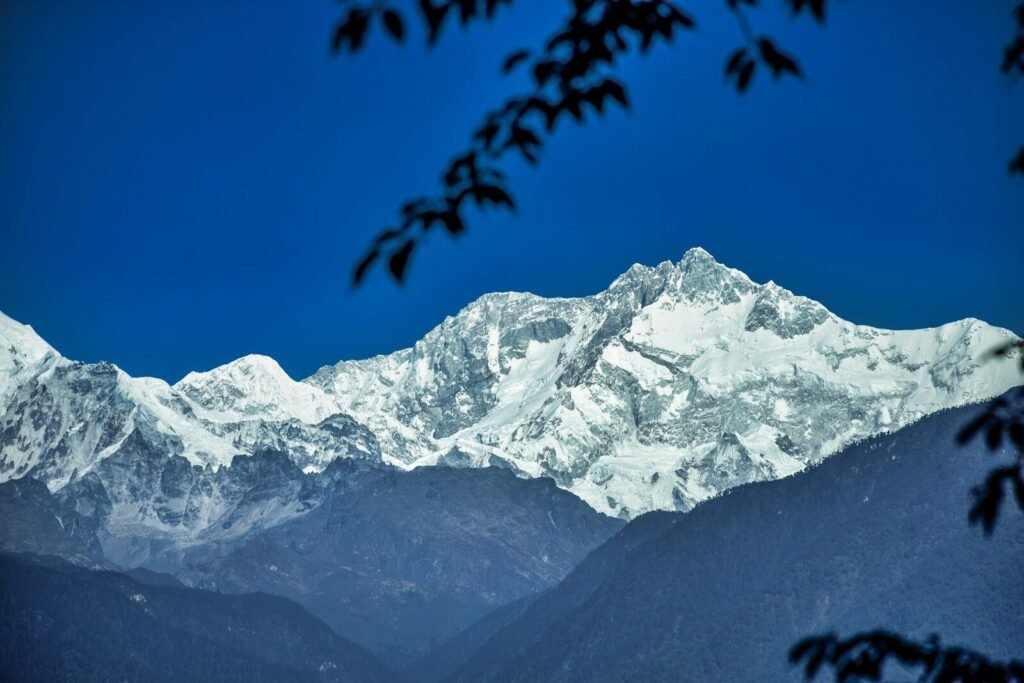
Ganesh Tok’s architecture is modest and functional rather than ornate. The complex typically consists of a small sanctum that houses the idol, a simple courtyard area for devotees, and viewing platforms. From a visitor’s perspective the principal attraction is the outlook: clear-day panoramas of Gangtok, terraced slopes and, on fortunate mornings, the snow-capped peaks of the Greater Himalaya.
Gangtok’s ascent as a tourism hub in northeast India—driven by its pleasant climate, scenic beauty and cultural attractions—created demand for easily accessible viewpoints and attractions within the town. Ganesh Tok naturally became a focal point in this network. The shrine’s proximity to main tourist areas, combined with the panoramic views it affords, made it an attractive short stop for both domestic and international travelers.
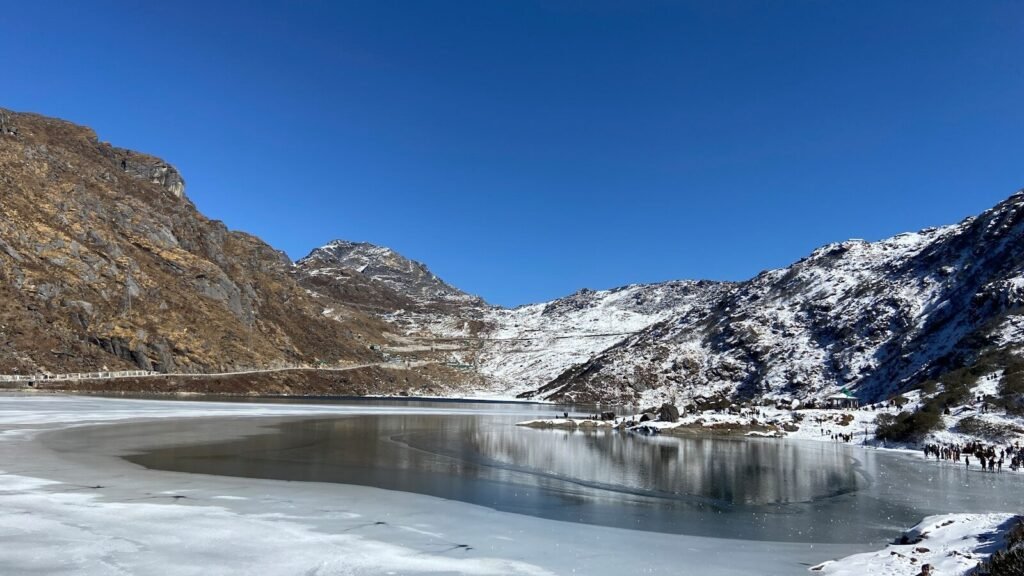
As tourism infrastructure around Gangtok improved—better roads, taxis, guesthouses and guided tours—Ganesh Tok became included in standard route itineraries: short morning or afternoon excursions that complement longer trips to places like Tsomgo Lake, Nathula Pass and the Rumtek Monastery. Its convenience made it especially popular with visitors who have limited time but want a quintessential Gangtok vista.
The steady stream of visitors contributes to the local economy in small but meaningful ways: vendors and local guides benefit; religious offerings and small donations support temple upkeep; and the site helps distribute tourist flows within the town rather than concentrating them in a single area. At the same time, increased visitation raises questions about waste management, wear on paths and the preservation of the shrine’s spiritual ambience—issues common to many small heritage sites experiencing tourist pressure.
Ganesh Tok fits naturally into short urban half-day tours of Gangtok. Nearby points of interest that are often paired with the shrine include:
As tourism continues to shape Gangtok’s economy and identity, balancing visitor access with preservation of cultural and natural assets becomes increasingly important. Key priorities for sustainable management of sites like Ganesh Tok include:
Ganesh Tok is a small but emblematic place where devotional practice, everyday life and tourism intersect. Its story is not only about the shrine itself but about Gangtok’s transformation from a quiet Himalayan town into a vibrant tourist destination. For visitors, the site offers a compact experience of Sikkim’s spiritual culture and mountain scenery; for locals, it is part of the social and religious landscape that helps define the city. Preserving the character of Ganesh Tok while accommodating tourists will remain an ongoing task for the community, local authorities and visitors alike.
Note: This article focuses on the documented social, cultural and touristic aspects of Ganesh Tok. For very specific historical dates, architectural records or detailed archaeological claims, consult local temple authorities, municipal archives or specialized regional histories of Sikkim.
What makes us different from other tour package companies
Our travel experts have core and intense knowledge about Sikkim sector with over 10 years of experience that will help you choose the best possible itinerary as per your requirements.
Our travel experts are just one call away during your tour to help you with any kind of immediate assistance so that your tour is a more enjoyable and hassle-free tour.
eSikkimTourPackages ensures best rates to all our esteemed guests since we have our own hotels and fleet of vehicles and drivers and there is no third-party involvement. This ensures personalized service and best rates.





















Kindly enter the details below for your Sikkim Tour Package