Enchey Monastery

History

Enchey Monastery, Gangtok — A Historical Overview for Tourists

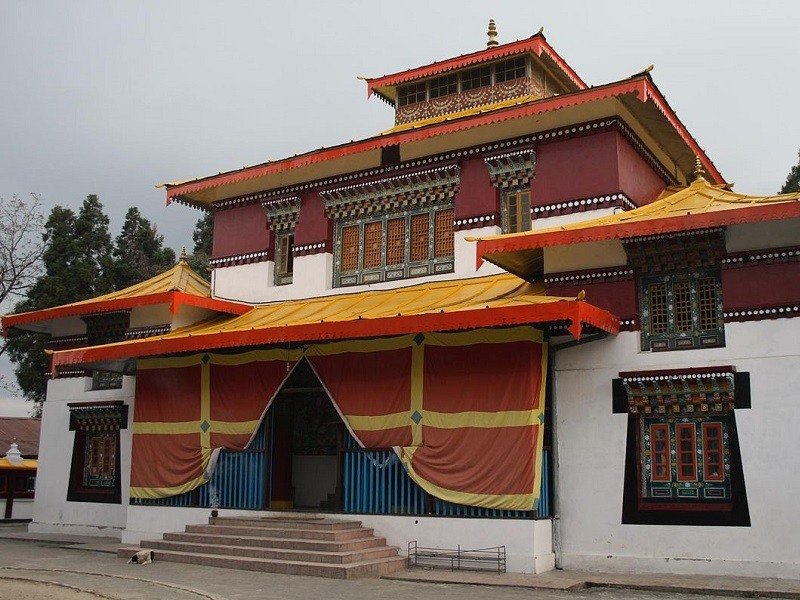
Perched on a ridge overlooking the capital city of Sikkim, Enchey Monastery (also written Enchey Gompa or Enchey Phodang) is one of Gangtok’s most atmospheric and visited spiritual sites. For tourists, it offers a compact window into Sikkim’s Buddhist traditions, spectacular mountain views (on clear days), colourful festivals and living monastic culture. This article outlines the monastery’s history, cultural importance, architecture, festivals and practical travel advice to help visitors understand and appreciate Enchey in context.

Origins and Historical Background

Enchey Monastery is traditionally regarded as more than two centuries old. Local histories and oral tradition place its foundation in the early 19th century and attribute its spiritual origins to a tantric practitioner known locally as Drupthob (a term for a realized yogin). While written documentation is limited, the monastery’s history is best understood through a mixture of legend and recorded events that link Enchey closely to the development of Gangtok as a political and religious centre.

Important historical themes connected to Enchey include:

  • Spiritual lineage: Enchey is associated with the ancient Vajrayana traditions practiced in Sikkim, reflecting Nyingma and Kagyu influences in ritual, iconography and monastic practice.
  • Royal patronage and local support: Over the 19th and 20th centuries the monastery benefited from the protection and patronage of local rulers and the devotion of lay communities in and around Gangtok.
  • Adaptive resilience: Like many Himalayan structures, Enchey has undergone repairs and restorations after damage from weather, age and occasional natural events; conservation has been an ongoing local priority.

Religious and Cultural Significance

Enchey is not only an architectural landmark but also a living religious institution. The monastery houses shrines, thangkas (religious paintings), statues and ritual objects used in daily worship and seasonal ceremonies. It is regarded locally as a protector monastery of Gangtok and its surrounding valleys, playing a role in the spiritual life of communities as well as in state and household rituals.

Guardian Deities and Rituals

The monastery’s ceremonies involve a pantheon of Buddhist protector deities and tantric practices typical of Himalayan Buddhism. Masked dances (cham) and other ritual performances staged at the monastery are seen as offerings that maintain cosmic balance, ward off misfortune and affirm communal identity.

Architecture and Setting

Enchey’s compact complex sits on a gentle, wooded hill and combines traditional Himalayan monastery elements with local architectural details. Key features visitors notice include:

  • Multi-tiered temple structure: The main shrine has multilevel prayer halls, colourful murals and carved wooden windows.
  • Chortens and prayer flags: The precinct contains chortens (stupas) and fluttering prayer flags that give the site a distinctive Himalayan ambience.
  • Intimate scale: Unlike some large monastic complexes, Enchey’s scale is intimate, allowing close observation of monastic life and rituals.

Festivals and Tourist Experience

For tourists, the monastery is most animated during festival periods when monks perform ritual dances and the precinct fills with pilgrims and local devotees. These events present an excellent opportunity to witness living tradition.

Major Celebrations and Performances

  • Pang Lhabsol and related dances: Enchey participates in the region’s seasonal festivals that honour Kanchenjunga as a protective mountain deity. Masked dances and ritual processions are highlights.
  • Losar and monastic ritual days: Tibetan New Year (Losar) and other significant religious days are observed with special pujas and gatherings.

Visitors should aim to time their trip to coincide with a festival if they wish to see cham dances and vibrant public rituals, but even on ordinary days the monastery offers calm, colorful rituals and chanting to observe.

Visitor Practicalities — A Tourist Guide

Enchey Monastery is easily accessible from central Gangtok, making it a standard stop on city sight-seeing routes. Below are practical tips for travellers.

How to Reach

  • Located a short drive or a moderate uphill walk from Gangtok’s main thoroughfares, the monastery is commonly reached by local taxi or on foot for visitors staying in the town centre.
  • The path includes steps and uneven surfaces; comfortable shoes and a moderate level of fitness are advisable.

Best Time to Visit

  • Clear weather: Winter months (November to February) and post-monsoon (October–November) often give the clearest views of the surrounding mountains.
  • Festival timings: Check local schedules for Pang Lhabsol and Losar if you want to see ritual dances and ceremonies — these dates change with the lunar calendar.

Visitor Etiquette and Practical Tips

  • Respectful behaviour: Remove shoes where requested, dress modestly, keep voices low and avoid disrupting ongoing rituals.
  • Photography: Ask permission before photographing monks, rituals or interior shrine spaces; some areas may be restricted.
  • Donations: Small donations to the monastery are welcome and help with upkeep and rituals.
  • Accessibility: The hilltop site involves steps and slopes; wheelchair access is limited. Plan accordingly.

Nearby Attractions and Integrated Sightseeing

Enchey’s location makes it a convenient stop while visiting other cultural sites in Gangtok. Nearby attractions commonly combined with an Enchey visit include:

  • Namgyal Institute of Tibetology — for Buddhist art and manuscripts.
  • Do Drul Chorten — an important stupa and meditation site.
  • MG Road and local markets — for handicrafts, cuisine and town ambience.
  • Hanuman Tok and Ridge Park — for panoramic views and short hikes.

Conservation, Challenges and Visitor Responsibility

As with many Himalayan heritage sites, Enchey faces challenges from weathering, seismic activity and the pressures of tourism. Local communities and monastic authorities have undertaken conservation and repair work over time. Tourists contribute positively by respecting the site, following guidelines and supporting responsible local enterprises.

How Tourists Can Help

  • Follow monastery rules and signs to minimize wear and disruption.
  • Support local guides and handicraft vendors to ensure economic benefits reach the community.
  • Minimize litter and avoid using plastic in the precinct; carry out what you bring in.

Conclusion

Enchey Monastery is a compact but richly resonant stop for anyone exploring Gangtok and Sikkim. Whether your interest is religious history, Himalayan architecture, festival culture or simply quiet panoramic views, Enchey offers an accessible and meaningful encounter with the living traditions of Sikkim. For the responsible tourist, a visit combines cultural insight, photographic opportunity and personal reflection against the backdrop of the Eastern Himalaya.

Further reading and resources
  • Local guidebooks and the Gangtok tourism office — for up-to-date festival dates and access information.
  • Museum and institute catalogues (Namgyal Institute of Tibetology) — for deeper context on Sikkim’s Buddhist art and monasteries.
  • Conservation reports and academic articles — for readers seeking technical or historical research on Himalayan monasteries.

Get Instant Call Back​

Which places do you want to explore in North-East?
Kindly share your above details to get Travel Plan PDF within 30 seconds on your mobile
Please wait while we are preparing customized quotes as per your requirement.

Why Choose us ?

What makes us different from other tour package companies

Best Travel Experts

Our travel experts have core and intense knowledge about Sikkim sector with over 10 years of experience that will help you choose the best possible itinerary as per your requirements.

24 X 7 On-Trip Assistance

Our travel experts are just one call away during your tour to help you with any kind of immediate assistance so that your tour is a more enjoyable and hassle-free tour.

Best Rate Guarantee

eSikkimTourPackages ensures best rates to all our esteemed guests since we have our own hotels and fleet of vehicles and drivers and there is no third-party involvement. This ensures personalized service and best rates.


Sikkim Tour Packages by Theme

Sikkim Tour From Popular Cities

Limited period offer – Sikkim tour packages at flat 50% discount. Inquire now!

Kindly enter the details below for your Sikkim Tour Package
Loading, please wait . .. ... ....