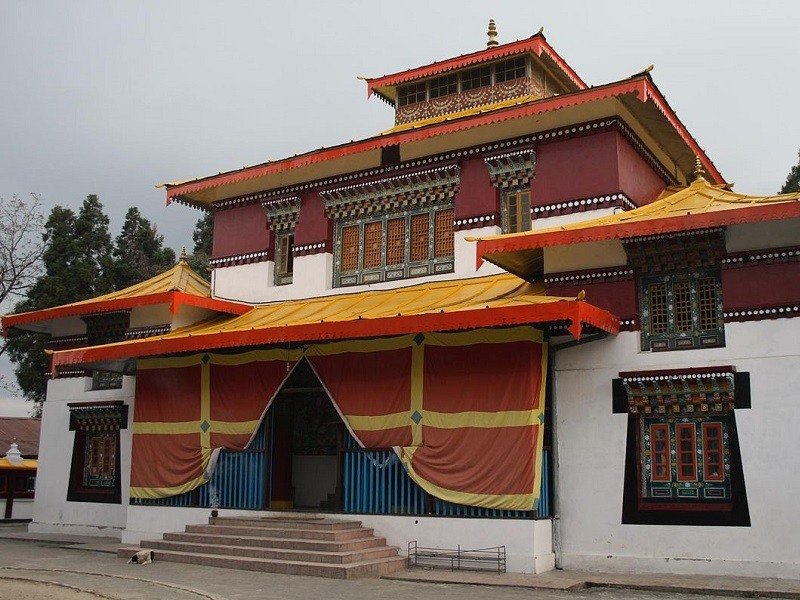
Enchey Monastery is one of Gangtok’s most visited spiritual sites. This FAQ-style guide answers practical questions tourists commonly have about visiting the monastery, plus tips on etiquette, logistics and nearby attractions.
Enchey Monastery sits on Enchey Hill, a short distance from Gangtok’s main shopping and promenade area (MG Road). It’s easily reached by a brief taxi ride (5–10 minutes) or a 15–30 minute walk depending on your pace and starting point in town.
There is no formal entry fee to visit Enchey Monastery. Donations are welcome and commonly given at the monastery to support upkeep and the monks.
The monastery is generally open during daylight hours; prayer ceremonies typically happen in the morning and sometimes in the late afternoon. There is no strict published timetable — check locally with your hotel or the monastery gatekeeper for precise timings on the day you visit.
Most visitors spend 30–60 minutes exploring the monastery, viewing the prayer hall and stupas, and enjoying the outlook. If you attend a puja (prayer) or a festival, plan for 1.5–3 hours or more.
By air: The nearest airport is Bagdogra (IXB), about 120–130 km away. From Bagdogra you can hire a private taxi or take a shared cab to Gangtok (approx. 4–5 hours by road, depending on traffic and weather).
By train: Nearest major railhead is New Jalpaiguri (NJP) near Siliguri, about 130–150 km away. From NJP you can take a shared vehicle, taxi or pre-booked car to Gangtok.
Local transport: Within Gangtok, taxis and local shared jeeps are available; Enchey is a short drive or an uphill walk from the town center.
No special permits are required to visit Enchey Monastery within Gangtok. However, foreign nationals need permits for certain restricted border areas (for example Nathula Pass or parts of North Sikkim). Always check permit rules before planning excursions beyond Gangtok.
The most pleasant times are spring (March–May) and autumn (September–November) when weather is generally clear and temperatures comfortable. Monsoon (June–August) brings heavy rains and landslide risk; winter (December–February) is cold and can be foggy but offers clearer skies on many days.
Visitors should dress modestly: cover shoulders and knees, and remove hats in prayer halls. Always take off shoes and socks if entering the main prayer hall when asked. Maintain silence or speak softly inside sacred areas and avoid touching religious objects (thangkas, statues, prayer wheels) unless invited to do so.
Photography is usually allowed around the monastery complex and exteriors, but restrictions often apply inside the main prayer hall or during rituals. Always ask permission from the monks or the attendant before using a camera inside. Avoid flash photography inside halls and during ceremonies.
During private rituals, certain pujas, or when the monastery is closed for official ceremonies, visitor access may be limited. Respect any signs or directions given by the monastery staff.
Yes. The monastery is known for traditional masked dances (cham) and ritual events tied to the Tibetan lunar calendar. These performances are among the cultural highlights. Festival dates change annually—check with local tourism offices or hotels for current schedules.
Tourists may observe public ceremonies and dances but should remain respectful, follow instructions, and avoid standing in restricted areas. Participation in rituals is generally reserved for practitioners; you may be invited to join certain simple communal customs if appropriate.
Basic facilities may be available near the monastery or at nearby shops, but amenities are limited compared to commercial areas. Plan accordingly—use facilities in town before heading up.
Enchey Monastery is located on a hill with steps and uneven paths; accessibility for wheelchairs and those with limited mobility is limited. If you require assistance, a short taxi drop-off to nearby vantage points and help from companions is recommended.
Yes, but be mindful of steep paths, steps, and narrow walkways. Keep children close, especially near ledges or crowds. Elderly visitors should avoid steep climbs if they have mobility or heart-related issues.
Enchey Monastery is both a historic monument and a living religious center. Support responsible tourism by not littering, avoiding loud behavior, and contributing modestly if you wish to support monastery upkeep. Photography and souvenir purchases can help local artisans—buy respectfully and avoid religious paraphernalia that exploit sacred symbols.
For up-to-date festival dates, guided visits and visitor information check with your hotel, the local Sikkim tourism office in Gangtok, or the Sikkim Tourism Development Corporation (STDC). Local tour operators can arrange combined sightseeing and transport.
Enchey Monastery offers a compact but rich cultural experience—combine respect, basic preparation and curiosity. Whether you have 30 minutes or a half-day, the site is a peaceful window into Sikkim’s Buddhist traditions and provides pleasant views over Gangtok.
What makes us different from other tour package companies
Our travel experts have core and intense knowledge about Sikkim sector with over 10 years of experience that will help you choose the best possible itinerary as per your requirements.
Our travel experts are just one call away during your tour to help you with any kind of immediate assistance so that your tour is a more enjoyable and hassle-free tour.
eSikkimTourPackages ensures best rates to all our esteemed guests since we have our own hotels and fleet of vehicles and drivers and there is no third-party involvement. This ensures personalized service and best rates.



















Kindly enter the details below for your Sikkim Tour Package