Nestled in the verdant hills of South Sikkim, the Borong Hot Springs near Ravangla are a quietly significant site where geological, cultural and touristic strands meet. Locally cherished for generations, the springs have begun to feature more prominently in travel itineraries as visitors to Sikkim seek authentic natural and cultural experiences beyond the better-known Buddhist circuits.
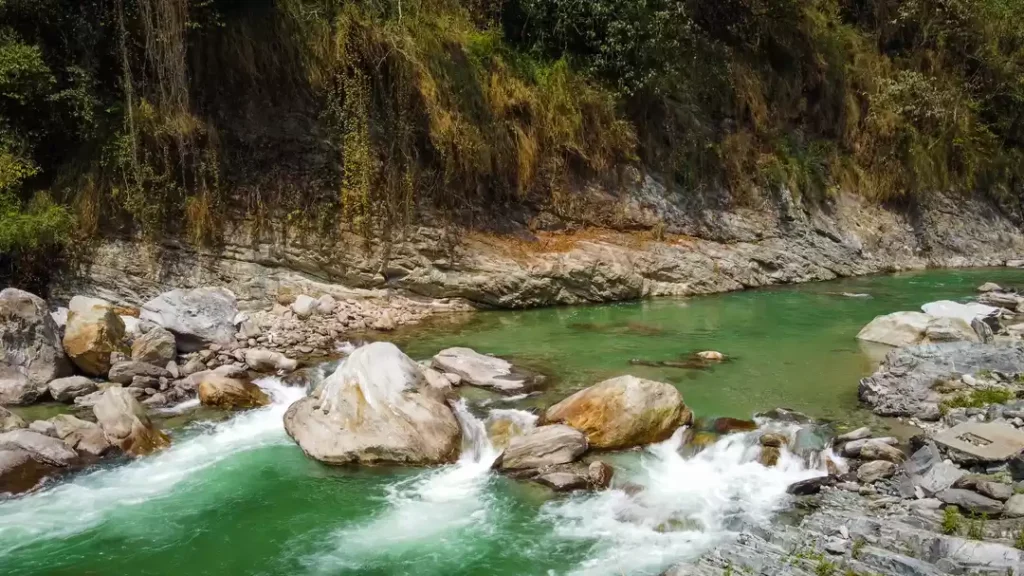
The Borong Hot Springs lie within the temperate hill environment that surrounds Ravangla, a small town that serves as a convenient base for exploring south-central Sikkim. The springs emerge where deep-seated thermal waters reach the surface, creating small bathing pools and vents amid forested slopes and terraced farmland.
Physically, the waters are typically warm to hot and often carry a faint mineral or sulphurous scent, a common trait of geothermal springs. The immediate landscape—mixed broadleaf and conifer woodland, pasture and cultivated plots—gives the site a tranquil, rural character that contrasts with developed spa destinations.
For local communities, including the indigenous Lepcha and other ethnic groups of Sikkim, hot springs like Borong have long been part of the living landscape. They are often regarded as places with special healing properties and spiritual associations. Traditional usages include ritual bathing, healing practices, and seasonal communal visits.
Such springs are woven into oral histories and local customs: rites of purification, offerings, or customary observances reflect a sense that these places straddle the physical and the sacred. These traditions contribute to the springs’ value beyond mere geology—they are also reservoirs of cultural memory.
The broader Ravangla region has long-standing Buddhist connections—monasteries and pilgrimage pathways shape regional identity—and these spiritual landscapes inform how visitors and local people approach natural sites. Although the Borong springs themselves are not primarily a monastery site, they belong to the same cultural geography where nature and religion are frequently intertwined.
Through the late 20th and early 21st centuries, as Sikkim developed its tourism infrastructure, places like Borong gradually transitioned from purely local resources to attractions for outsiders. Small-scale tourism—day trips, local guides, and community hospitality—has introduced new economic opportunities while also bringing pressures to manage visitor impacts and preserve cultural integrity.
Locally, the springs are reputed to offer therapeutic benefits—relief for skin complaints, joint pains, and general fatigue are frequently cited by traditional users. From a scientific perspective, many hot springs contain dissolved minerals (such as sulphates or carbonates) that can have mild topical effects; however, claims about curative powers should be treated cautiously and, where necessary, evaluated by health professionals.
As interest grows, sustainable planning and community involvement are crucial to preserving both the springs’ natural integrity and their cultural meanings. Key concerns include managing visitor numbers, controlling litter and erosion, ensuring safe and regulated bathing, and directing tourism revenue to local households.
Borong Hot Springs near Ravangla occupy an intimate space where geology, tradition and contemporary tourism converge. For travelers, the springs offer a quiet, restorative encounter with Sikkim’s hill landscapes and living cultural practices. For local communities, they are a potential source of sustainable livelihood—provided tourism development is carefully managed to respect cultural values and ecological limits. As Sikkim continues to balance conservation with economic opportunity, small sites like Borong demonstrate how responsible, community-centered tourism can enrich both visitors and hosts.
Visitors wishing to include Borong Hot Springs in an itinerary should contact local tourism offices or community tourism groups in Ravangla for the latest access, guidance, and seasonal considerations. Engaging a local guide enhances both safety and cultural understanding.
What makes us different from other tour package companies
Our travel experts have core and intense knowledge about Sikkim sector with over 10 years of experience that will help you choose the best possible itinerary as per your requirements.
Our travel experts are just one call away during your tour to help you with any kind of immediate assistance so that your tour is a more enjoyable and hassle-free tour.
eSikkimTourPackages ensures best rates to all our esteemed guests since we have our own hotels and fleet of vehicles and drivers and there is no third-party involvement. This ensures personalized service and best rates.


















Kindly enter the details below for your Sikkim Tour Package