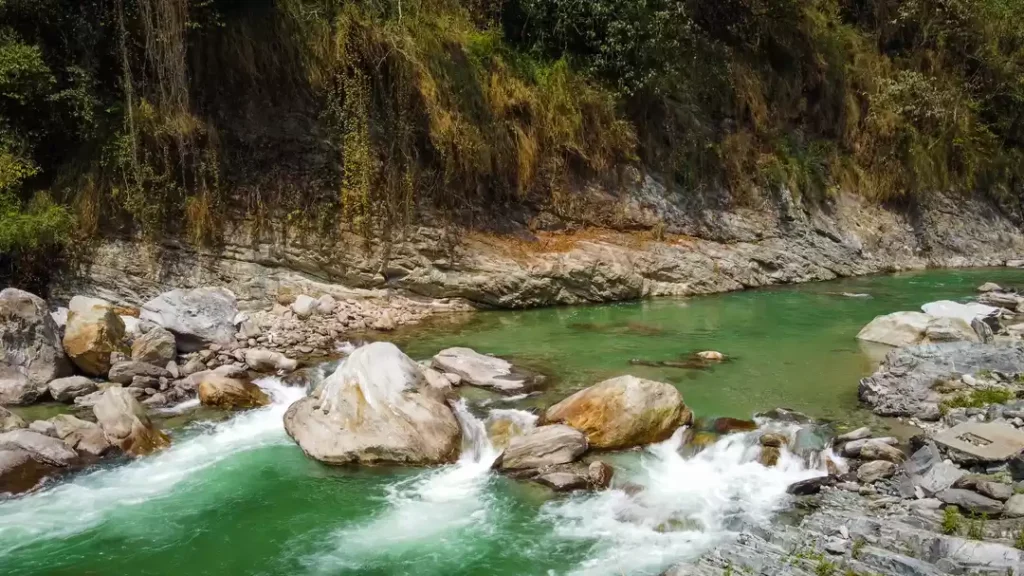
FAQs — Borong Hot Springs, Ravangla (Tourism Guide)
This article compiles frequently asked questions about Borong Hot Springs near Ravangla (South Sikkim) for tourists. It covers practical travel information, facilities, safety, local etiquette, and tips to plan a comfortable, responsible visit. Use the answers as a starting point and verify any time-sensitive details locally before you travel.
Quick facts
- Location: Borong Hot Springs are located in the Borong area near Ravangla in South Sikkim.
- Type: Natural geothermal springs used locally for bathing and believed to have therapeutic properties.
- Ideal visitors: Travellers seeking relaxation, nature lovers, and those interested in local culture and wellness tourism.
1. Where exactly are Borong Hot Springs located?
Borong Hot Springs lie in the hills around Ravangla in South Sikkim. They are accessed by road from Ravangla town and are often visited as a short excursion from Ravangla or as a stop on routes between Ravangla and other South Sikkim destinations.
Distance and travel time (approximate)
- From Ravangla: Typically a short drive (often under an hour), depending on the exact starting point and road conditions.
- From Gangtok: Several dozen kilometres; travel time can be a few hours by road.
- Nearest major transport hubs: Bagdogra Airport and New Jalpaiguri (NJP) railway station are the usual entry points for Sikkim visitors, followed by a road transfer to Ravangla.
2. How do I reach Borong Hot Springs?
Most visitors reach the springs via Ravangla. Typical onward transport options:
- By road: Hire a private taxi from Ravangla or nearby towns. Local shared taxis or jeeps may operate on the route seasonally.
- From Bagdogra/NJP: Arrange a car or taxi for a direct transfer to Ravangla and then to Borong, or go to Ravangla first and hire local transport.
- On foot: In some seasons and depending on exact location, local walking trails may connect the surrounding villages and viewpoints to the spring. Check with your hotel or local guide before attempting any trek.
3. What is the best time to visit?
The best time to visit Borong Hot Springs is during the pre-monsoon, post-monsoon and winter months when roads are typically more reliable and the weather is pleasant.
Seasonal notes
- Spring to autumn (March–November): Generally comfortable; clear views and accessible roads most of the time.
- Monsoon (June–September): Landslides and slippery roads can affect access. Expect heavy rain—check locally before traveling.
- Winter (December–February): Cold but atmospheric; hot springs are especially enjoyable in chilly weather. Roads can occasionally be impacted by snow or ice at higher elevations.
4. Are there visiting hours and an entry fee?
Visiting hours and any fees vary with local management. Many natural springs in the region have no fixed national ticketing system; some are free while others charge a modest fee for maintenance or use of bathing facilities.
Recommendation
Check locally with your hotel, local tourism office, or guides on the day of travel for current timings, any seasonal closures, and whether a nominal entry or bathing fee applies.
5. What facilities are available at the site?
Facilities at natural hot spring sites in hill regions vary widely. Expect modest, basic infrastructure in many locations.
- Public bathing pools or natural basins (may or may not have constructed pools).
- Changing rooms, simple toilets — availability varies.
- Limited or no food stalls; small local vendors may be present near popular sites.
- Parking for a few vehicles; if arriving by taxi, confirm drop-off and parking options with the driver.
Bring essentials with you: towels, dry clothes, water, sunscreen, and footwear suitable for uneven or wet ground.
6. Is it safe to bathe in the hot springs?
Bathing in hot springs can be safe and relaxing when basic precautions are taken. However, natural springs can have very hot water, bacteria, or minerals that may affect sensitive skin or medical conditions.
Safety guidelines
- Check water temperature before entering — some pockets can be very hot.
- Limit soak time (initially 10–15 minutes); prolonged exposure may cause dizziness or overheating.
- People with heart problems, high blood pressure, diabetes, pregnancy or other serious medical conditions should consult a doctor before bathing.
- Avoid submerging open cuts or wounds; natural pools may contain microbes.
- Follow any posted rules or local guidance and avoid private property without permission.
7. Are the springs believed to have therapeutic benefits?
Local belief often credits hot springs with therapeutic properties due to mineral content and warmth. Bathing can provide relaxation, relief from muscle stiffness, and temporary improvement in joint discomfort for some people.
Important note
Not a substitute for medical care: While many visitors find them soothing, hot springs should not replace professional medical treatment. If you have chronic health issues, check with a healthcare professional first.
8. Can I stay overnight near the springs?
Accommodation in the immediate vicinity may be limited. Ravangla offers a range of guesthouses, hotels and homestays where most visitors base themselves. Some smaller villages may offer homestays for a more local experience.
Suggested approach
- Use Ravangla as your base for exploring Borong and nearby attractions.
- Book accommodation in advance during peak season or festivals.
- Ask your host for trusted local transport or guides — they can help with timing and access.
9. What other attractions are nearby?
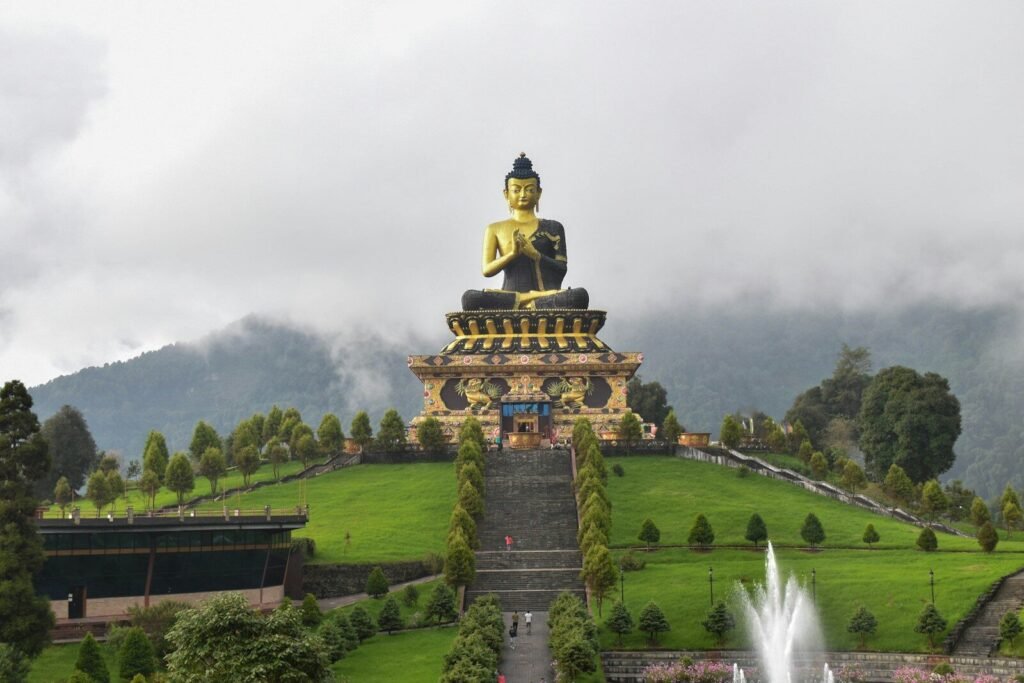
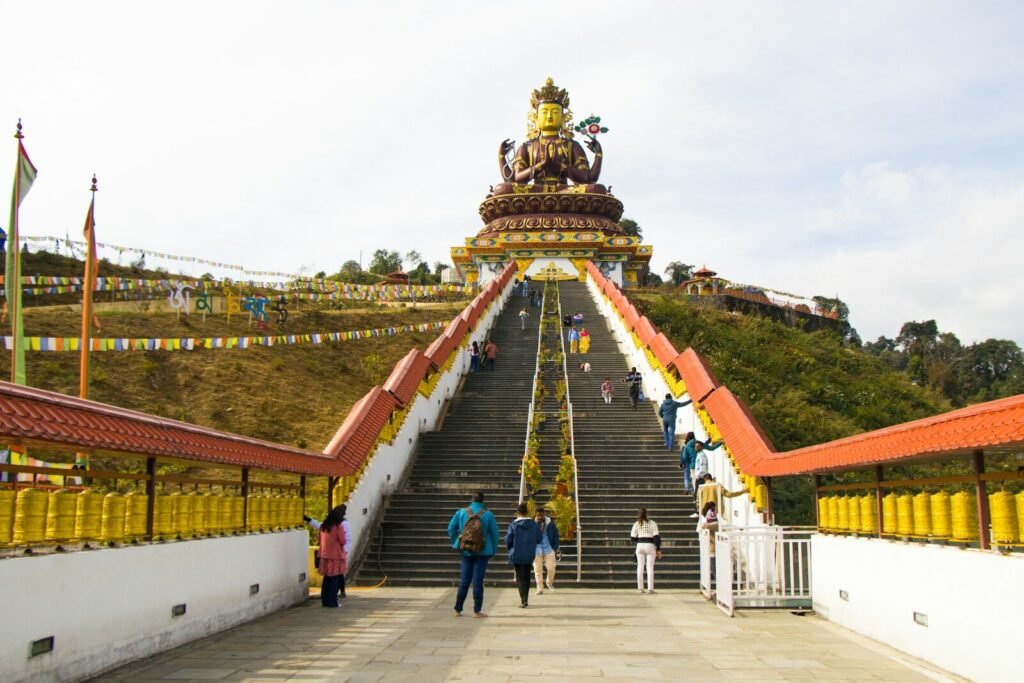
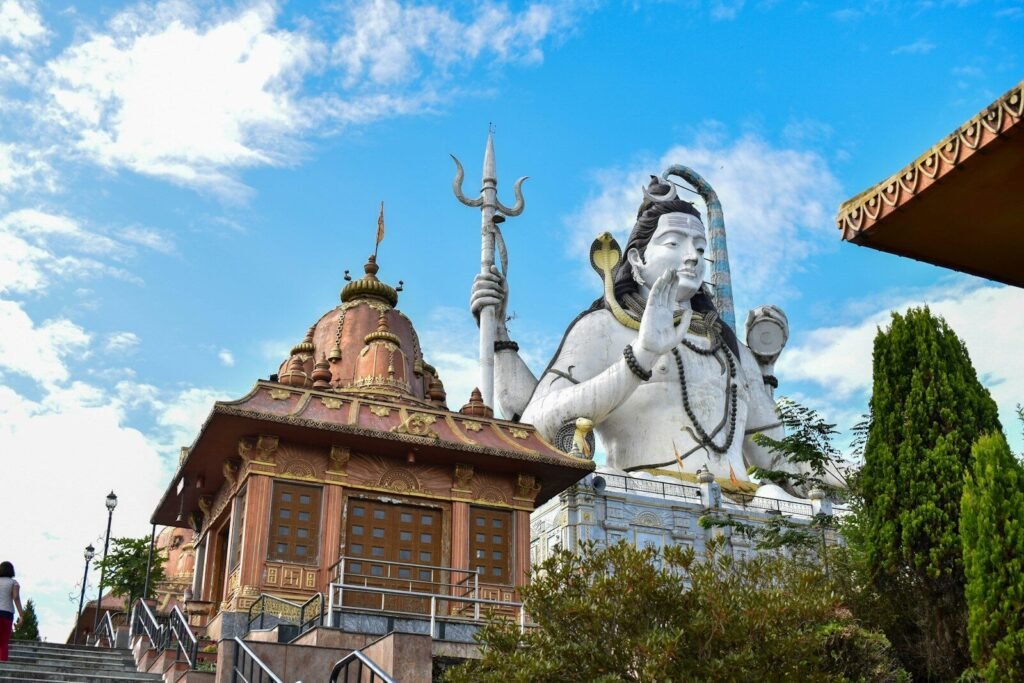
Borong Hot Springs can be combined with visits to Ravangla’s viewpoints, monasteries, nature walks and regional attractions in South Sikkim. Popular nearby activities include birdwatching, short treks, and exploring local villages.
- Ravangla town: viewpoints, local markets and cafes.
- Local monasteries and cultural sites in the region.
- Nature walks and Himalayan vistas offered around South Sikkim.
10. Do I need any permits to visit?
Most tourist visits to natural sites around Ravangla do not require special permits. However, if you plan to cross into sensitive border areas or protected zones, permits may be necessary.
Tip
Confirm with the local tourism office or your accommodation about permits for any extended trekking or travel into restricted areas.
11. Are there rules about photography or drones?
Photography of natural features is usually allowed, but respect privacy and religious or private areas. Drone use is frequently regulated and may be restricted; obtain permission if required and follow national rules on drone operation.
12. Is the site child- and elderly-friendly?
The uneven terrain, hot water, and limited facilities mean extra caution with children and elderly visitors. Supervise children at all times near water. Consider mobility and health limitations before planning a visit for older travellers.
13. What should I pack for the visit?
- Towel and a change of dry clothes.
- Non-slip footwear suitable for wet or muddy paths.
- Warm layers for higher altitude or early morning/evening visits.
- Basic first-aid supplies and any personal medications.
- Water bottle and light snacks (if local stalls are limited).
- Eco-friendly toiletries; avoid soaps or detergents in natural pools.
14. Environmental and cultural considerations
Respect the environment and local culture. Hot springs and their surroundings are often sensitive ecosystems and culturally important to nearby communities.
Responsible tourism practices
- Do not litter — carry back any trash.
- Avoid using soaps, shampoos or detergents in natural pools.
- Follow marked paths to prevent erosion and disturbance to vegetation.
- Respect local customs: dress modestly if visiting nearby villages or shrines.
- If offered local guidance or fees by residents, support them fairly — this helps local livelihoods and site upkeep.
15. Are there guided tours available?
Local guides and drivers often run short excursions to hot springs from Ravangla. A guided visit can simplify transport logistics, ensure safety, and provide cultural context.
How to find guides
- Ask your hotel or homestay for reputable local guides.
- Use local tourism offices or registered guide services where available.
16. What are common visitor mistakes to avoid?
- Assuming all springs are safe for long soaks — always check water temperature and follow posted advice.
- Using soaps or chemicals in natural pools.
- Not checking weather or road conditions during monsoon or winter seasons.
- Missing local customs—many springs have cultural or religious significance.
17. Sample half-day itinerary (from Ravangla)
- Morning: Depart Ravangla after breakfast and drive to Borong Hot Springs.
- Late morning: Arrive, check facilities, enjoy a short soak and explore the immediate surroundings.
- Lunch: Return to Ravangla or stop at a local tea stall en route.
- Afternoon: Visit a nearby viewpoint, monastery or local market before returning to your accommodation.
18. Who should I contact for up-to-date information?
For current access, timing and safety updates, contact:
- Your hotel or homestay host in Ravangla.
- The nearest local tourism office or district administration.
- Registered local guides or drivers familiar with the Borong route.
19. Final tips
- Verify details locally: Road, weather and facility conditions in hill regions change—confirm before travel.
- Travel insurance: Recommended for unforeseen delays, medical needs or transport issues.
- Respect and support local communities: Buying local products and using local services helps sustain the area.
Further reading and preparation
Before you go, research regional weather, road conditions and health advisories. If in doubt about medical risks, consult a healthcare professional about the suitability of bathing in hot springs for your personal health.
Closing
Borong Hot Springs offer a memorable experience for visitors to Ravangla and South Sikkim — combining natural relaxation with scenic Himalayan surroundings. With simple planning, respect for local rules and awareness of safety and environmental guidelines, you can enjoy a rewarding visit. Safe travels!