Best Time to Visit Borong Hot Springs, Ravangla — A Tourism Guide
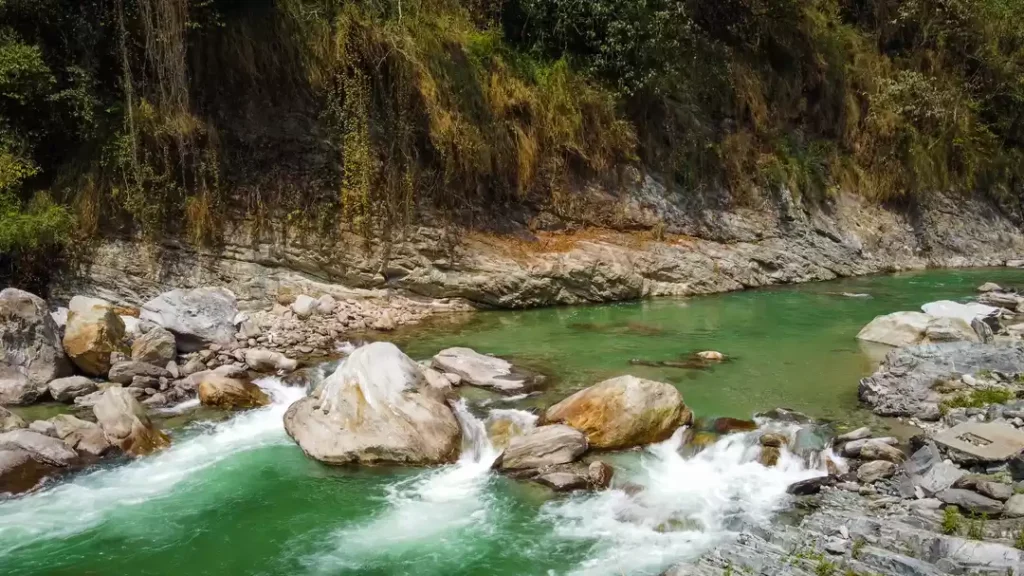
Borong Hot Springs, near Ravangla in South Sikkim, is a peaceful mountain retreat known for naturally warm, mineral-rich waters set against panoramic Himalayan scenery. Choosing the right time to visit affects what you will see and how comfortably you can enjoy the springs, surrounding trails and nearby cultural attractions. This guide explains seasonal pros and cons, month-by-month advice, travel tips, packing suggestions and practical safety and etiquette notes to help you plan the perfect trip.
Why timing matters
Weather, accessibility, visibility of Himalayan views, flowering seasons and local festivals all influence the visitor experience at Borong Hot Springs. Because Ravangla is a mid-hill destination, conditions change significantly through the year: winters are crisp and ideal for steaming dips, monsoon brings heavy rain and limited mobility, while spring and autumn offer comfortable weather and clear skies for sightseeing and photography.
Overview of seasons
- Spring (March–May): Most visitors’ favorite—mild days, rhododendron bloom and good road conditions.
- Summer/Monsoon (June–September): Warm and wet—lush greenery but frequent rain, washed-out trails and landslide risk.
- Autumn (October–November): Clear skies, stable weather and spectacular Himalayan views—another excellent period.
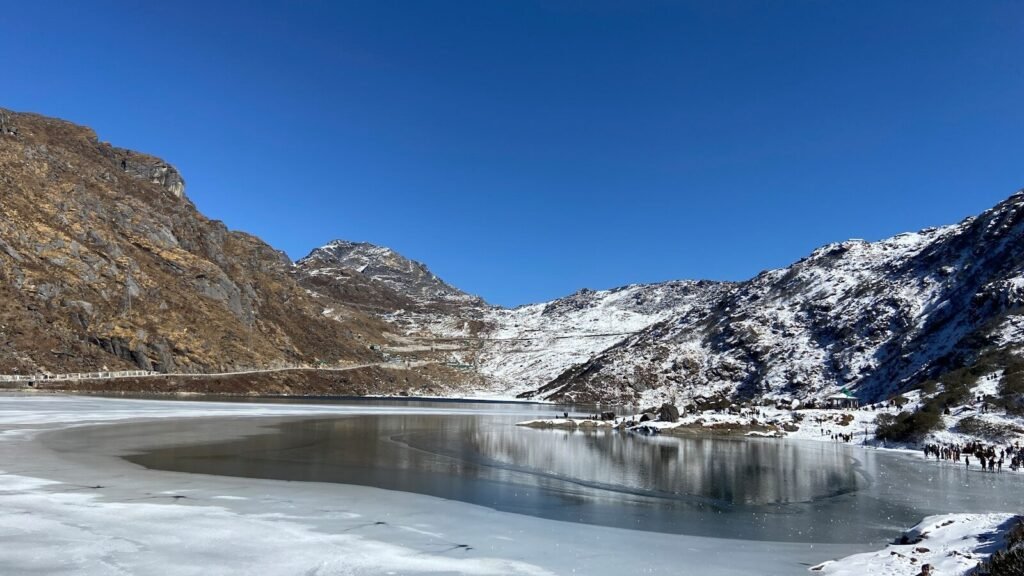
- Winter (December–February): Cold with occasional snowfall—magical, quieter and very pleasant for hot-spring bathing if you dress warmly.
Best overall months to visit
- March to May — Top recommendation for comfortable weather, blooming rhododendrons and lively local life.
- October to November — Equally recommended for clear mountain vistas, festivals and stable weather.
Why spring (Mar–May) is ideal
Spring brings warmer days, fresh air and the region’s famous rhododendron and magnolia blooms, making treks and drives especially attractive. Trails to viewpoints and nearby monasteries are usually open, and the hot springs are enjoyable after a day of sightseeing.
Why autumn (Oct–Nov) is ideal
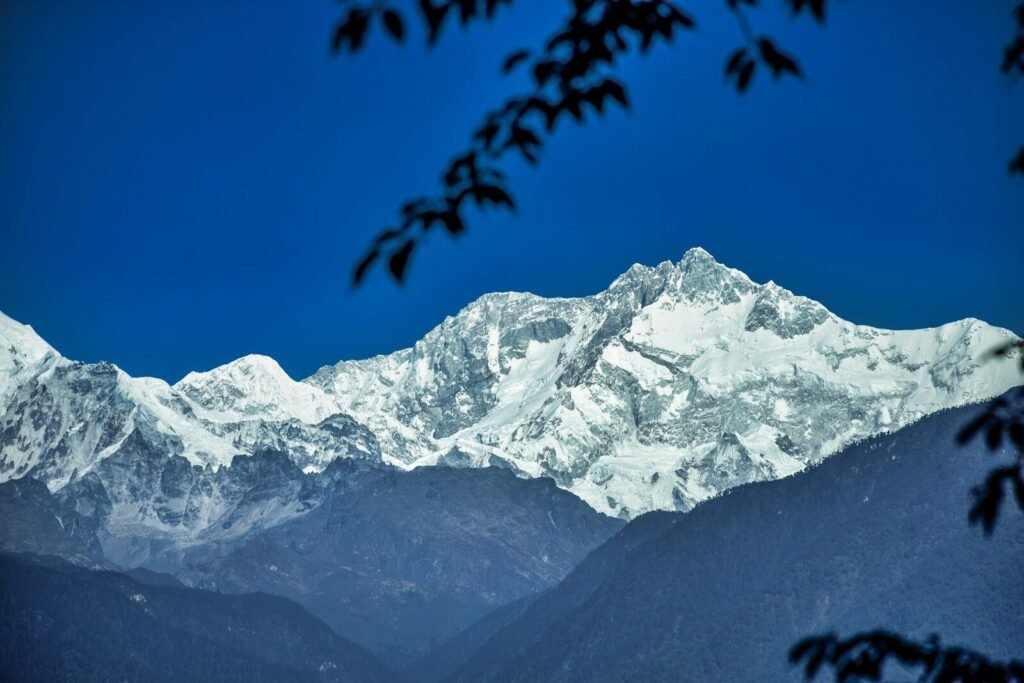
After the monsoon clears the dust and clouds, autumn offers the clearest Himalayan panoramas. Cooler but stable weather, combined with several regional festivals and harvest activities, provides an excellent cultural and photographic experience.
When to avoid
- Peak monsoon (June–September) — Frequent heavy rains, slippery roads and possible temporary closures make travel unpredictable.
- Unstable weather windows — Avoid times when the local administration issues warnings for landslides or roadblocks; always check recent local reports before planning.
Month-by-month guide
January – February (Winter)
Conditions: Cold, crisp air; occasional snowfall at higher elevations. Atmosphere: Very quiet, fewer tourists.
- Pros: Quiet, serene experience; steaming hot springs feel particularly pleasant in cold weather.
- Cons: Some roads or higher trails may be icy; nights are very cold—pack warm clothing.
- Best for: Travelers who enjoy solitude, winter photography and cozy hot-spring dips.
March – May (Spring)
Conditions: Mild days, flowering season for rhododendrons and many mountain plants.
- Pros: Pleasant hiking, good visibility, lively nature and comfortable temperatures.
- Cons: Popular season—book accommodation in advance on long holiday weekends.
- Best for: Nature lovers, trekkers, photographers and families.
June – September (Monsoon)
Conditions: Warm to humid with frequent rainfall; rivers swell and trails can be muddy.
- Pros: Lush, emerald landscapes and fewer visitors.
- Cons: High chance of landslides and road disruptions; limited visibility and slippery approaches to the springs.
- Best for: Travelers willing to accept weather-related uncertainty and who want quiet surroundings.
October – November (Autumn)
Conditions: Stable weather, crisp air and clear skies revealing Himalayan ranges.
- Pros: Best visibility for mountain views, comfortable temperatures and cultural events.
- Cons: Pleasant but can be busier during festival periods—plan ahead.
- Best for: Photographers, sightseers and culturally curious visitors.
Daily timing at the hot springs
- Early morning: Cool air and rising steam make for dramatic photos and a restorative soak, but mornings can be foggy in shoulder seasons.
- Late afternoon to evening: Comfortable temperatures and a relaxing end-of-day soak—best in winter when the temperature difference enhances the experience.
- Midday: Warmer air reduces steam but provides pleasant bathing conditions in cooler months.
How to reach Borong Hot Springs (practical logistics)
Borong Hot Springs are accessed via Ravangla (also spelled Ralang/Ravangla), a hill town that serves as the common base. Typical access routes are by road from Sikkim’s main transit hubs. Travelers generally reach Sikkim via Bagdogra Airport or New Jalpaiguri (NJP) railway station, and then travel by taxi or shared vehicle to Ravangla.
- From the nearest major transport hubs: Expect a road journey of several hours (time varies depending on exact origin, road conditions and weather).
- Local transport: Taxis, private vehicles and local buses operate to Ravangla; onward local transport or short hikes lead to the springs.
- Road conditions: Mountain roads can be narrow and winding; travel times increase in monsoon and winter. Always allow extra time and consider hiring experienced local drivers.
Where to stay
Ravangla and nearby settlements offer guesthouses, homestays, small hotels and a few mid-range lodges. Staying in Ravangla provides easy access to the hot springs, monasteries and viewpoints. If you prefer quieter surroundings, look for homestays closer to Borong village for a more authentic local experience.
What to pack
- All seasons: Comfortable walking shoes, sunscreen, sunglasses, a reusable water bottle and basic personal meds.
- Spring/Autumn: Light layers, a windproof jacket, a warm sweater for evenings and a light rain jacket.
- Monsoon: Waterproof jacket, quick-dry clothing, waterproof footwear and insect repellent.
- Winter: Warm insulated jacket, thermal layers, woolen hat, gloves, and sturdy footwear with good grip.
- Hot-spring essentials: Swimwear or modest bathing clothes if required, a quick-dry towel, flip-flops, and biodegradable/eco-friendly soap if bathing in designated areas that allow it (always check local rules).
Etiquette, safety and health tips
- Respect local customs: Dress modestly, ask before taking photos of people or religious sites, and follow any posted signs at springs or temples.
- Hot-spring safety: Test the water temperature first and avoid prolonged submersion; those with heart conditions, high blood pressure, pregnancy or skin issues should consult a doctor before bathing.
- Environment: Don’t litter, avoid using detergents in natural pools and follow leave-no-trace principles.
- Road safety: Carry a basic first-aid kit, travel with permits if required, and avoid night travel on mountain roads when possible.
- Local advisories: Check with local tourism offices or your accommodation for real-time info about roadblocks, landslides or closures during monsoon and heavy snowfall periods.
Nearby attractions to combine with a visit
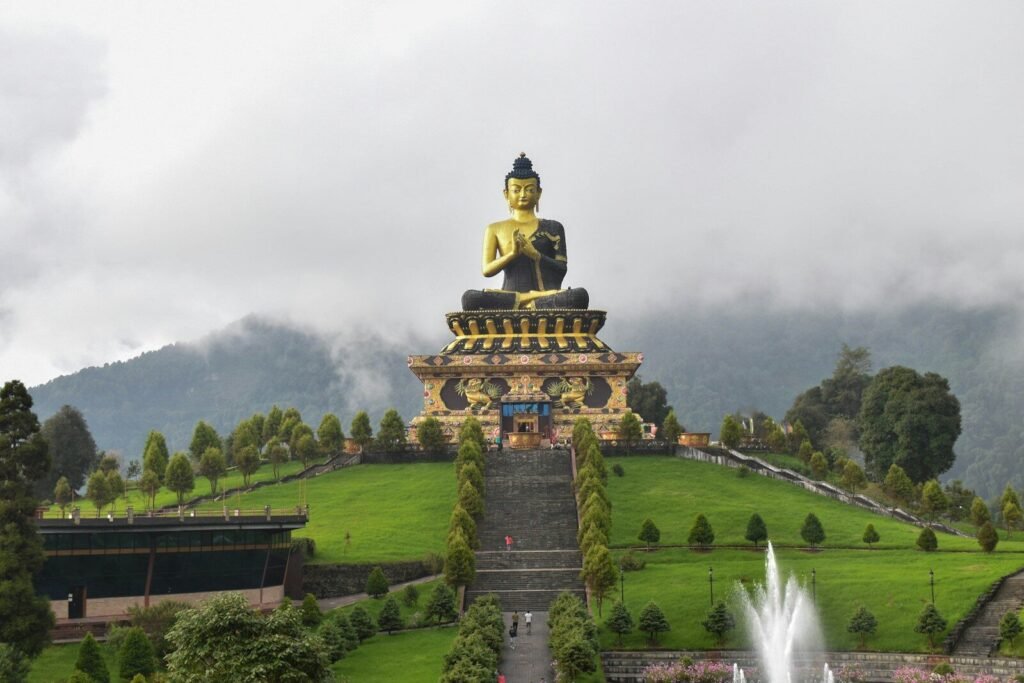
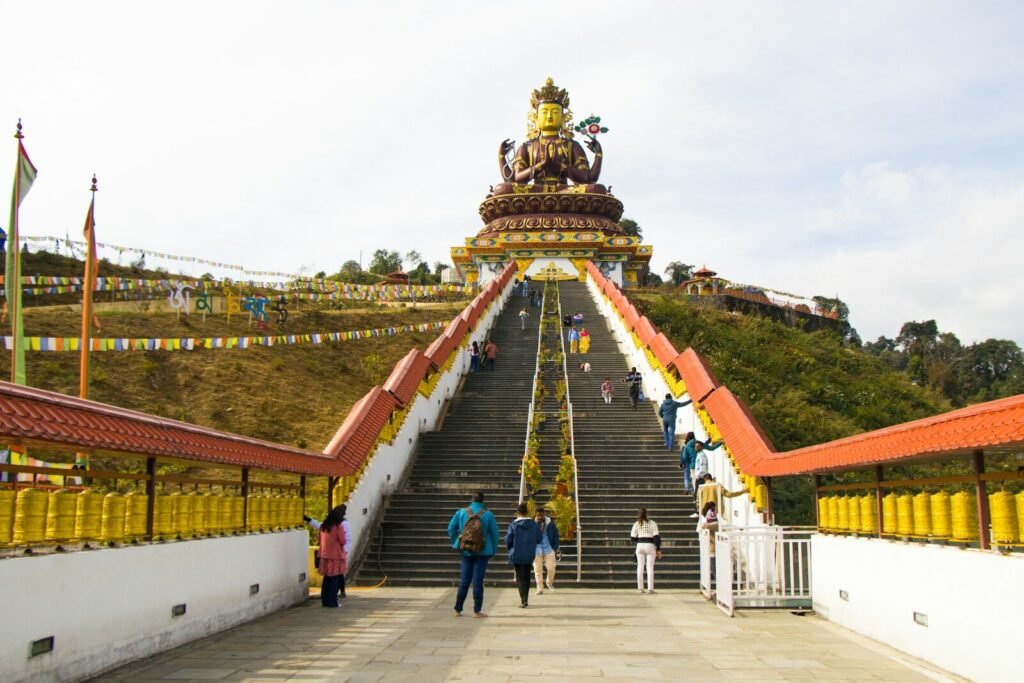
- Ravangla/Buddha Park — for panoramic views and the large Buddha statue
- Ralang Monastery — cultural and spiritual insights into local Buddhist traditions
- Maenam Wildlife Sanctuary — for short treks and birdwatching
- Picturesque villages and local markets — experience Sikkimese hospitality and cuisine
Suggested short itineraries
One-day visit from Ravangla
- Morning: Drive or hike to Borong Hot Springs and enjoy a morning soak.
- Afternoon: Visit Ralang Monastery and local viewpoints.
- Evening: Return to Ravangla for dinner and a sunset viewpoint.
Two-day trip
- Day 1: Arrive at Ravangla, short acclimating walk, sunset at Buddha Park.
- Day 2: Early visit to Borong Hot Springs, mid-day local lunch, afternoon visit to Maenam Sanctuary or village exploration.
Photography tips
- Capture steam rising from the pools in cold mornings or evenings for dramatic shots.
- Use clear autumn days for sweeping Himalayan panoramas; spring offers colorful foregrounds with flowering rhododendrons.
- Bring a lightweight tripod and neutral-density filter if you plan long-exposure streams or waterfall shots.
Final recommendations
For most travelers, March to May and October to November are the best times to visit Borong Hot Springs—these windows deliver comfortable weather, excellent visibility and the richest cultural and natural experiences. If you prefer solitude and don’t mind the cold, winter visits provide a special quiet charm and an especially restorative hot-spring soak. Avoid the peak monsoon months if you want predictable travel and easy access.
Plan ahead, check local advisories, respect the environment and local customs, and you’ll enjoy one of Sikkim’s most relaxing and scenic natural attractions.