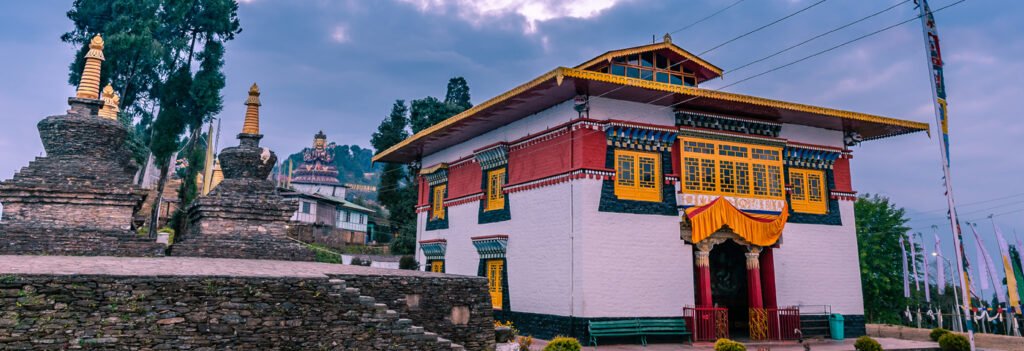
Sangachoeling Monastery is one of Pelling’s quietly majestic Buddhist monasteries, set among rhododendron and pine forests with sweeping views of the Himalaya. This guide highlights meaningful activities, practical tips and nearby attractions so you can plan a rich visit — whether you have a few hours or a full day.
The monastery combines spiritual atmosphere, traditional Buddhist art and close access to nature. Visitors come to experience serene prayer rituals, admire religious murals and thangkas, capture Himalayan panoramas and walk tranquil forest trails. For travellers interested in culture, photography, short treks and contemplative experiences, Sangachoeling is an excellent stop while based in Pelling.
One of the most rewarding experiences is sitting quietly and observing a puja (prayer ceremony). The chanting, musical instruments and saffron-robed monks create a meditative ambiance. If you can, arrive with a little time before the service to settle and show respect for the ritual.
Wander the courtyard and prayer halls to appreciate traditional Himalayan Buddhist architecture and painted interiors. Look for intricate woodwork, carved doorways and colorful murals that depict Buddhist stories and deities.
Many small monasteries preserve old thangkas (religious scroll paintings), ritual objects and murals. Take time to examine these details — they reveal local religious practice and artistic styles. Remember to ask before photographing valuables and interior art.
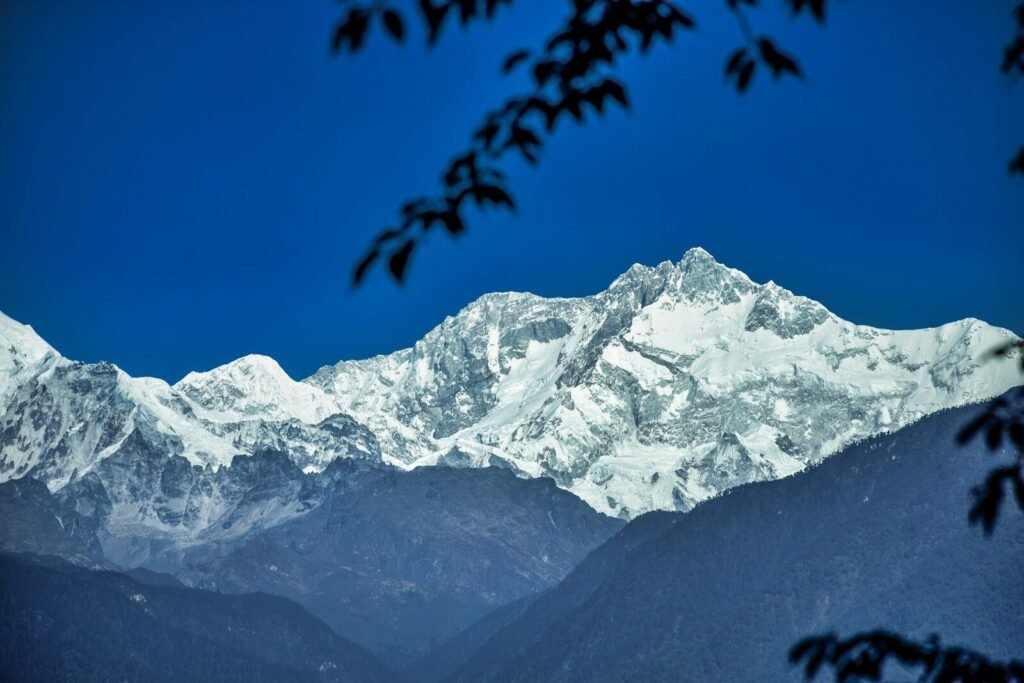
On clear days, Sangachoeling offers beautiful outlooks toward ranges that include parts of the Kanchenjunga massif. Sunrise and early morning commonly provide the clearest light and best views. Use a telephoto lens for mountain detail and a wide-angle lens for composition with the monastery foreground.
Trails around the monastery wind through rhododendron and conifer forests. These are pleasant for gentle hikes, nature walks and birdwatching — look for sunbirds, flycatchers and local Himalayan species. Wear comfortable footwear and carry water.
Occasionally the monastery or resident lamas may welcome visitors to join short meditation sessions or offer informal teachings. If you are interested, ask politely at the monastery office or through your guesthouse to check availability.
Monks are usually approachable and may share simple stories of monastery life. Be mindful of timing and avoid interrupting prayers. Small donations toward monastery upkeep are appreciated and often accepted discreetly.
Make Sangachoeling one stop on a half- or full-day circuit that can include Pemayangtse Monastery, Rabdentse Ruins, Khecheopalri Lake and local viewpoints. This helps you experience a broader slice of West Sikkim’s culture and landscape.
Pelling is well connected by road to Siliguri/Bagdogra and the New Jalpaiguri (NJP) railway station. From Pelling town the monastery is typically a short drive or walk uphill; local taxis, shared jeeps or hotel staff can arrange transfers. Check with your accommodation for the best local approach, as trails and access points vary.
Most monasteries allow visitors during daylight hours; morning and early evening pujas are the key times for spiritual activity. There may be a small donation box or suggested entrance donation for upkeep. Confirm local timings with your hotel or the monastery caretakers.
The monastery sits on a hillside; expect steps and uneven paths. It’s not fully wheelchair accessible. Wear comfortable, sturdy shoes for walking, carry water, and be prepared for cooler temperatures at altitude. Check local weather before setting out and plan extra travel time during the monsoon season.
Carry a form of photo ID (passport for foreign visitors and government ID for Indian nationals). Rules on permits can change — especially for foreign visitors in certain border districts of Sikkim — so check current travel advisories and local tourism offices before you go.
Sangachoeling and its surroundings are very photogenic. For respectful photography:
Pelling town has a range of guesthouses, hotels and small restaurants serving Nepali, Sikkimese and Indian cuisine. Staying in Pelling makes it easy to reach Sangachoeling for sunrise or sunset visits; ask your accommodation to arrange local guides or transfers if needed.
Plan your visit during clear-weather months for the best mountain views, arrive with an attitude of quiet respect, and consider combining Sangachoeling with a half-day cultural route in West Sikkim. By balancing spiritual curiosity with responsible travel practices, you’ll leave with meaningful memories of this peaceful Himalayan monastery.
Local conditions, opening times and access rules can change. Before travel, confirm details with your hotel, local tourism office or an official Sikkim tourism source to ensure up-to-date information.
What makes us different from other tour package companies
Our travel experts have core and intense knowledge about Sikkim sector with over 10 years of experience that will help you choose the best possible itinerary as per your requirements.
Our travel experts are just one call away during your tour to help you with any kind of immediate assistance so that your tour is a more enjoyable and hassle-free tour.
eSikkimTourPackages ensures best rates to all our esteemed guests since we have our own hotels and fleet of vehicles and drivers and there is no third-party involvement. This ensures personalized service and best rates.
























Kindly enter the details below for your Sikkim Tour Package