Samdruptse Hill

Best time to visit

Best Time to Visit Samdruptse Hill, Namchi — A Tourist Guide

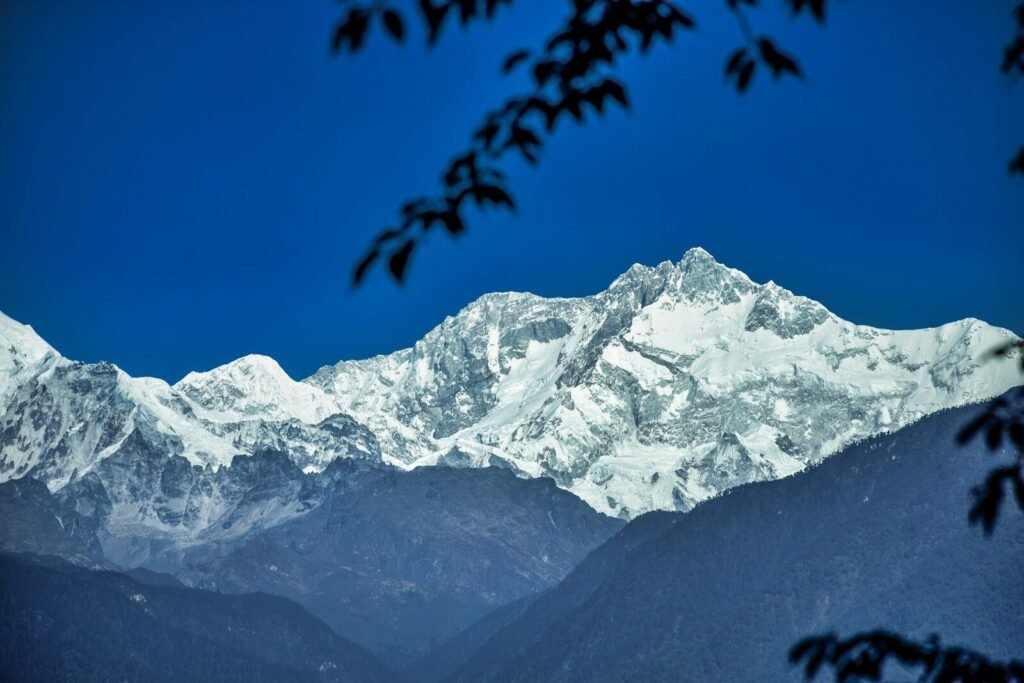
Samdruptse Hill in Namchi, South Sikkim, is best known for its imposing statue of Guru Padmasambhava, panoramic views of the Himalaya (including Kanchenjunga on clear days), and the serene Buddhist ambiance. Choosing the right time to visit can make the difference between misty silhouettes and crisp, sweeping mountain vistas. This guide breaks down seasons, month-by-month recommendations, travel tips, packing lists, and local considerations so you can plan an ideal trip.

Location and Significance

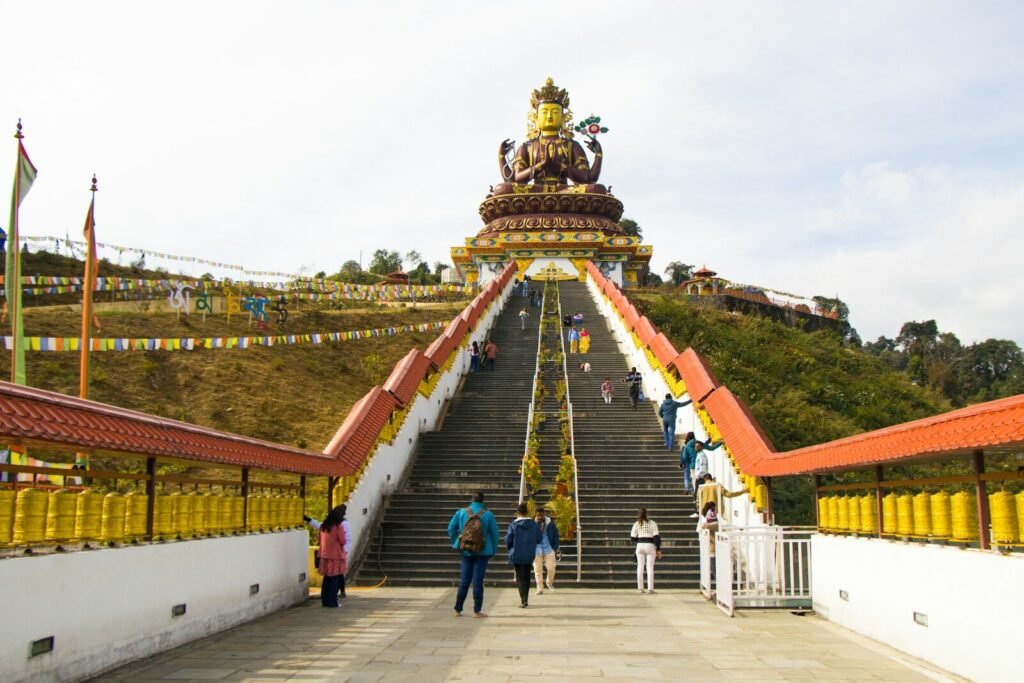
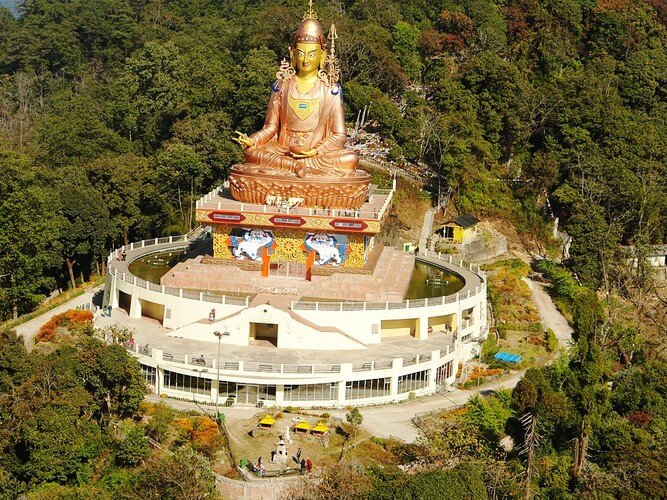
Samdruptse Hill overlooks Namchi town and hosts a large gilded statue of Guru Rinpoche (Padmasambhava) surrounded by 108 stupas and prayer wheels. It is a prominent pilgrimage and tourist spot, offering views over terraced valleys, tea gardens, and distant snow-capped peaks. The site is accessible by road and is often combined with visits to nearby attractions like the Namchi skywalk, Tendong Hill, and Temi Tea Garden.

Climate and Seasons — What to Expect

The climate around Samdruptse is temperate to cool, with significant variation between seasons. Weather and road conditions largely determine the quality of views and visitor comfort.

Spring (March – May)

  • Pros: Mild, pleasant temperatures; rhododendrons and wildflowers begin to bloom; generally clearer skies as winter fog lifts.
  • Cons: Occasional pre-monsoon showers later in May.
  • Ideal for outdoor sightseeing, gentle walks, and photography.

Monsoon / Early Summer (June – August)

  • Pros: Lush green landscapes, dramatic waterfalls, fewer tourists.
  • Cons: Heavy rains, slippery roads, occasional landslides and poor visibility; some viewpoints may be shrouded in clouds.
  • Suitable for visitors who don’t mind rain and prioritize greenery over mountain views.

Autumn (September – November)

  • Pros: Clear skies, crisp air, excellent trekking and panoramic mountain views; pleasant daytime temperatures.
  • Cons: Nights can be cool; autumn foliage is subtler than spring blooms.
  • Often the best overall season for clear vistas and outdoor activities.

Winter (December – February)

  • Pros: Quiet, fewer crowds; dramatic mist and moody landscapes on some days.
  • Cons: Cold temperatures, mornings may be foggy or overcast reducing visibility; higher-altitude areas may receive snow.
  • Good for travelers prepared for cold and seeking solitude rather than guaranteed mountain-view photography.

Best Time to Visit — Month-by-Month Recommendations

  • March–April: Excellent—spring blooms, pleasant days, improving visibility.
  • May: Good—warm days, but occasional pre-monsoon showers begin late in the month.
  • June–August: Monsoon—visit only if you prefer lush scenery and are ready for rain-related travel disruptions.
  • September–November: Best—post-monsoon clear skies and superb mountain views, especially October–November.
  • December–February: Visit if you enjoy cold, quiet conditions; pack warm layers and expect variable visibility.

Why Choose Spring or Autumn?

Spring brings flowering rhododendrons and comfortable temperatures ideal for walking the stupas and nearby trails. Autumn follows the monsoon cleanup and offers the clearest views of Kanchenjunga and the surrounding ranges, making it the top pick for photographers and first-time visitors.

Local Festivals and Events

Religious and cultural festivals enhance the travel experience. Visiting during a Buddhist festival or local event lets you witness traditional rituals, prayer ceremonies, and regional hospitality. Keep in mind that festival dates follow lunar calendars and vary year to year; if a festival is a priority, check the current year’s calendar when planning.

What to Pack

  • Layered clothing (light fleece, windproof jacket, and a warmer layer for mornings/evenings)
  • Waterproof rain jacket and quick-dry clothing (especially in monsoon months)
  • Comfortable walking shoes with good grip
  • Sunscreen, sunglasses, and a hat (sun can be strong at altitude)
  • Basic first-aid kit, any prescription medicines, and altitude-appropriate precautions
  • Camera, extra batteries/power bank, and binoculars for mountain viewing

Things To Do at Samdruptse

  • Walk the complex and circumambulate the 108 stupas while spinning prayer wheels
  • Visit the massive Guru Padmasambhava statue and nearby shrine areas
  • Enjoy panoramic viewpoints for sunrise or late afternoon light
  • Combine with visits to Namchi town, Temi Tea Garden, Tendong Hill, and local monasteries
  • Shop for Buddhist artifacts, local handicrafts, and Sikkimese tea

Photography Tips

  • Shoot early morning or late afternoon for softer light and greater chance of clear skies.
  • Use a polarizing filter to reduce haze and deepen blue skies on clear days.
  • Include the stupas or foreground elements (prayer flags, mani walls) to add context to mountain shots.
  • During monsoon, look for dramatic cloud formations and waterfalls for moody compositions.

Travel and Accessibility

Samdruptse is reachable by road from major transport hubs. The nearest airports and railway stations in the plains connect to Sikkim by road; travel time up the mountains varies depending on traffic and road conditions. During monsoon months, always allow extra time for delays and check local travel advisories.

Accommodation and Nearby Attractions

  • Namchi and nearby towns offer guesthouses, hotels, and homestays—book in advance during peak seasons (spring and autumn).
  • Nearby attractions: Temi Tea Garden (tea tours), Tendong Hill (short hikes), local monasteries and viewpoints.
Health & Safety Tips
  • Carry sufficient water and stay hydrated—altitude and walking can increase exertion.
  • Inform someone of your travel plans if exploring trails or quieter viewpoints alone.
  • Respect local customs at religious sites: dress modestly, remove shoes where required, and ask before photographing people or ceremonies.
  • During monsoon, avoid risky drives after heavy rain; landslides and roadblocks can occur.

Conclusion

If you want the clearest mountain vistas and the most comfortable sightseeing conditions, plan your trip to Samdruptse Hill for the post-monsoon autumn months (September–November) or the spring period (March–May). These windows offer the best combination of pleasant weather, good visibility, and accessible roads. If you prefer lush green landscapes and fewer tourists, the monsoon can be rewarding but requires flexibility. Whatever season you choose, respect the religious character of the site, dress appropriately, and prepare for variable mountain weather to make the most of your visit.

Get Instant Call Back​

Which places do you want to explore in North-East?
Kindly share your above details to get Travel Plan PDF within 30 seconds on your mobile
Please wait while we are preparing customized quotes as per your requirement.

Why Choose us ?

What makes us different from other tour package companies

Best Travel Experts

Our travel experts have core and intense knowledge about Sikkim sector with over 10 years of experience that will help you choose the best possible itinerary as per your requirements.

24 X 7 On-Trip Assistance

Our travel experts are just one call away during your tour to help you with any kind of immediate assistance so that your tour is a more enjoyable and hassle-free tour.

Best Rate Guarantee

eSikkimTourPackages ensures best rates to all our esteemed guests since we have our own hotels and fleet of vehicles and drivers and there is no third-party involvement. This ensures personalized service and best rates.


Sikkim Tour Packages by Theme

Sikkim Tour From Popular Cities

Limited period offer – Sikkim tour packages at flat 50% discount. Inquire now!

Kindly enter the details below for your Sikkim Tour Package
Loading, please wait . .. ... ....