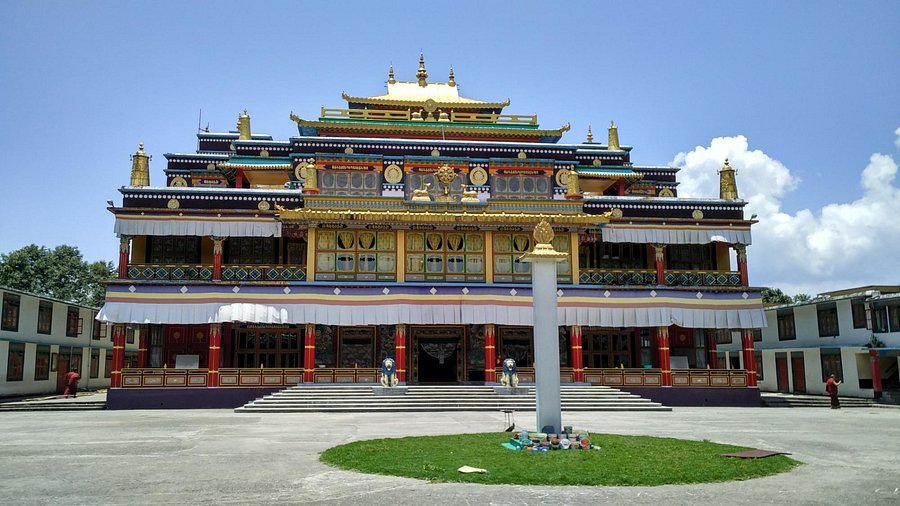
Ralang Monastery

Best time to visit

Best Time to Visit Ralang Monastery, Ravangla — A Tourist Guide

Ralang Monastery (also spelled Ralong) near Ravangla in South Sikkim is a serene Himalayan Buddhist monastery known for its painted facades, vibrant cham dances and panoramic views of the Kanchenjunga range. Choosing the right time to visit affects the views, weather, cultural experiences and ease of travel. This guide breaks down seasons, activities and practical tips to help you plan the perfect trip.

Quick Overview

Best overall months: March to May (spring) and October to December (autumn/early winter) for clear skies, pleasant temperatures and excellent mountain views.

Why timing matters

  • Visibility: Mountain views—particularly of Kanchenjunga—depend heavily on the season and rainfall.
  • Weather comfort: Temperature and precipitation affect walking, trekking and outdoor photography.
  • Festivals and cultural events: Visiting during local festivals can enrich the experience but may mean larger crowds.
  • Road and travel reliability: Monsoon brings landslides and slippery roads; winter may cause icy patches at higher altitudes.

Season-by-season guide

Spring (March–May)

Why go: Spring is often the best time. Temperatures are mild, wildflowers and rhododendrons bloom, and skies are generally clear in the mornings. This is ideal for sightseeing, photography and short hikes around Ravangla and the monastery.

  • Pros: Pleasant weather, blooming rhododendrons, good visibility of Kanchenjunga, lively atmosphere.
  • Cons: Can be slightly crowded during Easter and local holidays; occasional pre-monsoon showers toward May.

Summer / Monsoon (June–September)

Why be cautious: Heavy rainfall is common. The landscape is lush and dramatic, but frequent showers reduce visibility, and roads may be affected by landslides.

  • Pros: Lush green scenery, fewer tourists, good for those who prefer a quieter trip and don’t mind wet weather.
  • Cons: Poor mountain visibility, slippery roads/trails, possible travel disruptions.

Autumn (October–November)

Why go: Post-monsoon skies clear up, offering some of the best and most stable views of the Himalayan range. Temperatures are cool and comfortable—excellent for photography and outdoor activities.

  • Pros: Clear vistas, comfortable days and crisp nights, ideal for sightseeing and trekking.
  • Cons: Growing tourist numbers after the monsoon; book accommodation early in peak weeks.

Winter (December–February)

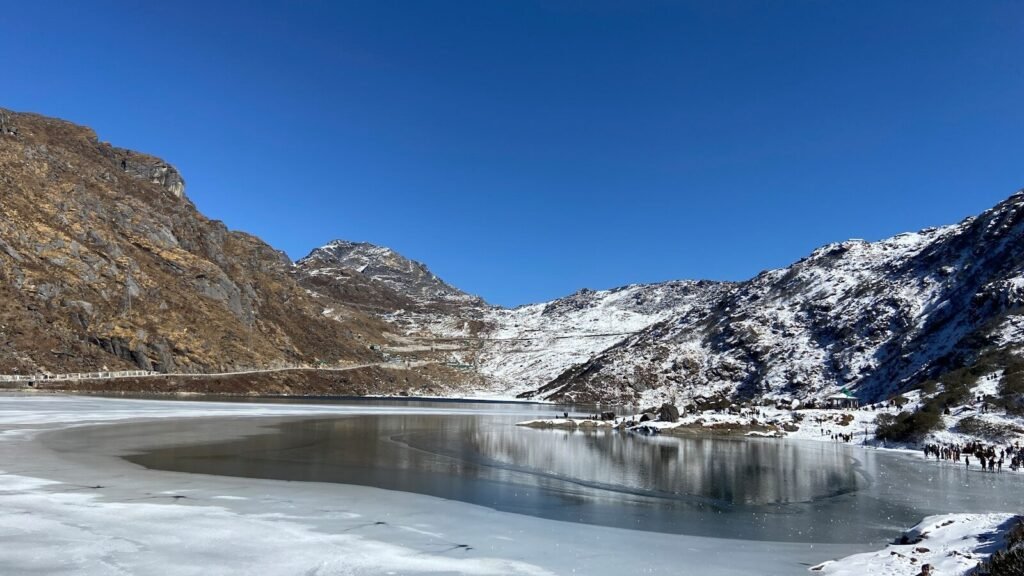
Why consider it: Winters are cold but often clear—perfect for striking sunrise/sunset images and a quiet, contemplative visit. Occasional snowfall can add to the charm, though it may limit mobility.

  • Pros: Fewer tourists, dramatic snowscapes, excellent clarity for mountain photography.
  • Cons: Low temperatures (freezing nights), potential road icing and reduced services at smaller hotels/guesthouses.

Month-by-month snapshot

  • March–April: Ideal for early spring blooms and comfortable touring.
  • May: Pleasant but becomes warmer; occasional pre-monsoon showers.
  • June–September: Monsoon season—expect heavy rain and limited mountain views.
  • October–November: Best visibility and comfortable weather; highly recommended.
  • December–February: Cold, serene and less crowded; bring warm clothing and be prepared for icy roads.

Festival and cultural timing

Ralang Monastery stages colorful ceremonies and masked dances (cham) during Buddhist festivals. If you time your visit with a festival, you may witness lively rituals and local celebrations. Festival dates follow the lunar calendar and vary each year—check local tourism boards or the monastery directly before planning.

Practical travel tips

How to reach

Ravangla and Ralang Monastery are accessible by road from Siliguri/Bagdogra and New Jalpaiguri (NJP). Regular taxis and shared jeeps ply to Ravangla; from Ravangla the monastery is a short drive or hike. Plan extra travel time during and after rains.

Acclimatisation and health

  • Altitude: Ravangla and the monastery sit at a moderately high elevation—allow a day to acclimatize if you arrive from low altitudes.
  • Hydration and sun protection: Carry water, sunscreen and a hat. UV exposure increases with elevation.
  • Medical preparedness: Carry basic medication, and check for mobile connectivity or nearest medical facilities especially during off-season.

Packing essentials

  • Spring/Autumn: Layered clothing, light jacket, comfortable walking shoes, camera, rainproof cover just in case.
  • Monsoon: Waterproof jacket, quick-dry clothing, good treaded shoes, insect repellent.
  • Winter: Warm insulated jacket, thermal layers, gloves, woolen cap, sturdy boots and trekking socks.

Where to stay

Base yourself in Ravangla town for the widest choice of guesthouses and small hotels. Staying there gives convenient access to the monastery, nearby hikes and attractions. Book ahead during spring and autumn peak months.

Photography and sightseeing tips

  • Best light: Early mornings and late afternoons produce the most dramatic light for the monastery and mountain backdrops.
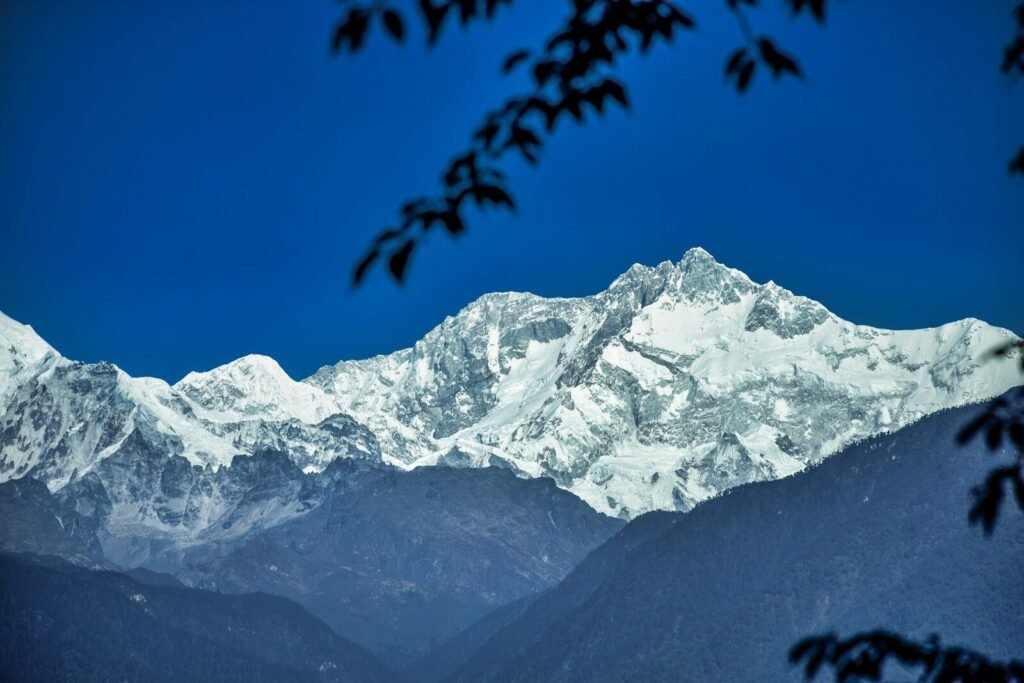
  • Views: Autumn and spring mornings usually offer the clearest Kanchenjunga vistas.
  • Composition: Include monastery architecture, prayer flags and foreground elements like pine trees or terraced slopes for context.

Cultural etiquette

  • Dress modestly: Cover shoulders and knees when entering monastery precincts.
  • Respect rituals: Keep noise low and follow any signs or instructions; remove shoes where required.
  • Photography: Ask permission before photographing monks, rituals or close-up portraits.

Suggested itineraries based on season

Spring/Autumn — 2 to 3 days

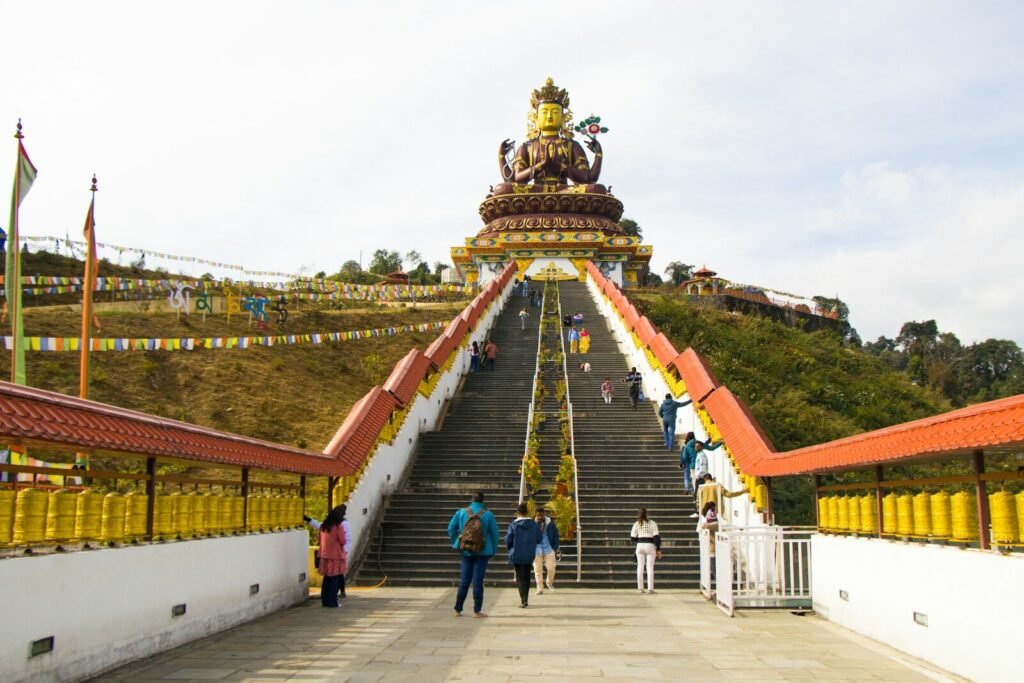
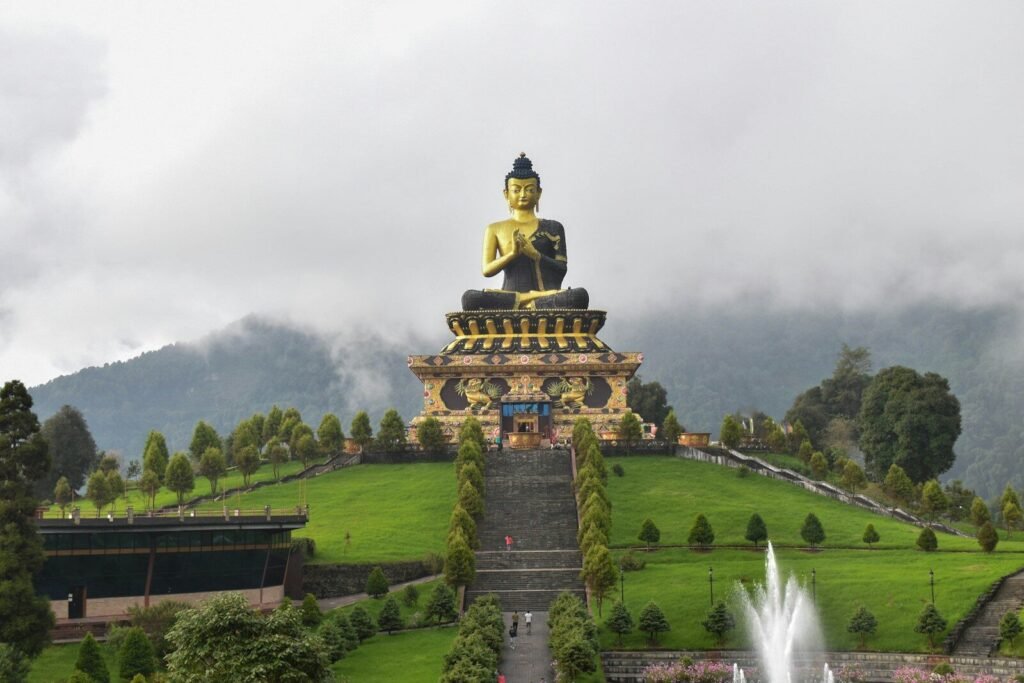
  • Day 1: Arrive Ravangla, acclimatize, visit local market and Buddha Park (Tathagata Tsal).
  • Day 2: Early visit to Ralang Monastery for sunrise views and photography; afternoon short hikes around the monastery.
  • Day 3: Optional trip to Khecheopalri Lake or Maenam Sanctuary before onward travel.

Monsoon — 2 to 3 days (if you don’t mind rain)

  • Focus on cultural experiences at the monastery and local homes; be flexible with travel plans and check road conditions daily.

Winter — 2 days

  • Prepare for cold; enjoy quiet monastery mornings, sunrise mountain views (if clear) and peaceful walks.

Final recommendations

If you must pick one time: October–November edges out as the most reliable for clear mountain views and comfortable weather. March–May is a very close second, with the added bonus of rhododendron blooms.

Whatever time you choose, plan with flexibility—local weather and road conditions can change quickly in the Himalaya. Respect local culture, carry appropriate clothing and check festival dates if you want the added cultural experience of monastery rituals and cham dances.

Safe travels — and enjoy the quiet beauty of Ralang Monastery and the Ravangla hills.

Get Instant Call Back​

Which places do you want to explore in North-East?
Kindly share your above details to get Travel Plan PDF within 30 seconds on your mobile
Please wait while we are preparing customized quotes as per your requirement.

Why Choose us ?

What makes us different from other tour package companies

Best Travel Experts

Our travel experts have core and intense knowledge about Sikkim sector with over 10 years of experience that will help you choose the best possible itinerary as per your requirements.

24 X 7 On-Trip Assistance

Our travel experts are just one call away during your tour to help you with any kind of immediate assistance so that your tour is a more enjoyable and hassle-free tour.

Best Rate Guarantee

eSikkimTourPackages ensures best rates to all our esteemed guests since we have our own hotels and fleet of vehicles and drivers and there is no third-party involvement. This ensures personalized service and best rates.


Sikkim Tour Packages by Theme

Sikkim Tour From Popular Cities

Limited period offer – Sikkim tour packages at flat 50% discount. Inquire now!

Kindly enter the details below for your Sikkim Tour Package
Loading, please wait . .. ... ....