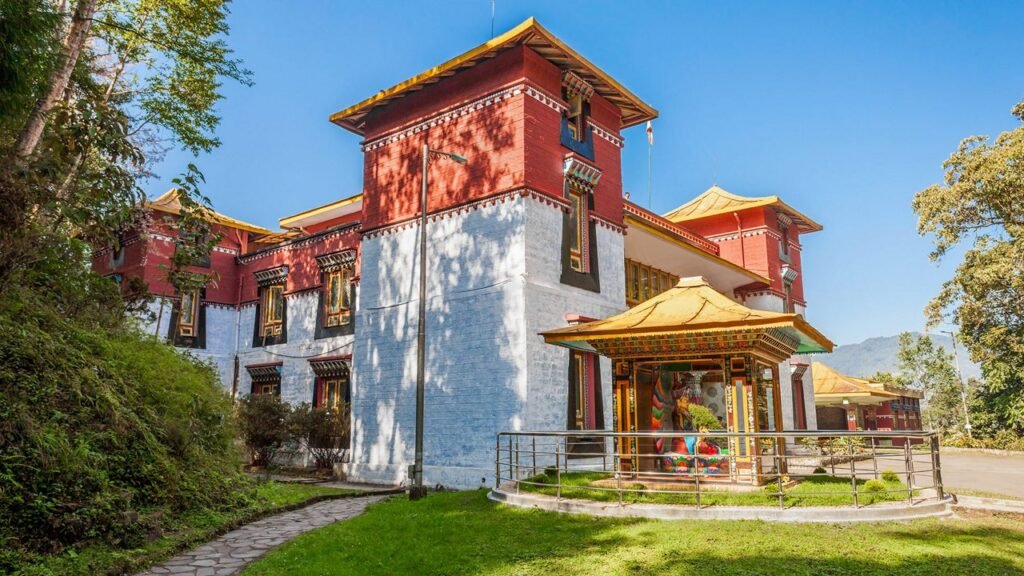
The Namgyal Institute of Tibetology (NIT), located in Gangtok, Sikkim, is one of India’s premier centers for the study, preservation and display of Tibetan culture, art and religion. Below is a detailed, tourist-oriented FAQ to help you plan a visit and get the most out of your time at the Institute.
What is the Namgyal Institute of Tibetology?
The Namgyal Institute of Tibetology is a research and museum complex devoted to Tibetan language, history, religion and art. It combines a museum with galleries of thankas, statues and ritual objects, a research library/manuscript repository, and a center for academic study and publications on Tibetology.
When and why was it founded?
The Institute was established in the mid-20th century under the patronage of the Sikkim monarchy and local scholars to preserve Tibetan Buddhist art and manuscripts and to promote scholarly research. Over the decades it has become a respected center for Tibetology and a significant cultural attraction for visitors to Gangtok.
What are the opening hours?
Hours can change seasonally. The Institute is typically open during daytime hours (for example, mornings to mid/late afternoon). Always check current timings on the official website or with Sikkim tourism before you go.
Best time to visit: Morning visits are often quieter and provide better light for viewing exhibits. Avoid national and local holidays if you prefer a less crowded experience.
Where is it located?
The Institute is in Gangtok (Deorali/central Gangtok area). It is a short drive from Gangtok’s main commercial area (MG Marg).
How do I get there?
Is there an entry fee?
There is usually a small entry fee for the museum. Fees for residents and foreign visitors may differ. Special charges may apply for photography, guided tours, or research access. Confirm current fees at the gate or on official resources.
Do I need a permit?
No special permit is normally required to visit the institute within Gangtok. However, if you plan day-trips to restricted border areas of Sikkim (for example Nathu La or some northern districts), you will require special permits—arrange those separately through tour operators or government offices.
Plan 1 to 2 hours for a typical museum visit. If you intend to use the library or pursue research, allow several hours or more and arrange permission in advance.
Yes — the Institute houses a research library and manuscript collection. Casual visitors can usually view displays; students and researchers should contact the Institute ahead of time to request permission, show credentials, and make an appointment. There may be rules for handling materials and limited copying services.
Yes. NIT has been associated with academic publications on Tibetology, occasional bulletins, monographs and research papers. Visitors interested in academic access should inquire about recent publications and back issues through the Institute’s information desk.
Can I take photos inside?
Photography rules vary by gallery and exhibit. In many cases, indoor photography is restricted to protect delicate artifacts and manuscripts. Flash photography is generally prohibited. Ask at the reception desk for current permissions and any fees for photography.
The Institute is a cultural and scholarly site. Visitors are expected to behave respectfully. Modest clothing is appropriate, and avoid loud behavior or touching exhibits.
Historic buildings and hillside locations in Gangtok can present accessibility challenges (steps, sloped paths). If you require wheelchair access or other assistance, contact the Institute in advance so they can advise or make accommodations if possible.
Guided tours may be available either through the Institute staff or local guides. A guided explanation can add significant context—ask at the information desk or arrange through your hotel or tour operator.
The Institute occasionally hosts temporary exhibits, lectures, seminars and cultural events related to Tibetan studies. Check the Institute’s announcements or local event listings when planning your trip.
Yes, but this requires advance permission. Scholars should contact the Institute with a clear research proposal, institutional affiliation, and references. Handling of manuscripts will be governed by the Institute’s conservation and access policies; permissions for photographing or copying texts are subject to restrictions.
If you plan to publish research based on the Institute’s materials, follow its citation and acknowledgment guidelines and seek written permission for images or extended quotations. The Institute can provide archival references and recommended citations.
When visiting the Namgyal Institute of Tibetology, consider pairing the visit with:
For the latest on opening hours, entry fees, special exhibitions and research access, use these approaches:
The Namgyal Institute of Tibetology is a culturally rich and scholarly space—visiting it enhances understanding of Tibetan Buddhism and Sikkim’s cultural ties. Because policies, hours and services can change, confirm details locally before your visit and allow some flexibility in your itinerary.
Enjoy your visit to Gangtok and the Namgyal Institute of Tibetology—it’s an excellent place to deepen your appreciation of Himalayan culture and Tibetan heritage.
What makes us different from other tour package companies
Our travel experts have core and intense knowledge about Sikkim sector with over 10 years of experience that will help you choose the best possible itinerary as per your requirements.
Our travel experts are just one call away during your tour to help you with any kind of immediate assistance so that your tour is a more enjoyable and hassle-free tour.
eSikkimTourPackages ensures best rates to all our esteemed guests since we have our own hotels and fleet of vehicles and drivers and there is no third-party involvement. This ensures personalized service and best rates.
















Kindly enter the details below for your Sikkim Tour Package