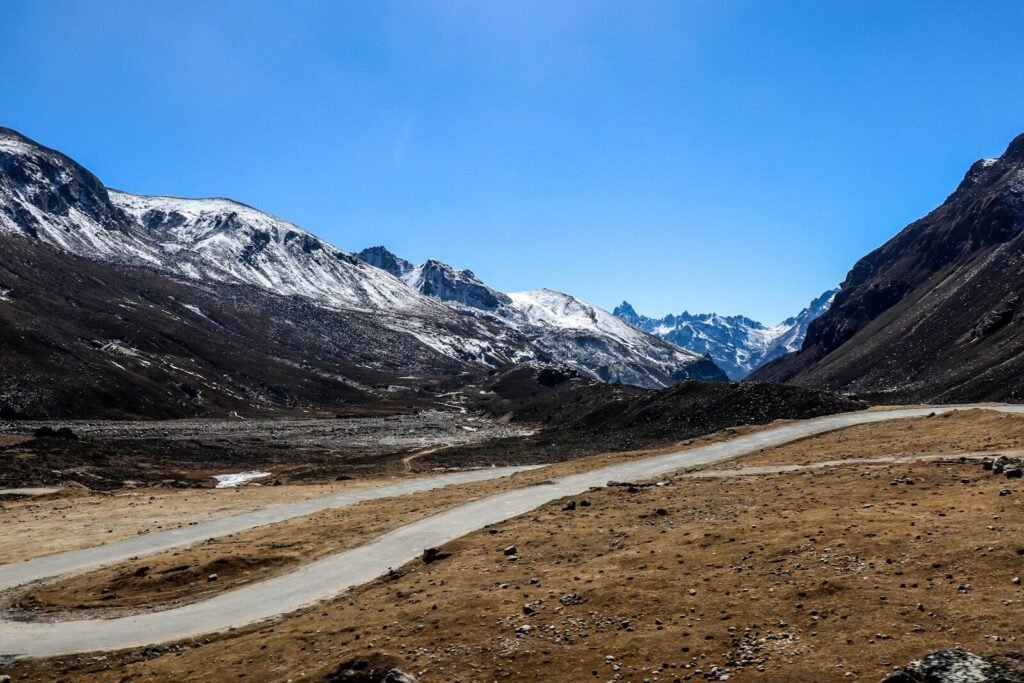
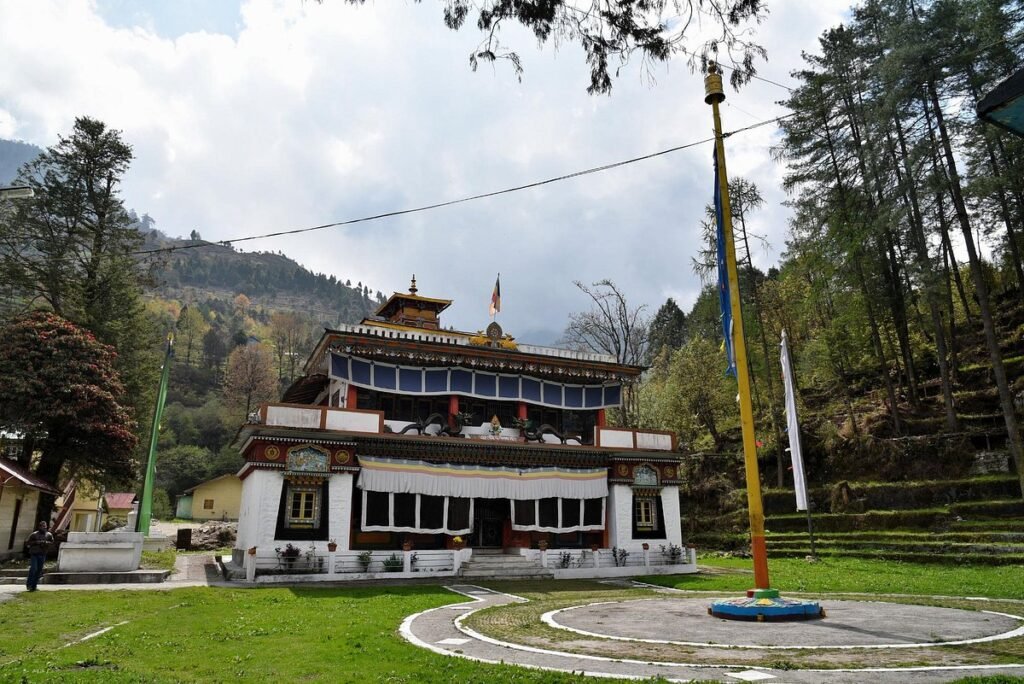
Nestled in the verdant valleys of North Sikkim, Lachung and its modest monastery embody a quiet, high-altitude spirituality that has long appealed to pilgrims and travelers alike. Lachung Monastery (locally often referred to as a gompa) sits above the mountain village of Lachung and provides both religious continuity for the local community and a cultural focal point for visitors exploring Yumthang Valley, Zero Point and other nearby attractions.
Lachung is a high mountain settlement in the North district of Sikkim, India. The village, at an altitude of roughly 2,500–2,800 meters, serves as a gateway to alpine meadows, rhododendron forests and high-altitude plateaus. The monastery occupies a central place in village life and is one of several small Buddhist monasteries in the region that preserve the Himalayan Buddhist traditions characteristic of Sikkim.
Beyond its religious function, Lachung Monastery acts as:
The detailed written history of Lachung Monastery is not as widely documented as that of some larger Sikkimese monasteries, but the institution should be read in the broader historical frame of Tibetan Buddhism’s spread and adaptation across the Himalaya.
Historically, monasteries in North Sikkim were established as local centers of practice by visiting lamas and local patrons. Over the 18th and 19th centuries, Sikkim consolidated many monastic communities as monastic lineages from Tibet and central Himalayan regions became more established. Local oral histories and the continuity of ritual practice indicate that Lachung Monastery emerged as part of this pattern—an expression of Tibetan Buddhist (Vajrayana) tradition adapted to local customs and social life.
Like many Himalayan gompas, the monastery reflects a pragmatic, vernacular architecture:
Harsh mountain weather and seismic activity in the region have often necessitated repair and rebuilding; the present buildings are the product of generations of maintenance and occasional restoration.
The monastery is a living religious institution. Daily chanting, offerings and ritual practice structure the rhythm of life for resident monks and for villagers who attend ceremonies. The specific calendar of events may draw on major Tibetan Buddhist festivals as well as local observances.
Visitors who time their trip to coincide with a festival may witness sacred dances, hear the monastery’s instruments (drums and horns) and observe colorful local dress and ritual practice.
Inside the monastery, visitors can typically find religious art forms common to Himalayan Buddhism:
These objects are not museum pieces but active components of a living religious tradition; many are considered sacred and are treated with appropriate reverence by monks and devotees.
Over recent decades, North Sikkim has become a prominent tourist destination, and Lachung has acquired a dual identity as both village and tourism hub. The monastery features in that mix as a cultural stop that explains local religious life to visitors while continuing its primary role as a place of worship.
The rising numbers of visitors bring pressures:
Many community leaders and local NGOs emphasize responsible tourism—limiting environmental impact, supporting local services and observing religious etiquette.
If you are planning to visit Lachung Monastery, keep the following in mind:
Winter can bring heavy snow and road closures; monsoon months may see landslides and disrupted travel.
Access to North Sikkim is regulated; permit requirements and checkpoints are subject to change. Check current regulations with Sikkim tourism authorities or a trusted tour operator before travel. Local guides and homestays in Lachung can also advise on last-mile logistics.
Preserving Lachung Monastery and the cultural landscape of North Sikkim requires coordinated effort: conservation of buildings and art, sustainable tourism planning, waste management and community-based initiatives that ensure that benefits from tourism reach local people and support monastery upkeep.
Local communities, NGOs and government bodies have increasingly worked together to promote eco-friendly tourism initiatives, cultural education programs and restoration projects. Visitors can contribute by respecting rules, reducing waste and choosing enterprises that prioritize sustainability.
Lachung Monastery is both a spiritual heart for its village and a window into the Himalayan Buddhist world for visitors. While the precise historical record may be modest compared with larger monastic institutions, the monastery’s significance lies in its living traditions, its role in seasonal and religious life, and its place within the landscape that draws tourists to North Sikkim. Responsible visitation—attentive to local rules, cultural sensitivity and environmental protection—ensures that Lachung’s monastery can continue to be both a sacred site and a sustainable element of the region’s tourism fabric.
For authoritative, up-to-date information on visiting and the monastery’s history, consult publications from Sikkimese cultural departments, academic studies on Himalayan monasticism, and local community resources in Lachung.
What makes us different from other tour package companies
Our travel experts have core and intense knowledge about Sikkim sector with over 10 years of experience that will help you choose the best possible itinerary as per your requirements.
Our travel experts are just one call away during your tour to help you with any kind of immediate assistance so that your tour is a more enjoyable and hassle-free tour.
eSikkimTourPackages ensures best rates to all our esteemed guests since we have our own hotels and fleet of vehicles and drivers and there is no third-party involvement. This ensures personalized service and best rates.























Kindly enter the details below for your Sikkim Tour Package