Best Time to Visit Lachung Monastery, Lachung — A Tourism Guide
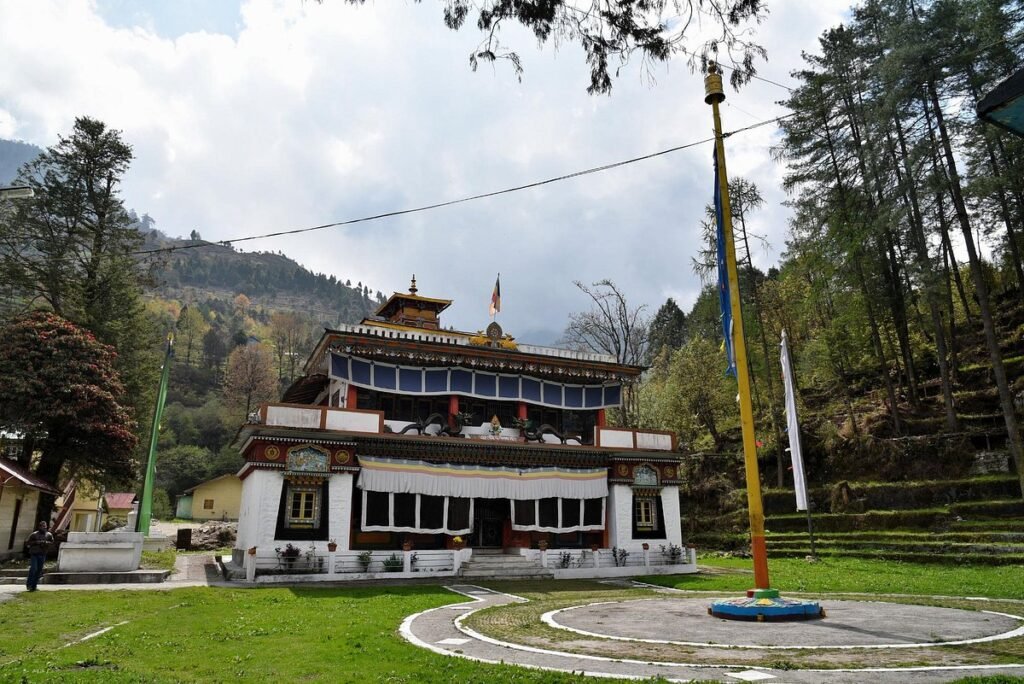
Lachung Monastery (Lachung Gompa) sits above the mountain village of Lachung in North Sikkim, offering prayerful calm, Tibetan-Buddhist culture and dramatic Himalayan scenery. Choosing the right time to visit affects access, weather, landscapes and local activities. This guide explains the seasons, month-by-month recommendations, festivals and practical tips so you can plan the best possible visit.
Quick facts
- Location: Lachung, North Sikkim, India
- Approx. altitude: around 2,700 m (≈8,800 ft)
- Nearest major base: Gangtok (roughly 110–125 km, 6–7 hours by road depending on conditions)
- Typical access: Road via Mangan and Chungthang; shared taxis and private cabs are common
- Facilities: Basic guesthouses, small hotels and homestays — limited high-end infrastructure
Overall best time to visit
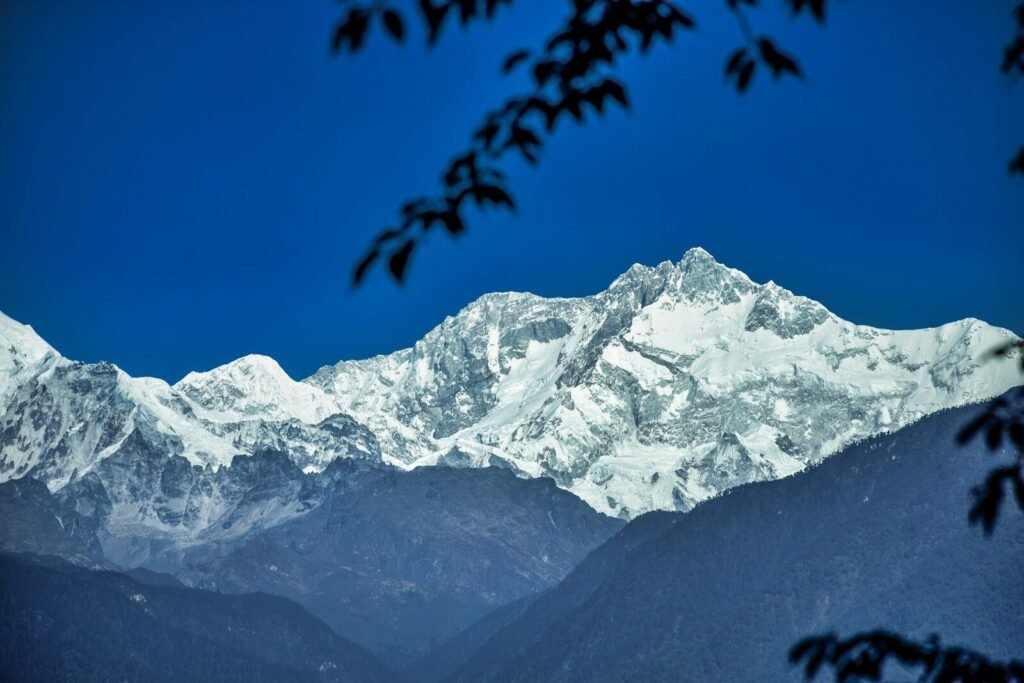
April–May (spring) and September–November (autumn) are the best windows for visiting Lachung Monastery. These months offer the most reliable weather, clear mountain views, comfortable temperatures and easy road access. Spring brings rhododendron and alpine blooms; autumn brings crisp air and visibility for the Himalayan panorama.
Seasonal breakdown
Spring (March–May)
Why go: Spring is one of the most rewarding periods for nature and culture. Rhododendrons and alpine flowers start to bloom; valleys are vibrant with color.
- Weather: Mild daytime temperatures, cool nights, largely stable weather.
- Access: Roads are generally open and in good condition after winter clearing.
- Highlights: Flowering seasons (especially April–May) and excellent trekking and photography opportunities.
Monsoon / Summer (June–August)
Why be cautious: Monsoon brings frequent rain, cloud cover and an increased risk of landslides on mountain roads. North Sikkim is less wet than lower elevations, but accessibility can be affected.
- Weather: Warm to mild with frequent showers; reduced visibility on many days.
- Access: Roads may be slow or intermittently blocked by landslides — check local conditions before travel.
- Highlights: Fewer tourists and lush green valleys; good if you prefer quieter travel and don’t mind variable weather.
Autumn (September–November)
Why go: Autumn follows the monsoon clearance and is one of the best times for stable skies, spectacular mountain views and comfortable trekking conditions.
- Weather: Clear skies, crisp air and cooler temperatures (especially at night).
- Access: Roads are generally in good condition after monsoon repairs.
- Highlights: Photographers and sightseers will enjoy visibility and the range of colors across the valleys.
Winter (December–February)
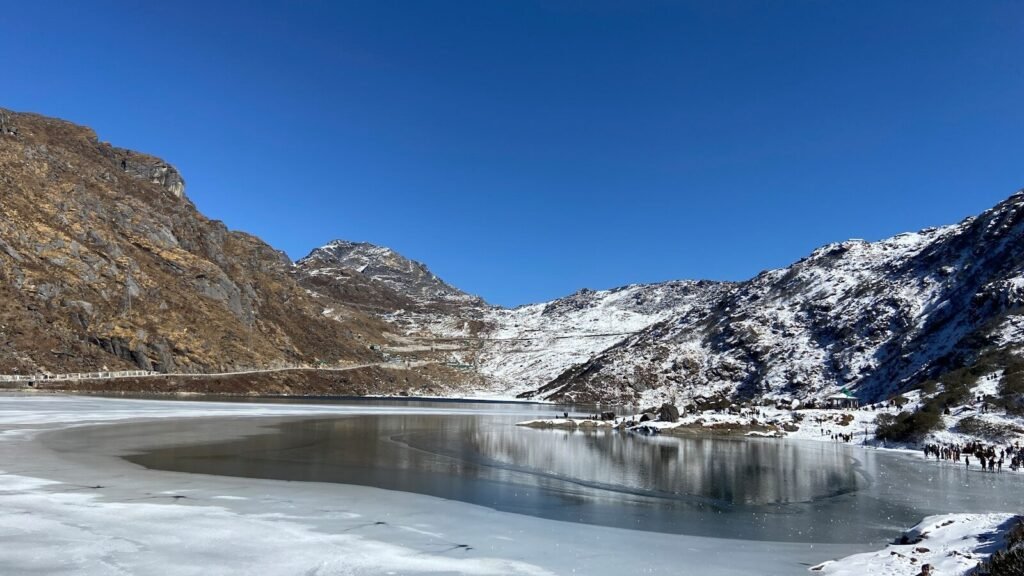
Why be prepared: Winters are cold and often snowy. Snowfall makes the landscape dramatic, but roads and passes may close and services are limited.
- Weather: Cold to very cold; frequent snow at higher elevations.
- Access: Possible road closures due to snow; travel only recommended for experienced winter travelers.
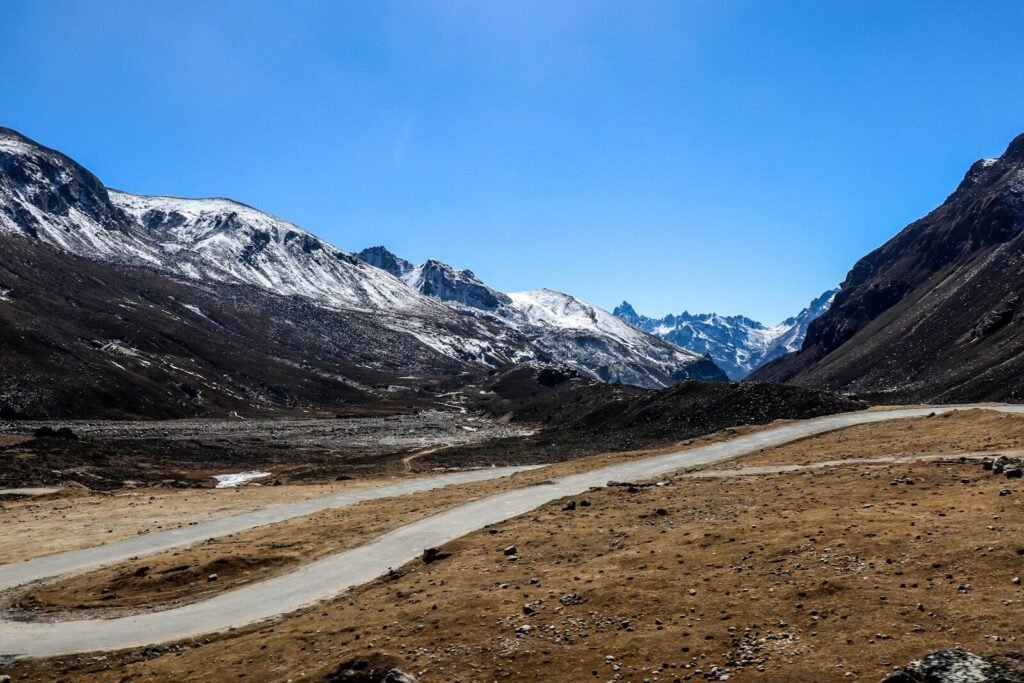
- Highlights: Snow-covered monasteries and valleys — spectacular if you can safely reach the area.
Month-by-month highlights
- March: Early flowers, improving road access after winter.
- April–May: Peak spring blooms and one of the best windows to visit.
- June–August: Rainy season — travel quieter but risk of landslides and clouds.
- September–November: Post-monsoon clarity, crisp days and excellent vistas — another top window.
- December–February: Snowy conditions — spectacular but potentially restricted access; bring winter gear.
Festivals and cultural timing
Many Tibetan-Buddhist festivals are observed in and around Sikkim. Losar (Tibetan New Year, typically Feb–Mar) is widely celebrated and can provide an authentic local experience if your visit coincides with it. Smaller ritual and prayer ceremonies occur regularly at monasteries — mornings are often the best time to witness chanting and ritual practices. If attending festivals is a priority, check local dates (they follow lunar calendars) and coordinate with a local guide or host.
Access, permits and logistics
- Transport: Most visitors travel overland from Gangtok by shared taxi or private car. Allow time for slow mountain driving and occasional road delays.
- Permits: North Sikkim can have special permit requirements for certain restricted zones, particularly for foreigners visiting deeper areas like Yumthang or Gurudongmar. Indian nationals should also carry valid ID. Always check current permit rules with local authorities or your tour operator before travel.
- Connectivity and services: Mobile and internet coverage is intermittent. Medical facilities are limited; carry basic medications and a first-aid kit.
Practical tips for a comfortable visit
Altitude and health
- Acclimatize gradually. Spend a night at an intermediate altitude (e.g., Mangan or Chungthang) if coming from low elevations.
- Stay hydrated, avoid heavy physical exertion on your first day and be aware of altitude sickness symptoms (headache, nausea, dizziness).
- Consult your doctor about acclimatization plans or medications if you have preexisting health conditions.
Packing essentials
- Layered clothing: Temperatures change quickly — bring warm layers, a waterproof jacket and thermal basics for early mornings and evenings.
- Footwear: Comfortable hiking shoes with good grip for uneven village paths and trails.
- Sun protection: High-altitude sun is strong — bring sunscreen, sunglasses and a hat.
- Other: Basic toiletries, a small first-aid kit, high-energy snacks, water purification tablets (if preferred) and a power bank for intermittent electricity.
Photography and visiting etiquette
- Morning light is best for monastery and valley photography; clouds often roll in during afternoons.
- Ask permission before photographing monks or people in private prayer. Be respectful of religious spaces and local customs.
- Monastery timings vary; if you wish to attend a prayer session, check with locals or your guesthouse to learn the best times to visit quietly.
Suggested short itineraries
2-Day quick visit (focused)
- Day 1: Drive from Gangtok to Lachung; relax and acclimatize; short village walk and evening view of the monastery.
- Day 2: Early visit to the monastery and local markets; optional excursion to nearby viewpoints; return toward Gangtok or continue to Yumthang if time permits.
3–4 Day leisure visit (recommended)
- Day 1: Gangtok to Lachung — slow drive, acclimatize.
- Day 2: Visit Lachung Monastery and explore the village; experience local culture and cuisine.
- Day 3: Daytrip to Yumthang Valley or Chopta Valley (seasonal), or visit nearby high-altitude spots; return to Lachung.
- Day 4: Return to Gangtok at a relaxed pace, stopping at viewpoints on the way.
Final recommendations
If your priority is reliable weather, clear mountain vistas and floral displays, plan for April–May or September–November. If you prefer snowy landscapes and can accept access limitations, winter can be stunning. During monsoon expect quieter trails but variable conditions — travel only if you’re comfortable with potential delays. Always allow extra travel time for mountain roads, check permit requirements in advance, and prioritize acclimatization and safety.
In short: For most tourists seeking the best combination of scenery, culture and accessibility, aim for spring (April–May) or autumn (September–November) when Lachung Monastery and its Himalayan surroundings are at their most welcoming.