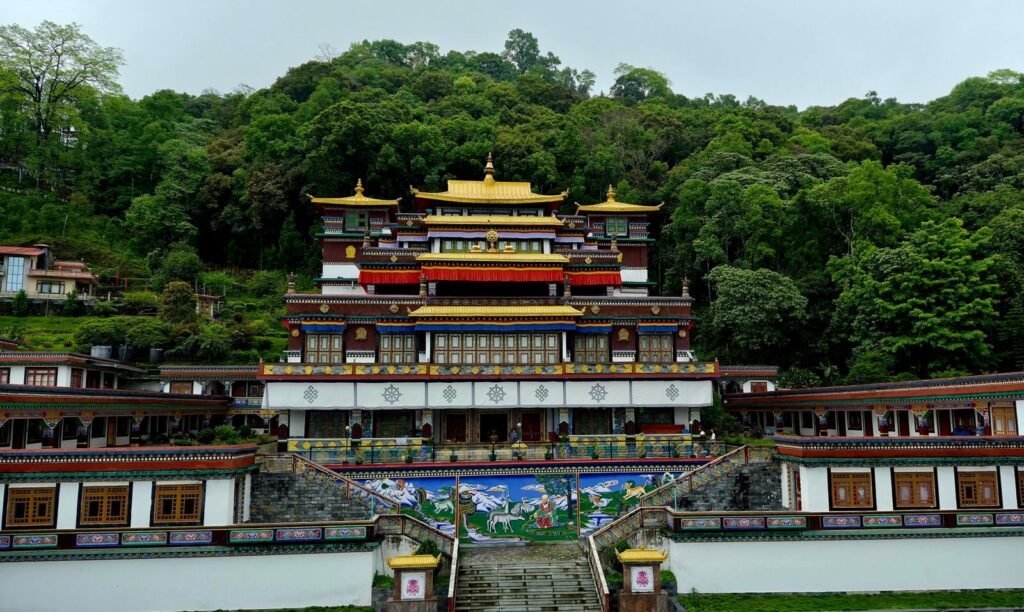
Lachen Monastery (locally referred to as the Lachen Gompa) sits in the high-altitude town of Lachen in North Sikkim, India. Perched on a terrace above the Teesta River valley, the monastery is an important spiritual center for the local Tibetan-Bhutia communities and a frequent stop for visitors heading to the high mountain lakes and valleys beyond. This article explores the monastery’s history, cultural role and practical information for tourists.
The monastery overlooks the village of Lachen, a gateway settlement for the northern reaches of Sikkim. It functions as both a community temple and monastic residence. From Lachen, road routes continue to high-altitude attractions such as Gurudongmar Lake and Chopta Valley, making the monastery a natural cultural waypoint for travelers.
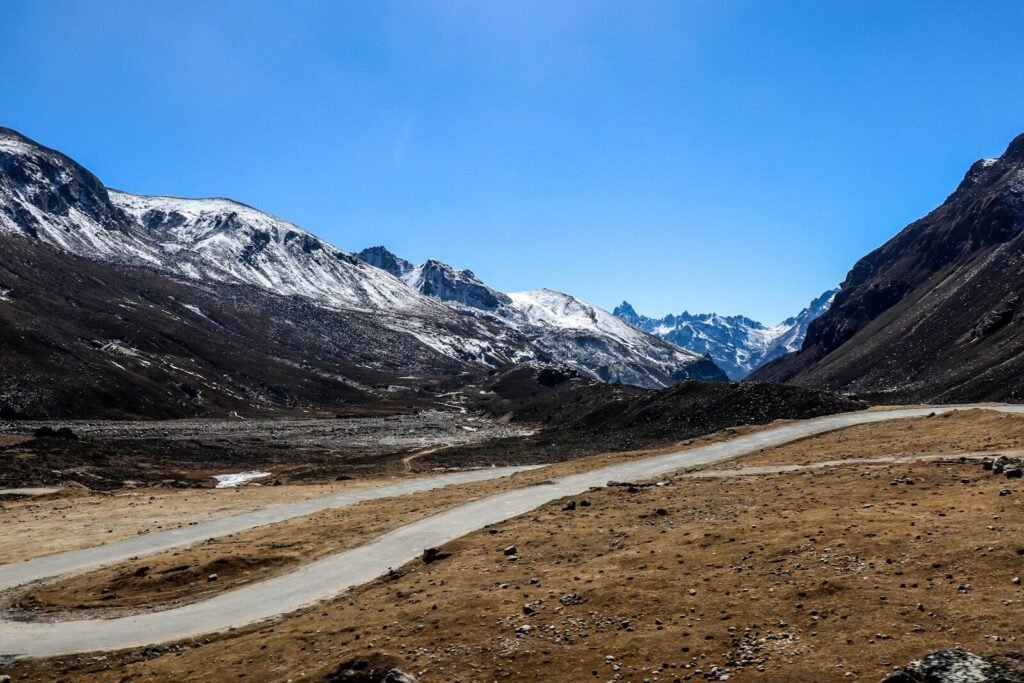
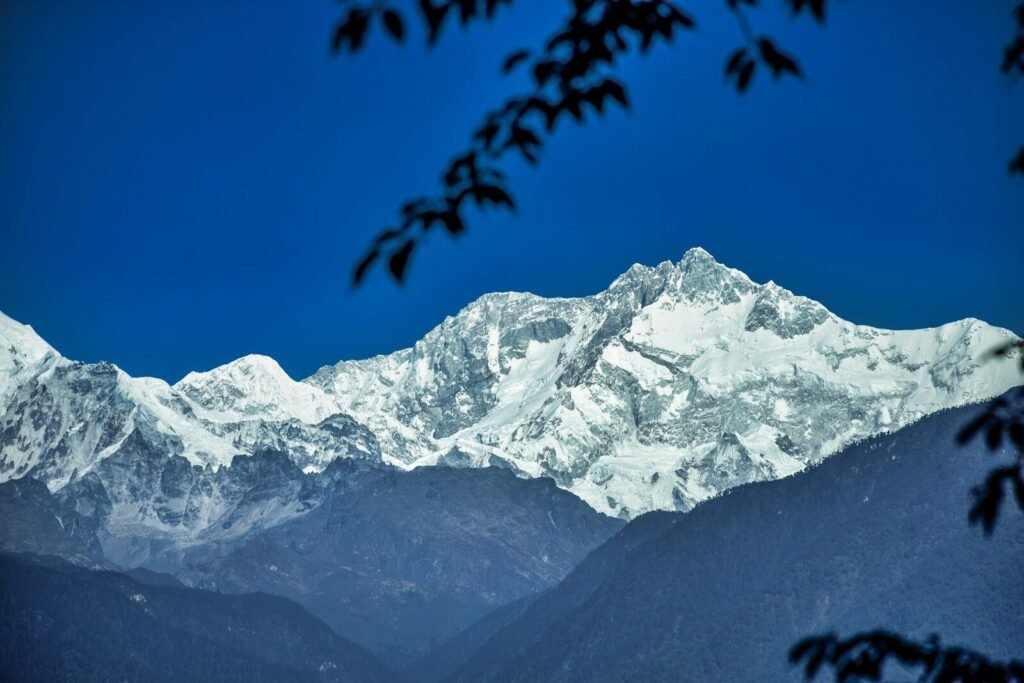
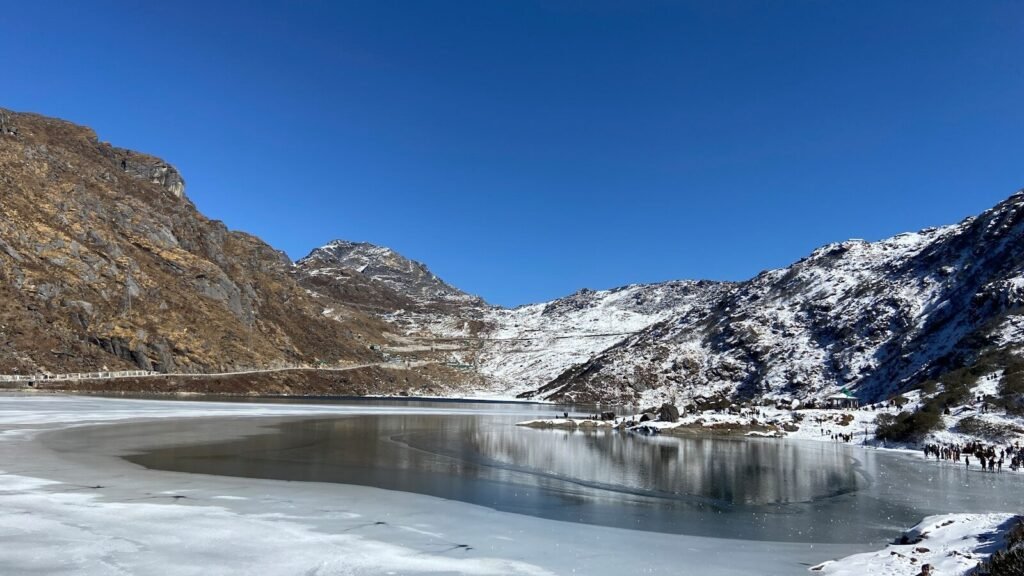
The setting is alpine: thin air, dramatic ridgelines, rhododendron forests at lower levels and snow-clad peaks higher up. Weather can change quickly; winters bring heavy snow that may block road access, while summers are cool and pleasant.
The precise founding date of Lachen Monastery is not well documented in widely circulated sources, but local traditions and regional histories indicate that the monastic community has deep roots reaching back several centuries. Over time the present gompa evolved through periodic rebuilding and additions, reflecting the changing needs of the community and the patronage of local families and rulers.
Key historical themes:
The monastery combines a prayer hall (assembly hall), living quarters for resident monks, small chapels and chortens (stupas) on adjacent slopes. Architectural features echo Tibetan Buddhist styles—multi-tiered roofs, painted woodwork, prayer flags and murals—adapted to local building traditions.
Lachen Monastery plays several roles in the local cultural landscape:
The monastery hosts seasonal observances linked to the Tibetan Buddhist calendar. These often include masked dances (chham), collective prayers for good harvests and protection from calamities, and special pujas for major events such as Losar (New Year).
Lachen is reached primarily by road. Typical access routes begin from Gangtok, the state capital, and continue northward by shared vehicles, taxis or organized tour buses. The nearest major railhead and airport are in the plains (New Jalpaiguri/Bagdogra); from there travelers proceed by road into Sikkim and on to Gangtok before going north.
Because Lachen lies in a sensitive border region and high-altitude zones, travelers should check current permit requirements and travel advisories. Certain high-altitude destinations beyond Lachen require additional passes or escort arrangements; foreign nationals often face stricter restrictions than Indian citizens. Confirm requirements with local authorities, your tour operator or the Sikkim tourism office before travel.
Lachen offers a range of modest guesthouses, homestays and small lodges catering to travelers. Facilities are basic compared with urban centers; those requiring specialized services should make arrangements in advance or plan for accommodation in Gangtok.
Visit with cultural sensitivity and environmental care. The fragile mountain environment and the monastic community both benefit when visitors:
Like many mountain monasteries, Lachen Monastery must navigate pressures from increasing tourism, changing economies and environmental stressors. Preservation of sacred objects, murals and intangible cultural practices depends on community stewardship and mindful visitor behavior. Efforts by local authorities, NGOs and community networks aim to balance access with protection.
Lachen Monastery offers visitors a concentrated encounter with the religious life and mountain culture of North Sikkim. For travelers prepared for high-altitude travel and respectful engagement, the monastery provides spiritual insight, striking scenery and a doorway to some of the Himalaya’s most remarkable landscapes. Approach your visit with curiosity, patience and care, and the experience can be deeply rewarding.
What makes us different from other tour package companies
Our travel experts have core and intense knowledge about Sikkim sector with over 10 years of experience that will help you choose the best possible itinerary as per your requirements.
Our travel experts are just one call away during your tour to help you with any kind of immediate assistance so that your tour is a more enjoyable and hassle-free tour.
eSikkimTourPackages ensures best rates to all our esteemed guests since we have our own hotels and fleet of vehicles and drivers and there is no third-party involvement. This ensures personalized service and best rates.























Kindly enter the details below for your Sikkim Tour Package