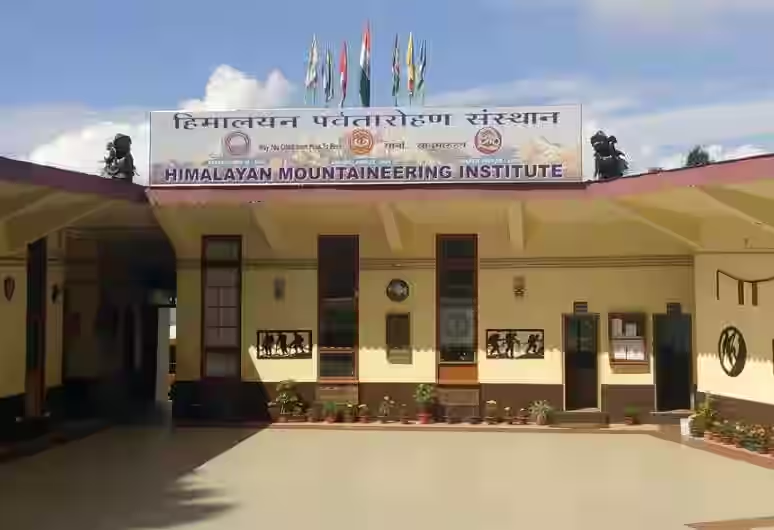
Himalayan Mountaineering Institute

History

Himalayan Mountaineering Institute, Darjeeling: A Historical Overview in the Context of Tourism

The Himalayan Mountaineering Institute (HMI), located in North Point, Darjeeling, stands as one of India’s most enduring institutions dedicated to the promotion, training and preservation of mountaineering culture. Founded in the wake of the first successful ascent of Mount Everest in 1953, HMI has played a dual role: advancing technical mountaineering skill among Indians and shaping Darjeeling’s identity as an adventure and cultural tourism destination.

Origins and Founding

The successful 1953 Everest expedition by Sir Edmund Hillary and Tenzing Norgay created a surge of national pride across India. In response, the Government of India and mountain enthusiasts moved to convert that momentum into an institution for training and popularization. The Himalayan Mountaineering Institute was formally set up in 1954 to encourage mountaineering as a sport and to train Indian mountaineers for Alpine and Himalayan expeditions.

Founding Personalities

  • Tenzing Norgay — widely acknowledged as the institute’s first guiding figure, he lent not only his technical skill but also his reputation and public appeal. He served as the institute’s chief instructor/director in its formative years and was instrumental in shaping training curricula and public outreach.
  • Government Support — national leaders recognized the strategic and symbolic importance of mountaineering. Official backing enabled HMI to establish facilities, procure equipment and develop a formal museum and training infrastructure that would attract students and visitors alike.

Development and Institutional Growth

From modest beginnings the institute expanded its programs, facilities and influence over subsequent decades. HMI developed structured courses in basic and advanced mountaineering, rock and ice craft, high-altitude rescue and winter training. The institute’s instructors, equipment and methods evolved to incorporate advances in alpine technique while maintaining a distinctive Himalayan perspective.

The HMI Museum and Collections

An important cultural asset of the institute is its museum, established to document the history of Himalayan exploration and to display mountaineering equipment, photographs and memorabilia. The museum became a major draw for tourists to Darjeeling:

  • Exhibits include early expedition photographs, clothing and gear used in landmark ascents, and educational displays about alpine geology, weather and ecology.
  • Artifacts associated with the 1953 Everest expedition and other pioneering climbs are popular highlights for visitors seeking a tangible connection to Himalayan history.

HMI and the Rise of Adventure Tourism in Darjeeling

Darjeeling had long been famous for its scenic vistas, colonial-era architecture and tea gardens. With the growth of HMI, the town embraced an additional identity: a base for Himalayan adventure and education. The institute’s presence catalyzed new forms of tourism and shaped visitor itineraries in several ways.

Tourism Impacts

  • Attracting Adventure Seekers: HMI draws novice and experienced mountaineers, trekkers and rock-climbers seeking training courses, technical coaching and guided outings.
  • Educational and Family Tourism: The museum and short courses appeal to families, school groups and general tourists who want a cultural and educational experience without undertaking high-altitude expeditions.
  • Seasonal Distribution: HMI’s activity follows the broader Himalayan tourism seasons—peaking in spring (March–May) and autumn (September–November)—which aligns with Darjeeling’s busiest tourist months when weather is most favorable for mountain views and outdoor programs.
  • Economic Multiplier: Training programs and visitors generate demand for local lodging, transport, guides, equipment rentals and allied services, benefiting Darjeeling’s hospitality sector and small businesses.

Programs and Offerings Relevant to Tourists

HMI’s course structure and public offerings are designed to serve both serious aspirants and curious tourists:

  • Short Courses and Demostrations: Day workshops, demonstration climbs and introductory rock-climbing sessions are accessible to tourists and school groups.
  • Basic and Advanced Courses: Multi-week programs teach navigation, rope work, glacier travel and high-altitude techniques to students who may later attempt Himalayan peaks.
  • Museum Visits and Guided Tours: Museum tours explain the history of Himalayan exploration and mountaineering science—an entry point for cultural tourists and families.
  • Special Events: Anniversary events, lectures and exhibitions commemorate landmark climbs and promote safety, conservation and mountaineering heritage.

HMI’s Role in Safety, Conservation and Local Capacity Building

Beyond tourism, HMI contributes to safer and more sustainable mountain travel. Training in rescue techniques, weather interpretation and environmental stewardship helps reduce the risks associated with amateur expeditions and increases awareness of fragile Himalayan ecosystems. The institute also builds local capacity by training guides, porters and youth from regional communities, linking tourism growth with livelihood opportunities.

Conservation and Responsible Tourism

  • HMI emphasizes Leave No Trace practices and responsible expedition planning.
  • The institute’s educational outreach promotes mountain safety, biodiversity awareness and the cultural importance of Himalayan landscapes.

HMI in Cultural Memory and Heritage Tourism

HMI is more than a training academy; it is a cultural landmark. The institute embodies the post‑war era’s enthusiasm for exploration and national pride, and it preserves stories of Himalayan endeavor. Visiting the institute and its museum provides tourists with a narrative thread linking local communities, colonial histories, national ambitions and international mountaineering milestones.

How Visitors Experience HMI Today

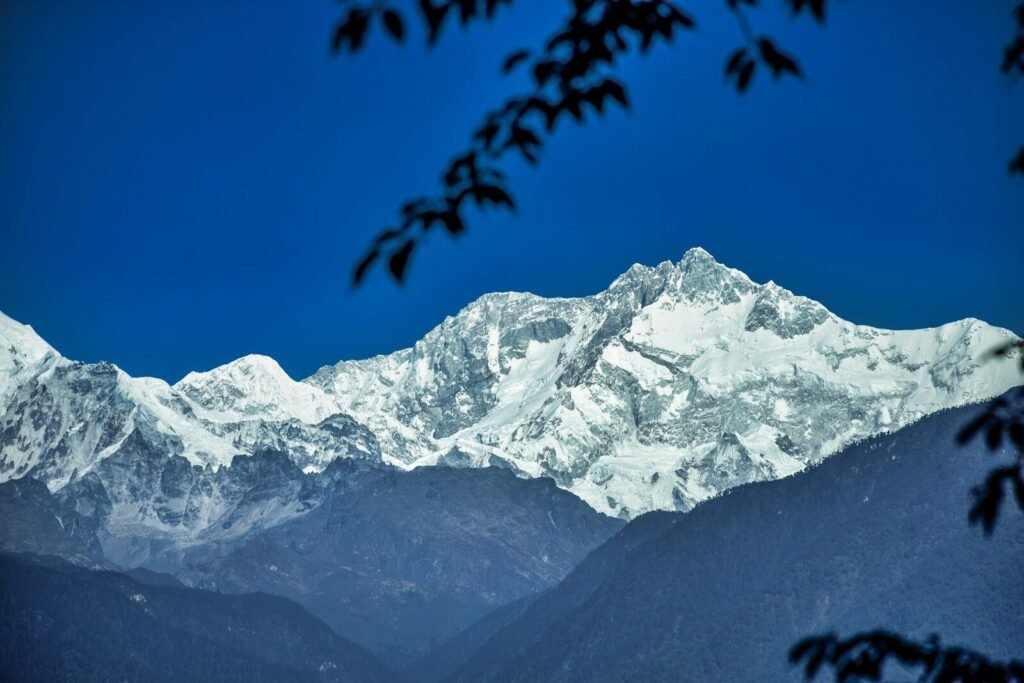
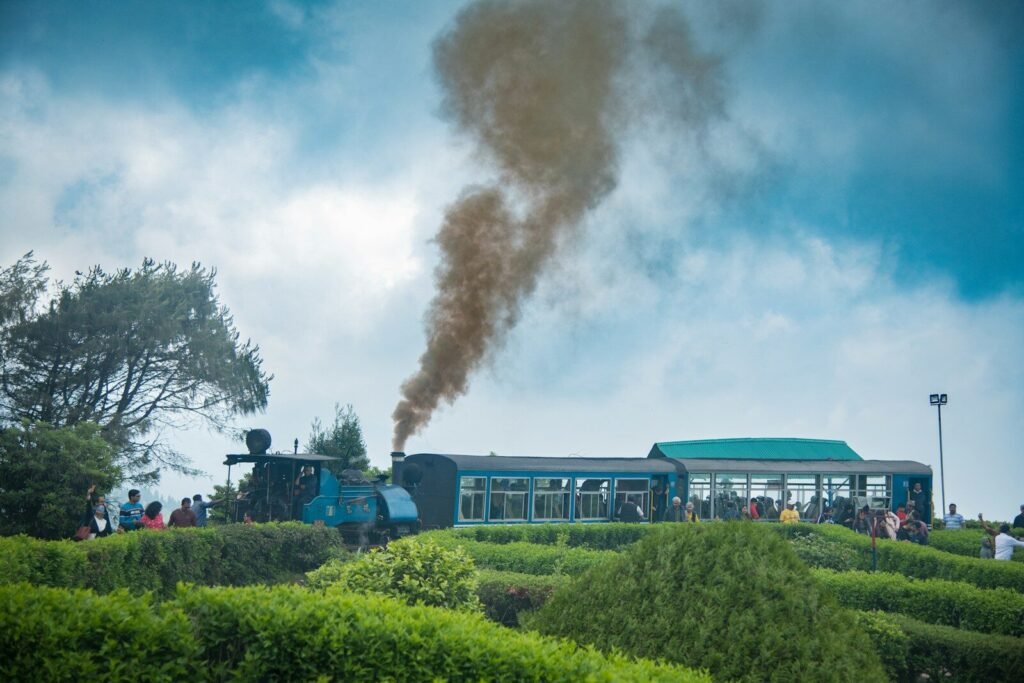
  • Location: Easily combined with other Darjeeling attractions—tea gardens, the Darjeeling Himalayan Railway (the “Toy Train”), viewpoints for Kanchenjunga and colonial architecture.
  • Accessibility: HMI is a short drive or walk from central Darjeeling and can be included as a half-day or full-day stop depending on course participation.
  • Recommended Seasons: For clear mountain views and outdoor activities, plan visits during spring and autumn when skies are usually clearer and conditions are favorable.

Challenges and Future Directions

Like all mountain institutions, HMI faces evolving challenges—climate change impacts on glacier and weather patterns, fluctuating tourist flows, and the need to modernize facilities while preserving historical collections. The institute’s future depends on balancing high-quality technical training with sustainable tourism practices and expanded outreach to youth and international visitors.

Opportunities

  • Partnering with conservation organizations to study and communicate climate impacts in the Himalaya.
  • Expanding short-term adventure and experiential tourism packages for global visitors.
  • Digitizing museum collections and interpretive materials to broaden public access and educational reach.

Conclusion

The Himalayan Mountaineering Institute in Darjeeling is a unique confluence of history, sport and tourism. Founded in the immediate aftermath of humanity’s first successful ascent of Everest, HMI has both shaped and been shaped by the growth of adventure tourism in the Eastern Himalaya. For visitors to Darjeeling, the institute offers an accessible window into mountaineering heritage, practical training opportunities and a chance to engage with the broader cultural and environmental narratives of the Himalaya.

Practical Tips for Tourists
  • Combine an HMI visit with other Darjeeling attractions—tea estates, the Toy Train and sunrise viewpoints.
  • Book short courses or demonstrations in advance during peak season.
  • Respect museum rules and preserve artifacts—many are irreplaceable pieces of mountaineering history.
  • Dress in layers and be prepared for rapid weather changes even in town—Darjeeling’s elevation affects daily conditions.

Get Instant Call Back​

Which places do you want to explore in North-East?
Kindly share your above details to get Travel Plan PDF within 30 seconds on your mobile
Please wait while we are preparing customized quotes as per your requirement.

Why Choose us ?

What makes us different from other tour package companies

Best Travel Experts

Our travel experts have core and intense knowledge about Sikkim sector with over 10 years of experience that will help you choose the best possible itinerary as per your requirements.

24 X 7 On-Trip Assistance

Our travel experts are just one call away during your tour to help you with any kind of immediate assistance so that your tour is a more enjoyable and hassle-free tour.

Best Rate Guarantee

eSikkimTourPackages ensures best rates to all our esteemed guests since we have our own hotels and fleet of vehicles and drivers and there is no third-party involvement. This ensures personalized service and best rates.


Sikkim Tour Packages by Theme

Sikkim Tour From Popular Cities

Limited period offer – Sikkim tour packages at flat 50% discount. Inquire now!

Kindly enter the details below for your Sikkim Tour Package
Loading, please wait . .. ... ....