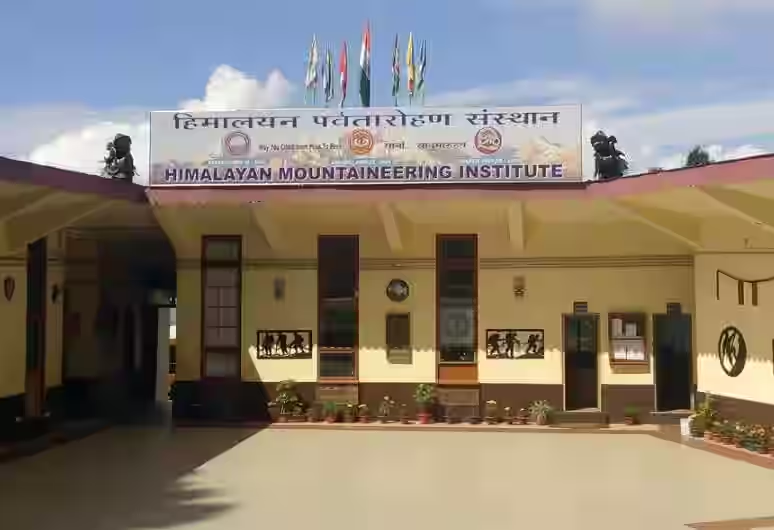
The Himalayan Mountaineering Institute (HMI), Darjeeling, is one of India’s premier mountaineering training centres and a popular tourist attraction. Founded in 1954 with the patronage of Tenzing Norgay and Jawaharlal Nehru, HMI combines history, adventure training and Himalayan culture. The following frequently asked questions (FAQs) address practical information and travel tips for visitors and prospective course participants.
HMI is both a museum and a mountaineering training institute. It was established to promote mountaineering as a sport and to train Indian climbers in technical and high-altitude skills. The campus includes a museum, library, training areas, climbing walls and accommodation for trainees. Tourists often visit the museum to learn about Himalayan expeditions, mountaineering equipment and the history of climbs in the region.
HMI is situated in Darjeeling district, near the Ghoom area. Typical ways to reach Darjeeling:
Timings can change seasonally. Generally, the museum is open during daytime hours and closed on certain public holidays. Entry typically requires a nominal fee for tourists; concessions may apply for students and groups. Photographic rules vary — flash photography or special exhibits may have restrictions. Always check the current timings and fees on the official HMI sources or at the gate when you arrive.
The museum houses historic expedition photographs, ropes and clothing used by famous climbers, mountaineering equipment, maps and a collection related to the first Everest expeditions. There are also displays on local Himalayan culture, biodiversity and the history of HMI.
Guided orientation or short tours are sometimes available. Some local operators and guides include HMI in full-day Darjeeling sightseeing tours. For groups or educational visits, contacting the institute in advance is recommended to arrange talks or guided visits.
Optimal months: March–May and September–November for clear views of the Himalaya and comfortable daytime weather. Monsoon (June–August) brings heavy rains; visibility may be poor and some outdoor activities limited. Winters (December–February) are cold with occasional fog; sightseeing is still possible but pack warm clothes.
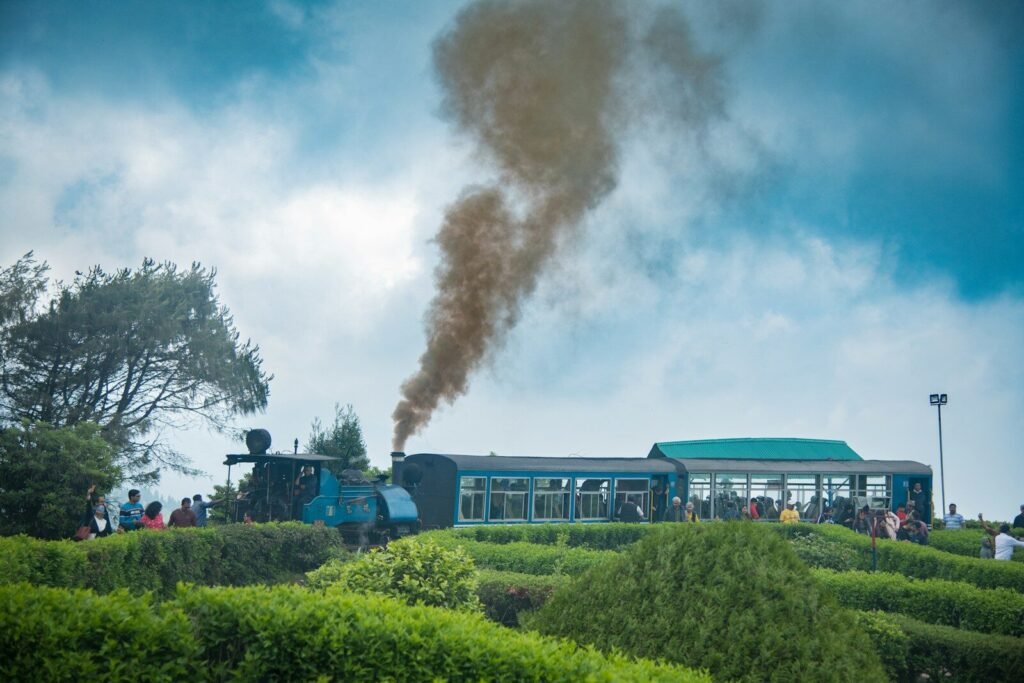
A museum visit with a short walk around the campus may take 1–2 hours. If you plan to combine HMI with nearby attractions — Darjeeling Himalayan Railway, Padmaja Naidu Himalayan Zoological Park, tea gardens, Tiger Hill or Ghoom Monastery — allocate a half to a full day.
HMI sits in a hilly area with slopes and steps. While some areas may be accessible, the campus and adjacent attractions are not fully wheelchair-friendly. Visitors with limited mobility should contact the institute beforehand and plan assistance for moving around the site.
HMI runs a range of courses from basic to advanced mountaineering and technical climbing. There are short-duration introductory or “taster” programs aimed at beginners that focus on rock-climbing basics, rope-work and safety. These often run during specific seasons and may require prior booking.
Application processes differ by course. Typical requirements include age limits, medical fitness clearance and sometimes prior experience for advanced courses. Applications are generally accepted online and/or in person; spots for popular courses fill quickly, so apply well in advance. For long expeditions associated with HMI, selection processes and fitness tests are standard.
Most multi-day or advanced courses require a medical fitness certificate and proof of age/identity. Basic taster sessions may have lighter requirements but will still ask for a fitness declaration. If you have pre-existing medical conditions, consult your doctor before enrolling.
Darjeeling and the HMI area are at moderate hill altitudes (around 2,000–2,500 metres). Altitude sickness risk is low compared with high Himalayan expeditions, but some visitors may feel mild effects (shortness of breath, fatigue). If you plan higher-altitude treks organized through HMI, acclimatization and fitness are essential.
HMI follows standard mountain safety protocols during training and expeditions, including the use of certified gear, experienced instructors and emergency procedures. For tourist visits, follow signboards and staff instructions, avoid restricted training zones and keep to marked paths.
Photography in outdoor areas and general museum spaces is usually permitted; restrictions can apply to specific exhibits. Always check signage or ask staff when in doubt.
Drone use in India is regulated and often restricted near certain public institutions and populated areas. In addition, mountains and populated hill stations have local rules. Do not fly drones without explicit permission from authorities — contact HMI or local administration to confirm permission and follow national drone rules.
Basic visitor amenities like restrooms and sometimes a small cafeteria or refreshment options may be available nearby. For a wider choice of food and lodging, visit central Darjeeling where there are many restaurants, cafes and hotels.
Limited parking may be available near the campus. Because Darjeeling has narrow roads and limited vehicle movement zones in some tourist areas, using local taxis or walking from nearby points of interest is often more convenient.
No special permits are usually required for visiting the museum and campus. For trekking or high-altitude expeditions beyond the institute’s premises, local permits or permissions may be necessary depending on the region. HMI-arranged expeditions will handle necessary permits as part of the program.
HMI fits well into a Darjeeling sightseeing loop. Nearby attractions include:
Always consult HMI’s official communications or the Darjeeling tourism office before you travel. Timings, entry fees, course schedules and COVID-19 protocols can change. For formal training and expedition applications, follow the institute’s published application procedure and deadlines.
Yes. Many local tour operators include HMI in Darjeeling sightseeing itineraries. If you prefer a guided experience, book a local half-day or full-day tour that lists HMI as a stop.
Plan ahead: If you want to take courses or join training, apply early and obtain medical clearances. For casual visits, combine HMI with other Darjeeling attractions for a richer experience.
Note: While this FAQ aims to cover common tourist questions about the Himalayan Mountaineering Institute, specific operational details (such as exact timings, fees and course schedules) change over time. Confirm current information through HMI’s official channels or Darjeeling tourism contacts before travelling.
What makes us different from other tour package companies
Our travel experts have core and intense knowledge about Sikkim sector with over 10 years of experience that will help you choose the best possible itinerary as per your requirements.
Our travel experts are just one call away during your tour to help you with any kind of immediate assistance so that your tour is a more enjoyable and hassle-free tour.
eSikkimTourPackages ensures best rates to all our esteemed guests since we have our own hotels and fleet of vehicles and drivers and there is no third-party involvement. This ensures personalized service and best rates.










Kindly enter the details below for your Sikkim Tour Package