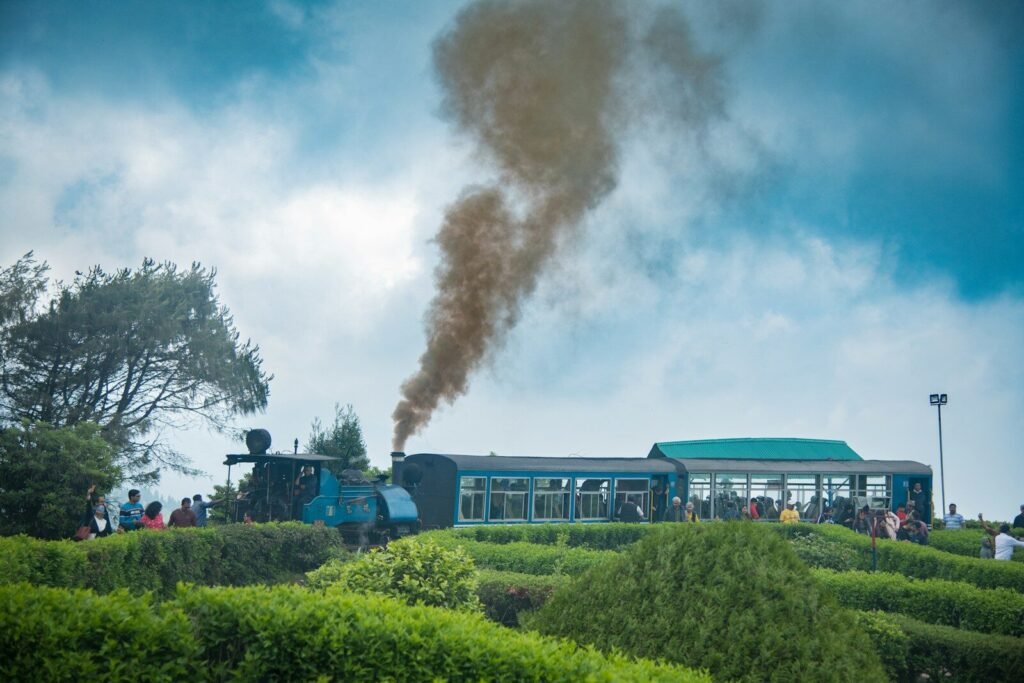
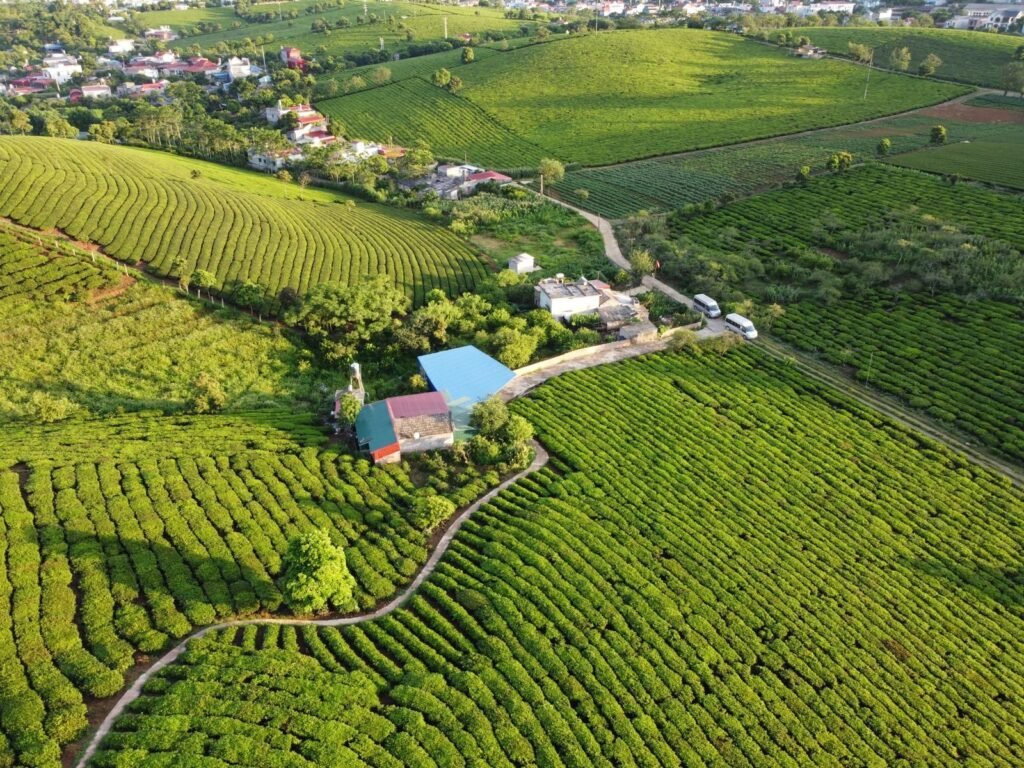
The Happy Valley Tea Estate of Darjeeling is one of the most celebrated and historically significant tea gardens in India. Nestled on the slopes just below Darjeeling town, it is widely regarded as one of the oldest operating gardens in the Darjeeling hill region and an enduring symbol of the area’s colonial tea legacy. In addition to its reputation for producing prized Darjeeling teas, Happy Valley has become a popular stop for tourists seeking plantation walks, tea-tasting experiences, and a glimpse of living heritage.
Tea cultivation in Darjeeling began in the mid-19th century when the British colonial administration and private planters started introducing tea bushes to the cool Himalayan slopes. Happy Valley is often dated to the mid-19th century and is commonly cited as one of the earliest established estates in the region. While exact founding dates vary across sources, the estate’s origins are inseparable from the broader story of Darjeeling tea’s experimental phase, when planters tested Chinese and hybrid cultivars on the hillsides formerly used for other crops.
Under British planters, gardens like Happy Valley were developed with an emphasis on terrace cultivation, factory processing, and export-oriented production. The colonial period brought:
Throughout the 20th century, Happy Valley continued to be associated with high-quality Darjeeling teas. Ownership and management shifted at times, but the estate retained its reputation. The garden weathered world events—including economic changes, wars, and shifts in global tea markets—and adapted production techniques while maintaining traditional orthodox processing that distinguishes Darjeeling tea.
After India’s independence in 1947, ownership structures, labor laws, and market linkages evolved. Tea estates in Darjeeling, including Happy Valley, navigated new regulatory frameworks and rising domestic and international demand for specialty teas. Over decades, investments in factory modernization and marketing helped sustain the estate’s place in premium tea circuits.
Happy Valley produces orthodox Darjeeling tea known for its delicate muscatel aroma, floral notes, and light body. Like other Darjeeling teas, the flavor profile varies markedly between flushes:
The estate traditionally cultivates Chinese-type and hybrid tea bushes processed by orthodox methods to preserve nuance and aroma.
The estate’s landscape is typified by gently terraced rows of tea, narrow estate lanes, and a processing factory or “tea factory” that usually offers a tangible link to the craft of tea-making. Colonial-era bungalows and staff housing reflect historical layers of human settlement and social organization on the estate.
The tea garden community is central to the estate’s identity. Workers and their families — often from local Nepali/Gorkha communities and other regional groups — have preserved cultural practices, songs, and festivals associated with hill life and plantation work. This living culture contributes to the tourism experience and highlights the social history behind each cup of tea.
Over time, Darjeeling’s rise as a hill station and the global fascination with Darjeeling tea created tourism demand. Happy Valley benefited from its proximity to Darjeeling town, accessibility, and reputation. Tourism features developed gradually:
A typical visit to Happy Valley offers a blend of sensory and educational experiences:
Many visitors appreciate Happy Valley’s accessible scale — it gives a compact, informative glimpse into the Darjeeling tea tradition without requiring a full-day excursion.
Happy Valley contributes to Darjeeling’s broader tourism economy by:
Tea estates in the Darjeeling hills, including Happy Valley, face environmental challenges that affect both production and tourism:
Labour welfare, fair wages, housing, and healthcare for estate workers are persistent issues. Tourism has the potential to supplement incomes but must be managed to ensure benefits reach community members and do not undermine local culture.
Responsible tourism practices that many stakeholders encourage include:
Happy Valley lies within easy reach of Darjeeling town — a short drive or a pleasant walk from central locations. Common access routes:
The most attractive times for tea and tourism are:
Happy Valley fits naturally into short and longer Darjeeling itineraries. Nearby highlights include:
Happy Valley Tea Estate is both a living production site and a cultural-historical destination. For travelers interested in tea, colonial history, or Himalayan landscapes, a visit offers sensory pleasures — the aroma and taste of fine Darjeeling tea — as well as insights into the labor, craft, and changing environmental realities that shape the region. When approached with respect for local communities and sustainability in mind, tourism at Happy Valley can enrich visitor understanding while providing meaningful support to the people who sustain this cherished heritage.
For the most current visitor information, guided-tour schedules, and tea purchases, consult official estate channels, Darjeeling tourism offices, or established travel guides. Visiting during a tea flush season and participating in a formal tasting will give the most complete appreciation of Happy Valley’s historical and sensory legacy.
What makes us different from other tour package companies
Our travel experts have core and intense knowledge about Sikkim sector with over 10 years of experience that will help you choose the best possible itinerary as per your requirements.
Our travel experts are just one call away during your tour to help you with any kind of immediate assistance so that your tour is a more enjoyable and hassle-free tour.
eSikkimTourPackages ensures best rates to all our esteemed guests since we have our own hotels and fleet of vehicles and drivers and there is no third-party involvement. This ensures personalized service and best rates.



















Kindly enter the details below for your Sikkim Tour Package