Best Time to Visit Happy Valley Tea Estate, Darjeeling (Tourism Guide)
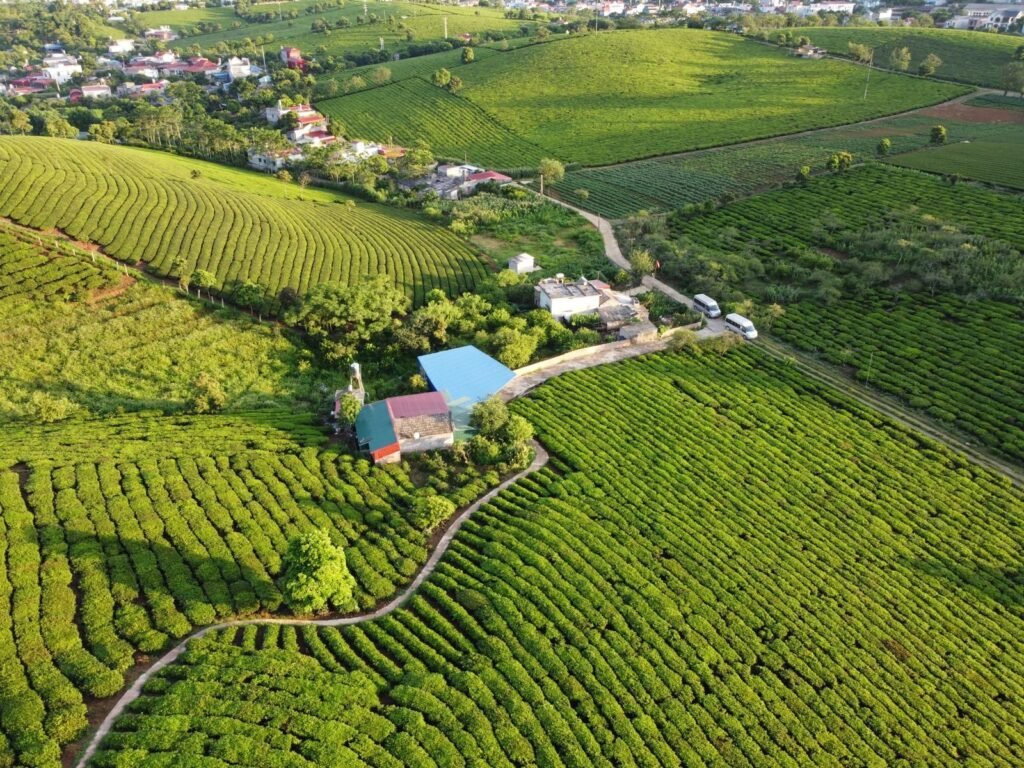
Happy Valley Tea Estate—one of Darjeeling’s most famous tea gardens—is a must-visit for tea lovers and travellers who want to experience the region’s colonial-era charm, tea-making traditions and picturesque rolling terraces. Choosing the right time to go will affect what you see (plucking and processing), how much rain you encounter, and the clarity of mountain views. This guide explains the seasons, the best months to visit, what to expect in each season and practical tips for a rewarding visit.
Quick Overview
Where: Near Darjeeling town (a short drive from the main market), easily combined with other Darjeeling sights.
Why visit: Guided garden and factory walks, tea tasting, learning about Darjeeling’s famous flushes (first, second, autumn), photography and buying fresh estate tea straight from the source.
Climate and Seasonal Breakdown
Darjeeling’s mountain climate is best described in four broad seasons. Each season affects access, scenery, tea production and visitor experience:
- Spring (March–May) — warming days, cool nights, first flush plucking and clear skies on many days.
- Monsoon (June–September) — heavy rainfall, lush green landscapes, higher chance of landslips and limited hiking.
- Autumn (October–November) — crisp skies, excellent visibility of the Himalaya, pleasant temperatures and the autumn flush of tea.
- Winter (December–February) — chilly, sometimes foggy or cloudy with rare snowfall; fewer tourists and quieter estate visits.
Best Months to Visit Happy Valley
Top picks
- March–May (Spring) — Best overall: mild weather, blooming rhododendrons, and the first flush harvest. Teas are fresh, floral and prized. Comfortable for walking the gardens and taking factory tours.
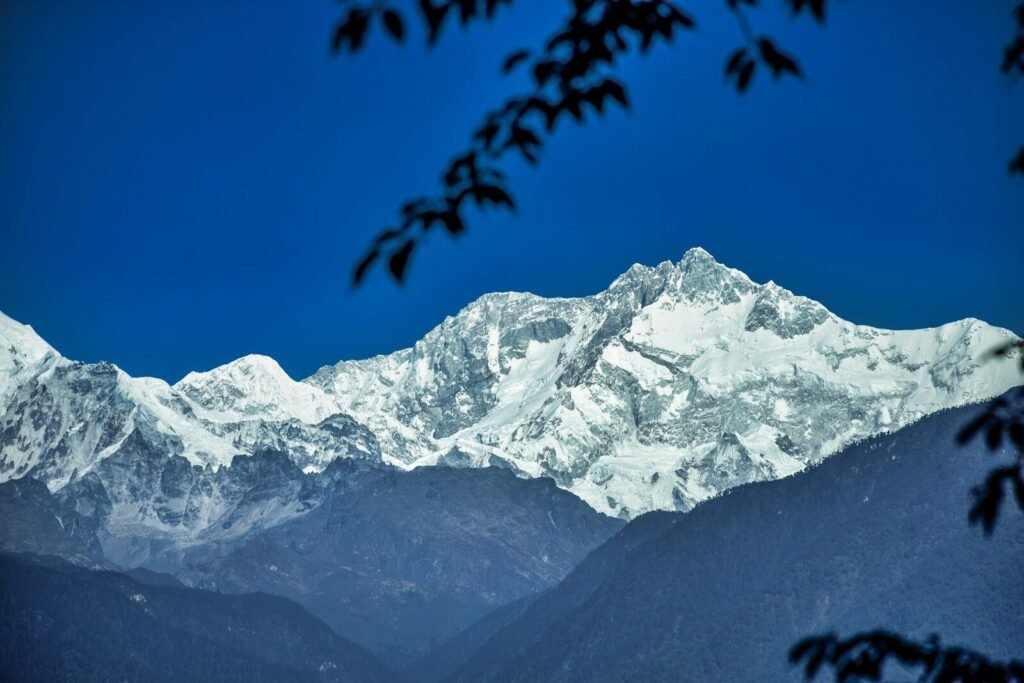
- October–November (Autumn) — Equally excellent: stable weather, clear panoramic views of the Kanchenjunga range, and the autumn flush offering a different tea profile. Great for photography and sightseeing.
Good if you prioritize tea character
- Late May–June (Second Flush) — The celebrated second flush produces the sought-after “muscatel” flavour in Darjeeling teas. If your primary goal is tasting prized teas, this is a great window, but be prepared for intermittent rain and humid conditions as the monsoon approaches.
Seasons to avoid (or be cautious)
- June–September (Monsoon) — Heavy rains can make visits muddy and limit factory operations or walking routes. Views are often obscured by clouds.
- December–February (Mid-winter) — Cold and sometimes foggy; if you don’t mind chill and want few crowds, this can still be rewarding for a quiet tea-tasting experience.
What to Expect in Each Season
Spring (March–May)
- First flush plucking typically peaks—delicate, light teas with floral notes.
- Good weather for estate walks, photography and factory visits in the morning when activity is highest.
- Temperatures generally cool to mild; layers recommended for mornings.
Second Flush (late May–June)
- Muscatel-flavoured teas; excellent for connoisseurs and tastings.
- Expect more humidity and occasional heavy showers as the monsoon approaches.
- Wear waterproof footwear and carry quick-drying clothes.
Monsoon (June–September)
- Vibrant green landscapes but limited outdoor access some days.
- Factory tours might be less predictable; check opening and tour schedules.
- Road conditions can deteriorate—allow extra travel time.
Autumn (October–November)
- Clear skies and the best Himalayan views—ideal for combining tea garden visits with lookouts like Tiger Hill.
- Autumn flush teas offer a distinct, richer profile—excellent for tasting and purchasing fresh stock.
- Comfortable daytime temperatures for walking and photography.
Winter (December–February)
- Quieter visitor numbers and off-season prices for some hotels.
- Chilly mornings and evenings—dress warmly.
- Visibility can be hit-or-miss due to fog, but crisp, clear days occasionally produce dramatic views.
Practical Tips for Visiting Happy Valley
- Book ahead: If you want a guided factory or garden tour, reserve in advance—timings can change seasonally and groups may be limited.
- Best time of day: Morning tours are ideal to see pluckers at work and the initial stages of processing. Afternoons often have better light for photos, especially in autumn and spring.
- What to pack: Layered clothing, comfortable walking shoes with good grip, a light rain jacket (especially May–September), sun protection, and spare batteries/SD cards for photos.
- Health and safety: Wear sensible footwear—paths can be uneven or slippery. Carry bottled water and inform your accommodation of your plans if trekking nearby.
- Photography etiquette: Ask permission before photographing workers or close-up scenes of people at work.
- Buy local: Purchase fresh Happy Valley tea from the estate shop when available—this directly supports local workers and the garden.
Combining Happy Valley with Nearby Attractions
- Pair a visit with Darjeeling town (MG Marg, Chowrasta), the Himalayan Mountaineering Institute, the Padmaja Naidu Himalayan Zoological Park and local monasteries.
- For sunrise Himalayan views, include an early visit to Tiger Hill and return to Happy Valley for a mid-morning tour.
Responsible and Respectful Tourism
- Respect the privacy and dignity of tea workers—do not wander into restricted areas without permission.
- Follow estate rules and stay on designated paths to protect the crop and avoid damaging terraces.
- Support local economies by buying directly from the estate shop and choosing locally-owned guides and homestays where possible.
Summary
The best times to visit Happy Valley Tea Estate for most travellers are March–May (first flush, pleasant weather) and October–November (clear skies, great views and autumn flush). If your priority is tasting the famed muscatel second flush, consider late May–June, but prepare for more rain. Avoid the heavy monsoon months if you want dry, comfortable walking and uninterrupted factory visits. Regardless of when you go, plan ahead, dress in layers, ask before photographing workers and leave room in your luggage for fresh Darjeeling tea.
Enjoy your visit—and the tea!