Table of Contents
- Introduction to Sikkim
- Best Time to Visit Sikkim
- Top Cities and Places in Sikkim
- Popular Tourist Circuits
- Activities and Experiences
- Festivals and Events
- Suggested Itineraries
- How to Reach Sikkim
- Where to Stay in Sikkim
- Estimated Trip Costs
- Local Experiences: Food, Shopping, Culture
- Smart Budget Tips
- Travel Tips and Seasonal Packing
- Tips by Traveler Type
- Permits, Safety and Responsible Travel
- FAQs about Visiting Sikkim
- Conclusion
Introduction to Sikkim
Snow-kissed peaks, monasteries draped in prayer flags, rhododendron valleys, and tea-clad hills—Sikkim is a compact Himalayan state where nature and culture blend beautifully. Planning your dates smartly is half the journey. This guide explains the best time to visit Sikkim, what to see across its regions, how to get there, and how to craft an unforgettable, budget-savvy itinerary.
Best Time to Visit Sikkim
The best time to visit Sikkim is generally March–May and September–November for clear views, pleasant temperatures, and vibrant landscapes.
Season-by-season breakdown
- Spring (March–May): Mild days, cool nights. Rhododendrons bloom (especially April–May in North Sikkim and Singba Sanctuary). Great for treks and photography.
- Summer/Monsoon (June–August): Lush greenery and fewer crowds, but expect heavy rain, fog, and possible landslides. Road closures can disrupt plans. Good for slow travel, not ideal for tight itineraries or high-altitude day trips.
- Autumn (September–November): Crisp skies and peak Himalayan views. Ideal for North Sikkim (Lachen–Lachung, Yumthang) and high passes (permits required). Popular and busy—book transport and stays early.
- Winter (December–February): Clear, cold, and magical snow at higher altitudes. North Sikkim can be extremely cold; some areas may close due to snowfall. Great for serene holidays in Gangtok, Pelling, Namchi, and Ravangla.
Month-by-month highlights
- Jan–Feb: Snow in high regions; quiet and budget-friendly in cities. Limited access to far-north zones.
- Mar–Apr: Rhododendrons and orchids; comfortable temps for sightseeing and treks.
- May: Flower festivals and peak spring color; mild to warm in lower altitudes.
- Jun–Aug: Rainy; consider South/West Sikkim for tea, monasteries, and homestays; keep buffer days.
- Sep–Oct: Post-monsoon clarity, superb mountain vistas; excellent for North Sikkim.
- Nov: Stable weather, golden light for photography; chilly nights.
- Dec: Cold, fewer tourists; cozy stays and clear views in many places.
Pro tip: For Nathula Pass or Gurudongmar Lake, favor late Oct–Nov and Apr–May for better accessibility and views.
Top Cities and Places in Sikkim
Gangtok (East Sikkim)
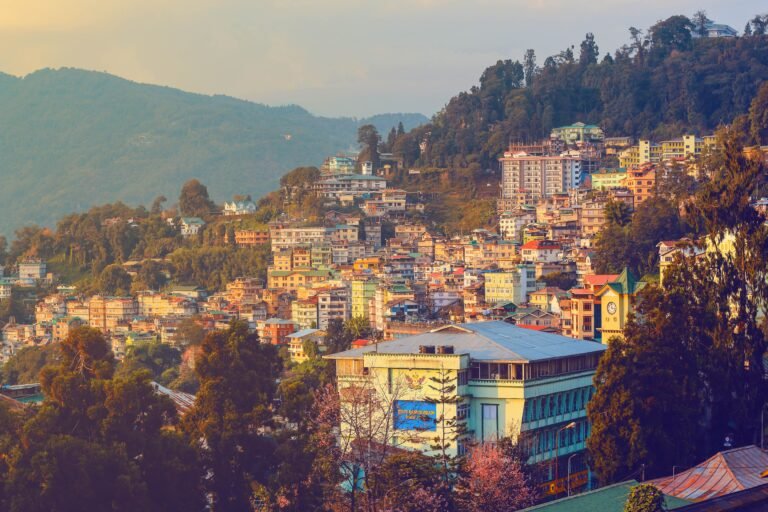
- MG Marg promenade, cable car, Enchey Monastery, Hanuman Tok, Namgyal Institute of Tibetology.
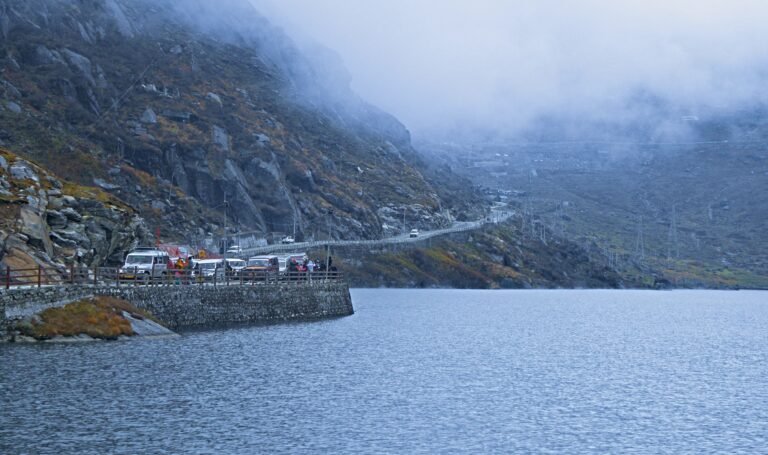
- Day trips: Tsomgo (Changu) Lake, Baba Mandir, Nathula Pass (Indian nationals only; permits required).
North Sikkim: Lachen, Lachung, Yumthang
- Yumthang Valley: “Valley of Flowers,” especially Apr–May.
- Gurudongmar Lake (approx. 17,800 ft): Spectacular but very high altitude; usually only Indian nationals allowed; acclimatize carefully.
West Sikkim: Pelling, Yuksom
- Pelling: Skywalk, Pemayangtse Monastery, Rabdentse Ruins, Khecheopalri Lake.
- Yuksom: Gateway to Goecha La trek and Kanchenjunga National Park (UNESCO World Heritage Site).
South Sikkim: Namchi, Ravangla
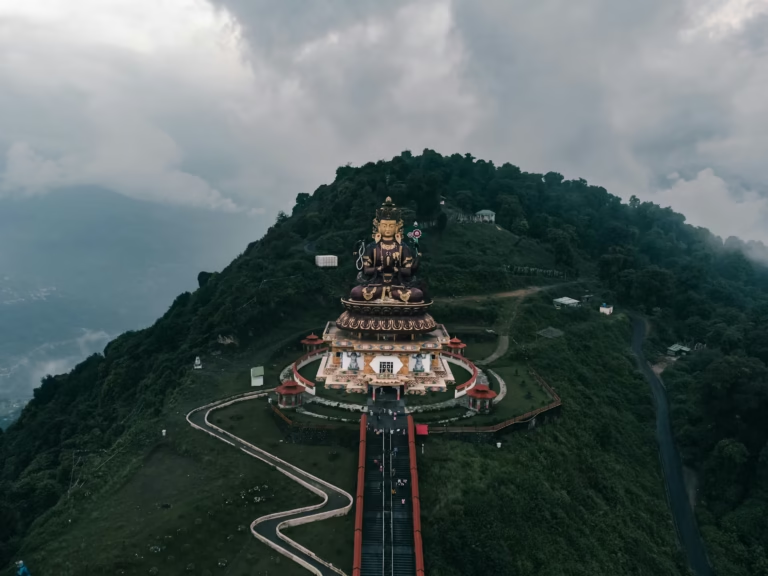
- Namchi: Char Dham complex, Temi Tea Garden (Sikkim’s only tea estate).
- Ravangla: Buddha Park, mellow stays, birding.
Offbeat: Dzongu & Zuluk
- Dzongu: Lepcha reserve with authentic homestays and river valleys.
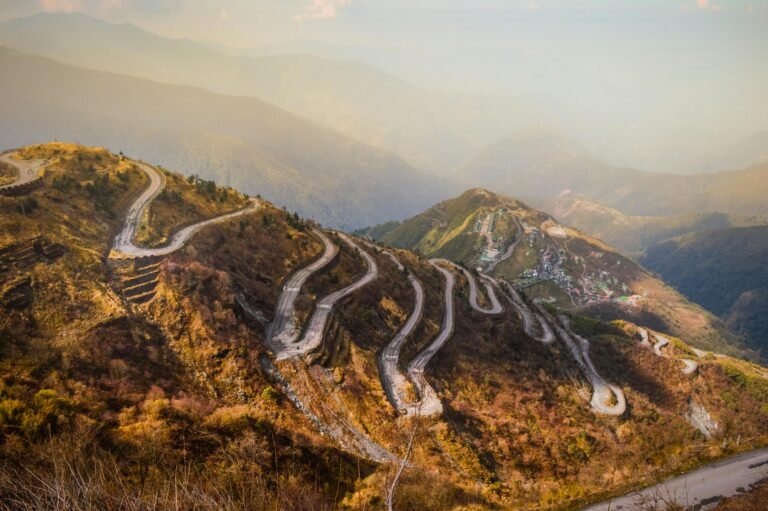
- Zuluk & Old Silk Route: Hairpin roads, sunrise points, high-altitude vistas.
Popular Tourist Circuits
- East Sikkim High Pass Circuit: Gangtok – Tsomgo Lake – Baba Mandir – Nathula (permit required; Indians only).
- North Sikkim 2D/3D Circuit: Gangtok – Lachung – Yumthang – Zero Point; optional Lachen – Gurudongmar (permits; check eligibility).
- West Heritage Circuit: Gangtok – Pelling – Yuksom – Rabdentse – Khecheopalri Lake.
- South Wellness Circuit: Namchi – Ravangla – Temi Tea Garden – Borong hot springs (seasonal).
- Silk Route Circuit (East): Rongli – Zuluk – Nathang – Kupup – Gangtok (permits; road conditions vary by season).
Activities and Experiences
- Trekking: Goecha La, Dzongri, Barsey Rhododendron Sanctuary, Kanchenjunga National Park trails.
- Adventure: Paragliding (Gangtok), mountain biking trails, river rafting on the Teesta (season-dependent).
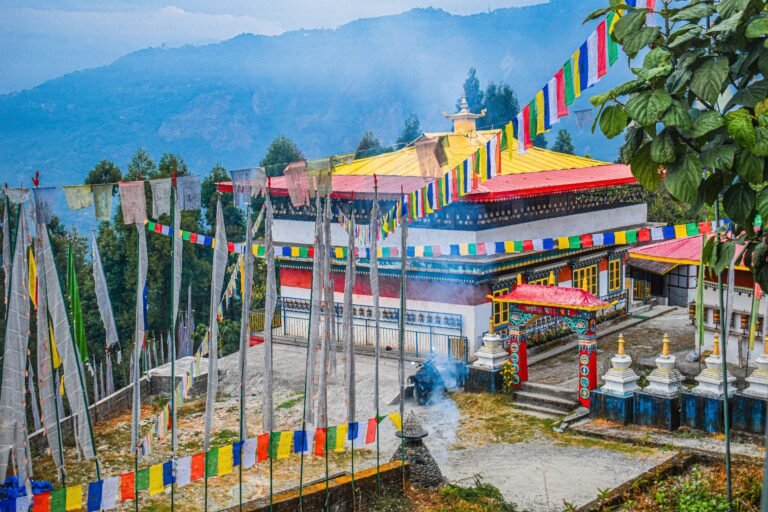
- Monastery & Culture: Rumtek, Pemayangtse, Tashiding, Ralang; traditional music and masked dances during festivals.
- Nature & Wildlife: Birding, orchidariums, rhododendron bloom (Apr–May), alpine lakes and sunrise viewpoints.
- Hot Springs: Yumthang, Ralang (check seasonal accessibility).
Festivals and Events
- Losar (Feb/March): Tibetan New Year celebrations in monasteries.
- Bumchu (Feb/March): Sacred water ceremony at Tashiding Monastery.
- Saga Dawa (May/June): Important Buddhist festival; processions in Gangtok.
- Pang Lhabsol (Aug–Sep): Unique Sikkimese festival honoring Mt. Kanchenjunga with masked dances.
- Losoong/Namsoong (Dec): Harvest/New Year for Bhutia and Lepcha communities.
- International Flower Festival (typically May): Orchids, rhododendrons, and flora exhibits in/around Gangtok.
Suggested Itineraries
5 Days: Sikkim Highlights
- Day 1: Arrive Gangtok; MG Marg, local viewpoints.
- Day 2: Tsomgo Lake – Baba Mandir; consider Nathula (permit).
- Day 3: Transfer to Pelling; Rabdentse, Pemayangtse.
- Day 4: Khecheopalri Lake; Skywalk; back to Gangtok or onward to Ravangla.
- Day 5: Namchi/Ravangla and depart.
7 Days: Classic North + West
- Days 1–2: Gangtok local + East Sikkim day trip.
- Days 3–4: Lachung – Yumthang (add Zero Point if open).
- Day 5: Return to Gangtok; rest/cafes.
- Days 6–7: Pelling – Yuksom – Khecheopalri; depart.
10 Days: In-depth Sikkim
- Gangtok (2N), North Sikkim (3N split Lachen/Lachung), West Sikkim (3N Pelling/Yuksom), South Sikkim (1–2N Namchi/Ravangla) depending on pace.
How to Reach Sikkim
- By Air: Pakyong Airport (PYG) is ~31 km from Gangtok; operations can be weather-dependent. Bagdogra Airport (IXB, West Bengal) is the main gateway, ~125 km/4–5 hours to Gangtok by road.
- By Rail: New Jalpaiguri (NJP) near Siliguri is the nearest major railhead; shared cabs/private taxis to Gangtok take ~4–5 hours.
- By Road: Well-connected from Siliguri via NH10. Shared jeeps are common and budget-friendly; private taxis are faster and more comfortable.
Approximate local transport costs (one-way):
- Siliguri/NJP/Bagdogra to Gangtok shared seat: INR 400–700; private cab: INR 3,500–6,000 depending on vehicle/season.
- Gangtok to Pelling shared seat: INR 500–900; private cab: INR 3,500–5,000.
Where to Stay in Sikkim
- Budget (INR 800–1,500/night): Hostels and guesthouses in Gangtok, Pelling, Namchi; basic homestays in Dzongu/Zuluk.
- Mid-range (INR 2,000–5,000/night): Boutique hotels and comfortable homestays across East/West/South Sikkim.
- Premium (INR 6,000–15,000+/night): View rooms in Gangtok and Pelling; select resorts near Ravangla/Namchi.
Peak season notice: Spring and autumn see high demand—book early for North Sikkim circuits and view rooms.
Estimated Trip Costs
- Daily budget (excluding flights): Backpacker INR 1,500–2,500; Mid-range INR 3,000–7,000; Premium INR 9,000+.
- North Sikkim packages (2D/1N to 3D/2N, shared basis): ~INR 4,500–9,000 per person including permits, transport, simple stays, and meals.
- Nathula day trip (vehicle + permits): ~INR 4,000–7,000 per vehicle + processing fees.
- Meals: Local eateries INR 150–350 per plate; cafes INR 300–600 per person.
Local Experiences: Food, Shopping, Culture
Food to try
- Momos, Thukpa, Phagshapa, Kinema, Gundruk, Chhurpi (cheese), Sel Roti.
- Chhang/Tongba: Traditional millet brew (where permitted).
- Temi Tea: Sample at the estate or buy in Gangtok.
Shopping
- MG Marg (Gangtok): Handicrafts, carpets, thangkas, incense, prayer flags.
- Organic produce: Large cardamom, teas, local pickles.
Culture and etiquette
- Sikkim blends Lepcha, Bhutia, and Nepali traditions; monasteries are living cultural spaces—dress modestly and ask before photographing.
- Remove hats inside temples/monasteries; keep noise low; do not touch religious objects.
Smart Budget Tips
- Use shared jeeps for intercity travel; reserve front seats early for comfort.
- Bundle permits + transport via licensed operators to save time and fees.
- Stay in homestays for included meals and cultural immersion.
- Travel in shoulder months (Mar, Nov) for good weather and better rates.
- Carry cash for remote areas; ATMs can be limited outside major towns.
Travel Tips and Seasonal Packing
- Altitude: Ascend gradually; stay hydrated; avoid heavy exertion on day one in high areas.
- Monsoon caution: Keep buffer days and travel insurance; check road conditions daily.
- Winter: Pack thermals, down jacket, gloves, and non-slip footwear.
- Spring/Autumn: Layered clothing, sun protection, light rain jacket.
- Essentials: Power bank, motion-sickness meds (winding roads), reusable water bottle, permits and IDs (2–4 passport photos).
Tips by Traveler Type
Families
- Base in Gangtok/Pelling with day trips; avoid very high-altitude spots for very young kids.
- Choose hotels with heating and on-site dining; carry snacks for long drives.
Honeymooners
- Opt for view rooms in Pelling or Ravangla; sunrise at Khecheopalri/Kanchenjunga viewpoints.
- Consider a slower itinerary with spa time and a night in a tea-estate stay.
Friends/Adventure Groups
- Target Goecha La/Dzongri treks, paragliding, rafting (seasonal), and the Silk Route drive.
- Shared vehicles lower costs; carry offline maps for patchy network zones.
Permits, Safety and Responsible Travel
- Entry permits: Foreign nationals require an Inner Line/Restricted Area Permit (ILP/RAP) to enter Sikkim (issued free at designated check posts and some offices; carry passport/visa and photos).
- Protected areas: North Sikkim (Lachen/Lachung/Yumthang), Gurudongmar, Nathula, and the Silk Route require Protected Area Permits processed via registered tour operators. Nathula is typically open only to Indian nationals on designated days; foreigners usually cannot visit Gurudongmar.
- Documents: Carry government ID (Indians) or passport/visa (foreigners) and 2–4 passport photos.
- Road safety: Mountain roads are winding; start early, use seatbelts, and avoid late-night intercity travel.
- Environment: Sikkim is proudly organic—avoid litter, carry back plastics, and respect wildlife.
FAQs about Visiting Sikkim
Q: What is the best time to visit Sikkim for clear mountain views?
A: September–November and March–May usually offer the clearest skies and stable conditions for Himalayan vistas.
Q: Is Sikkim safe during the monsoon?
A: Yes, but expect heavy rainfall, fog, and possible landslides. Keep buffer days, choose central bases (Gangtok, Namchi), and check road advisories before setting out.
Q: Can foreign nationals visit North Sikkim and Nathula?
A: Foreigners need an ILP to enter Sikkim and special permits for protected areas. Access is generally allowed up to certain points in North Sikkim (like Yumthang) but typically not to Nathula or Gurudongmar. Always confirm the latest rules with a licensed operator.
Q: How many days are enough for Sikkim?
A: Five days cover highlights (Gangtok, Pelling, Tsomgo). A week adds North Sikkim. Ten days allow a relaxed circuit across East, North, West, and South Sikkim.
Q: Do I need to book permits in advance?
A: Permits are usually arranged 1–2 days in advance by registered operators. During peak season, initiate the process earlier and carry required IDs and photos.
Conclusion
Sikkim shines in spring and autumn with flower-filled valleys, crisp skies, and sweeping views of Kanchenjunga. Choose circuits that match your pace, factor in permits and altitude, and balance iconic sights with slow-time in tea gardens and monasteries. With thoughtful planning, Sikkim rewards every traveler—families, couples, and adventure seekers alike.