Table of Contents
- Introduction
- Best Time to Visit Gangtok (Snow, Views & Clear Skies)
- Must-Visit Places in Gangtok
- Local Experiences: Food, Shopping & Culture
- Nearby Getaways from Gangtok
- How to Reach Gangtok
- Where to Stay in Gangtok
- Estimated Trip Costs
- Travel Tips for Gangtok
- FAQs
- Conclusion
Introduction
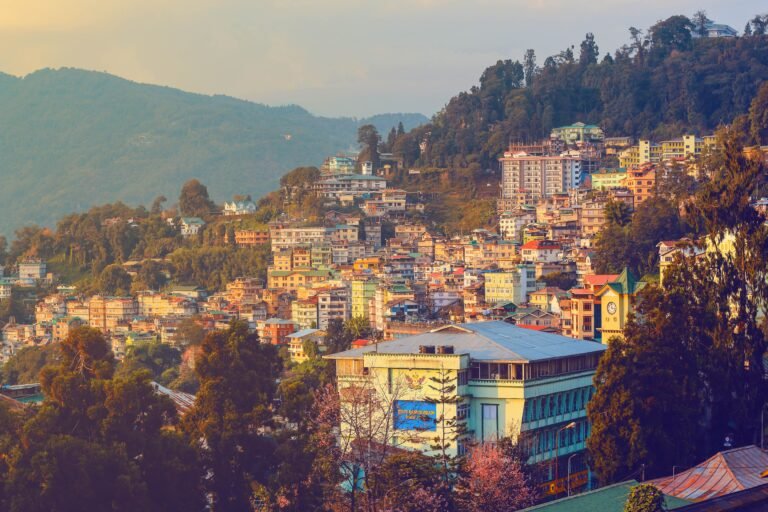
Perched at around 1,650 m in the Eastern Himalaya, Gangtok blends crisp mountain air, Buddhist monasteries, and sweeping Kanchenjunga views. Whether you’re chasing snowfall at high passes, postcard-clear skylines, or mild weather for sightseeing and flowers, timing your trip makes all the difference. This guide breaks down exactly when to visit Gangtok for snow, views and clear skies—plus what to do, how to reach, where to stay, and smart budgeting tips.
Best Time to Visit Gangtok (Snow, Views & Clear Skies)
For Snow (Dec–Feb; sometimes into Mar/Apr at higher altitudes)
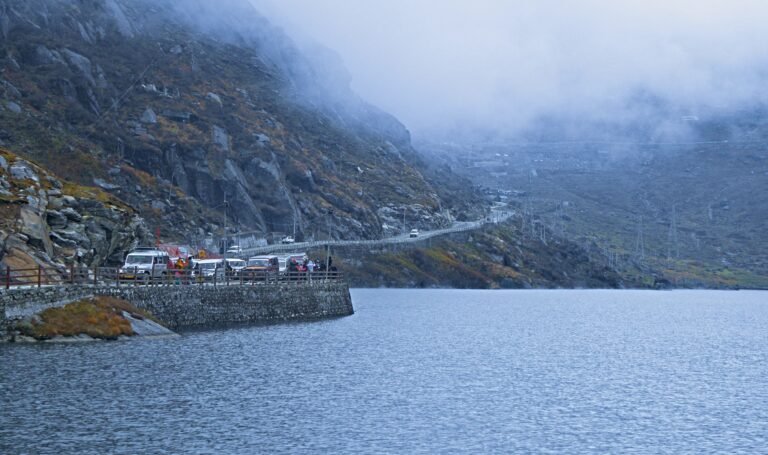
- In Gangtok town, snowfall is rare. For reliable snow, head higher to Tsomgo (Changu) Lake (3,753 m), Nathula Pass (4,310 m) (Indian nationals only), Kupup, and North Sikkim’s Lachung–Yumthang–Zero Point.
- Peak snow window: late December to February. Snow can linger into March/April near Yumthang/Zero Point, depending on the season.
- Expect road closures during fresh snowfall; permits are mandatory and issued via registered operators.
For Panoramic Views & Crystal-Clear Skies (Oct–Nov; also late Feb–Apr mornings)
- Post-monsoon (Oct–Nov) brings the best visibility of Kanchenjunga—cool, crisp days and minimal haze.
- Late Feb–Apr offers clear mornings, with light afternoon clouds. Bonus: rhododendrons start blooming from late March.
Pleasant Weather & Blossoms (Mar–May)
- Comfortable temperatures in Gangtok for sightseeing, paragliding, and monastery visits.
- April–May is peak bloom for rhododendrons (especially around Yumthang if you add North Sikkim).
Monsoon Travel (Jun–Sep): Lush but Low Visibility
- Expect frequent rain, fog, and landslide-related delays. Mountain views are often obscured.
- Upside: fewer crowds, lower hotel rates, verdant valleys.
Gangtok Weather by Month (Typical)
- Dec–Feb: 0–4°C nights, 5–12°C days; town is cold and dry; snow at higher passes.
- Mar–Apr: 5–8°C nights, 12–18°C days; clearer mornings; blooms begin.
- May: 10–14°C nights, 18–22°C days; warmer, clouds build late day.
- Jun–Sep: 15–20°C; frequent rain, fog, road disruptions possible.
- Oct–Nov: 5–8°C nights, 10–18°C days; driest, clearest views.
Festival Calendar & Crowds
- Losar (Tibetan New Year): Feb/March – monasteries come alive; winter travel conditions apply.
- Saga Dawa: May/June – important Buddhist observance.
- Pang Lhabsol: Aug/Sep – unique Sikkimese festival (monsoon window).
- During major festivals and Oct–Nov, book stays and permits early.
Permits, Closures & Local Rules
- Tsomgo Lake/Nathula Pass: Protected areas; permits required for all visitors via registered tour operators. Nathula is open only to Indian nationals and can close without notice due to weather/security; it’s commonly closed certain weekdays.
- Foreign nationals: Need a Restricted/Inner Line Permit (RAP/ILP) to enter Sikkim; additional permits apply for protected zones (access typically allowed up to Tsomgo, not Nathula).
- Carry original photo ID and a few passport photos for permits.
Must-Visit Places in Gangtok
- MG Marg (traffic-free boulevard): Cafés, local cuisine, evening strolls. Best year-round; clearest skies Oct–Nov.
- Gangtok Ropeway: Birds-eye views over town. Best on clear mornings (Oct–Nov; Feb–Apr).
- Tashi View Point: Sunrise over Kanchenjunga. Sharpest views Oct–Nov.
- Hanuman Tok & Ganesh Tok: Panoramic city and peak vistas; pair with clear-sky months.
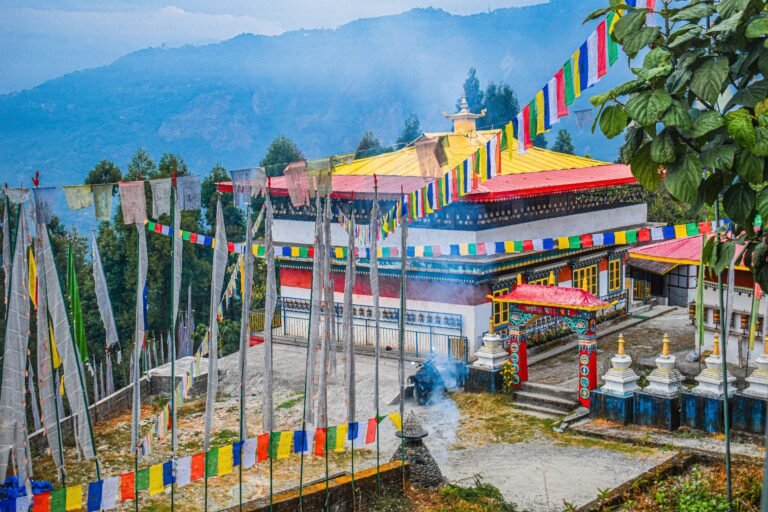
- Enchey Monastery & Do Drul Chorten: Quiet spiritual stops; anytime.
- Namgyal Institute of Tibetology & Handicrafts Emporium: Culture and crafts; great for rainy hours.
- Rumtek Monastery (24 km): Major Kagyu seat; scenic drive; best Oct–Nov or Feb–Apr.
- Banjhakri Falls & Himalayan Zoological Park: Nature escapes; avoid heavy monsoon days.
- Flower Exhibition Centre (Ridge Park): Seasonal blooms; Apr–May is prime.
- Tsomgo Lake, Baba Mandir, Nathula Pass (day trip): Snow and alpine scenery Dec–Feb; permits required.
Local Experiences: Food, Shopping & Culture
Food & Drinks to Try
- Momos and thukpa/gyathuk (noodle soups) on MG Marg.
- Phagshapa (pork with radish), gundruk, kinema (fermented soybean), chhurpi (local cheese).
- Dalle khursani (fiery cherry pepper pickle) and Temi Tea (Sikkim’s famed tea).
- Warm up with butter tea or millet-based traditional brews in village stays.
Cultural Highlights
- Monastic rituals at Enchey or Rumtek; be respectful with dress and silence.
- Buddhist iconography at the Institute of Tibetology.
- Evening promenade on MG Marg with local performances during festivals and peak seasons.
Shopping Guide
- Lal Bazaar/Kanchendzonga Shopping Complex: Spices, teas, organic produce, dalle pickle.
- Handloom & Handicrafts Emporium: Carpets, thangkas, handmade paper, masks.
- Look for ethically sourced woolens, prayer flags, and sustainable souvenirs.
Nearby Getaways from Gangtok
- North Sikkim (Lachung–Yumthang–Zero Point; Lachen–Gurudongmar): 6–7 hrs drive; snow Dec–Apr; permits essential.
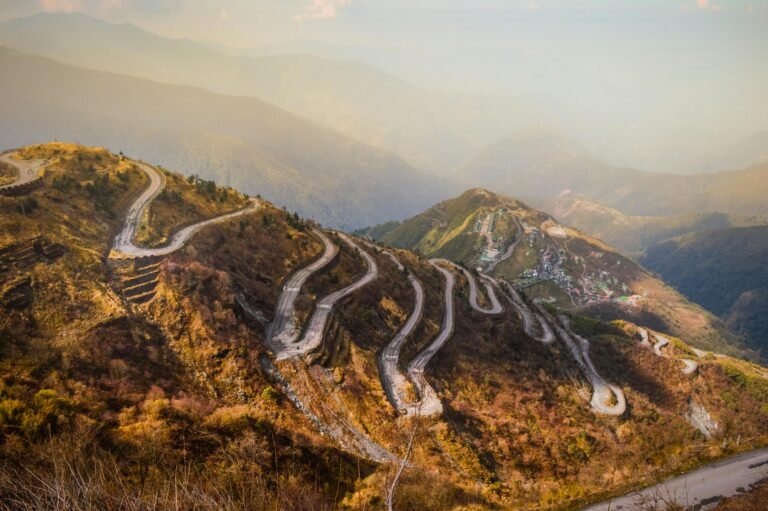
- Zuluk & Old Silk Route: 4–5 hrs; endless hairpins and winter snow; great Oct–Nov for views.
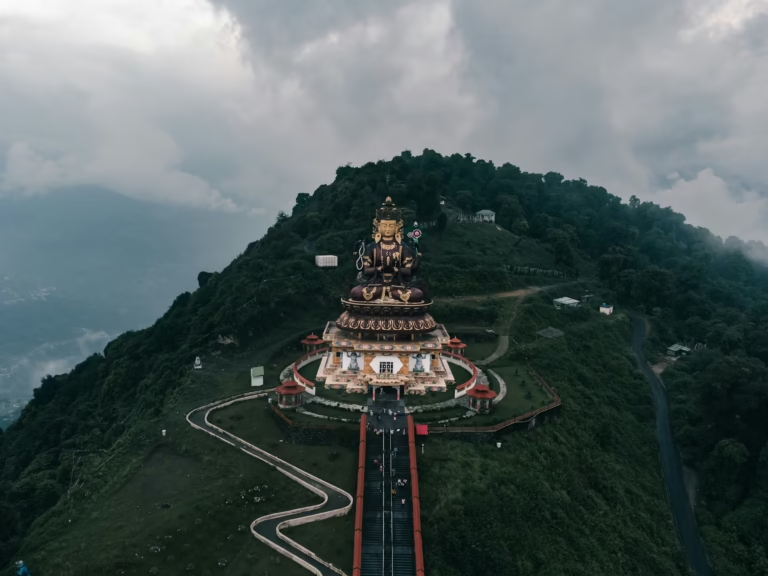
- Ravangla & Namchi: 2.5–3 hrs; Buddha Park, Samdruptse; milder weather.
- Pelling: 4–5 hrs; Rabdentse ruins, Sky Walk, Kanchenjunga views.
- Kalimpong/Darjeeling (West Bengal): 2.5–4.5 hrs; tea gardens and colonial-era charm.
How to Reach Gangtok
By Air
- Bagdogra (IXB), ~125 km/4–5.5 hrs by road, is the most reliable gateway with multiple daily flights.
- Pakyong (PYG), ~31 km/1–1.5 hrs, is closer but flights are weather-dependent and irregular.
By Rail
- New Jalpaiguri (NJP) near Siliguri is the nearest major railhead (~120 km). Taxis/shared jeeps connect to Gangtok.
By Road
- Regular shared jeeps and private taxis from Siliguri/NJP/Bagdogra.
- Travel time varies with weather and landslide zones, especially Jun–Sep and in deep winter on high routes.
Local Transport
- Local taxis for intra-city travel; day-trip cabs for Tsomgo/Nathula and monasteries.
- Gangtok’s hills mean many walks involve stairs; comfortable shoes recommended.
Where to Stay in Gangtok
Best Areas
- MG Marg & Near Ridge Park: Car-free vibe, cafés, shops; easiest for first-time visitors.
- Development Area/Lower Sichey: Quieter stays with city views; short cab to MG Marg.
- Rumtek side/ outskirts: Boutique retreats amid nature; longer drives to town.
Accommodation Types & Typical Prices (per night)
- Budget hostels/guesthouses: INR 800–1,500 for dorms/basic doubles.
- Mid-range hotels/boutique stays: INR 2,500–6,000.
- Premium/luxury resorts: INR 6,000–12,000+ (views and amenities raise rates).
- Peak rates apply in Oct–Nov and around major festivals; winter deals are common except on snow-day demand spikes for high-pass trips.
Estimated Trip Costs
Transfers & Day Trips (参考)
- Bagdogra/NJP → Gangtok (private cab): INR 3,500–6,000 depending on vehicle/season.
- Shared jeep seat: INR 400–800 per person.
- Tsomgo Lake + Baba Mandir day trip (permit + cab): ~INR 4,500–7,000 per vehicle (permits extra, often INR 200–400 per person).
- Tsomgo + Nathula (Indians only): ~INR 5,500–8,500 per vehicle (season-dependent).
- Ropeway ticket: ~INR 150–250 per adult (approx.).
Daily Budgets (per person)
- Budget: INR 1,800–3,000 (shared transport, local eateries, budget stay).
- Mid-range: INR 3,500–7,000 (private cabs for day trips, boutique hotels, café meals).
- Premium: INR 7,000–15,000+ (view rooms, guided trips, fine dining/spa).
Travel Tips for Gangtok
General Tips
- Permits: Arrange protected-area permits (Tsomgo/Nathula) at least a day ahead via a registered operator; carry original ID and passport photos.
- Cash & Connectivity: ATMs exist but carry some cash for permits/remote cafés; mobile data can be patchy in high-altitude zones.
- Weather Windows: For Kanchenjunga views, start early (sunrise to mid-morning).
- Responsible Travel: Avoid single-use plastic at high-altitude lakes; follow monk/monastery etiquette.
Packing Checklist by Season
- Winter (Dec–Feb): Down jacket, thermal layers, gloves, beanie, warm socks, high-traction shoes, lip balm, moisturizer.
- Spring/Autumn (Mar–May; Oct–Nov): Layerable fleece, windproof shell, sunglasses, sunscreen (UV is strong), comfy walking shoes.
- Monsoon (Jun–Sep): Waterproof jacket, quick-dry clothing, rain cover for bags, insect repellent, spare socks.
Altitude & Health
- Gangtok sits at moderate altitude, but Tsomgo/Nathula/Yumthang are high. Move slowly, stay hydrated, avoid heavy exertion.
- Consult a doctor if you have heart/respiratory issues; carry personal medicines. Children and elderly should be cautious at high passes.
Traveler-Specific Guidance
- Families: Pick MG Marg–area stays for easy meals and stroller-friendly walks; choose Tsomgo over Nathula for younger kids and monitor altitude symptoms.
- Honeymooners: Book view rooms Oct–Nov or late Feb–Apr; plan a sunrise at Tashi View Point and a quiet day at Rumtek or a tea retreat.
- Friends/Backpackers: Use shared jeeps for budget transfers; try paragliding, short forest hikes, and café-hopping on MG Marg.
FAQs
Q: When is the best time to see snow near Gangtok?
A: Late December to February offers the best chance at Tsomgo Lake, Nathula Pass (Indians only), and Kupup. Snow can persist into March/April around Yumthang and Zero Point in North Sikkim.
Q: Which months have the clearest Kanchenjunga views from Gangtok?
A: October and November deliver the sharpest visibility. Late February to April also brings clear mornings with occasional afternoon clouds.
Q: Is Gangtok suitable during the monsoon?
A: You can visit June–September for lush scenery and lower rates, but expect rain, fog, and possible road delays. Mountain views are often obscured.
Q: Do foreigners need permits to visit Gangtok and nearby attractions?
A: Foreign nationals require a Restricted/Inner Line Permit (RAP/ILP) to enter Sikkim. Additional permits are needed for protected zones like Tsomgo. Nathula Pass is restricted to Indian nationals.
Q: How many days are ideal for Gangtok?
A: Allocate 3–4 days for Gangtok and a Tsomgo day trip. Add 2–3 more days if you’re including North Sikkim (Lachung/Yumthang or Lachen/Gurudongmar).
Conclusion
For snowfall, aim for late December to February at higher-altitude day trips out of Gangtok. For the clearest Himalayan views, October–November is unmatched, with late February–April offering bright mornings and comfortable sightseeing. Plan permits in advance, start early for views, and pack in layers. With thoughtful timing, Gangtok rewards you with serene monasteries, vibrant food culture, and luminous Kanchenjunga panoramas.