Table of Contents
- Introduction: Lachung for a Romantic Mountain Escape
- 3-Day Romantic Lachung Itinerary (With Optional 4th Day)
- Must-Visit Romantic Places in Lachung
- Best Time to Visit Lachung for Couples
- How to Reach Lachung
- Where to Stay: Romantic Accommodation in Lachung
- Estimated Trip Costs for Couples
- Local Culture & Food in Lachung
- Shopping Guide: What to Buy
- Nearby Getaways from Lachung
- Travel Tips by Traveler Type
- Essential Packing, Permits & Safety
- FAQs about Lachung
- Conclusion
Introduction: Lachung for a Romantic Mountain Escape
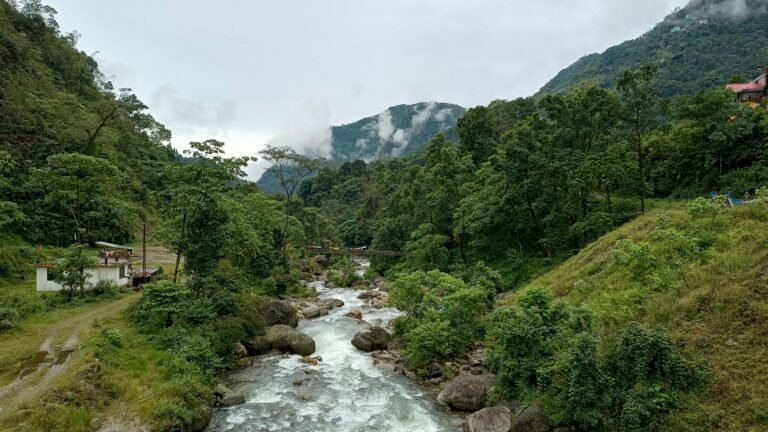
Cradled at around 2,600 m in North Sikkim, India, Lachung is a serene Himalayan town where pine-clad slopes, apple orchards, and the gurgling Lachung Chu set the mood for slow, heartwarming travel. Couples come here for the pastel blooms of Yumthang Valley, the hush of starry nights, and the cozy comfort of mountain homestays. This guide blends a practical, couple-friendly itinerary with local culture, costs, and tips—so you can plan a memorable escape without the guesswork.
3-Day Romantic Lachung Itinerary (With Optional 4th Day)
Day 1: Gangtok to Lachung (115 km | 5–7 hours)
- Morning: Depart Gangtok by 8:00 a.m. Stops en route at Singhik Viewpoint (clear Kanchenjunga views on a good day), Seven Sisters Waterfall, and Naga Waterfall.
- Afternoon: Lunch at Chungthang. Arrive in Lachung by late afternoon; check in to a homestay or boutique lodge.
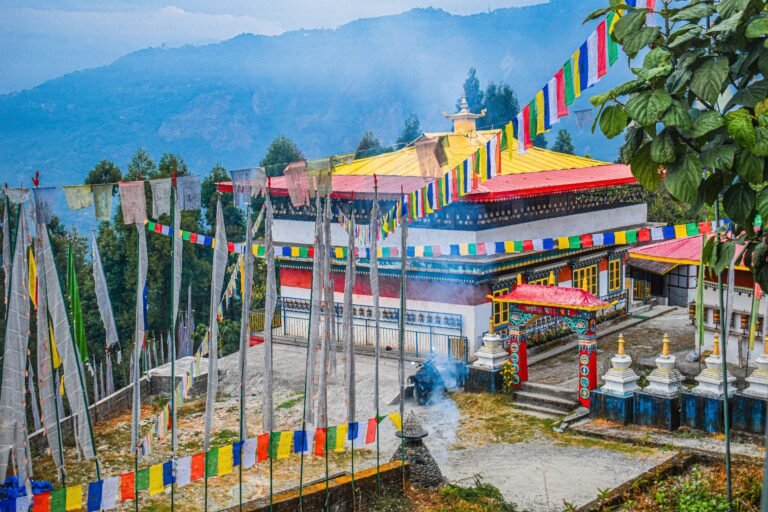
- Sunset: Walk up to Lachung Monastery for prayer flags and soft evening light.
- Evening: Cozy dinner with a set menu (most stays include simple homestyle meals). If skies are clear, step out for stargazing; the valley’s low light makes for a romantic canopy of stars.
Day 2: Yumthang Valley & Optional Zero Point
- Early morning: Drive to Yumthang Valley (Valley of Flowers) via Shingba Rhododendron Sanctuary. Best light before 9:00 a.m.
- Experience: Hand-in-hand walk by the river meadows; in spring, blooming rhododendrons paint the slopes.
- Hot Springs: Stop at the Yumthang Hot Spring (basic facility) for a warm dip.
- Optional Adventure: Continue to Zero Point (Yumesamdong) if open. It’s high altitude and weather-dependent; start early and keep it brief.
- Afternoon: Return to Lachung. Visit a nearby orchard (seasonal) or a riverside spot for a quiet picnic and mountain tea.
- Evening: Bonfire at your stay (ask in advance) and an early night—roads begin early next day.
Day 3: Waterfalls & Village Time, then Back to Gangtok
- Sunrise: Short nature walk near the river.
- Late morning: Visit Bhim Nala Falls (one of the tallest in the area) en route back.
- Afternoon/Evening: Reach Gangtok and unwind—spa or café time to conclude your romantic escape.
Optional Day 4: Katao or Slow Day in Lachung
- Katao (if accessible): Snowy slopes and viewpoints; extra permits may be required. Access may be restricted for foreign nationals—check locally.
- Slow Day Idea: Sleep in, book a local cooking session at your homestay, browse small village shops, and do a sunset monastery revisit.
Weather Contingency
- If Yumthang/Zero Point are shut due to snow or landslides, swap in a relaxed village walk, monastery visit, and extended time at waterfalls and riverside meadows.
Must-Visit Romantic Places in Lachung
- Yumthang Valley: Pastel flower meadows, river bends, and mountain overlooks—signature couples’ photos.
- Shingba Rhododendron Sanctuary: Spring bloom corridor; do not pluck flowers.
- Zero Point (Yumesamdong): Stark, snow-draped vistas; high altitude—keep it short.
- Lachung Monastery: Peaceful, with prayer flags and valley views.
- Bhim Nala Falls: Misty spray and thunderous sound for a dramatic backdrop.
- Village & Riverside Walks: Quiet bridges, wooden homes, and apple orchards (seasonal).
Best Time to Visit Lachung for Couples
- March–May: Rhododendrons in bloom; mild days, chilly nights. Most romantic for flower lovers.
- October–December: Clear skies and crisp air—great for views and stargazing.
- January–February: Heavy snowfall possible; roads and attractions may close.
- June–September (Monsoon): Landslides and road blocks are common; travel often discouraged.
How to Reach Lachung
- By Air: Fly to Bagdogra (IXB) or Pakyong (PYG). Bagdogra has wider connectivity; Pakyong flights can be weather-dependent.
- By Rail: New Jalpaiguri (NJP) is the nearest major railhead.
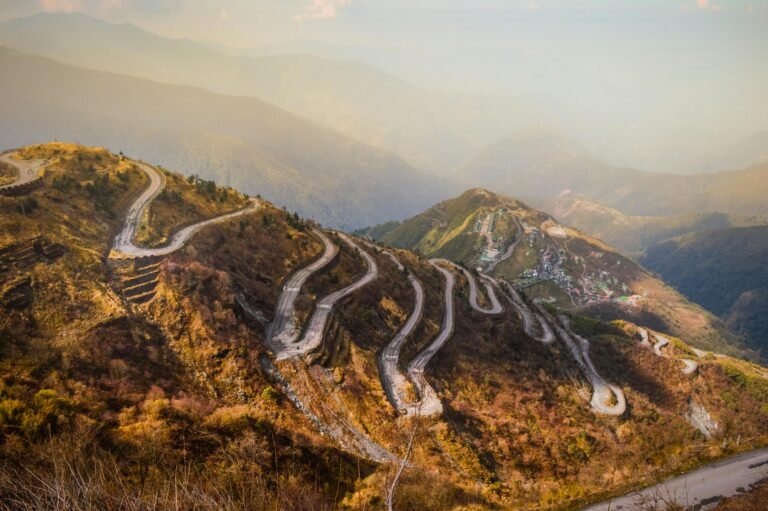
- By Road: NJP/Bagdogra → Gangtok (4–5 hours). Gangtok → Lachung (5–7 hours) via North Sikkim Highway.
- Permits & Transport: Lachung/Yumthang lie in a restricted area. All travelers need permits arranged via registered tour operators; carry ID and photos. Most couples book a North Sikkim package with a private SUV and permits included.
- Road Conditions: Mountainous, narrow, and weather-prone. Start early and keep buffers.
Where to Stay: Romantic Accommodation in Lachung
Lachung offers cozy homestays and small hotels, many with valley or river views. Expect basic to comfortable rooms, warm hospitality, and set-menu meals.
- Best for couples: Boutique lodges or premium homestays with balconies, heaters (often extra charge), and on-demand bonfires.
- Rooms: Double rooms with mountain views; ask for higher floors for better vistas.
- Inclusions: Breakfast and dinner are commonly included; lunch often arranged en route.
- Power & Wi-Fi: Intermittent; carry power banks. Wi-Fi may be slow or unavailable.
Estimated Trip Costs for Couples
- 2N/3D North Sikkim (Gangtok–Lachung–Yumthang):
- Budget: ₹14,000–₹18,000 per person (shared vehicle, standard stay, meals often included).
- Mid-range private SUV + comfortable stay: ₹28,000–₹40,000 per couple.
- Zero Point add-on: ₹3,000–₹5,000 per vehicle (weather/permit dependent).
- Accommodation only: ₹2,000–₹6,000 per night (double, seasonal).
- Meals: ₹300–₹600 per person per meal (if not included).
- Permits: Usually bundled with packages; confirm in advance.
- Tips & Bonfire: ₹300–₹800 extra (as applicable).
Note: Prices fluctuate by season, vehicle type, and room category. Always confirm inclusions (permits, meals, fuel, driver allowance).
Local Culture & Food in Lachung
Lachung is home to Lepcha and Bhutia communities, with Buddhism shaping local life. Expect quiet evenings, traditional homes, and warm smiles.
- What to eat: Momos, thukpa, phagshapa (pork with radish), gundruk soup, alu dum (Sikkimese style), chhurpi (yak cheese), and warm butter tea.
- Drinks: Local millet brews (tongba/chang) are sometimes available; consume moderately due to altitude.
- Experiences: Try a homestay cooking session, attend evening prayers at the monastery, and learn about prayer flag symbolism.
Shopping Guide: What to Buy
- Local handicrafts: Handwoven woolens, shawls, and carpets.
- Edibles: Rhododendron squash (seasonal), organic tea, yak cheese (chhurpi).
- Souvenirs: Prayer flags, small thangka prints, bamboo craft.
- Tip: Lachung has small markets; for wider selection and ATMs, shop in Gangtok before/after.
Nearby Getaways from Lachung
- Lachen (3–4 hours): Gateway to Gurudongmar Lake; better as a separate overnight trip.
- Dzongu (4–5 hours): A serene Lepcha reserve—ideal for offbeat, eco-stays.
- Gangtok (5–7 hours): Cafés, ropeway, monasteries, and last-minute shopping.
Travel Tips by Traveler Type
For Honeymooners/Couples
- Choose a room with a balcony/heater and pre-book a bonfire night.
- Carry warm layers for dawn/dusk photos; bring a mini tripod for couple shots.
- Keep Zero Point optional—don’t overexert on your first high-altitude day.
For Families
- Pick central stays with easy access and hot water availability.
- Limit time at high altitude (Zero Point) with young kids; keep cocoa, snacks, and extra layers.
- Ask for earlier dinners to match kids’ routines.
For Friends/Groups
- Consider a private SUV for flexibility in photo stops and music.
- Book rooms close together; confirm bonfire permissions and quiet hours.
- Carry board games/cards for cozy nights when the internet is out.
Essential Packing, Permits & Safety
- Permits: North Sikkim permits are mandatory. Indians need valid photo ID; foreigners need Protected Area Permits via registered operators and are typically not allowed to visit certain zones (e.g., Zero Point/Katao). Rules change—confirm before booking.
- Packing: Layered thermals, fleece/down jacket, waterproof shell, beanie, gloves, wool socks, sturdy shoes, sunscreen, lip balm, sunglasses, personal meds, and a power bank.
- Health & Altitude: Hydrate well, ascend gradually, avoid alcohol on high-altitude days. If you feel headache/nausea at Zero Point, descend promptly. Consult your doctor about altitude medication if needed.
- Connectivity & Cash: Mobile data is patchy; BSNL/Jio may work better. Withdraw cash in Gangtok; ATMs in North Sikkim are limited.
- Road Safety: Start early, wear seatbelts, and avoid travel during heavy rain/snow. Follow army and police advisories at checkpoints.
- Sustainability: Carry back all waste, skip single-use plastics, and never pick flowers or disturb wildlife.
FAQs about Lachung
Q: Is Lachung good for a honeymoon?
A: Yes. Its quiet valleys, cozy homestays, and scenic drives to Yumthang make it one of Sikkim’s most romantic escapes. Plan a 2N/3D trip for an unhurried experience.
Q: Do I need a permit to visit Lachung and Yumthang?
A: Yes. North Sikkim is a restricted area. Registered tour operators arrange permits for Indians and Protected Area Permits for foreigners. Carry valid photo ID and passport-size photos.
Q: Can foreign nationals visit Zero Point?
A: Access to Zero Point and some border-adjacent zones is often restricted for foreign nationals. Check the latest rules with a registered Sikkim operator before you finalize plans.
Q: When is the best time to see flowers in Yumthang Valley?
A: March to May is bloom season in the Shingba Rhododendron Sanctuary, with colors peaking in late spring depending on snowfall.
Q: How many days are enough for Lachung?
A: Two nights and three days are ideal for Yumthang, with an optional Zero Point add-on. Add one more night if you want Katao or a slow day.
Conclusion
Lachung blends high-mountain drama with small-town warmth, giving couples a balanced escape of scenic drives, flower-filled meadows, monastery calm, and slow, starry nights. Visit in spring for blooms or in autumn for clear skies, keep your pace gentle, and let the valley’s quiet beauty do the rest.