Table of Contents
- Introduction
- Best Time to Visit
- Top Cities and Places in Sikkim
- Popular Tourist Circuits
- Activities and Experiences
- Festivals and Events
- Sample Itineraries (5, 7, and 10 Days)
- How to Reach Sikkim
- Getting Around (Local Transport)
- Permits and Regulations
- Where to Stay
- Estimated Trip Cost
- Local Food & Drink
- Shopping
- Culture & Etiquette
- Tips for Different Travelers
- Practical Packing & Safety Tips
- Responsible Travel in Sikkim
- FAQs
- Conclusion
Introduction
Sikkim packs Himalayan drama into a compact, traveler-friendly state: prayer flag-lined ridges, rhododendron valleys, teal lakes, ancient monasteries, and postcard views of Mt. Kanchenjunga. Planning a Sikkim tour from scratch is easy when you understand its four regions (East, West, North, South), permit rules, and terrain-driven travel times. This guide walks you through seasons, circuits, costs, and itineraries—so your trip feels effortless, whether you’re chasing snow, flowers, or silence.
Best Time to Visit
- October–November: Crystal-clear mountain views after the monsoon; popular for sightseeing and trekking.
- March–June: Bloom season (rhododendrons in April–May), mild to warm days; great for families and trekkers.
- December–February: Cold; snow at higher altitudes (Tsomgo, North Sikkim). Roads can close during heavy snowfall.
- June–September (Monsoon): Lush but risky; landslides and road closures possible. Travel buffers recommended.
Top Cities and Places in Sikkim
East Sikkim
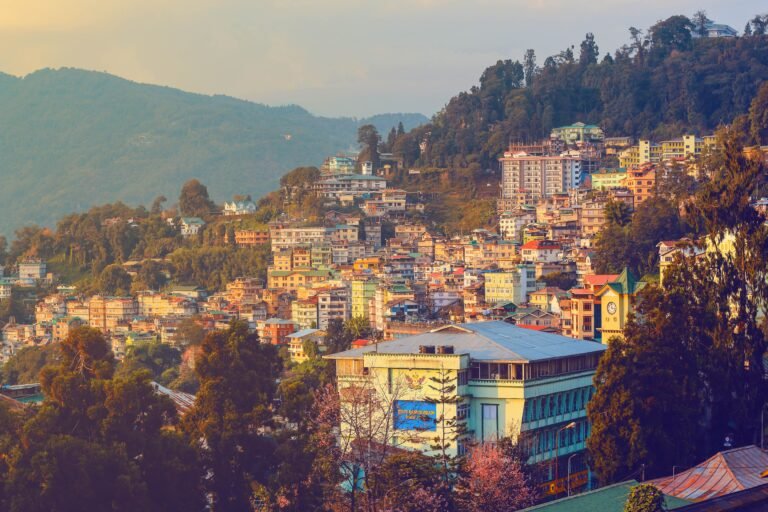
- Gangtok: Capital city with MG Marg promenade, ropeway, Institute of Tibetology, Enchey Monastery.
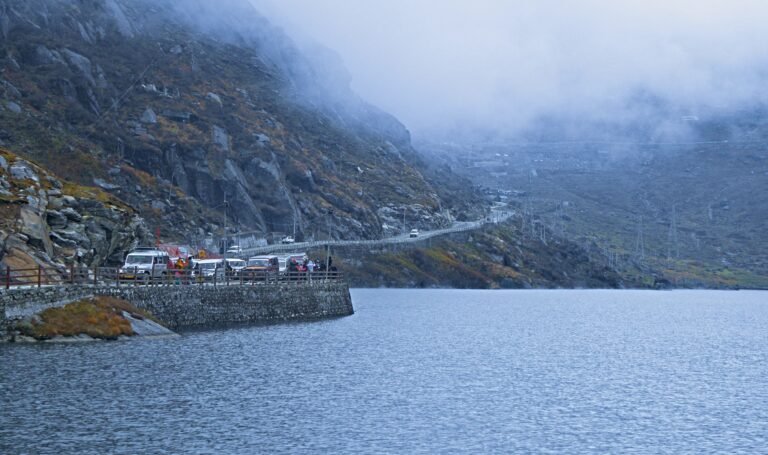
- Tsomgo (Changu) Lake: Glacial lake with seasonal snow; yak rides; permits required.
- Nathula Pass: Historic Silk Route border pass (Indo–China). Indian nationals only; closed on certain weekdays and in bad weather.
North Sikkim
- Yumthang Valley: “Valley of Flowers,” best in April–May; hot springs nearby.
- Lachen & Gurudongmar Lake: Stark, high-altitude beauty (risk of AMS; permits mandatory). Foreigners are generally not permitted to Gurudongmar.
- Lachung: Base for Yumthang and Zero Point (seasonal access).
West Sikkim
- Pelling: Kanchenjunga views, Sky Walk, Pemayangtse Monastery, Rabdentse ruins.
- Yuksom: Gateway to Dzongri/Goecha La treks; historic coronation site.
- Khecheopalri Lake: Sacred, serene lake amid forests.
South Sikkim
- Namchi: Samdruptse statue, Solophok (Char Dham complex), panoramas.
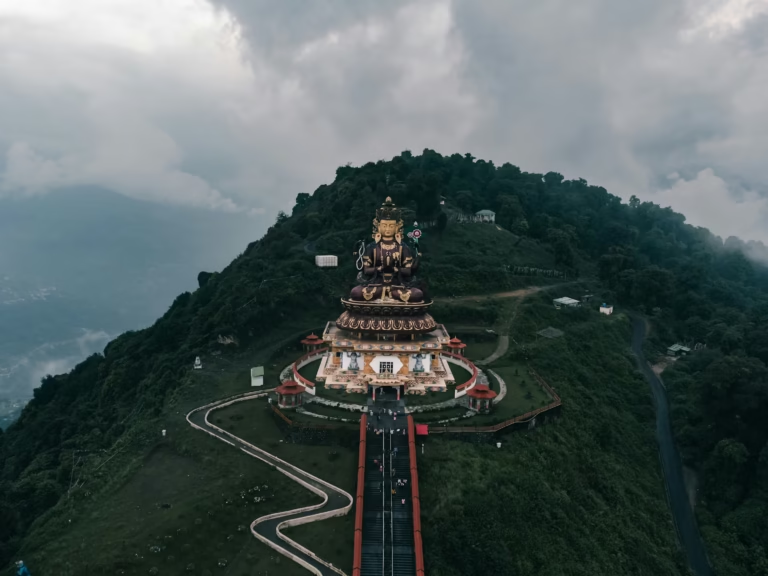
- Ravangla: Buddha Park (Tathagata Tsal), gentle hikes, birding.
- Temi Tea Garden: Sikkim’s only tea estate; scenic drives and tastings.
Offbeat Silk Route (East)
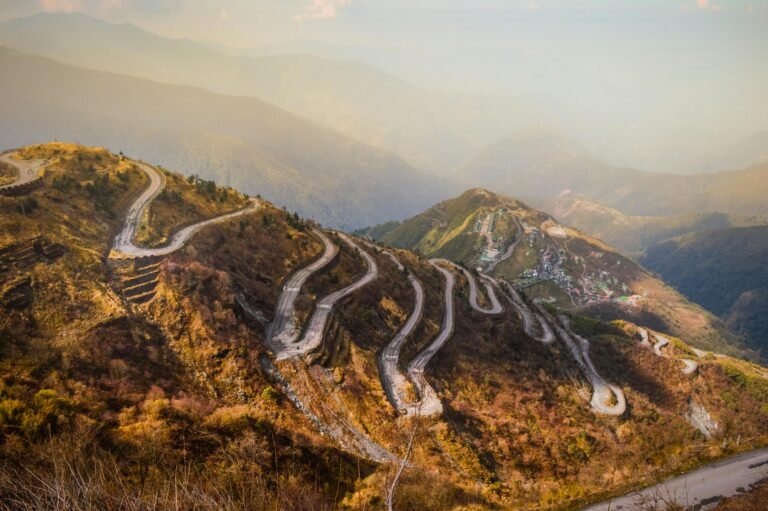
- Zuluk–Gnathang–Kupup: Hairpin-laced ancient trade route, sunrise points; permits required; basic stays.
Popular Tourist Circuits
- Gangtok–Tsomgo–Baba Mandir–(Nathula): Classic day trip from Gangtok.
- North Sikkim 2N/3D: Gangtok–Lachen (Gurudongmar)–Lachung (Yumthang)–Gangtok.
- West Sikkim 2–3N: Gangtok–Pelling–Yuksom–Khecheopalri.
- South Sikkim 1–2N: Gangtok–Ravangla–Namchi–Temi.
- Old Silk Route 2–3N: Rongli–Zuluk–Gnathang–Kupup–Aritar (road/season dependent).
Activities and Experiences
Adventure & Outdoors
- Trekking: Dzongri/Goecha La, Varsey Rhododendron Sanctuary, Maenam Wildlife Sanctuary.
- Paragliding: Gangtok (season/visibility dependent).
- River Rafting: Teesta and Rangit (grade II–III stretches).
- High-Altitude Lakes & Passes: Tsomgo, Gurudongmar, Nathula (permits/weather).
Nature & Wildlife
- Kanchenjunga National Park (UNESCO): Alpine meadows, glaciers, rich birdlife.
- Hot Springs: Yumthang, Ralang.
Culture & Spiritual
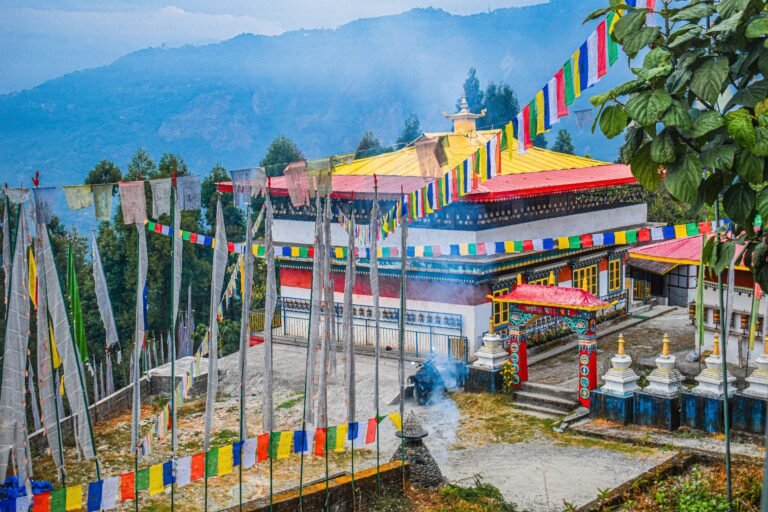
- Monasteries: Rumtek, Pemayangtse, Tashiding, Enchey.
- Local Villages & Homestays: Dzongu (Lepcha region), Hee-Bermiok, Borong.
Family-Friendly
- Gangtok Ropeway, Buddha Park, Temi Tea Garden rides, gentle nature walks.
Festivals and Events
- Pang Lhabsol (Aug/Sep): Honors Mt. Kanchenjunga; unique masked dances.
- Losar (Feb/Mar): Tibetan New Year; monastery festivities.
- Losoong/Namsoong (Dec): Sikkimese New Year; cham dances at monasteries.
- Bumchu (Jan/Feb): Sacred water ceremony at Tashiding Monastery.
- International Flower Festival (Apr–May): Orchids and rhododendrons in Gangtok.
Sample Itineraries (5, 7, and 10 Days)
5 Days: East Sikkim & Pelling Taster
- Day 1: Arrive NJP/Bagdogra → Gangtok; evening MG Marg, Ropeway.
- Day 2: Tsomgo Lake–Baba Mandir–(Nathula, if open and permitted).
- Day 3: Gangtok local: Tashi View Point, Tibetology, Enchey; drive to Pelling.
- Day 4: Pelling: Sky Walk, Pemayangtse, Rabdentse, Khecheopalri Lake.
- Day 5: Depart to NJP/Bagdogra.
7 Days: Classic North + Gangtok
- Day 1: Arrive → Gangtok.
- Day 2: Tsomgo–Baba Mandir–(Nathula as available).
- Day 3: Gangtok → Lachen (overnight).
- Day 4: Gurudongmar Lake (early) → transfer to Lachung.
- Day 5: Yumthang Valley (and Zero Point if open) → return to Gangtok.
- Day 6: Gangtok sightseeing/leisure; optional paragliding or day trip to Rumtek.
- Day 7: Depart.
10 Days: Sikkim in Depth
- Day 1–2: Gangtok city + Tsomgo/Nathula.
- Day 3–5: North Sikkim loop (Lachen–Gurudongmar–Lachung–Yumthang).
- Day 6–7: Pelling and West Sikkim highlights.
- Day 8: Yuksom & short hike (Coronation Throne/Bridge).
- Day 9: Ravangla/Temi Tea Garden.
- Day 10: Depart via Namchi or direct to NJP/Bagdogra.
Note: Travel times are affected by weather and roadworks. Keep buffers. In winter/monsoon, certain segments may close.
How to Reach Sikkim
By Air
- Bagdogra (IXB), West Bengal: Major gateway (~125 km/4–5 hrs to Gangtok). Taxis/shared cabs available.
- Pakyong (PYG), Sikkim: Closer to Gangtok (~1 hr), limited schedules and weather-dependent operations.
By Rail
- New Jalpaiguri (NJP): Nearest railhead with pan-India connectivity; onward by taxi/shared cab to Gangtok (4–5 hrs).
By Road
- NH10 via Rangpo/Melli check posts: Entry formalities here; road is scenic but winding. Shared jeeps connect Siliguri–Gangtok–Pelling–Ravangla.
Getting Around (Local Transport)
- Within cities: Stand-based taxis (no app cabs). Negotiate or ask for rate cards.
- Intercity: Shared jeeps (budget) or reserved SUVs (faster, comfortable). Self-drive not recommended due to terrain/permits.
- North/East high-altitude trips: Operate via registered tour operators due to permit and road requirements.
Permits and Regulations
- Indian Nationals: No entry permit for most of Sikkim. Protected Area Permits (PAP) needed for North Sikkim (Lachen/Lachung), Tsomgo, Nathula—arranged via operators (carry government photo ID and 2 passport photos).
- Foreign Nationals: Require Restricted Area Permit (ILP/RAP) to enter Sikkim (available at Rangpo, Melli, and select offices). Additional PAP needed for specific zones. Access is typically allowed to Gangtok, Pelling, Ravangla, Yumthang; Nathula and Gurudongmar are generally not permitted.
- Nathula Schedule: Tourist days are limited and weather-dependent; closed on certain weekdays and during heavy snow.
- Children & Altitude: High-altitude areas (e.g., Gurudongmar ~5,430 m) are not advised for children under 5 or travelers with respiratory/cardiac issues.
- Documents: Carry multiple photocopies of IDs, passport-size photos, and original IDs for check posts.
Where to Stay
- Gangtok: MG Marg and Development Area for easy dining/shopping; wide range of hotels and boutique stays.
- Pelling/Yuksom: View rooms facing Kanchenjunga; heritage and nature lodges.
- North Sikkim (Lachen/Lachung): Basic to mid-range; hot water/heating may be limited; power cuts possible.
- Ravangla/Namchi/Temi: Quiet resorts, homestays with garden and tea views.
- Offbeat Villages: Dzongu homestays for cultural immersion; Zuluk/Gnathang basic lodges amid high-altitude landscapes.
Estimated Trip Cost
Indicative, per person, excluding flights; prices fluctuate by season and availability.
- Airport/Rail transfers (private): IXB/NJP ↔ Gangtok: ₹3,500–₹5,000 per vehicle; shared jeep: ₹400–₹700 per seat.
- Tsomgo–Baba Mandir–(Nathula) day trip: ₹2,500–₹4,500 per person (shared) or ₹6,500–₹10,000 per vehicle private, permits included.
- North Sikkim 2N/3D package: ₹4,500–₹8,000 per person (shared) with meals/basic stays; private SUVs cost more.
- Hotels: Budget ₹1,000–₹2,500; Mid-range ₹3,000–₹7,000; Upscale ₹9,000+ per night (double).
- Food: ₹400–₹900/day (budget–mid); fine dining higher.
- Entry/Rides: Monasteries ₹20–₹50; Gangtok Ropeway ~₹150–₹200 (approx.).
7-day mid-range estimate: ₹22,000–₹38,000 per person (ground costs with one North Sikkim loop + East Sikkim day trip).
Local Food & Drink
- Momos & Thukpa: Ubiquitous comfort food.
- Phagshapa, Gundruk, Kinema: Traditional Sikkimese/Nepali-influenced dishes.
- Chhurpi: Hard/soft yak cow cheese snacks.
- Tongba/Chhang: Millet-based warm brew (consume responsibly; not for high-altitude travel days).
- Temi Tea: Sample and buy at source.
Shopping
- MG Marg (Gangtok): Handicrafts, thangkas, prayer flags, woolens, organic tea, Sikkimese incense.
- Directorate of Handicrafts & Handloom: Authentic carpets, masks, woodcraft.
- Local Produce: Large cardamom, organic spices, handmade soaps, yak wool products.
Culture & Etiquette
- Monasteries: Dress modestly; remove hats; ask before photographing; silence in prayer halls.
- Environmental Norms: Sikkim champions organic farming and limits single-use plastics—carry refillables.
- Diverse Communities: Lepcha, Bhutia, Nepali heritage; festivals are community-centric and respectful.
Tips for Different Travelers
Families
- Base in Gangtok/Pelling/Ravangla; avoid extreme altitudes with toddlers.
- Pick hotels with heating and on-site dining; carry snacks and motion-sickness meds.
Honeymooners
- Choose view rooms in Pelling or quiet resorts in Ravangla/Temi.
- Plan one or two signature experiences: sunrise viewpoints, private tea estate walk, spa day.
Friends/Adventure Groups
- Bundle treks with rafting/paragliding; opt for shared jeeps to cut costs.
- North Sikkim is rugged—carry layers, headlamps, and power banks.
Practical Packing & Safety Tips
- Documents: Original IDs, 4–6 passport photos, multiple ID copies for permits.
- Clothing: Layering system, down/fleece, waterproof jacket, gloves, beanie; sturdy shoes.
- Health: Sunscreen, lip balm, AMS awareness (ascend gradually, hydrate, avoid alcohol at altitude). Consult a doctor if prone to altitude sickness.
- Utilities: Cash (ATMs sparse outside cities), power bank, universal adapter, personal meds.
- Connectivity: Jio/Airtel work in towns; BSNL has wider rural reach; remote valleys have patchy signal.
- Road Readiness: Motion-sickness tablets; buffer days in winter/monsoon.
Responsible Travel in Sikkim
- Carry refillable bottles; avoid littering and single-use plastics.
- Stick to trails; don’t pluck flowers in protected areas.
- Support local guides, homestays, and artisans; respect cultural norms.
FAQs
Q: How many days are enough for a Sikkim trip?
A: Five to seven days cover Gangtok, Tsomgo, and either West or North Sikkim. For a fuller experience with South/West add-ons or short treks, plan 9–10 days.
Q: Do I need permits to visit Sikkim?
A: Indians don’t need permits for most areas but require Protected Area Permits for North Sikkim, Tsomgo, and Nathula. Foreigners need an ILP/RAP to enter Sikkim and additional PAPs for certain zones; Nathula and Gurudongmar are generally off-limits to foreigners.
Q: Is Sikkim safe for solo travelers?
A: Yes, it’s considered one of India’s safer regions with friendly locals. Exercise standard precautions, use registered operators for high-altitude trips, and avoid late-night isolated travel.
Q: Can I self-drive in Sikkim?
A: It’s possible but not recommended due to permits, narrow mountain roads, and weather. Local drivers are experienced with terrain and check posts.
Q: When is Nathula open to tourists?
A: Access is limited to specific days and good weather, and it’s often closed on certain weekdays and during heavy snowfall. Confirm locally a few days prior and arrange permits via a registered operator.
Conclusion
Sikkim rewards deliberate planning: pick the right season, align circuits with your interests, secure permits in advance, and allow for unhurried mountain time. With Gangtok as a handy base, layer on North Sikkim’s alpine drama, West Sikkim’s monastery-studded panoramas, and South Sikkim’s serene tea hills. Keep buffers for weather, travel light but warm, and follow the region’s eco-friendly ethos. You’ll leave with clear-sky peaks in your photos—and a calmer rhythm in your step.