Table of Contents
- Introduction
- Must-Visit Places in Darjeeling
- Local Culture, Food & Shopping
- Nearby Getaways & Day Trips
- How to Reach Darjeeling
- Where to Stay: Accommodation Options
- Estimated Trip Costs
- Practical Tips & Best Time to Visit
- FAQs
- Conclusion
Introduction
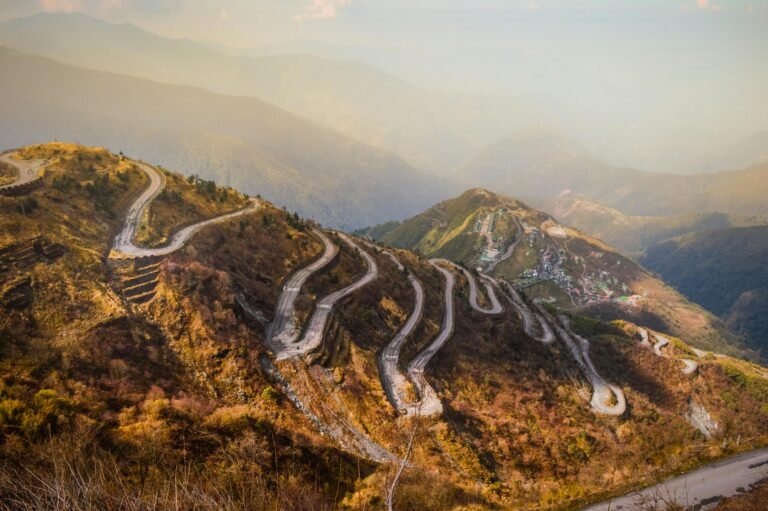
Perched at 2,042 m in the eastern Himalayas, Darjeeling blends colonial-era charm with sweeping tea gardens, Buddhist monasteries, and jaw-dropping views of Kanchenjunga. Whether you come for the UNESCO-listed toy train, the misty dawn at Tiger Hill, or a perfect cup of Darjeeling first flush, this hill town rewards slow travel, scenic walks, and soulful food.
Must-Visit Places in Darjeeling
Tiger Hill (Sunrise Point)
Watch the first light set Kanchenjunga ablaze; on exceptionally clear days you may glimpse distant Everest. Arrive before dawn (peak season can be crowded) and carry warm layers.
- Best time: Oct–Nov and Mar–Apr for clear views
- Tip: Pre-book a jeep or taxi the night before
Darjeeling Himalayan Railway (Toy Train) – UNESCO World Heritage
A nostalgic steam or diesel “joyride” between Darjeeling and Ghum via the photogenic Batasia Loop. Great for families and rail lovers.
- Tickets: Book via IRCTC; fares vary by coach and season (approx INR 1,000–1,600 per person)
- Duration: ~2 hours round-trip
Batasia Loop & War Memorial
A spiral railway loop with 360° views and manicured gardens. The Gorkha War Memorial stands in quiet tribute.
- Best light: Early morning
- Combine with: Toy train or a short taxi ride from town
Padmaja Naidu Himalayan Zoological Park
India’s premier high-altitude zoo known for conservation breeding of snow leopards, red pandas, and Himalayan wolves. Adjacent to the Himalayan Mountaineering Institute.
- Timings: Typically 8:30 am–4:30 pm; closed one weekday (often Thursday). Check locally.
- Ticket: Combined entry with HMI Museum (approx INR 50–150; subject to change)
Himalayan Mountaineering Institute (HMI) & Museum
Founded by Tenzing Norgay, the museum showcases Himalayan expeditions, gear, and mountaineering heritage.
- Plan: 1–2 hours; wear comfortable shoes
Happy Valley Tea Estate
Walk amid emerald tea terraces and learn plucking-to-packaging. Factory tours operate on selected days; tastings available.
- Tip: Check tour timings/working days in advance; mornings have better views
Japanese Peace Pagoda & Nipponzan Myohoji Temple
A serene hilltop stupa offering quiet meditation spaces and city panoramas.
- Etiquette: Dress modestly; silence appreciated
Chowrasta (The Mall) & Observatory Hill
Darjeeling’s social square lined with benches, bookshops, and cafés. A short climb leads to the Mahakal Temple on Observatory Hill, where prayer flags flutter over pine-scented paths.
- Best for: Leisurely evenings, people-watching, pony rides for kids
Darjeeling Ropeway (Rangeet Valley Cable Car)
Glide over tea gardens with sweeping valley views.
- Tickets: On-site; expect queues on weekends/holidays
- Fare: Approx INR 300–400 per adult (subject to change)
Ghum Monastery (Yiga Choeling) & Dali Monastery
Historic Tibetan monasteries with ornate thangkas and a tranquil ambience. Ghum is the toy train’s highest station.
Rock Garden & Ganga Maya Park
Tiered gardens, streams, and picnic spots a short drive from town; scenic photo stops along the way.
Nightingale Park (Shrubbery)
Landscaped lawns, mountain frames, and musical fountain shows in season. A mellow spot for sunset strolls.
Local Culture, Food & Shopping
Culture
Darjeeling’s identity is a mosaic of Nepali, Tibetan, Lepcha, and Bhutia influences. Monasteries, prayer flags, and festivals like Losar (Tibetan New Year) and Tihar/Deepawali add color. Music, momo stalls, and hill-town bookshops give the place an old-world, literary vibe.
Food to Try
- Momos and thukpa (Tibetan noodle soup)
- Darjeeling first flush tea (sample at a tea lounge)
- Aloo dum with sel roti (local comfort food)
- Gundruk soup and churpi (fermented greens and Himalayan cheese)
- Naga pork curries and Nepali thalis in specialty eateries
Shopping
- Chowk Bazaar & Nehru Road: Tea, woolens, souvenirs, Himalayan spices
- Handicraft Emporiums: Thangkas, prayer flags, handmade paper, khukuri knives
- Tea Boutiques: Buy single-estate packets; ask about harvest season and grade
Nearby Getaways & Day Trips
- Mirik (49 km; ~2 hours): Sumendu Lake, orange orchards, lakeside walks.
- Kalimpong (50 km; ~2.5 hours): Flower nurseries, Durpin Gompa, colonial churches.
- Kurseong (30 km; ~1.5 hours): Misty tea slopes, Eagle’s Crag, quiet cafés.
- Lamahatta (23 km; ~1 hour): Eco-park, pine forests, viewpoints.
- Lepchajagat (19 km; ~45 min): Birding, sunrise vistas, tranquil homestays.
- Singalila National Park – Sandakphu/Phalut: Multi-day trek with epic 8,000 m peaks on the horizon (seasonal; permits and guides recommended).
How to Reach Darjeeling
By Air
- Nearest airport: Bagdogra (IXB), ~68 km; 3–4 hours by road.
- Shared jeeps, private taxis, and pre-paid cabs available from the airport.
By Rail
- Nearest major railhead: New Jalpaiguri (NJP), ~74 km; frequent trains from Kolkata, Delhi, Guwahati, etc.
- From NJP/Siliguri, continue by road or board the heritage toy train (limited seats; advance booking advised).
By Road
- Well-connected via Siliguri on NH110; travel time 3–4 hours depending on traffic and weather.
- Shared jeeps are the most economical; private taxis offer flexibility.
Where to Stay: Accommodation Options
- Heritage & Luxury: Colonial-era hotels and boutique retreats near Chowrasta or in tea estates; panoramic suites, tea tastings, curated walks.
- Mid-Range: Comfortable rooms along Gandhi Road, The Mall, and Lebong Cart Road; many with mountain-view balconies.
- Budget & Homestays: Friendly properties around Bhutia Busty, Mall Road by-lanes, and Ghum; great for cultural immersion.
Area tips: Staying near Chowrasta/The Mall is ideal for first-time visitors who prefer walking access to cafés, shops, and viewpoints. Tea estate stays suit slow travelers seeking nature and privacy.
Estimated Trip Costs
Costs vary by season; the following are ballpark per-person, per-day estimates (excluding flights), subject to change:
- Budget: INR 1,500–3,000 (shared jeep transfers, basic stay, local eats)
- Mid-Range: INR 3,500–8,000 (private transfers, comfortable hotels, paid attractions)
- Luxury: INR 10,000+ (heritage stays, private guides, tea estate experiences)
- Key extras: Toy train joyride (~INR 1,000–1,600), ropeway (~INR 300–400), zoo/HMI ticket (~INR 50–150), guided tea tour (varies by estate)
Practical Tips & Best Time to Visit
Best Time to Visit Darjeeling
- Oct–Nov: Clearest mountain views; crisp skies.
- Mar–May: Blooming rhododendrons; pleasant days.
- Jun–Sep (Monsoon): Lush landscapes but frequent showers and occasional landslides; carry rain gear and buffer time.
- Dec–Feb: Cold and misty; pack heavy woolens.
Packing & Health
- Layered clothing, rain jacket, sturdy walking shoes.
- Sunblock, cap, and sunglasses for high-altitude sun.
- Motion-sickness medication for winding hill roads.
- Reusable water bottle; stay hydrated.
Local Transport & Safety
- Walking and short taxis cover most sights; negotiate taxi fares in advance.
- Check weather and road conditions in monsoon/winter; allow extra travel time.
- Respect monastery etiquette; ask before photographing people.
Tips by Traveler Type
Families
- Prioritize the toy train, zoo/HMI, Batasia Loop, and ropeway.
- Choose hotels near Chowrasta for easy stroller-friendly walks.
Honeymooners
- Book a mountain-view room; plan sunrise at Tiger Hill and an afternoon tea tasting.
- Consider a tea estate stay for privacy and nature walks.
Friends & Backpackers
- Use shared jeeps; mix café-hopping with day hikes to nearby villages.
- Join budget-friendly group tours for Sandakphu or local trails.
FAQs
Q: How many days are enough for Darjeeling?
A: A 3-day trip covers town highlights (Tiger Hill, toy train, zoo/HMI, tea estate). Add 1–2 days for nearby getaways like Mirik or Kalimpong.
Q: Is the toy train worth it?
A: Yes—especially the Darjeeling–Ghum “joyride” via Batasia Loop. It’s scenic and historically significant; book early in peak season.
Q: Can I see Everest from Darjeeling?
A: On exceptionally clear mornings, distant views are sometimes possible from Tiger Hill, but Kanchenjunga is the star and reliably visible in fair weather.
Q: What is the altitude of Darjeeling and will I feel it?
A: Around 2,042 m (6,700 ft). Most travelers feel fine; pace yourself on arrival, hydrate, and dress warmly.
Q: Are permits required to visit Darjeeling?
A: No special permits are required for Darjeeling town. Permits may be needed for certain border areas or neighboring states (e.g., parts of Sikkim).
Conclusion
Darjeeling’s allure lies in its Himalayan panoramas, heritage railways, meditative monasteries, and aromatic tea gardens. With an easy mix of landmark sights, café culture, and scenic walks, the “Queen of the Hills” suits quick escapes and unhurried stays alike. Time your visit for clear skies, stay near Chowrasta for convenience, and let sunrises, steam whistles, and fresh mountain brews set your pace.