Table of Contents
- Introduction
- Must-Visit Places in Gangtok for Solo Travelers
- Local Culture, Food & Shopping
- Nearby Getaways from Gangtok
- How to Reach Gangtok
- Where to Stay: Solo-Friendly Areas & Stays
- Estimated Costs and Budget
- Safety Guide for Solo Travelers
- Best Time to Visit
- Getting Around Locally
- Permits and Entry Rules
- Packing & Connectivity
- Traveler-Specific Tips
- Suggested Solo Itineraries (2–4 Days)
- FAQs
- Conclusion
Introduction
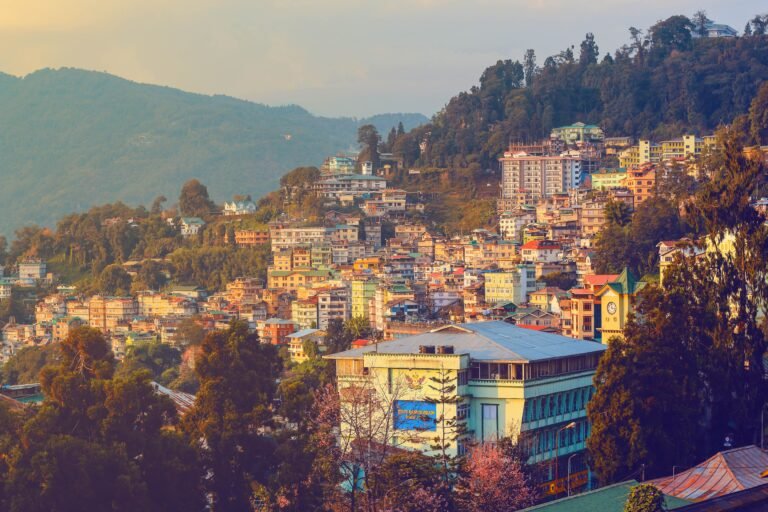
Cradled in the Eastern Himalayas, Gangtok blends mountain calm with café culture, monasteries with modernity, and scenic viewpoints with safe, walkable streets—making it one of India’s most rewarding cities for solo travel. This guide covers safety, stay options, and sightseeing essentials so you can navigate Gangtok confidently and craft a trip that suits your pace and budget.
Must-Visit Places in Gangtok for Solo Travelers
Gangtok’s highlights are compact enough for short trips, with plenty of solo-friendly spots for quiet reflection and social cafés for meeting fellow travelers.
Top sights inside the city
- MG Marg Pedestrian Street: Car-free boulevard with cafés, bookstores, benches, and evening buzz—ideal for solo strolls.
- Namgyal Institute of Tibetology & Do Drul Chorten: Insightful museum and an iconic stupa reflecting Sikkim’s Buddhist heritage.
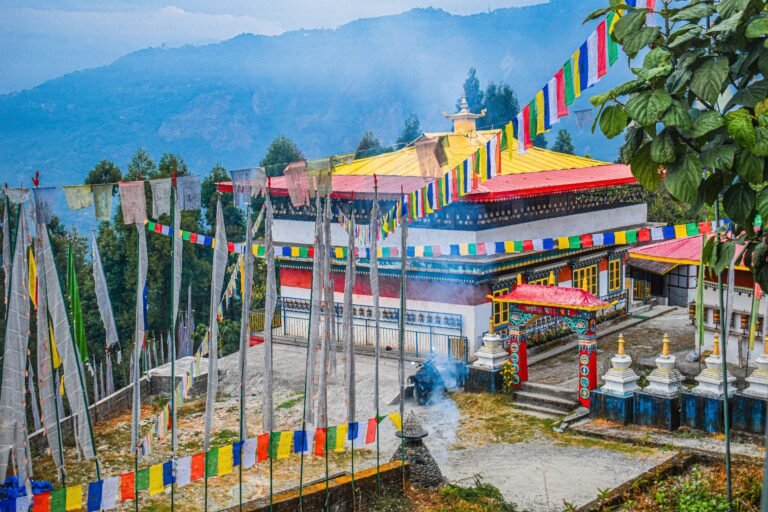
- Enchey Monastery: Peaceful hilltop gompa with city views; arrive early for calm.
- Gangtok Ropeway: Short cable ride offering photogenic aerial views (operational hours can vary, typically day-time).
- Flower Exhibition Centre (White Hall Complex): Seasonal orchids and Himalayan blooms.
- Banjhakri Falls Park: Landscaped falls and walking trails; good for a late-morning visit.
- Hanuman Tok & Ganesh Tok: Hilltop temples with panoramic viewpoints, especially pretty at sunrise.
Important sites nearby (half-day/full-day)
- Rumtek Monastery (approx. 23 km): The region’s most significant monastery; modest entry fee and serene courtyards.
- Tashi View Point: Early-morning Kanchenjunga views on clear days.
Solo-friendly tips for sightseeing
- Start early to avoid crowds and clouds; weather changes fast in the hills.
- Dress modestly for monasteries; silence phones and respect no-photo zones.
- Combine nearby points to save on taxi costs (e.g., Ganesh Tok + Tashi View Point + Ropeway).
Local Culture, Food & Shopping
Culture snapshot
- Heritage: A vibrant mix of Lepcha, Bhutia, and Nepali influences; Buddhism shapes local aesthetics and festivals.
- Languages: Nepali widely spoken; Hindi and English commonly understood.
- Etiquette: Ask before photographing people or monks; remove shoes where required; avoid littering in sacred/natural spaces.
What to eat
- Momos and thukpa: Ubiquitous and comforting.
- Phagshapa, gundruk, kinema, churpee: Local specialties worth seeking out.
- Sel roti, noodle bowls, and millet-based brews; don’t miss Sikkim’s Temi Tea.
- Café culture: MG Marg and Tibet Road brim with roasteries, bakeries, and view cafés—great for solo downtime.
Shopping
- Directorate of Handicrafts & Handloom: Quality thangkas, carpets, woodwork.
- MG Marg & bylanes: Prayer flags, incense, local teas, winterwear.
- Tip: Bargain politely in street markets; fixed-price at state emporiums.
Nearby Getaways from Gangtok
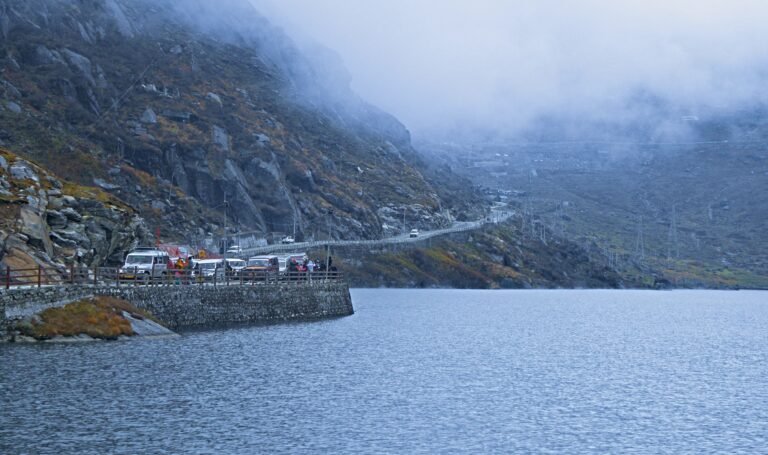
- Tsomgo (Changu) Lake & Baba Mandir (day trip): High-altitude glacial lake, yaks, often snow in winter. Permit required.
- Nathu La Pass (day trip, Indian nationals only): Historic Indo-China pass; permits limited; usually closed Mondays and Tuesdays and during bad weather.
- North Sikkim (2–4 days): Lachen–Gurudongmar Lake; Lachung–Yumthang Valley. High altitude; go with licensed operators.
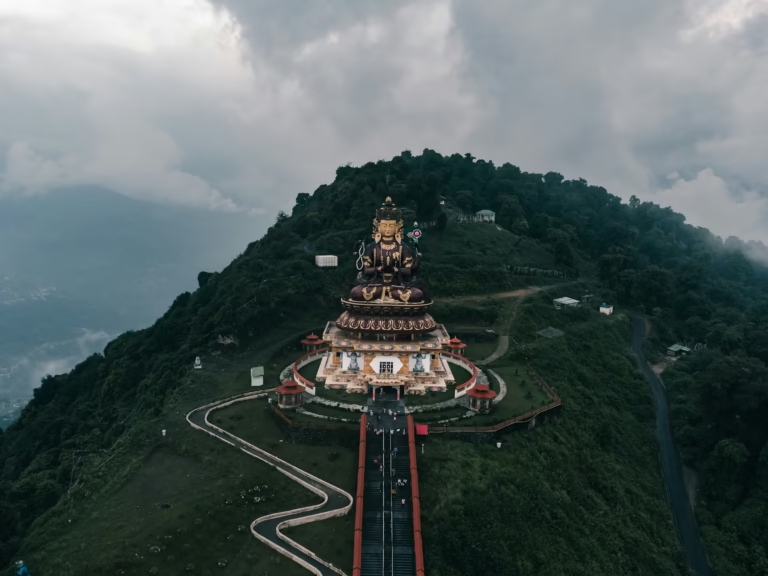
- Ravangla & Namchi (South Sikkim, 1–2 days): Buddha Park, Samdruptse, tea gardens.
- Pelling (West Sikkim, 2 days): Skywalk, monasteries, Kanchenjunga views.
How to Reach Gangtok
- By Air: Pakyong Airport (PYG, ~30 km) has limited, weather-dependent flights. Bagdogra Airport (IXB, ~125 km) is the most reliable gateway.
- By Train: New Jalpaiguri (NJP) near Siliguri is the closest major railhead.
- By Road:
- Private taxi from Bagdogra/NJP to Gangtok: 4–5 hours depending on traffic and weather.
- Shared jeeps from Siliguri’s taxi stands: cost-effective; fixed per seat.
- State buses (SNT): Limited departures, cheapest but slower.
- Helicopter (when operational): Limited seats between Bagdogra and Gangtok; weather-permitting—check current status.
Where to Stay: Solo-Friendly Areas & Stays
- Best areas:
- MG Marg/Tibet Road: Central, walkable, safe after dark, near eateries.
- Development Area/Tadong: Quieter residential vibe; short taxi ride to centre.
- Deorali/Ropeway base: Good mid-range options; connected by taxis.
- Stay types and examples:
- Hostels: Social, budget-friendly (e.g., Zostel Gangtok, Tag Along Backpackers Hostel).
- Guesthouses/Homestays: Local insights, home-style meals; ideal for slow solo travel.
- Mid-range/Boutique: Central comfort (e.g., The Elgin Nor-Khill, Summit group hotels).
- Resort: Mayfair Spa Resort & Casino (Ranipool) for a splurge away from the core.
- Solo tip: Choose places with common areas and good reviews for cleanliness, safety, and Wi-Fi. Ask about power backup and heating in winter.
Estimated Costs and Budget
Indicative per-person costs (INR), subject to change by season and availability:
- Accommodation (per night):
- Hostel dorm: 600–1,200
- Budget private room: 1,200–2,500
- Mid-range hotel: 3,000–6,000+
- Food and drinks:
- Local meal: 200–350
- Café meal/coffee: 250–600
- Local transport:
- Point-to-point city taxi: 100–300 per hop (no meters; fixed local fares)
- Half-day sightseeing taxi: 1,800–2,800
- Airport/NJP transfer:
- Private cab IXB/NJP–Gangtok: 3,000–4,500
- Shared jeep seat: 400–700
- Permits & day trips (per person):
- Tsomgo–Baba Mandir shared tour: 1,200–1,800 (permit included)
- Nathu La add-on (Indians only): +500–800
- North Sikkim 2D/1N shared: 3,000–6,000 (incl. permits, basic stay, meals)
Suggested daily budget for solo travelers: 1,800–3,500 (shoestring), 3,500–7,000 (comfort), 7,000+ (premium).
Safety Guide for Solo Travelers
- General safety: Gangtok is considered safe with a friendly local culture. Petty theft is rare but stay alert in crowded spots.
- Night safety: MG Marg and central lanes are active till late evening; avoid dim, isolated roads after dark.
- Transport: Use registered taxis; agree on fare before boarding. No Uber/Ola.
- Weather & terrain: Roads can be slippery in monsoon (Jun–Sep); landslides cause delays—monitor advisories.
- Altitude: Gangtok (~1,650 m) is moderate; hydrate and ascend gradually if heading to higher passes.
- Health: Carry motion-sickness meds for winding roads; pack altitude meds only after medical advice.
- Documents & money: Keep digital and paper copies of ID/permits. ATMs and UPI work well in town; carry cash for taxis/remote areas.
- Solo female: Choose central accommodation, share rides on day trips, and inform your host of plans if venturing early/late.
- Emergency numbers: 112 (National), 100 (Police), 108 (Ambulance). Major hospitals: STNM Hospital (Sochakgang), Central Referral Hospital (Tadong).
Best Time to Visit
- Spring (Mar–May): Blooming hillsides, pleasant days; popular for Tsomgo trips.
- Autumn (Oct–Nov): Crisp skies and mountain views; excellent for photography.
- Winter (Dec–Feb): Cold in evenings; snow likely on higher excursions; carry warm layers.
- Monsoon (Jun–Sep): Lush landscapes but frequent rain and possible landslides; build buffer time.
Getting Around Locally
- Walking: MG Marg, Tibet Road, and central slopes are walkable; expect uphill sections.
- City taxis: Fixed-route, point-to-point. Clarify drop points and total fare beforehand.
- Sightseeing circuits: Half/full-day taxi packages cover clusters of attractions—compare quotes.
- Ropeway: Use for a scenic hop plus views when operating.
Permits and Entry Rules
- Indian nationals: No permit for Gangtok city. Permits required for Tsomgo Lake, Nathu La, and North Sikkim (arranged via tour operators with photo ID and passport-size photos).
- Foreign nationals: An Inner Line/Restricted/Protected Area Permit is generally required to enter Sikkim; obtainable online or at entry checkpoints. Additional permits apply for specific regions. Nathu La is not permitted for foreign nationals; Tsomgo Lake and several other areas are accessible with appropriate permits.
- Processing time: Typically 24–48 hours via tour agencies; carry originals and copies of IDs.
- Closures: High-altitude routes close during heavy snowfall, landslides, or border/security advisories.
Packing & Connectivity
- Clothing: Layered warmers, waterproof jacket, quick-dry tees, fleece, beanie/gloves (winter), sturdy walking shoes.
- Essentials: Sunscreen, sunglasses, lip balm, reusable water bottle, basic meds, power bank, rain cover for daypack.
- Documents: Government ID/passport, multiple photos for permits, copies (digital and paper).
- Tech & networks: Jio/Airtel/BSNL have good 4G in town; patchy in high-altitude areas. Wi‑Fi common in stays/cafés.
- Adapters: India Type C/D/M sockets; carry a universal adapter if needed.
Traveler-Specific Tips
Solo travelers
- Base yourself near MG Marg for easy, safe evening options and early taxi access.
- Join shared day tours to Tsomgo/Baba Mandir or North Sikkim to split costs and meet people.
Families
- Pick hotels with elevators/heating and book larger vehicles for sightseeing; carry snacks and rain covers for kids.
Honeymooners
- Choose view rooms around Tibet Road/Development Area; plan sunrise visits to Hanuman Tok and café-hopping by evening.
Friends/Groups
- Negotiate full-day taxi rates; consider a 2–3 day North Sikkim add-on and a Pelling or Namchi loop.
Suggested Solo Itineraries (2–4 Days)
2 Days: City Highlights
- Day 1: MG Marg walk, Ropeway, Namgyal Institute of Tibetology, Do Drul Chorten, Flower Exhibition Centre, Enchey Monastery, sunset at Ganesh Tok.
- Day 2: Rumtek Monastery half-day; café-hop in the evening.
3 Days: Add a High-Altitude Excursion
- Days 1–2: As above.
- Day 3: Tsomgo Lake + Baba Mandir (permit via operator); consider yak ride, return by evening.
4 Days: Culture and Views
- Days 1–3: As per 3-day plan.
- Day 4: Tashi View Point sunrise, Hanuman Tok, Banjhakri Falls; slow afternoon on MG Marg.
FAQs
Q: Is Gangtok safe for solo female travelers?
A: Yes. Central areas like MG Marg are well-lit and active into the evening. Choose reputable stays, use registered taxis, avoid isolated lanes late at night, and keep hosts informed of day trips.
Q: Do I need a permit to visit Gangtok city?
A: Indian nationals do not need a permit for Gangtok city. Permits are required for Tsomgo Lake, Nathu La, and North Sikkim. Foreign nationals generally require an entry permit for Sikkim and additional permits for certain regions.
Q: What’s the most reliable way to reach Gangtok?
A: Fly to Bagdogra (IXB) or train to NJP, then take a private taxi or shared jeep (4–5 hours). Pakyong Airport is closer but often weather-dependent.
Q: Can foreigners visit Nathu La?
A: No. Nathu La permits are issued only to Indian nationals. Foreign travelers can visit Tsomgo Lake and other regions with appropriate permits.
Q: How many days are enough for Gangtok?
A: Two full days cover city highlights; add a third day for Tsomgo/Baba Mandir, and 4–5 days if including nearby towns or a North Sikkim sampler.
Conclusion
Gangtok is a welcoming base for solo travelers, balancing walkable city charm with monastery trails and dramatic Himalayan day trips. Stay central for safety and convenience, plan permits in advance, budget for taxis and weather buffers, and let flexible mornings and café-filled evenings set the rhythm for a memorable, self-paced journey.