Table of Contents
- Overview of the Gangtok to Darjeeling Journey
- How to Reach Darjeeling from Gangtok
- Top Places to Explore After Arriving in Darjeeling
- Accommodation Options in Darjeeling
- Estimated Travel Costs
- Local Experiences: Food, Shopping, and Culture
- Travel Tips for Families, Honeymooners, and Friends
- FAQs
- Conclusion
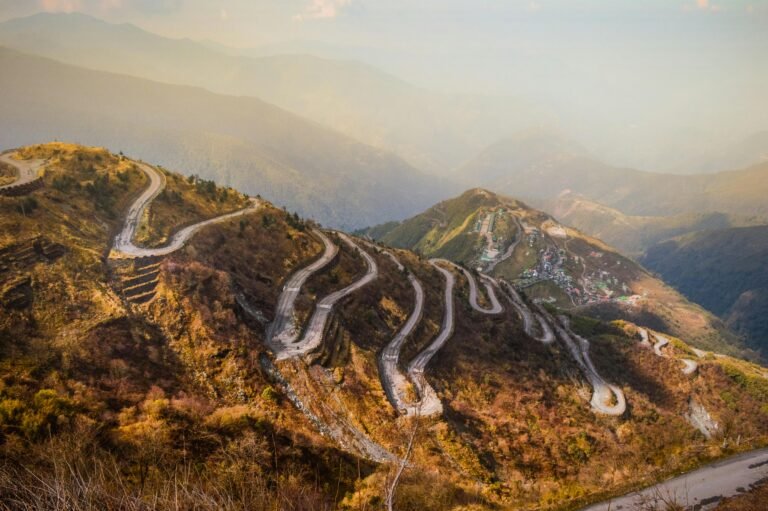
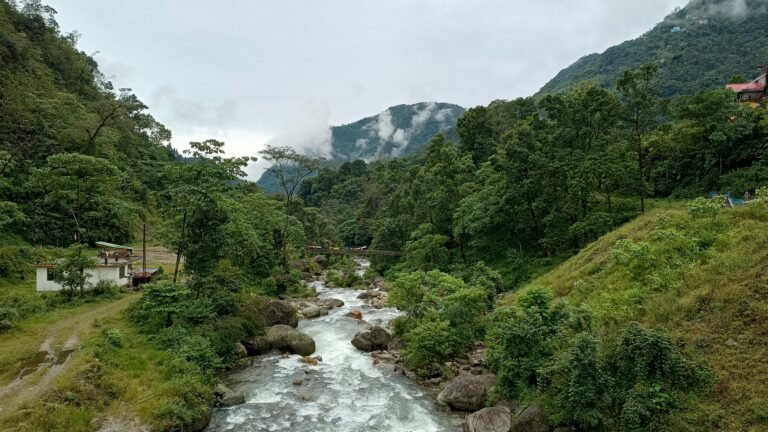
If you are planning a mountain escape from Gangtok to Darjeeling, you are in for one of the most scenic road journeys in Northeast India. The trip is not just about getting from one hill town to another; it is a changing landscape of tea gardens, winding roads, river valleys, and misty viewpoints that make the journey feel like part of the holiday itself.
Darjeeling is one of the most popular destinations after Gangtok, and the route between the two is best experienced slowly, with a little flexibility in your schedule. Below, you will find practical transport options, route tips, stay suggestions, costs, and what to do once you arrive.
Overview of the Gangtok to Darjeeling Journey
The distance from Gangtok to Darjeeling is usually around 95 to 110 km, depending on the route and road conditions. Most travelers complete the trip in about 5 to 7 hours by road.
- Best way to travel: Road transfer
- Travel time: Approximately 5 to 7 hours
- Trip style: Scenic, winding, and weather-dependent
- Ideal for: Families, couples, small groups, and leisure travelers
Because both towns sit in the hills, the journey is less about speed and more about comfort, road safety, and timing. Starting early in the day is usually the smartest option.
How to Reach Darjeeling from Gangtok
By Road: The Most Practical Option
Road travel is the standard and most convenient way to reach Darjeeling from Gangtok. You can hire a shared taxi, book a private cab, or, in some cases, self-drive if you are confident on steep mountain roads.
The route may vary depending on traffic, road maintenance, landslides, and weather. Common road connections usually pass through towns such as Singtam, Rangpo, Melli, Jorethang, Sukhiapokhri, or Sevoke, depending on the chosen route and current road conditions.
Shared Taxi
Shared taxis are the most budget-friendly choice for solo travelers and couples who want to keep costs down. They are widely used across the hill towns, though availability can vary by season and time of day.
- Pros: Lower cost, frequent movement, easy for light packers
- Cons: Less flexible, may involve waiting for seats to fill, limited luggage space
- Good for: Budget travelers and those comfortable with shared transport
Private Cab
A private cab is the best option for families, senior travelers, honeymooners, or anyone who wants a comfortable and direct journey. It allows rest stops, photo breaks, and a more relaxed schedule.
- Pros: Comfortable, flexible, door-to-door travel
- Cons: Higher cost than shared transport
- Good for: Families, couples, and travelers with luggage
Self-Drive
Self-drive is possible for experienced drivers who are comfortable with steep climbs, sharp turns, fog, and narrow hill roads. Make sure the vehicle is in good condition and that you are prepared for changing road visibility.
- Pros: Full control over the journey, flexible stops
- Cons: Demanding roads, parking limitations, weather risk
- Good for: Experienced hill drivers
Best Time to Make the Trip
For the smoothest journey, plan your travel in the morning and avoid late-evening departures. Weather in the hills can change quickly, and early travel gives you better visibility and more buffer time.
- Best seasons: March to May and October to December
- Monsoon caution: June to September may bring landslides, slow traffic, and road delays
- Winter note: December to February can be beautiful, but fog and chilly winds may affect driving comfort
For the most reliable experience, keep an extra half-day in hand if you are connecting to a flight, train, or another long-distance transfer.
Top Places to Explore After Arriving in Darjeeling
Once you reach Darjeeling, the town opens up with classic Himalayan sights, tea garden views, and heritage attractions.
- Tiger Hill: Famous for sunrise views over Kanchenjunga
- Batasia Loop: A beautiful railway loop with mountain views and memorial gardens
- Darjeeling Himalayan Railway: The toy train experience, a UNESCO-listed attraction
- Peace Pagoda: A calm and scenic stop with panoramic views
- Himalayan Mountaineering Institute: A must-visit for adventure and history lovers
- Tea Gardens: Ideal for leisurely walks and tea-tasting experiences
These attractions are easy to combine into a short 1- to 3-day Darjeeling stay after your Gangtok trip.
Accommodation Options in Darjeeling
Darjeeling has stays for every travel style, from simple guesthouses to luxury hill-view hotels. Booking in advance is recommended during weekends, school holidays, and peak tourist months.
Budget Stays
Budget hotels and homestays are ideal for backpackers and short-stay travelers.
- Typical range: INR 1,200 to INR 3,000 per night
- Best for: Solo travelers, students, and budget-conscious visitors
Mid-Range Hotels
Mid-range properties usually offer better views, cleaner rooms, and more reliable service.
- Typical range: INR 3,500 to INR 7,000 per night
- Best for: Families and couples
Premium and Boutique Stays
If you want a memorable mountain stay, boutique hotels and heritage-style properties are a lovely choice.
- Typical range: INR 8,000 and above per night
- Best for: Honeymooners, luxury travelers, and slow travelers
For the best experience, choose a stay near Mall Road, Chowrasta, or a well-connected area with good access to sightseeing and restaurants.
Estimated Travel Costs
Your total cost depends on the mode of travel, season, and stay category. Here is a practical estimate for the Gangtok to Darjeeling trip.
- Shared taxi: Approximately INR 500 to INR 900 per person
- Private cab: Approximately INR 4,000 to INR 8,000 one way, depending on vehicle type and season
- Budget accommodation: INR 1,200 to INR 3,000 per night
- Mid-range stay: INR 3,500 to INR 7,000 per night
- Meals: INR 200 to INR 800 per person per day, depending on dining style
- Local sightseeing: INR 1,000 to INR 3,500 per day for a cab, depending on itinerary
If you are traveling as a family or in a group, a private cab may feel expensive at first, but it often becomes more convenient and practical when the fare is shared.
Local Experiences: Food, Shopping, and Culture
What to Eat in Darjeeling
Darjeeling’s food scene is simple, hearty, and perfect for cold weather. Popular local and local-style dishes include:
- Momos
- Thukpa
- Sha phaley
- Sel roti
- Darjeeling tea
- Churpee and other local snacks
A hot bowl of thukpa or a plate of steaming momos after the road journey is one of the most satisfying parts of the trip.
Where to Shop
Shopping in Darjeeling is best kept light and local. Look for items that reflect the region rather than mass-market souvenirs.
- Darjeeling tea
- Woolens and scarves
- Handmade crafts
- Tibetan-style curios and accessories
Cultural Highlights
Darjeeling’s culture blends Nepali, Tibetan, Lepcha, and Bengali influences. You will notice this in the food, language, festivals, and the relaxed pace of mountain life. Monasteries, tea estates, and colonial-era landmarks all add to the town’s character.
Travel Tips for Families, Honeymooners, and Friends
For Families
- Choose a private cab for comfort and fewer transit hassles.
- Carry snacks, water, and motion-sickness medicine if needed.
- Keep warm layers handy, especially for children and elderly travelers.
- Plan buffer time in case of fog or slow-moving traffic.
For Honeymooners
- Book a hill-view or valley-view stay for a more memorable experience.
- Travel early to enjoy calmer roads and better daylight views.
- Pack soft layers, comfortable walking shoes, and a light umbrella.
- Keep one flexible evening for sunset walks or a relaxed café stop.
For Friends and Small Groups
- Shared taxis are cost-effective, but private vehicles are better for luggage and comfort.
- Carry cash, as smaller hill-town shops may not accept digital payments everywhere.
- Check weather and road updates before departure.
- Plan sightseeing in clusters to save time and transport costs.
Packing and Safety Tips for Everyone
- Pack warm clothing, even in spring and early autumn.
- Carry ID proof and booking confirmations.
- Keep a power bank, water bottle, and basic medicines.
- Avoid rushing the journey; mountain travel is safer when unhurried.
FAQs
Q: What is the distance from Gangtok to Darjeeling?
A: The road distance is usually around 95 to 110 km, depending on the route and road conditions.
Q: What is the fastest and easiest way to reach Darjeeling from Gangtok?
A: A private cab is the easiest option for comfort and flexibility, while a shared taxi is the most economical road choice.
Q: How long does the journey take?
A: The trip usually takes about 5 to 7 hours, but traffic, fog, and weather can change the timing.
Q: Is it safe to travel by road from Gangtok to Darjeeling?
A: Yes, it is generally safe if you travel during daylight, choose a reliable vehicle, and stay updated on weather and road conditions.
Q: What is the best time to travel?
A: March to May and October to December are usually the best periods for a smoother and more scenic journey.
Q: How much should I budget for the trip?
A: A budget traveler may spend around INR 1,500 to INR 3,000 per day, while private cab travel and better stays can raise the total to a higher range.
Conclusion
Reaching Darjeeling from Gangtok is best done by road, with scenic views and flexible travel choices that suit every budget. Shared taxis work well for cost-conscious travelers, private cabs are ideal for families and couples, and the journey becomes even more enjoyable when planned early in the day. Once you arrive, Darjeeling rewards you with tea gardens, classic viewpoints, local food, and a calm hill-town atmosphere that feels worth every winding mile.