Nestled in the hills of South Sikkim, the Rayong Sunrise View Point (often associated with the Ravangla area) has grown from a locally valued promontory into a recognised destination for sunrise tourism. This article traces the site’s historical roots, its gradual transformation through infrastructure and tourism development, and the contemporary challenges and opportunities it presents within the broader tourism economy of Ravangla.
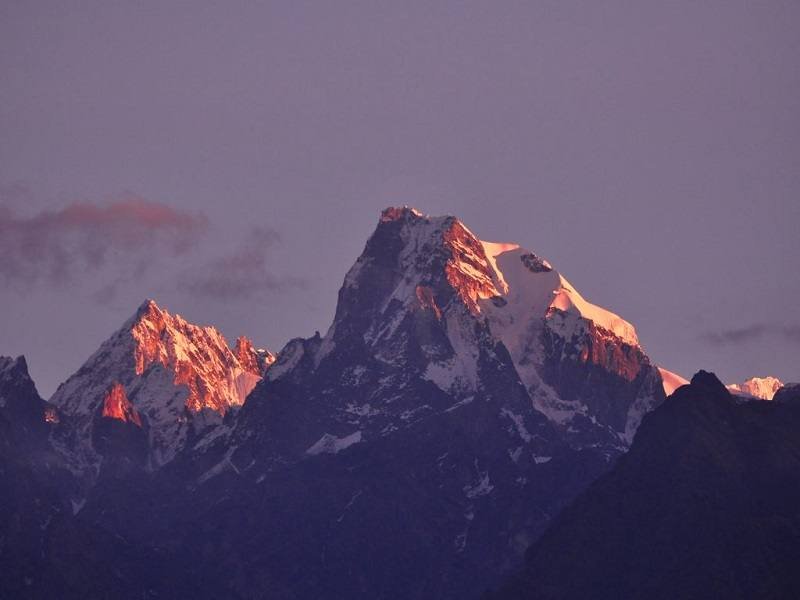
The viewpoint sits above a mosaic of terraced fields, tea gardens and mixed forest, offering panoramic vistas of eastern Himalayan ranges. On clear mornings visitors can experience sunlit ridgelines and, often, distant views of major summits. Such viewpoints in the Ravangla region are valued for their sweeping outlooks over valleys and mountain silhouettes at dawn.
The Ravangla region is home to diverse communities — including Lepcha, Bhutia and Nepali-speaking groups — whose livelihoods historically centered on agriculture, pastoralism and small-scale trade. Sacred sites, monasteries and local shrines punctuate the cultural landscape; these spiritual and cultural features have long shaped how locals use and understand the high ground where viewpoints now attract visitors.
Before formal tourism developed, high ridgelines around Ravangla were used by local inhabitants for seasonal grazing, lookout points and simple ritual observances. The aesthetic value of sunrises and panoramic views was appreciated locally, but access remained limited to footpaths and village tracks rather than motor roads or developed trails.
With improved roads, growing domestic travel, and a rising interest in hill-station leisure in the latter half of the 20th century, many hill viewpoints in Sikkim began to attract visitors seeking natural spectacle and tranquillity. Rayong Sunrise View Point gradually became known to day-trippers and photographers for its early-morning light, and as Ravangla developed as a tourism hub, the viewpoint gained prominence as a scheduled stop on local itineraries.
The viewpoint’s accessibility improved incrementally: small parking areas, viewing platforms, simple signposting and local tea stalls were added over time — often through a mix of municipal investment, forest department regulation, and entrepreneurship by nearby communities. Community-led initiatives, such as locally run guides and homestays, complemented official infrastructure to create a more visitor-ready offering.
The primary draw of Rayong Sunrise View Point is the dawn spectacle. Photographers, honeymooners, and nature lovers come early to witness the changing colors as the sun clears the ridgelines. The viewpoint’s orientation and relative elevation make it particularly appealing for those seeking unobstructed eastern horizons.
The mixed montane forests and nearby agricultural patches support rich birdlife and flora. As a readily accessible natural site, the viewpoint doubles as an introductory spot for birdwatchers and naturalists visiting Ravangla. This biodiversity adds an ecological dimension to the visitor experience.
Many visitors combine the sunrise experience with cultural visits — to nearby monasteries, markets and tea gardens — thereby connecting nature-based viewing with cultural tourism. Local festivals and community events in the Ravangla area further enhance visitor interest, offering a fuller sense of place beyond the viewpoint itself.
Local communities and NGOs have often taken the lead in maintaining cleanliness, managing small visitor fees, and organising interpretive activities. These grassroots efforts can align conservation with livelihoods by ensuring that a portion of tourism income is reinvested in site upkeep.
Effective management requires coordination between local panchayats, tourism departments and forest authorities: regulated parking, designated viewing zones, anti-litter campaigns and limits on informal vendors can reduce impacts while preserving visitor experience. Promotion of off-peak visitation and low-impact practices helps distribute pressure over time.
The historical arc of Rayong Sunrise View Point reflects a broader shift in Ravangla from remote hill villages to an integrated tourism landscape. If managed thoughtfully, the viewpoint can continue to provide scenic and economic benefits while remaining a sustainable asset: this requires balanced infrastructure upgrades, clear management plans, and strengthened community participation. Emphasising low-impact, culturally sensitive tourism will help preserve the viewpoint’s natural charm and local value for future generations.
Rayong Sunrise View Point’s transformation from a locally appreciated ridge to a sought-after tourism spot illustrates how landscapes acquire new meanings through mobility, infrastructure and visitor interest. Its continued success depends on aligning visitor demand with environmental stewardship and tangible local benefit, ensuring that the sunrise it frames remains as meaningful to future residents and visitors as it has been to those who lived around it for generations.
What makes us different from other tour package companies
Our travel experts have core and intense knowledge about Sikkim sector with over 10 years of experience that will help you choose the best possible itinerary as per your requirements.
Our travel experts are just one call away during your tour to help you with any kind of immediate assistance so that your tour is a more enjoyable and hassle-free tour.
eSikkimTourPackages ensures best rates to all our esteemed guests since we have our own hotels and fleet of vehicles and drivers and there is no third-party involvement. This ensures personalized service and best rates.















Kindly enter the details below for your Sikkim Tour Package