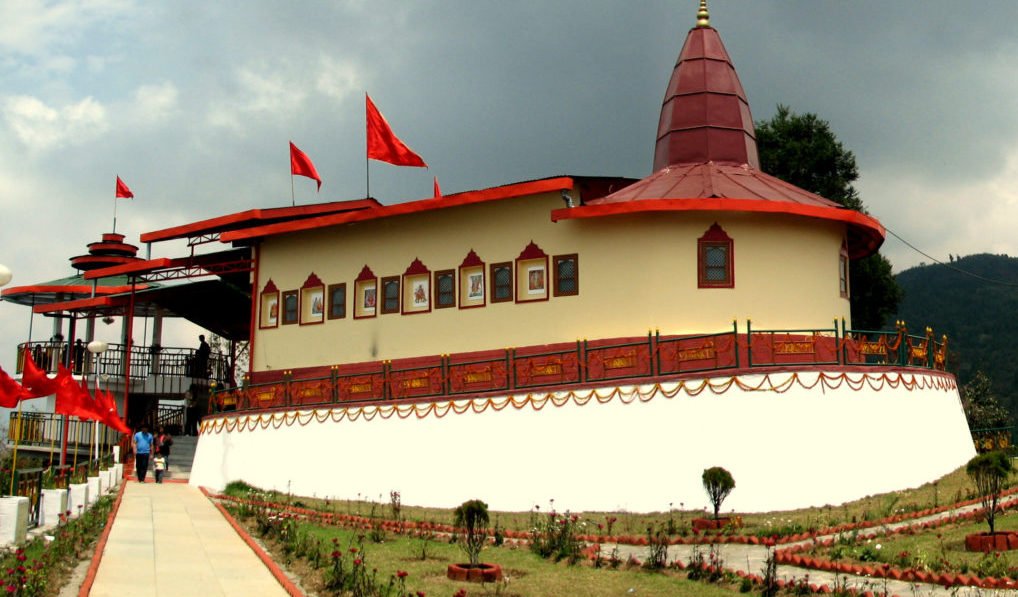
Hanuman Tok is one of Gangtok’s most visited shrines and viewpoints, combining religious devotion, scenic beauty and accessible hilltop panoramas that attract both pilgrims and tourists. Perched on a slope overlooking Gangtok town and offering sweeping views of the surrounding Himalayan ranges, the site has become an important stop on the Gangtok sightseeing circuit. This article traces the shrine’s historical and cultural background and explains its role in Sikkim’s tourism landscape.
Hanuman Tok does not have a long recorded history in the way ancient monasteries do; rather, its identity is shaped by local tradition and 20th‑century developments. The place is primarily known as a shrine dedicated to Lord Hanuman, the monkey‑god of the Ramayana, who symbolizes courage, devotion and protection. Over time, the site evolved from a local place of worship into a formal temple complex and hilltop viewpoint frequented by visitors.
Local accounts emphasize that Hanuman Tok gained prominence in the modern era as Gangtok grew into Sikkim’s administrative and tourist center. The shrine’s elevated position made it a natural vantage point; modest improvements to pathways, a small temple structure, and facilities for visitors followed as the site attracted both devotees and sightseeing tourists.
As with many Hindu shrines, Hanuman Tok’s spiritual standing is reinforced by legend and popular belief rather than a single written chronicle. Devotees believe the place is under the protection of Lord Hanuman, and many visit to offer prayers for safety, success and strength. The temple’s atmosphere—quiet, often wind‑swept and offering clear views—lends itself to meditation and pilgrimage rituals.
The present appearance of Hanuman Tok reflects incremental modernization: a small temple building, a prayer hall area, flagpoles and viewing platforms. While the exact administrative history varies in accounts, the site has been maintained with support from local temple committees and with periodic attention from civic authorities to improve visitor access and safety. The role of local institutions in maintaining the shrine underscores how religious sites in Sikkim often combine spiritual, communal and touristic functions.
One of Hanuman Tok’s defining features is its location on a ridge above Gangtok. From the temple precincts visitors can see the town below and, on clear days, distant snow‑capped peaks of the eastern Himalaya. The vantage point makes it popular for photographers, sunrise watchers and tourists seeking panoramic sights without undertaking strenuous trekking.
The shrine itself is modest: a small sanctum housing an idol or image of Lord Hanuman, devotional bells, and small platforms for puja offerings. The architecture is simple and functional rather than ornate, reflecting its role as a local hilltop shrine rather than a large pilgrimage complex. Paths and steps connect the parking area and roads to the temple, and a few seating and lookout points are provided for visitors.
Sikkim’s cultural identity is strongly influenced by Tibetan Buddhism, but the state’s social fabric is pluralistic: Hindu temples, Buddhist monasteries, and indigenous shrines coexist. Hanuman Tok exemplifies this pluralism. It is frequently visited by visitors of varied backgrounds and is often included in combined sightseeing itineraries with Buddhist sites, museums and natural attractions in and around Gangtok.
In tourism terms, Hanuman Tok functions as a short‑duration attraction with high emotional and visual payoff. It is often combined with other nearby stops to create half‑day or full‑day sight‑seeing circuits in Gangtok. Its accessibility—reachable by road with only a short walk—makes it suitable for families, senior visitors, and international tourists seeking scenic views without strenuous trekking.
Hanuman Tok is a relatively small site, so facilities are limited but sufficient for a typical visit. There is usually a parking area nearby, a short approach path or steps to the shrine, and basic seating/viewing points. Small stalls or local vendors may be present near the site, offering snacks, tea and souvenir items in peak seasons.
Hanuman Tok is frequently visited alongside several other Gangtok attractions. Combining the shrine with nearby sites allows tourists to make efficient use of time while experiencing diverse cultural and natural highlights.
As popularity grows, Hanuman Tok faces familiar tourism challenges: litter, crowding at peak times, pressure on limited facilities, and the need to preserve the site’s spiritual ambiance. Sustainable practices that benefit both visitors and the local community help protect the shrine’s long‑term character.
Hanuman Tok occupies a special place in Gangtok’s tourist map because it blends devotional value with natural beauty and accessibility. While the shrine’s origins are rooted in local tradition, its modern role is unmistakably tied to tourism: it offers an easily reachable Himalayan vantage point and a calm spiritual stop within a broader circuit of Gangtok attractions. For visitors seeking a gentle introduction to Sikkim’s hilltop views and cultural pluralism, Hanuman Tok remains a rewarding and memorable destination.
Note: For the most current visitor information—opening times, any restrictions, and local conditions—check with local tourism authorities or your accommodation in Gangtok before planning a visit.
What makes us different from other tour package companies
Our travel experts have core and intense knowledge about Sikkim sector with over 10 years of experience that will help you choose the best possible itinerary as per your requirements.
Our travel experts are just one call away during your tour to help you with any kind of immediate assistance so that your tour is a more enjoyable and hassle-free tour.
eSikkimTourPackages ensures best rates to all our esteemed guests since we have our own hotels and fleet of vehicles and drivers and there is no third-party involvement. This ensures personalized service and best rates.
























Kindly enter the details below for your Sikkim Tour Package