Table of Contents
- Introduction
- Must-Visit Places in Darjeeling in Winter
- Local Culture, Food, and Winter Flavours
- Local Experiences: Shopping, Tea, and Culture
- Nearby Getaways from Darjeeling
- How to Reach Darjeeling
- Accommodation Options and Estimated Costs
- Winter Travel Tips for Families, Honeymooners, and Friends
- FAQs
- Conclusion
Introduction
Darjeeling in winter feels like a pause button on the hill town’s usual bustle. The mornings are crisp, the tea gardens look beautifully quiet, and the Himalayan skyline can appear especially sharp after a cold night. If you are planning a Darjeeling winter trip, expect clear views on some days, mist on others, and a cozy mountain atmosphere throughout.
This season is ideal for travelers who enjoy light adventure, scenic train rides, warm cups of tea, and slow walks along heritage streets. Winter also brings practical advantages: fewer crowds than peak summer months, pleasant daytime sightseeing, and a more relaxed pace around cafés, markets, and viewpoints.
Darjeeling winters are cold, especially from late December to January, with temperatures often dipping near freezing at night. Pack warm layers, keep a flexible itinerary for foggy mornings, and use the clear windows of weather for sunrise views, monastery visits, and tea estate excursions.
Must-Visit Places in Darjeeling in Winter
Tiger Hill
Tiger Hill is the signature winter sunrise point of Darjeeling. On clear mornings, the first light falls on Kanchenjunga, often turning the snow peaks pink and gold. Winter air can make the view look exceptionally crisp, though visibility depends on weather conditions.
- Best visited early in the morning before sunrise.
- Carry gloves, a woollen cap, and a flask of water or tea.
- Start early because temperatures are lowest just before dawn.
Batasia Loop
Batasia Loop is a scenic spiral railway loop with well-kept gardens and wide mountain views. In winter, the greenery may look subdued, but the open panorama and cool air make it a beautiful stop after sunrise.
Ghoom Monastery
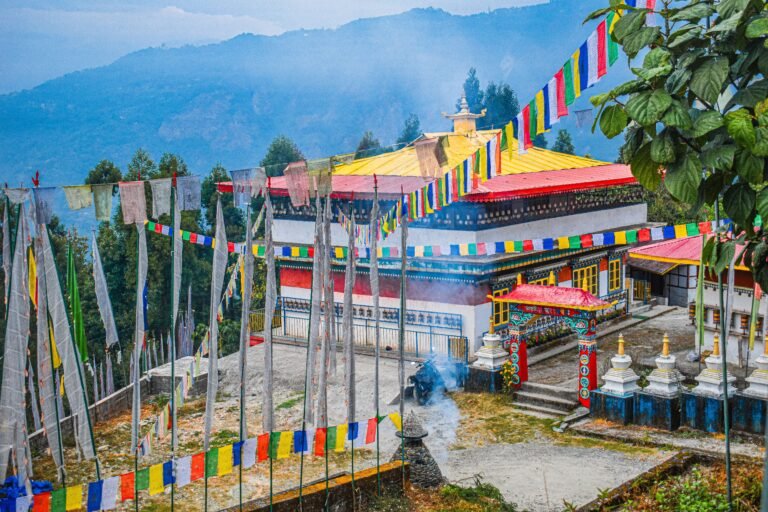
One of the oldest monasteries in the area, Ghoom Monastery offers quiet interiors, prayer wheels, and a strong sense of Himalayan Buddhist culture. Winter visits are especially peaceful, and the monastery feels calm under the season’s soft light.
Darjeeling Himalayan Railway and Mall Road Area
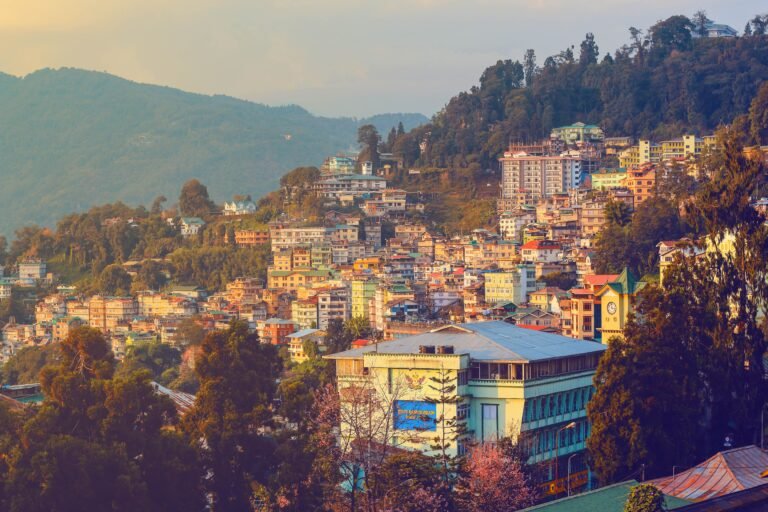
A ride on the toy train is one of Darjeeling’s most memorable experiences. Winter adds a nostalgic charm as the train moves through misty slopes and small settlements. Around Chowrasta and Mall Road, you will find cafés, bakeries, souvenir shops, and viewpoints that stay active even in the cold.
Peace Pagoda
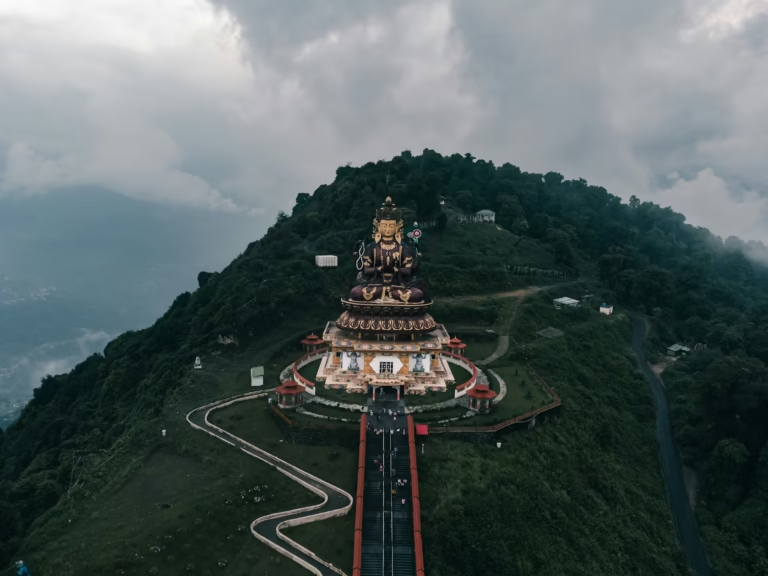
The Peace Pagoda is known for its serene atmosphere and sweeping views over the hills. Winter mornings can be quiet and photogenic, making this a rewarding stop for travelers who want a slower, reflective experience.
Tea Gardens and Estates
No winter trip to Darjeeling feels complete without visiting a tea estate. While plucking activity may slow down in the colder season, the landscapes, tea factories, and tasting sessions remain excellent for visitors. Many estates also offer insights into tea processing and local plantation life.
Himalayan Mountaineering Institute and Zoo Area
This area is ideal for travelers interested in Himalayan history, mountaineering, and wildlife. Winter can be a good time to visit because the weather is cooler and the surroundings are easier to enjoy without heavy summer showers.
Local Culture, Food, and Winter Flavours
Culture
Darjeeling’s culture is shaped by Nepali, Tibetan, Lepcha, Bhutia, and Bengali influences. In winter, this blend shows up in warm homes, community gatherings, monastery rituals, and the easy, unhurried rhythm of hill life. You may notice prayer flags fluttering in the cold wind, schoolchildren wrapped in woollens, and small eateries serving hot meals throughout the day.
Food to Try
- Momos: Steamed or fried, often served with spicy chutney.
- Thukpa: A comforting noodle soup perfect for cold evenings.
- Darjeeling tea: Fresh, aromatic, and best enjoyed hot in winter.
- Shaphaley: Fried bread filled with meat or vegetables, often found in Tibetan eateries.
- Sel roti: A festive rice-based snack with a mildly sweet taste.
- Churpi: A local hard cheese often eaten as a snack.
- Soups and bakery items: Ideal for breakfast or a late-afternoon warm-up.
Winter Dining Tips
Choose places with indoor seating and quick service, especially during early mornings and late nights. Popular cafés and bakeries can get busy on clear-view days, so plan meals a little earlier than usual if you are heading out for sunrise or sunset points.
Local Experiences: Shopping, Tea, and Culture
Shopping
Darjeeling is a lovely place to shop for small, meaningful souvenirs rather than large luxury buys. The best winter-friendly purchases are practical and local.
- Darjeeling tea from trusted shops or tea estates.
- Woollen scarves, gloves, and caps.
- Handmade handicrafts and prayer flags.
- Local pickles, dried foods, and packaged snacks.
- Small artisanal gifts from market lanes near Chowrasta and the Mall.
Tea Experience
Tea tasting is one of the finest local experiences in winter. A warm cup after a chilly walk feels especially satisfying, and tasting different grades of Darjeeling tea helps you understand why this region is known worldwide for its fragrance and delicate flavour.
Slow-Walk Culture
Winter is perfect for slow walks through heritage lanes, market streets, and viewpoints. Instead of rushing through the city, spend time observing old houses, colonial-era architecture, local bakeries, and the everyday rhythm of the hills. That is often where Darjeeling’s winter charm feels most authentic.
Nearby Getaways from Darjeeling
Kurseong
Kurseong is a quieter hill town known for tea gardens, viewpoints, and a relaxed pace. It works well as a short winter extension if you want fewer crowds and a softer hill-station feel.
Kalimpong
Kalimpong offers a mix of monasteries, nurseries, market streets, and scenic views. Winter weather is generally pleasant for sightseeing, and it can be combined with Darjeeling in a 2- to 4-day mountain trip.
Mirik
Mirik is popular for its lake, pine trees, and easy-going atmosphere. It is a good choice for families and couples looking for a calm winter day trip.
Sandakphu Route Access Points
For trekking-oriented travelers, the Darjeeling region connects to trailheads and access points for more adventurous winter itineraries. Conditions can be cold and challenging, so proper planning and local guidance are essential.
If you prefer a gentler trip, choose nearby towns for day excursions rather than long mountain drives in peak winter fog.
How to Reach Darjeeling
By Air
The nearest airport is Bagdogra Airport. From there, travelers usually take a taxi or shared vehicle to Darjeeling. The road journey is scenic but winding, so allow extra time, especially in winter when fog or traffic can slow movement.
By Train
The nearest major railhead is New Jalpaiguri (NJP). From NJP, you can continue to Darjeeling by taxi, shared jeep, or the Darjeeling Himalayan Railway for a memorable but slower mountain transfer.
By Road
Darjeeling is connected by road to Siliguri, NJP, Kurseong, Kalimpong, and surrounding towns. Winter road travel is usually manageable, but mountain curves, fog, and occasional landslides in the broader region mean you should keep buffer time in your schedule.
Useful Travel Note
For winter arrivals, try to reach the hill station before dark. Mountain roads are safer and more comfortable in daylight, particularly for first-time visitors and families.
Accommodation Options and Estimated Costs
Where to Stay
Darjeeling offers a good range of stays, from heritage hotels and boutique properties to guesthouses, homestays, and budget lodges. Winter is a popular season for cozy rooms with heaters, mountain views, and tea-time lounges.
Accommodation Types
- Budget stays: Simple guesthouses and homestays with basic amenities.
- Mid-range hotels: Comfortable rooms, heating options, and central locations.
- Boutique and heritage stays: Scenic views, curated interiors, and more personalized service.
- Family-friendly stays: Larger rooms, reliable heating, and easy access to town.
Estimated Winter Costs
- Budget accommodation: INR 1,500–3,000 per night
- Mid-range hotel: INR 3,500–7,000 per night
- Upper mid-range / boutique stay: INR 7,000–15,000+ per night
- Local meals: INR 150–500 per person per meal
- Taxi or sightseeing vehicle: INR 2,000–5,500 per day depending on route and season
- Tea tasting / entry fees: Often modest, but vary by place
In winter, hotel rates can rise on weekends, around Christmas and New Year, and during periods of clear mountain views. Booking in advance helps secure better rooms and heating arrangements.
Winter Travel Tips for Families, Honeymooners, and Friends
Packing Tips
- Carry thermal innerwear, sweaters, a heavy jacket, gloves, a muffler, and woollen socks.
- Pack sturdy shoes with grip for slippery or frosty paths.
- Keep lip balm, moisturizer, and sunscreen handy because winter sun can still be harsh at altitude.
- Carry a power bank, especially for sunrise outings and long day tours.
Safety Tips
- Start sightseeing early and avoid late-night road travel when possible.
- Check weather and road updates if you plan sunrise viewpoints or day trips.
- Keep cash in smaller denominations, as digital payments may not work everywhere.
- Walk carefully on damp stone paths and steep lanes.
Tips for Families
Choose centrally located stays to reduce walking in the cold. Plan a slower itinerary with fewer transfers, and prioritize easy stops like Chowrasta, tea gardens, the zoo area, and comfortable cafés. Children and older travelers will appreciate warm indoor breaks between sightseeing.
Tips for Honeymooners
Winter is one of the most romantic seasons in Darjeeling. Pick a room with mountain views, plan sunrise or sunset moments on clear days, and include quiet experiences like tea tasting, monastery visits, and cozy dinners. A flexible itinerary works best, since mist can change the mood of the day quickly.
Tips for Friends’ Trips
Group trips in winter are best when the plan balances sightseeing with downtime. Include viewpoints, cafés, the toy train experience, and market walks. If you enjoy photography, keep one day open for weather-dependent sunrise shots and casual exploration.
FAQs
Q: Is winter a good time to visit Darjeeling?
A: Yes, winter is a good time if you enjoy cold weather, clear mountain views, and a calm hill-station atmosphere. The main drawback is the chill, especially at night and early morning.
Q: How cold does Darjeeling get in winter?
A: Daytime temperatures are usually cool, while nights can get very cold and may approach freezing in the coldest weeks. Warm layers are essential.
Q: Which are the best winter places to visit in Darjeeling?
A: Tiger Hill, Batasia Loop, Ghoom Monastery, Chowrasta, the Peace Pagoda, and nearby tea gardens are among the best winter stops.
Q: Can I see Kanchenjunga in winter?
A: Yes, winter often improves visibility on clear mornings, which can make Kanchenjunga views especially impressive. However, weather conditions can change quickly, so it is not guaranteed every day.
Q: What should I eat in Darjeeling during winter?
A: Try momos, thukpa, soups, bakery items, and hot Darjeeling tea. These are especially satisfying in the cold.
Conclusion
Darjeeling in winter is all about mountain light, warm cups of tea, heritage walks, and views that feel even more dramatic in the cold air. From sunrise at Tiger Hill to quiet monastery visits, tea garden strolls, local food, and nearby hill getaways, the town offers a balanced winter holiday for couples, families, and groups of friends. With the right layers, a flexible schedule, and a comfortable stay, Darjeeling becomes a memorable cold-season escape.