Table of Contents
- Introduction
- Why Darjeeling Matters for Wildlife Lovers
- Best Time to Visit
- Must-Visit Wildlife Places
- Top Things to Do
- Local Culture, Food, and Shopping
- Nearby Getaways
- How to Reach Darjeeling
- Accommodation Options and Estimated Costs
- Travel Tips for Families, Honeymooners, and Friends
- FAQs
- Conclusion
Introduction
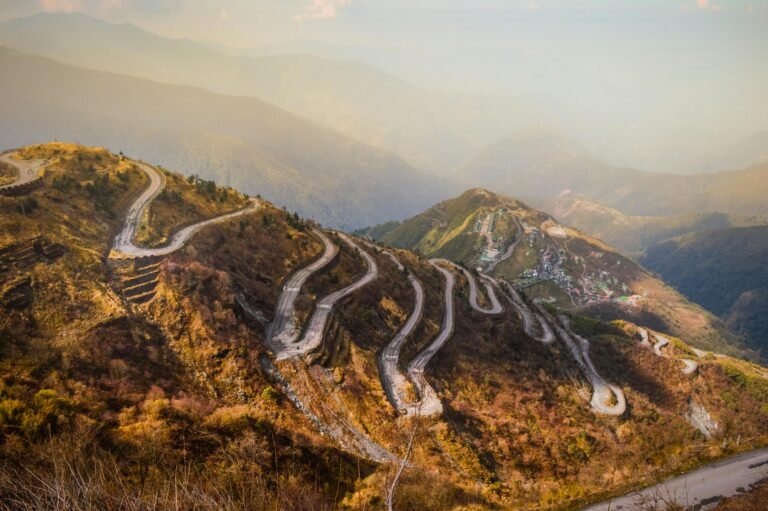
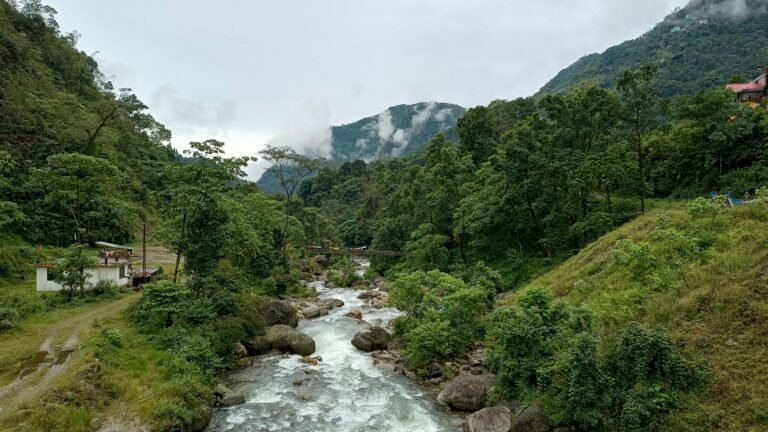
Darjeeling is often remembered for tea, toy trains, and sunrise views, but it is also a rewarding destination for wildlife enthusiasts. Set against the Himalayan foothills, this hill city opens the door to rich birdlife, protected forests, alpine landscapes, and nearby sanctuaries where nature still feels close and untamed. If you are planning a Darjeeling wildlife trip, expect misty trails, forested viewpoints, and encounters with some of the most fascinating mountain species in eastern India.
This guide covers the best wildlife places in and around Darjeeling, the ideal season to visit, how to get there, where to stay, and practical tips for a smooth trip.
Why Darjeeling Matters for Wildlife Lovers
Darjeeling is important because it sits in a biodiversity-rich Himalayan zone where subtropical forests, high-altitude habitats, and tea garden landscapes meet. The region supports birds, butterflies, red pandas, Himalayan black bears, deer, and many smaller mountain species.
For travelers, the appeal is not only about spotting wildlife but also about experiencing the ecology of the Eastern Himalayas up close. Even a short trip can include forest walks, birdwatching, zoo visits, and journeys into protected areas nearby.
- Biodiversity hotspot: Home to a wide variety of Himalayan flora and fauna.
- Birdwatching potential: Excellent for Himalayan and migratory birds.
- Easy access to sanctuaries: Several wildlife-rich areas are reachable from Darjeeling.
Best Time to Visit
The best time for a Darjeeling wildlife trip depends on what you want to experience. For clearer views, comfortable walking weather, and good outdoor conditions, spring and autumn are ideal. For birdwatching, the post-monsoon and early winter months are especially rewarding.
Recommended seasons
- March to May: Pleasant weather, blooming landscapes, and active birdlife.
- October to December: Clear skies, great mountain views, and excellent trekking conditions.
- June to September: Lush and beautiful, but rain can affect road travel and visibility.
Seasonal travel note
If your focus is wildlife and forest trails, avoid the heaviest monsoon weeks unless you are prepared for slippery roads, frequent showers, and occasional route disruptions.
Must-Visit Wildlife Places
Padmaja Naidu Himalayan Zoological Park
This is one of the most famous wildlife stops in Darjeeling and a must for first-time visitors. It is known for conservation-focused exhibits and for showcasing Himalayan species in a well-managed setting.
- Red panda
- Snow leopard
- Himalayan wolf
- Blue sheep and other mountain fauna
Himalayan Mountaineering Institute Complex
While not a wildlife site in the strict sense, this area often pairs well with the zoo visit and gives travelers a broader understanding of Himalayan life, exploration, and mountain heritage.
Senchal Wildlife Sanctuary
Located close to Darjeeling, Senchal is ideal for nature walks, birdwatching, and quiet forest experiences. The sanctuary’s wooded slopes and reservoir area make it especially attractive for travelers who prefer calm outdoor exploration over crowded sightseeing.
Singalila National Park
This is one of the biggest highlights for serious nature lovers. Singalila is famous for trekking routes, panoramic views, and the chance to encounter Himalayan wildlife in a high-altitude environment. It is especially known for red panda habitat and rich birdlife.
- Best for trekking-based wildlife viewing
- Ideal for birders and photography lovers
- Often included in longer Darjeeling itineraries
Jore Pokhri
Jore Pokhri is a small but pleasant stop known for its tranquil setting and local biodiversity. It works well as a short excursion for travelers who want a quieter nature break near Darjeeling.
Mahananda Wildlife Sanctuary
Though closer to Siliguri than Darjeeling town, Mahananda is worth considering if your route begins or ends in the plains. It is a convenient addition for birdwatching and forest sightseeing before heading up to the hills.
Top Things to Do
Darjeeling’s wildlife appeal is best enjoyed slowly. Rather than rushing from one point to another, leave room for observation, short walks, and scenic pauses.
- Go birdwatching: Early mornings are best for spotting Himalayan birds.
- Visit conservation centers: Learn about mountain species and local habitat protection.
- Take forest walks: Senchal and other nearby wooded areas offer peaceful trails.
- Combine trekking with wildlife spotting: Singalila is excellent for a more active trip.
- Enjoy sunrise and landscape views: Wildlife travel here often blends with dramatic mountain scenery.
- Photograph tea estates and forests: The region’s landscapes are a major part of the experience.
Local Culture, Food, and Shopping
Darjeeling’s local life adds warmth to the wildlife journey. The area reflects Nepali, Tibetan, Lepcha, and Bengali influences, which shape its cuisine, markets, and everyday culture.
Local food to try
- Momos: Steamed or fried, usually served with spicy chutney.
- Thukpa: A comforting noodle soup, perfect in cool weather.
- Darjeeling tea: Freshly brewed and best enjoyed at local tea shops.
- Sel roti and local snacks: Great for a quick breakfast or tea-time bite.
Shopping experiences
- Tea leaves and tea gift packs
- Woolens and hand-knit accessories
- Handicrafts and souvenirs from local markets
- Small bamboo or wood-based keepsakes
Cultural feel
Expect a relaxed hill-town rhythm, friendly local interactions, and a strong connection to mountain traditions. Festivals and community life often add extra color to the trip, especially in the cooler months.
Nearby Getaways
If you have extra time, Darjeeling can be combined with several nearby hill destinations and scenic forest stops.
- Kalimpong: Known for monasteries, viewpoints, and a calmer hill-town atmosphere.
- Mirik: A lovely lakeside getaway with gentle scenery and peaceful walks.
- Lava: A nature-friendly base for birding and forest stays.
- Lolegaon: Famous for canopy walks and quiet forest landscapes.
- Kurseong: Tea gardens, viewpoints, and an easy stop on the hill route.
How to Reach Darjeeling
Darjeeling is well connected through Siliguri, which acts as the main gateway for road and rail travelers.
By air
The nearest airport is Bagdogra Airport, around 70 km away. From there, shared jeeps, private cabs, and pre-booked transfers are available.
By train
The nearest major railhead is New Jalpaiguri (NJP). From NJP, you can continue by road or take the scenic Darjeeling Himalayan Railway toy train if timings and seats work for your plan.
By road
Darjeeling is commonly reached by road from Siliguri, Bagdogra, or NJP. Shared jeeps are economical, while private taxis are more comfortable for families and travelers with luggage.
Travel time reference
- Bagdogra to Darjeeling: roughly 3.5 to 4.5 hours, depending on traffic and weather
- NJP to Darjeeling: roughly 3.5 to 5 hours
- Siliguri to Darjeeling: about 3.5 to 4.5 hours
Accommodation Options and Estimated Costs
Darjeeling offers stays for all budgets, from simple homestays to heritage-style hotels with valley views. For a wildlife-focused trip, consider staying near central Darjeeling or in quieter areas with easy road access.
Accommodation types
- Budget homestays: ₹1,200 to ₹2,500 per night
- Mid-range hotels: ₹3,500 to ₹7,000 per night
- Comfort and boutique stays: ₹7,000 to ₹12,000 per night
- Luxury and premium heritage hotels: ₹12,000 and above per night
Approximate daily trip budget per person
- Budget traveler: ₹2,000 to ₹3,500
- Mid-range traveler: ₹4,000 to ₹8,000
- Comfort traveler: ₹9,000 and above
These estimates usually cover local transport, food, entry tickets, and accommodation. Costs can rise during peak season, holidays, and school vacation periods.
Travel Tips for Families, Honeymooners, and Friends
For families
- Choose central stays to reduce travel time.
- Keep warm layers, especially for children and older travelers.
- Plan wildlife visits in the morning when weather and energy levels are better.
- Carry basic medicines, snacks, and bottled water for day outings.
For honeymooners
- Pick a room with a valley or mountain view for a more memorable stay.
- Mix wildlife with slow experiences like tea tasting and scenic walks.
- Travel in spring or autumn for the most pleasant weather.
- Book taxis in advance if you want a relaxed, private itinerary.
For friends and small groups
- Combine wildlife visits with trekking or viewpoint stops.
- Share private cabs to save time and split costs.
- Pack for sudden weather changes, especially if you plan to explore forests.
- Respect park rules and avoid loud behavior in wildlife areas.
General packing and safety tips
- Carry a warm jacket, umbrella, and comfortable walking shoes.
- Keep cash for small vendors and local transport.
- Do not litter in sanctuaries or along forest trails.
- Book park visits and guides in advance where required.
- Check road conditions before traveling during monsoon months.
FAQs
Q: What is the best time to visit Darjeeling for wildlife?
A: March to May and October to December are the best periods for wildlife travel, birdwatching, and comfortable outdoor exploration.
Q: Which are the best wildlife places in Darjeeling?
A: Padmaja Naidu Himalayan Zoological Park, Senchal Wildlife Sanctuary, Singalila National Park, Jore Pokhri, and nearby Mahananda Wildlife Sanctuary are the top choices.
Q: Is Darjeeling suitable for a family wildlife trip?
A: Yes. Families can enjoy zoo visits, scenic drives, short forest walks, and easy sightseeing without needing strenuous trekking.
Q: How many days are enough for a Darjeeling wildlife trip?
A: A 2 to 4 day trip is enough for the main wildlife attractions, while 5 to 6 days works better if you want to include Singalila or nearby getaways.
Q: What is the approximate budget for a Darjeeling trip?
A: A budget trip can start around ₹2,000 to ₹3,500 per person per day, while a more comfortable trip may cost ₹4,000 to ₹8,000 or more depending on stay and transport choices.
Conclusion
Darjeeling is more than a scenic hill station; it is a meaningful destination for travelers who want to experience Himalayan wildlife, forest landscapes, and mountain culture in one journey. From red pandas and birdwatching to tea gardens, local food, and nearby sanctuaries, the city offers a balanced mix of nature and travel comfort. With the right season, a sensible budget, and a flexible itinerary, Darjeeling can be a rewarding wildlife escape in the Eastern Himalayas.