Table of Contents
- Introduction
- Darjeeling Temperature Guide by Season
- Best Time to Visit Darjeeling
- Must-Visit Places in Darjeeling
- Local Culture, Food, and Shopping
- Nearby Getaways
- How to Reach Darjeeling
- Accommodation Options and Estimated Costs
- Travel Tips for Families, Honeymooners, and Friends
- FAQs
- Conclusion
Introduction
Darjeeling is one of India’s most loved hill destinations, and its weather is a big part of the charm. Perched in the Himalayas, the town offers crisp mornings, misty afternoons, cool evenings, and sweeping views of Kanchenjunga on clear days. If you are planning a trip, understanding the Darjeeling temperature guide for tourists will help you pack right, choose the best travel dates, and enjoy the hill station without surprises.
The climate changes quickly here, and the experience can feel very different from one season to another. Summer is pleasant, monsoon is lush but wet, autumn brings sharp mountain views, and winter can be cold and refreshing. This guide covers the temperature patterns, best season to visit, top attractions, food, travel routes, stay options, and practical tips for every kind of traveler.
Darjeeling Temperature Guide by Season
Darjeeling has a cool mountain climate throughout the year, but temperatures vary enough to shape your itinerary and packing list.
Summer: March to June
- Average temperature: 11°C to 19°C
- Weather: Pleasant, breezy, and ideal for sightseeing
- Travel note: Daytime is comfortable, while evenings can still feel chilly
This is the most popular time for family holidays and first-time visitors. Light woollens, a jacket, and comfortable walking shoes are usually enough.
Monsoon: July to September
- Average temperature: 13°C to 17°C
- Weather: Cool but rainy, with mist and reduced visibility
- Travel note: Landslides and road delays can happen during heavy showers
The landscape turns beautifully green, but outdoor plans may be affected. If you travel now, keep buffer time in your itinerary and check road conditions regularly.
Autumn: October to November
- Average temperature: 8°C to 16°C
- Weather: Clear skies, fresh air, and excellent mountain views
- Travel note: One of the best windows for photography and sightseeing
Autumn is a sweet spot for travelers who want good weather and fewer monsoon disruptions. The days are crisp, and the nights begin to get colder.
Winter: December to February
- Average temperature: 2°C to 10°C
- Weather: Cold, dry, and sometimes frosty
- Travel note: Early mornings and late evenings can be quite chilly
Winter in Darjeeling is best for travelers who enjoy cool weather, misty tea gardens, and cozy stays. Pack thermals, gloves, and a heavy jacket, especially for sunrise points.
Best Time to Visit Darjeeling
The best time to visit Darjeeling depends on what kind of experience you want.
- For clear views of Kanchenjunga: October to November
- For pleasant sightseeing weather: March to June
- For budget travel and fewer crowds: Late monsoon or early winter, with weather caution
- For a cozy mountain holiday: December to February
If your priority is comfort and mountain views, autumn is often the most rewarding. If you prefer easy weather and family-friendly outings, spring and early summer work very well.
Must-Visit Places in Darjeeling
Darjeeling has a classic hill-station appeal, but its attractions are more than just viewpoints. The town blends scenic rail journeys, tea estates, monasteries, and lively bazaars.
Tiger Hill
Known for its sunrise view, Tiger Hill is one of the most iconic places in Darjeeling. On clear mornings, the first light over Kanchenjunga is unforgettable.
Batasia Loop
This spiral railway loop offers a beautiful combination of engineering, gardens, and panoramic views. It is a must-stop for toy train lovers and photographers.
Darjeeling Himalayan Railway
The toy train is a heritage experience and one of the best ways to feel the slow charm of the hills. Even a short ride can become a memorable part of the trip.
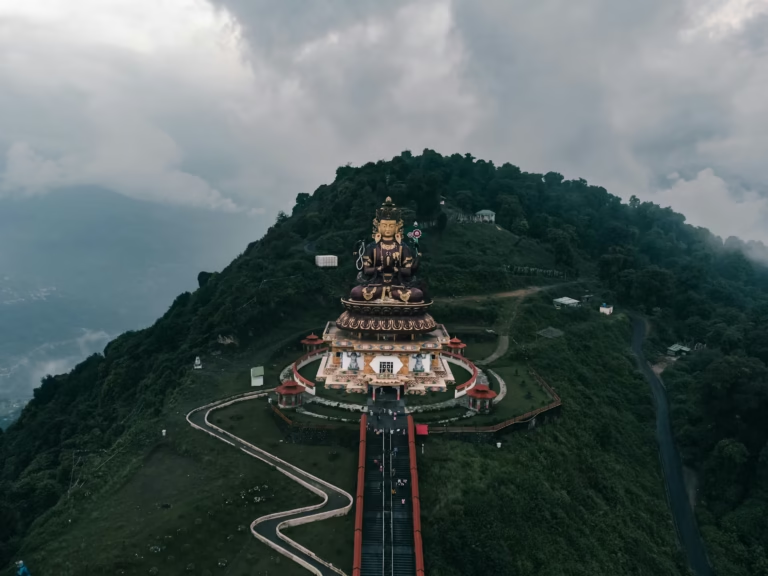
Peace Pagoda
Located on Jalapahar Hill, the Peace Pagoda is calm, scenic, and ideal for a quiet break from the busier parts of town.
Padmaja Naidu Himalayan Zoological Park
Popular for high-altitude wildlife, this zoo is especially known for red pandas and snow leopards. It is a good stop for families and nature lovers.
Happy Valley Tea Estate
A visit here gives you a close look at Darjeeling tea production. The views of rolling tea gardens are as memorable as the tea tasting.
Observatory Hill and Mahakal Temple
This area combines spiritual significance with lovely hill views. It is one of the most meaningful places to understand the local cultural fabric.
Chowrasta and Mall Road
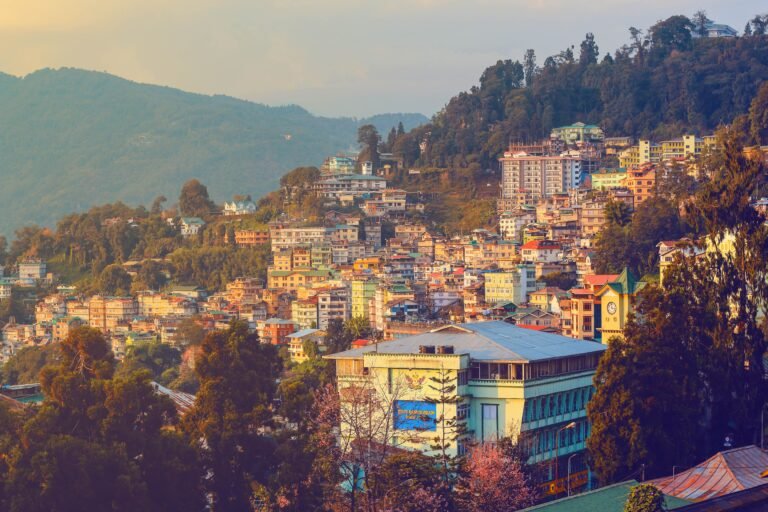
For an easy-going walk, shopping, and local atmosphere, Chowrasta is the heart of Darjeeling town life.
Local Culture, Food, and Shopping
Darjeeling’s culture reflects a rich mix of Nepali, Tibetan, Bengali, and local hill traditions. You will notice it in the architecture, festivals, food, and everyday life.
Local Culture
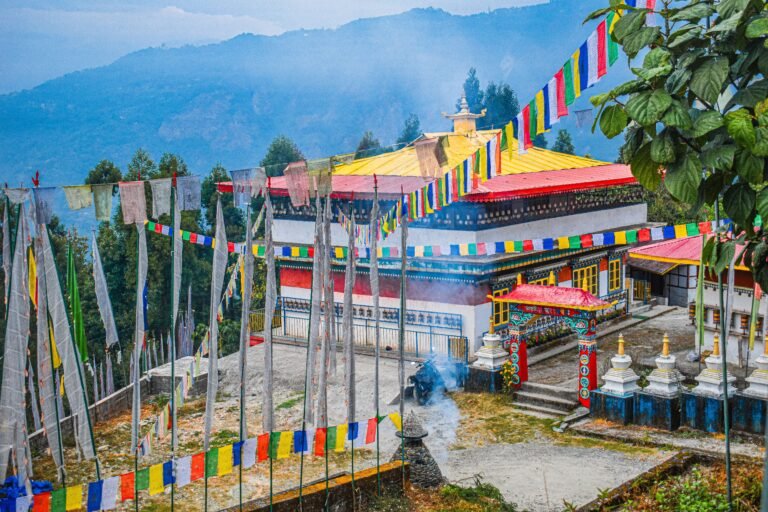
- Monasteries and prayer flags reflect strong Buddhist influence.
- Locals are warm, practical, and used to welcoming travelers.
- Festivals such as Losar and local fairs add color to the calendar.
What to Eat in Darjeeling
- Momos: Steamed, fried, or soup-style, usually with spicy chutney
- Thukpa: A comforting noodle soup, perfect in cool weather
- Darjeeling tea: Fresh, fragrant, and the town’s signature drink
- Sel roti and aloo dum: Popular local-style breakfast and snack options
- Churpee and local snacks: Good for tasting regional flavors
In colder months, hot soups and tea feel especially satisfying. In summer, light meals paired with a cup of first-flush tea make for a classic Darjeeling experience.
Shopping in Darjeeling
- Tea leaves and tea gift packs
- Handmade woolens, shawls, and scarves
- Local handicrafts, prayer wheels, and souvenirs
- Packaged sweets and regional snacks
For shopping, compare a few shops before buying tea or woolens, especially if you want good quality and fair pricing.
Nearby Getaways
If you have an extra day or two, nearby destinations make a Darjeeling trip even more rewarding.
Kalimpong
Kalimpong offers quieter views, monasteries, flower nurseries, and a relaxed hill-town feel. It is a good choice for travelers who want less crowding.
Mirik
Mirik is known for Sumendu Lake and its peaceful atmosphere. It is ideal for boating, easy walks, and a gentle break from busy sightseeing.
Kurseong
Kurseong is another pleasant hill station on the route, with tea gardens and old-world charm. It works well as a short stopover.
Sandakphu Region
For trekking enthusiasts, the higher Himalayan trails near Sandakphu offer dramatic views, though they require more planning and fitness.
How to Reach Darjeeling
Darjeeling is well connected by air, rail, and road, but the final stretch involves winding hill roads.
By Air
The nearest airport is Bagdogra Airport, around 70 to 80 km away. From there, travelers usually hire a car or use shared transport to reach Darjeeling.
By Train
The nearest major railway station is New Jalpaiguri (NJP). From NJP, you can travel by road or opt for a combination journey with the toy train experience.
By Road
Shared jeeps, private taxis, and buses are available from Siliguri, NJP, and Bagdogra. The hill drive is scenic but can be slow, especially in monsoon and peak holiday periods.
Travel Time Tip
Even if the distance looks manageable, mountain roads take time. Plan arrival and departure with extra buffer so you are not rushed.
Accommodation Options and Estimated Costs
Darjeeling has stay options for every style of traveler, from budget rooms to heritage hotels and boutique hill-view stays.
Accommodation Options
- Budget stays: Guesthouses, homestays, and simple lodges
- Mid-range hotels: Comfortable rooms with better views and amenities
- Premium stays: Boutique hotels, heritage properties, and luxury hill-view rooms
Estimated Daily Costs
- Budget traveler: INR 1,500 to 3,000 per day
- Mid-range traveler: INR 3,500 to 7,000 per day
- Premium traveler: INR 8,000 and above per day
These estimates usually include stay, food, and local travel, but costs can rise during peak season, weekends, and holidays. Sunrise transfers, private cabs, and heritage train bookings may add extra expenses.
Travel Tips for Families, Honeymooners, and Friends
Darjeeling is flexible enough to suit many travel styles, but a few smart choices can improve the trip significantly.
For Families
- Choose centrally located stays to reduce uphill walking.
- Carry light woollens even in summer.
- Plan sightseeing with rest breaks, especially for children and older travelers.
- Keep rain gear handy if traveling in monsoon.
For Honeymooners
- Pick a room with a valley or Kanchenjunga view if possible.
- Travel in autumn or winter for a more romantic, misty setting.
- Keep one slow day for tea gardens, café time, and sunset views.
For Friends
- Combine sightseeing with food stops and short walks around Chowrasta.
- Choose shared taxis or local transport to keep costs lower.
- Book popular stays early during long weekends.
Packing and Safety Tips
- Carry layered clothing, since temperatures change quickly.
- Wear comfortable walking shoes with good grip.
- Keep medicines, cash, and basic snacks for road trips.
- Avoid risky driving or late-night travel in poor weather.
- During monsoon, check for landslide alerts and road updates before moving between places.
FAQs
Q: What is the best month to visit Darjeeling?
A: October and November are often considered the best months because the weather is clear, cool, and ideal for mountain views. March to June is also pleasant for sightseeing.
Q: How cold does Darjeeling get in winter?
A: Winter temperatures usually range from around 2°C to 10°C, and it can feel colder in the early morning and at night. Warm layers are essential.
Q: Is Darjeeling good to visit during monsoon?
A: It is beautiful and lush during monsoon, but heavy rain can affect visibility and road travel. It is better for travelers who are flexible with plans and comfortable with wet weather.
Q: What should tourists wear in Darjeeling?
A: Layered clothing works best. Carry a light jacket in summer, a warm coat in winter, and a raincoat or umbrella during monsoon.
Q: How many days are enough for Darjeeling?
A: Three to four days are usually enough for the main attractions, tea gardens, local food, and one nearby getaway. Add more time if you want a slower itinerary or trekking experience.
Conclusion
Darjeeling is a hill destination where weather shapes the whole experience. Cool summers, misty monsoons, bright autumn skies, and crisp winters each offer something distinct. If you plan around the temperature, pack smart, and choose the right season for your style of travel, Darjeeling becomes much easier to enjoy. With tea gardens, scenic viewpoints, local food, heritage charm, and nearby getaways, it remains one of the most memorable mountain escapes in India.