Darjeeling Tea Gardens Travel Guide
Table of Contents
- Introduction
- History and Importance
- Best Time to Visit
- Top Things to Do
- Local Experiences: Food, Shopping, Culture
- How to Reach
- Accommodation Options
- Estimated Costs
- Nearby Attractions
- Tips for Visiting
- Traveler-Specific Tips
- FAQs
- Conclusion
Introduction
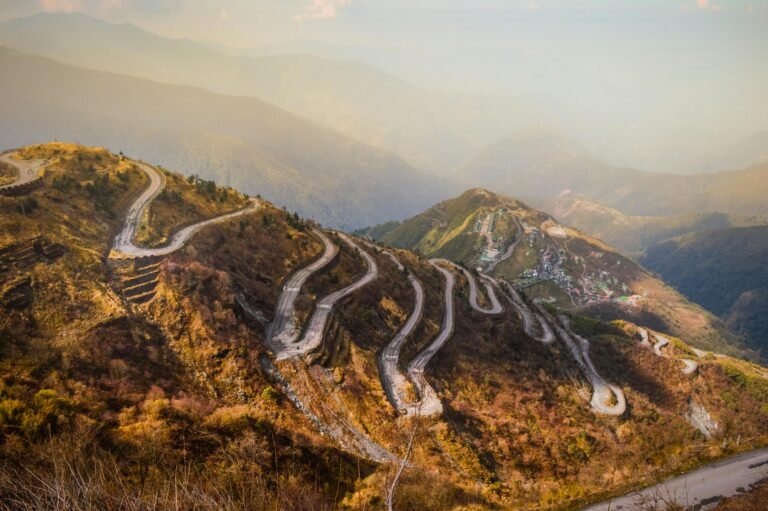
Misty slopes rolled in emerald green, the sweet scent of fresh leaves, and the clink of porcelain cups—Darjeeling’s tea gardens offer an atmospheric blend of heritage and Himalayan scenery. Perched between 600–2,000 meters in the Eastern Himalayas of West Bengal, these estates craft the world-famous Geographical Indication (GI)–tagged Darjeeling tea, often called the “Champagne of Teas.”
This guide covers the history behind the plantations, the best time to visit, immersive tea experiences, how to get there, where to stay, costs, and smart tips for different kinds of travelers.
History and Importance
Tea planting began in Darjeeling in the 1840s when Dr. Archibald Campbell experimented with tea in his Beechwood garden. Commercial cultivation expanded rapidly through the 1850s and 1860s. Today, about 87 registered gardens produce GI-protected Darjeeling tea, prized for its unique terroir and delicate muscatel notes.
The gardens shape local livelihoods and culture. Estate life, plucking seasons, and factory rhythms influence the region’s calendar. Visitors support this heritage by choosing ethical tours and buying authentic, GI-labeled tea.
Best Time to Visit
- Spring (March–May): Lush gardens and the celebrated first flush (late Feb–April). Pleasant days, cool nights. Excellent for factory tours, tasting, and photography.
- Early Summer (May–June): Second flush produces muscatel flavors. Slightly warmer; afternoon clouds common.
- Monsoon (July–September): Heavy rain, mist, occasional landslides, and leeches on trails. Some estates limit tours. Views often obscured.
- Autumn (October–November): Clear skies, crisp air, autumnal flush. Great visibility for Himalayan views.
- Winter (December–February): Cold and clear. Limited plucking; some factories reduce operations, but estate stays and walks are still rewarding.
Top Things to Do
- Guided Tea Estate & Factory Tours: Learn plucking techniques, withering, rolling, oxidation, and firing. Popular choices include Happy Valley Tea Estate (close to Darjeeling town), Singtom, Ging, and Makaibari (near Kurseong).
- Tea Tasting Masterclass: Train your palate to recognize first, second, and autumnal flush nuances. Reputable tasting spots include estate tasting rooms and boutiques like Nathmull’s and Golden Tips.
- Planter’s Bungalow Stay: Heritage retreats such as Glenburn Tea Estate, Chamong Chiabari, Tumsong, Ging, and Singtom pair colonial-era charm with immersive plantation life.
- Sunrise & Photo Walks: Early golden light over terraced slopes is magical. Gentle estate trails suit most fitness levels.
- Toy Train Joyride: Pair tea visits with a ride on the UNESCO-listed Darjeeling Himalayan Railway. The Darjeeling–Ghum loop via Batasia is a classic.
- Darjeeling Ropeway: Float over tea valleys on the Rangeet Valley Ropeway for sweeping views when skies are clear.
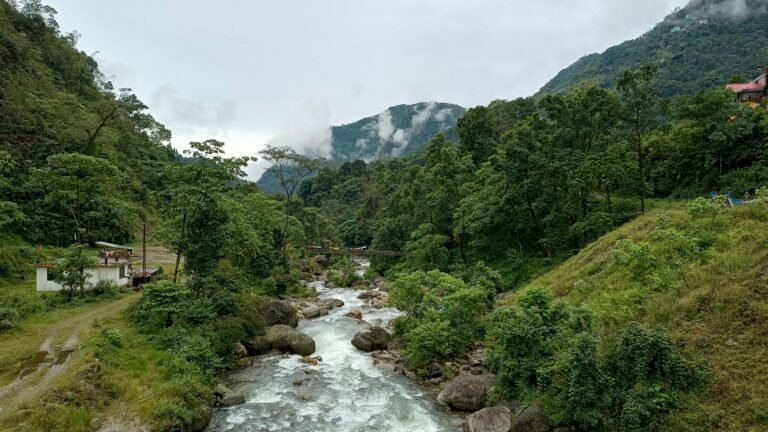
- Picnics by River Valleys: Some estates can arrange riverside lunches near the Rangeet/Teesta (advance booking required).
- Birdwatching & Nature Walks: Spot hill birds around quiet estate fringes, especially at dawn.
Local Experiences: Food, Shopping, Culture
Food
- Warm up with bowls of thukpa, momos, and local Nepali dishes like gundruk and sel roti.
- Classic cafés such as Glenary’s and Keventer’s are town staples; many estates offer refined high-tea spreads.
- Pair first-flush brews with light pastries; muscatel-rich second flush complements richer snacks.
Shopping
- Buy GI-certified Darjeeling tea from reputable stores or estates. Look for the official Darjeeling logo and harvest season on labels.
- Pick up Himalayan handicrafts, scarves, and local honey. Chowrasta/Mall Road lanes are ideal for browsing.
- For serious tea buys, ask for vacuum-sealed packs, leaf grade details, and tasting notes.
Culture
- The region blends Gorkha/Nepali, Lepcha, and Bhutia influences. A respectful hello—“Namaste”—goes a long way.
- Festival highlights often include Losar (Tibetan New Year), Tihar/Deepawali, and local cultural carnivals. Dates vary—confirm locally.
- Photography etiquette: always request permission before close-ups of workers or inside factories.
How to Reach
- By Air: Fly to Bagdogra (IXB). Prepaid taxis to Darjeeling take 3–4 hours (about 70 km) via NH110. Shared jeeps are available from Siliguri.
- By Rail: The major railhead is New Jalpaiguri (NJP) with nationwide connections. Road transfer to Darjeeling takes 3–4 hours. The Darjeeling Himalayan Railway runs full routes and short joyrides (longer durations; book ahead).
- By Road: From Siliguri (65–70 km), frequent shared jeeps and private taxis run to Darjeeling, Kurseong, and Kalimpong.
- Local Transport: Taxis, shared jeeps, and walking. Some estates are remote—coordinate estate pickups, especially at night or in monsoon.
Accommodation Options
- Luxury Tea Retreats: Glenburn, Chamong Chiabari, Ging Tea House, Tumsong, Singtom. Heritage suites, curated meals, guided walks, tastings.
- Mid-Range Hotels: Boutique stays in/near town with easy access to Happy Valley and Chowrasta.
- Budget & Homestays: Family-run places around Lebong, Tukvar, and Kurseong outskirts offer warm hospitality and estate views.
- Booking Tip: Spring and autumn book out fast; confirm factory-tour availability when reserving rooms.
Estimated Costs
- Local transport (Siliguri–Darjeeling): Shared jeep INR 400–700 per seat; private taxi INR 3,000–4,500.
- Estate/Factory tour: INR 200–1,000 per person depending on estate and inclusions.
- Tea tasting/masterclass: INR 500–1,500 per person.
- High tea at estate/café: INR 700–1,200 per person.
- Accommodation: Budget INR 1,200–2,500; mid-range INR 3,000–7,000; heritage tea retreats INR 8,000–30,000+ per night (seasonal).
- Meals: Local eateries INR 300–800 per person; estate dining higher depending on plan.
- Toy train joyride: Typically INR 1,500–2,500 per person (varies by class/season).
Note: Prices are indicative and change by season, demand, and exchange rate.
Nearby Attractions
- Tiger Hill: Classic Kanchenjunga sunrise vantage point.
- Batasia Loop & War Memorial: Iconic DHR spiral track with tea-slope panoramas.
- Ghum Monastery: Peaceful stop near the toy train route.
- Himalayan Mountaineering Institute & Padmaja Naidu Zoo: Red pandas, mountaineering heritage.
- Darjeeling Peace Pagoda & Japanese Temple: Serene views above the town.
- Mirik (via tea valleys): Lakeside walks and orange orchards (seasonal).
- Kurseong & Makaibari: Lower-elevation tea experiences and scenic cafés like Margaret’s Deck.
- Kalimpong: Cacti nurseries, monasteries, and Teesta valley viewpoints.
Tips for Visiting
- Plan by season: For active factory floors and plucking, target spring and autumn.
- Book tours ahead: Estates may require prior permission; some limit daily visitor numbers.
- Dress right: Layered clothing, sturdy walking shoes, rain jacket; leech socks in monsoon.
- Altitude & motion: Roads are winding—carry motion-sickness meds if prone.
- Factory etiquette: No loose clothing near machines; follow guide instructions; photography rules vary.
- Buy authentic tea: Look for the Darjeeling GI logo and harvest flush on labels; prefer vacuum-sealed packs.
- Weather watch: During monsoon, check for road blocks or ropeway suspensions before heading out.
- Respect community: Ask before photographing workers; avoid stepping into bushes where plucking is underway.
Traveler-Specific Tips
For Families
- Choose estates with short, gentle trails and lawns for kids to play.
- Toy train joyrides and the zoo/HMI are kid-friendly highlights.
- Pack layers, light snacks, and a compact stroller for town walks.
For Honeymooners
- Pick a tea bungalow with private verandas and in-house high tea.
- Time a dawn tea on a terrace, then visit a quiet viewpoint post-breakfast.
- Request private picnics or riverside lunches where estates offer them.
For Friends/Groups
- Combine tea tours with the ropeway, photo walks, and café-hopping in town.
- Consider a multi-day plan: Darjeeling + Kurseong or Kalimpong for varied tea terroirs.
- In season, check options for Teesta/Rangeet valley day trips; confirm conditions.
FAQs
Q: Can visitors try plucking tea leaves in the gardens?
A: Some estates allow supervised plucking experiences during active seasons. Always pre-book and follow estate guidelines.
Q: Which tea gardens are easiest to visit without staying overnight?
A: Happy Valley (near town) typically offers day tours. Singtom and Ging may arrange visits with prior notice. Availability varies—confirm before you go.
Q: Are the tea gardens open during monsoon?
A: Plucking often slows or pauses, and some tours may be limited. Ropeway and viewpoints can close in poor weather. Check conditions and estate schedules in advance.
Q: How many days do I need for the Darjeeling tea gardens?
A: Two to three days cover a factory tour, tasting, ropeway or toy train, and a nearby viewpoint. Four to five days allow a relaxed stay at a tea bungalow.
Q: Is all Darjeeling tea organic?
A: Not all. Several estates are organic or biodynamic, but certifications vary. Look for labels and ask vendors for details.
Conclusion
Darjeeling’s tea gardens are a rare blend of Himalayan scenery and living heritage. Visit in spring or autumn for the fullest estate experience, pair tastings with scenic walks, and set aside time for a heritage bungalow stay if you can. With thoughtful planning and respectful travel, your cup will hold the essence of the hills—fragrant, complex, and unforgettable.