Table of Contents
- Introduction
- History and Importance
- Best Time to Visit
- How to Reach Darjeeling Ropeway
- Top Things to Do
- Nearby Attractions
- Local Experiences: Food, Shopping, Culture
- Accommodation Options
- Estimated Costs
- Travel Tips for Families, Honeymooners, and Friends
- FAQs
- Conclusion
Introduction
Darjeeling Ropeway is one of the most memorable experiences in the Queen of the Hills. As the cable car glides above tea gardens, misty slopes, and deep valleys, you get a sweeping view of Darjeeling that feels both scenic and cinematic. It is not just a ride; it is a moving viewpoint that captures the charm of the Himalayas in a few unforgettable minutes.
This Darjeeling Ropeway travel guide covers everything you need for a smooth visit, including the best time to go, how to reach, what to do nearby, where to stay, and practical travel tips for different types of travelers.
History and Importance
The Darjeeling Ropeway is one of the most famous cable car experiences in India and has long been a symbol of Darjeeling’s tourism appeal. It was developed to give visitors a unique way to admire the landscape of the hills, tea estates, and river valley below.
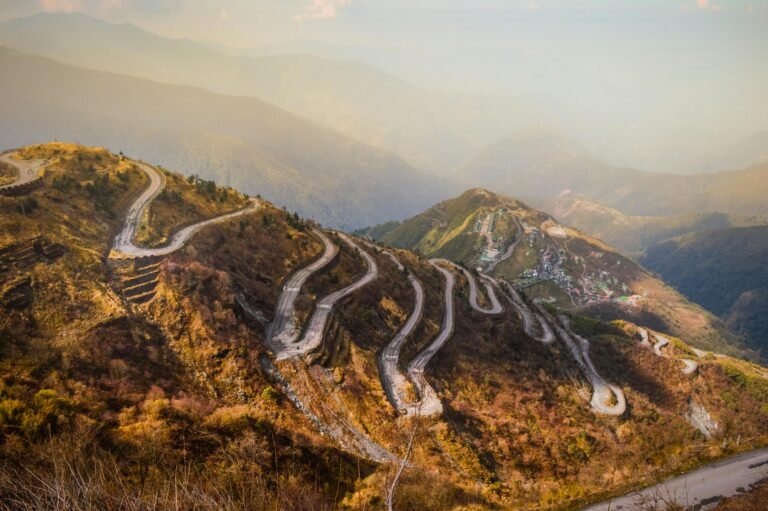
Its importance lies in the perspective it offers. Darjeeling is beautiful from the road, but from the ropeway, the scenery unfolds in layers: green tea gardens, winding mountain roads, terraced slopes, and distant peaks on a clear day. For many travelers, it is the first “wow” moment of the trip.
- Offers panoramic views of tea gardens and valley slopes.
- Provides a relaxed way to experience Darjeeling’s landscape.
- Remains one of the town’s most iconic tourist attractions.
Best Time to Visit
The ropeway can be enjoyed most of the year, but visibility and comfort depend heavily on weather. Clear mornings usually give the best views, while afternoons may become misty or crowded.
Best seasons
- March to May: Pleasant weather, green hills, and excellent sightseeing conditions.
- October to November: Crisp air, clear skies, and some of the best mountain views of the year.
- December to February: Cold but rewarding if the sky is clear; carry warm layers.
Best time of day
- Early morning: Better chance of clear visibility and shorter queues.
- Late afternoon: Nice golden light, though weather can become hazier.
Tip: Avoid rainy afternoons if your main goal is sightseeing, as mist and cloud cover can reduce visibility.
How to Reach Darjeeling Ropeway
The ropeway is located in Darjeeling town and is usually reached by local taxi or on foot from nearby central areas, depending on your starting point and fitness level.
By road
- From Darjeeling town center: Hire a local taxi or shared cab to the ropeway station.
- From Siliguri/NJP: First travel to Darjeeling by taxi or shared vehicle, then continue locally.
- From Bagdogra Airport: Take a road transfer to Darjeeling, which typically takes several hours depending on traffic and weather.
By train
- The nearest major railheads are New Jalpaiguri (NJP) and Darjeeling Himalayan Railway stops in the region.
- From the station, continue by road to Darjeeling town and then to the ropeway.
By air
- Bagdogra Airport is the nearest airport for most travelers.
- From there, book a private cab or shared transfer to Darjeeling.
Travel note: Road conditions in the hills can affect journey time, especially during monsoon or peak holiday seasons.
Top Things to Do
Most visitors come for the cable car ride, but the experience becomes richer when you combine it with nearby sightseeing and time in town.
1. Enjoy the cable car ride
The main attraction is, of course, the ride itself. Sit by the window, watch the tea estates pass below, and enjoy the slow, floating movement across the valley.
2. Capture panoramic photos
The ropeway is one of Darjeeling’s best places for landscape photography. Morning light often creates the clearest and most dramatic images.
3. Look for tea garden views
The route passes over stretches of green tea plantations, giving you a close look at the slopes that have made Darjeeling tea world-famous.
4. Combine the ride with a short sightseeing loop
After the ropeway, plan nearby visits so the outing feels like a full half-day experience instead of a single activity.
5. Slow down and enjoy the hill-town atmosphere
Part of the charm is the pace. The ropeway is best enjoyed without rushing, especially if you are traveling with family or first-time visitors.
Nearby Attractions
Darjeeling Ropeway is well placed for a wider sightseeing plan. Several popular attractions are within easy reach of the town.
- Chowrasta / Mall Road: A classic Darjeeling promenade for strolling, shopping, and people-watching.
- Padmaja Naidu Himalayan Zoological Park: Known for high-altitude wildlife and conservation efforts.
- Himalayan Mountaineering Institute: A must-visit for mountaineering history and adventure lovers.
- Batasia Loop: A scenic railway loop with gardens and panoramic views.
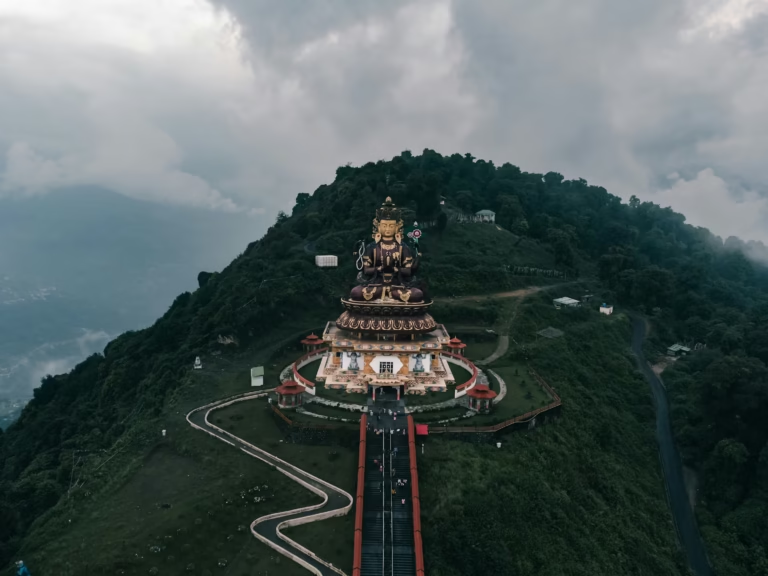
- Peace Pagoda: A calm spiritual stop with mountain views and a quiet atmosphere.
- Tea estates near Darjeeling: Great for plantation walks and tea-tasting experiences.
For a well-balanced day, pair the ropeway with one or two nearby attractions rather than trying to cover too much at once.
Local Experiences: Food, Shopping, Culture
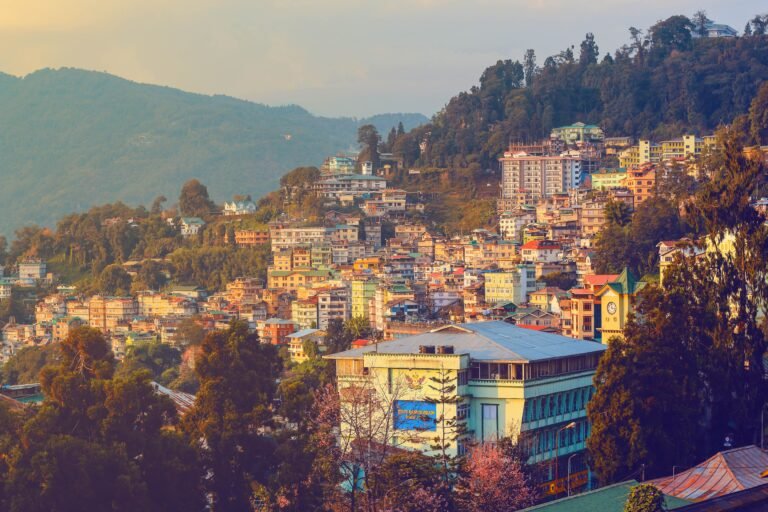
A Darjeeling trip is incomplete without tasting the town’s food, browsing local markets, and soaking in the cultural mix that makes the hill station so distinctive.
Food to try
- Momos: A Darjeeling staple, served steamed or fried.
- Thukpa: A comforting noodle soup, ideal in cool weather.
- Darjeeling tea: Fresh, aromatic, and best enjoyed from a local tea shop or café.
- Local bakery items: Fresh buns, cakes, and pastries are popular in town.
Shopping ideas
- Packaged Darjeeling tea
- Woollens and cold-weather accessories
- Handmade souvenirs and local crafts
- Small food items and bakery treats to take back
Culture and vibe
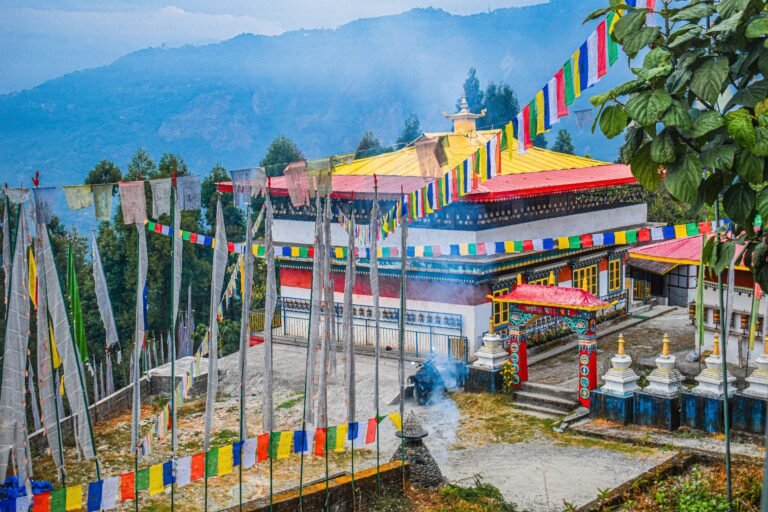
Darjeeling’s cultural character reflects Nepali, Tibetan, Bengali, and local hill traditions. You will notice it in the food, language, prayer flags, monasteries, and everyday hospitality. The ropeway itself fits neatly into this cultural landscape as a modern way to admire an old Himalayan town.
Accommodation Options
Since the ropeway is in Darjeeling town, most travelers stay in central Darjeeling and visit the attraction as part of a broader sightseeing plan.
Budget stays
- Simple guesthouses and homestays
- Basic rooms near the town center
- Good for backpackers and short trips
Mid-range stays
- Comfortable hotels with valley views
- Family-friendly properties near major markets
- Good balance of comfort and convenience
Luxury stays
- Boutique hotels with heritage charm
- Premium hill-view rooms
- Ideal for honeymoons or relaxed vacations
Best area to stay: Central Darjeeling, Chowrasta, or nearby market areas, so you can access the ropeway and other attractions without long transfers.
Estimated Costs
Costs can vary depending on the season, ticket prices, transportation choice, and hotel category. The following ranges help you plan a realistic budget.
- Ropeway ticket: Approximately ₹200 to ₹300 per person, though rates can change.
- Local taxi to the station: Varies by distance and negotiation.
- Meals: Budget meals may start around ₹150 to ₹300 per person, while café dining costs more.
- Budget stay: Around ₹1,000 to ₹2,500 per night.
- Mid-range stay: Around ₹3,000 to ₹6,000 per night.
- Luxury stay: Higher, depending on season and views.
Budget tip: If you are traveling in a group, shared transport and early planning can reduce your overall expenses.
Travel Tips for Families, Honeymooners, and Friends
Darjeeling Ropeway is suitable for different travel styles, but a few practical tips can make the experience smoother.
For families
- Choose morning hours to avoid long waits and weather changes.
- Carry light snacks, water, and warm clothing for children.
- Plan a relaxed itinerary with nearby attractions instead of rushing.
For honeymooners
- Pick a clear day for better photos and views.
- Book a room with a view in central Darjeeling if possible.
- Pair the ropeway with a tea garden visit or a quiet café stop.
For friends
- Go early to avoid queues and make the most of the day.
- Keep some time for food stops and market browsing.
- Carry a power bank and a camera for group photos.
Packing and safety guidance
- Carry a light jacket even in warmer months; hill weather changes quickly.
- Wear comfortable shoes if you plan to walk around town afterward.
- Keep cash handy for small purchases and local transport.
- Check weather conditions before heading out, especially during monsoon.
- Follow station instructions and remain seated during the ride.
FAQs
Q: What is Darjeeling Ropeway famous for?
A: It is famous for its scenic cable car ride over tea gardens, valleys, and the beautiful hill landscape of Darjeeling.
Q: How much time should I keep for visiting Darjeeling Ropeway?
A: Plan at least 1 to 2 hours for the ropeway experience, including waiting time, the ride, and a little buffer for queues or photos.
Q: Is Darjeeling Ropeway suitable for children and senior citizens?
A: Yes, it is generally suitable for both, as long as they are comfortable with cable car rides and the weather is favorable.
Q: What is the best time to ride the ropeway for clear views?
A: Early morning on a clear day is usually the best time for visibility and photography.
Q: Can I combine Darjeeling Ropeway with other sightseeing places?
A: Yes, it works well with nearby attractions such as Chowrasta, Batasia Loop, the Himalayan Mountaineering Institute, and the zoo.
Conclusion
Darjeeling Ropeway is more than a tourist ride; it is a simple, scenic window into the beauty of the hills. With its sweeping tea garden views, easy access from town, and proximity to major attractions, it fits naturally into almost any Darjeeling itinerary. Whether you are traveling with family, on a honeymoon, or exploring with friends, the ropeway adds a memorable perspective to the mountain experience.