Table of Contents
- Introduction
- Monsoon Weather and Best Time to Visit
- Must-Visit Places in Darjeeling
- Local Culture, Food, and Shopping
- Nearby Getaways
- How to Reach Darjeeling
- Accommodation Options and Estimated Costs
- Monsoon Travel Tips for Families, Honeymooners, and Friends
- FAQs
- Validation
- Conclusion
Introduction
Darjeeling in the monsoon feels like a different world. The tea gardens turn a deeper shade of green, the hills wear a soft veil of mist, and every lane seems to smell of wet earth and fresh tea leaves. If you are planning a Darjeeling monsoon travel guide trip, expect quieter streets, dramatic cloudscapes, and a peaceful pace that is perfect for slow travel.
Monsoon in Darjeeling is not just about rainfall; it is about mood. There are fewer crowds, better hotel deals, and some of the most atmospheric views of the Himalayas when the weather clears. At the same time, travelers should plan carefully because landslides, road delays, and sudden showers are part of the experience.
Monsoon Weather and Best Time to Visit
Darjeeling’s monsoon usually lasts from June to September. Rain can be light and misty on some days, while other days may bring heavy showers and reduced visibility. The region looks lush and photogenic, but the weather can change quickly.
Why visit during monsoon?
- Lush tea gardens and dramatic misty views
- Lower tourist rush compared to peak seasons
- Better chances of finding discounted stays
- A calm, cozy hill-station atmosphere
Things to keep in mind
- Views of Kanchenjunga may be limited on rainy days
- Road travel can take longer due to landslides or traffic holds
- Carry flexible plans instead of fixed tight schedules
Must-Visit Places in Darjeeling
These are the places that define Darjeeling, especially when the monsoon adds mist, moisture, and a cinematic feel to the landscape.
1. Tiger Hill
Known for sunrise views over Kanchenjunga, Tiger Hill can still be worthwhile in monsoon if the sky briefly opens. Even when the mountain is hidden, the swirling clouds and early morning silence make the trip memorable.
2. Batasia Loop
This iconic railway loop offers scenic views, flower gardens, and a war memorial. During monsoon, the greenery around the loop becomes especially vivid.
3. Darjeeling Himalayan Railway
The toy train is a classic experience, though monsoon operations can be affected by weather and maintenance. If available, the ride through misty slopes is unforgettable.
4. Padmaja Naidu Himalayan Zoological Park
Home to red pandas, snow leopards, and high-altitude species, this zoo is a good indoor-outdoor stop for a rainy day.
5. Himalayan Mountaineering Institute
A great place to understand Darjeeling’s mountaineering legacy and the stories of Himalayan expeditions.
6. Tea Gardens and Tea Estates
Monsoon is the season when tea gardens look their freshest. A walk through an estate like Happy Valley Tea Estate is ideal for travelers who enjoy quiet landscapes and tea tasting.
7. Mall Road and Chowrasta
These central promenades are best enjoyed between showers. They are perfect for evening walks, local snacks, and casual people-watching.
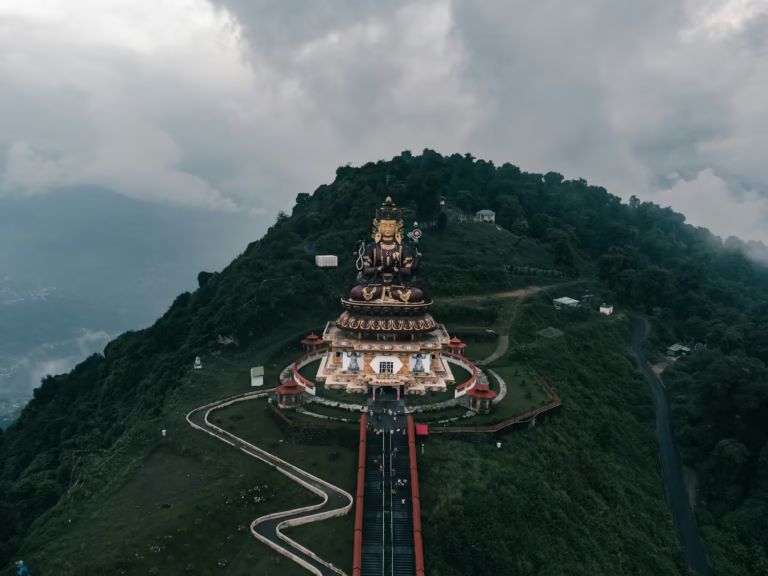
8. Japanese Peace Pagoda
Peaceful and scenic, this site offers a calm break from the rain. The surrounding area is often wrapped in mist, adding to its spiritual atmosphere.
Local Culture, Food, and Shopping
Darjeeling’s charm lies not only in its views but also in its layered culture. The town reflects Nepali, Tibetan, Lepcha, and Bengali influences, and that blend shows up in food, festivals, and everyday life.
Local culture
- Warm hospitality and a relaxed hill-town rhythm
- Music, tea culture, and mountain traditions
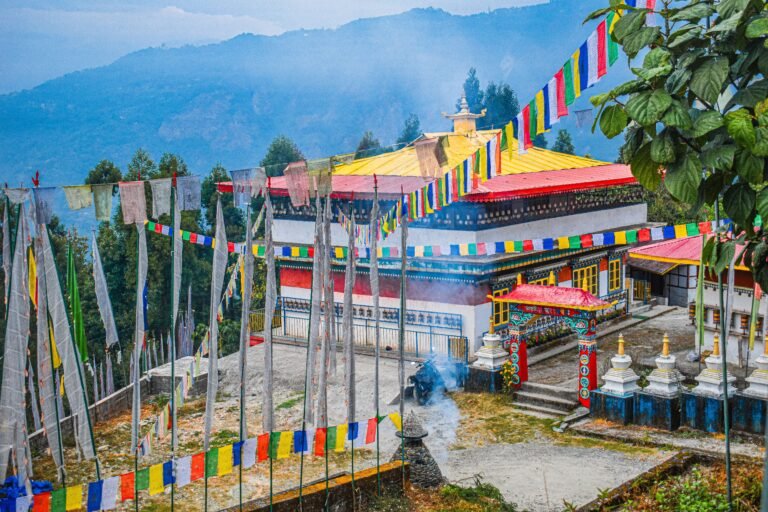
- Buddhist monasteries and peaceful neighborhood life
What to eat
- Momos: Steamed or fried, usually with spicy chutney
- Thukpa: A comforting noodle soup, ideal for rainy weather
- Shaphalay: Tibetan-style stuffed bread
- Darjeeling tea: Freshly brewed and best enjoyed slowly
- Local snacks: Puff pastries, pakoras, and hot corn by the roadside in season
Shopping in monsoon
- Tea packets and tea gift boxes
- Woolens, scarves, and hand-knit items
- Local handicrafts, prayer flags, and souvenirs
- Small baked goods and homegrown specialty products
For rainy days, indoor markets and tea shops are the best places to browse without rushing.
Nearby Getaways
If you have an extra day or two, these nearby destinations pair well with a Darjeeling monsoon trip.
Kalimpong
A quieter hill town with monasteries, nurseries, and mountain views. It is often less crowded than Darjeeling and can be a relaxed extension of your trip.
Mirik
Known for Sumendu Lake and pine forests, Mirik is scenic in the rains, though road conditions should be checked before departure.
Kurseong
A charming stop between Siliguri and Darjeeling, Kurseong has tea estates, viewpoints, and a gentler pace.
Lamahatta
Perfect for nature lovers, this eco-park area is lush during monsoon and offers short walks amid pine and prayer flags.
Takdah and Tinchuley
These are excellent for travelers who want a more peaceful, offbeat hill experience with village life and tea garden scenery.
How to Reach Darjeeling
Darjeeling is accessible by air, rail, and road, but monsoon travel requires a little extra buffer time.
By air
- Nearest airport: Bagdogra Airport
- From Bagdogra, hire a taxi or take a shared vehicle to Darjeeling
- Travel time usually takes around 3.5 to 5 hours, depending on traffic and road conditions
By rail
- Nearest major railheads: New Jalpaiguri (NJP) and Siliguri
- From NJP, continue by car or shared jeep
- The Darjeeling Himalayan Railway toy train may be available on some schedules, but monsoon delays can affect service
By road
- Regular taxis and shared jeeps run from Siliguri, NJP, and Bagdogra
- Road journeys can be slower in heavy rain
- Start early in the day to reduce the risk of being caught in weather-related delays
Accommodation Options and Estimated Costs
Monsoon is a good time to find value stays in Darjeeling, from budget guesthouses to heritage hotels with mountain-facing rooms.
Where to stay
- Budget guesthouses: Simple rooms, basic amenities, and central locations
- Mid-range hotels: Comfortable rooms, room heaters in some properties, and better views
- Boutique and heritage stays: Ideal for couples or travelers who want character and atmosphere
- Tea estate stays: Great for a quiet, scenic retreat
Estimated daily costs per person
- Budget traveler: INR 1,500–3,000 including stay, food, and local transport
- Mid-range traveler: INR 3,500–7,000 including comfortable stay and meals
- Comfort/luxury traveler: INR 8,000 and above, depending on hotel category and transport
Additional cost tips
- Shared jeeps are cheaper than private taxis
- Tea tasting and local food are generally affordable
- Keep extra budget for weather-related transport changes
Monsoon Travel Tips for Families, Honeymooners, and Friends
General monsoon packing list
- Light raincoat or umbrella
- Waterproof shoes with good grip
- Quick-dry clothing and an extra pair of socks
- Power bank and sealed pouches for electronics
- Basic medicines, motion-sickness tablets, and first-aid supplies
Safety tips
- Check road and weather updates before traveling between towns
- Avoid isolated paths after dark during heavy rain
- Book stays with reliable access and confirmed transport support
- Keep plans flexible in case viewpoints are clouded out
For families
- Choose a centrally located hotel to reduce long walks in the rain
- Keep children warm and dry, especially in the evenings
- Plan indoor-friendly stops like museums, the zoo, and tea estates
- Allow extra time for meals and road transfers
For honeymooners
- Pick a room with a view, but confirm backup heating and hot water
- Enjoy slow mornings, tea sessions, and peaceful monastery visits
- Monsoon mist creates a romantic setting, but keep expectations flexible for mountain views
For friends
- Great for relaxed café hopping, local food walks, and scenic drives
- Split taxis and shared rides to keep the trip budget-friendly
- Carry rain gear so you can still enjoy short walks between showers
Best way to enjoy Darjeeling in monsoon
Do not try to pack too many attractions into one day. Leave space for weather delays, tea breaks, and unplanned misty viewpoints. The monsoon experience is best enjoyed at a slow, flexible pace.
FAQs
Q: Is monsoon a good time to visit Darjeeling?
A: Yes, if you enjoy misty landscapes, fewer crowds, and a peaceful hill-station mood. However, be ready for rain, possible landslides, and limited mountain views on some days.
Q: What should I pack for Darjeeling in the monsoon?
A: Carry a raincoat, umbrella, waterproof footwear, quick-dry clothes, a light jacket, a power bank, and basic medicines.
Q: Can I see Kanchenjunga during monsoon?
A: Sometimes, but visibility is unpredictable. Early mornings after rain may offer brief clear windows, though clouds often cover the peaks.
Q: How many days are enough for Darjeeling in the rainy season?
A: Three to four days are usually enough for the town, tea gardens, and one nearby getaway, with some buffer for weather delays.
Q: Is Darjeeling safe for families during monsoon?
A: Yes, if you choose a reliable hotel, avoid late-night travel, and keep your itinerary flexible due to weather and road conditions.
Validation
Validation: This guide includes the required table of contents, introduction, must-visit places, local culture/food/shopping, nearby getaways, how to reach, accommodation options, estimated costs, traveler-specific monsoon tips, FAQs, and a concluding summary. All anchor links and FAQ Q&A formatting are present.
Conclusion
Darjeeling in the monsoon is best suited for travelers who appreciate atmosphere over certainty. The rain deepens the colors of the tea gardens, the mist gives the town a dreamlike quality, and the quieter streets make the experience feel intimate. With flexible planning, practical packing, and an understanding of weather-related delays, a monsoon trip to Darjeeling can be calm, scenic, and deeply memorable.