Table of Contents
- Introduction
- History & Importance
- Best Time to Ride
- Top Things to Do on/along the Route
- Nearby Attractions
- How to Reach
- Accommodation Options
- Estimated Costs & Booking
- Local Experiences: Food, Shopping & Culture
- Traveler-Specific Tips
- Essential Tips for Riding the Toy Train
- FAQs
- Conclusion
Introduction
The Darjeeling Himalayan Railway (DHR) Toy Train is more than a ride—it’s a slow-travel journey through tea gardens, misty hills, and living history. Clattering along a two-foot narrow-gauge line from the plains at New Jalpaiguri to the hill station of Darjeeling, the train steams past everyday life, bazaars, monasteries, and cloud-kissed ridges.
Whether you choose the iconic Darjeeling–Ghum–Darjeeling joyride with its photogenic Batasia Loop or the full day’s odyssey from the plains to the peaks, this guide covers the best times, ticket tips, costs, nearby attractions, and practical know-how to make your toy train experience effortless and unforgettable.
History & Importance
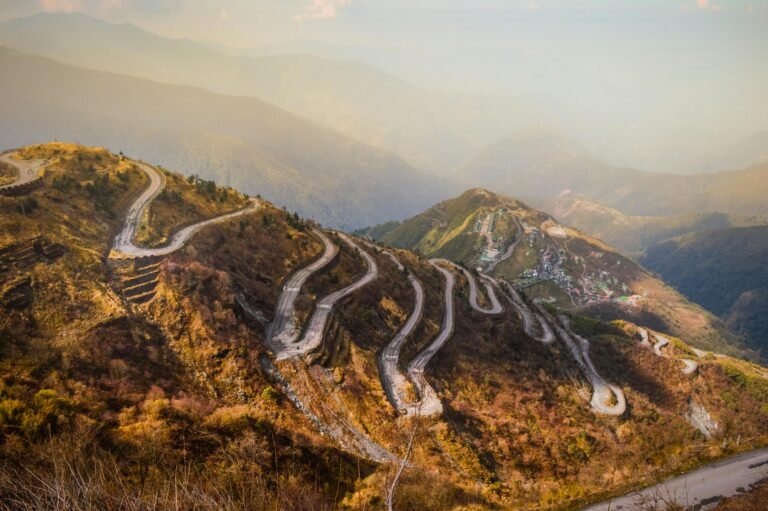
Built between 1879 and 1881, the Darjeeling Himalayan Railway is an engineering marvel that tamed Himalayan gradients with loops and zigzags instead of tunnels. Its most famous feature—the Batasia Loop—spirals the track to gain height while revealing sweeping valley and Kanchenjunga views on a clear day.
The DHR is part of the UNESCO World Heritage-listed “Mountain Railways of India” (inscribed in 1999), celebrated for its innovative design and continuing social significance. Ghum station (about 2,258 m) is the highest railway station in India, and the line’s steam heritage remains lovingly preserved alongside modern diesel services.
Best Time to Ride
- October to December: Crisp skies, clear mountain views, and photogenic light. Peak season—book early.
- March to May: Pleasant spring weather, rhododendrons in bloom, good visibility.
- January to February: Quiet and atmospheric; expect cold mornings and potential fog.
- June to September (Monsoon): Lush landscapes but frequent rain; occasional disruptions/landslides possible. Consider shorter section rides or the Darjeeling–Ghum joyride.
Pro tip: Morning departures generally have steadier operations and gentler crowds; late afternoons can bring mist and reduced visibility.
Top Things to Do on/along the Route
- Ride the full route (New Jalpaiguri to Darjeeling): A full-day, slow-travel experience through Siliguri, Kurseong, and alpine hamlets—ideal for rail enthusiasts.
- Darjeeling–Ghum–Darjeeling Joyride: The classic 2-hour heritage loop—often with a steam locomotive—includes stops at Batasia Loop and the DHR Museum at Ghum.
- Photograph the loops and street-running sections: Capture the train threading through town streets—always maintain a safe distance from the track.
- Visit the DHR Museum (Ghum): Vintage coaches, photographs, and exhibits on the railway’s legacy.
- Blend road and rail: Travel one way by road and return by train on a scenic section such as Kurseong–Darjeeling for variety and time efficiency.
Nearby Attractions
In and around Darjeeling
- Tiger Hill: Sunrise views of Kanchenjunga on clear mornings.
- Batasia Loop & War Memorial: Panoramas and floral gardens right on the toy train route.
- Padmaja Naidu Himalayan Zoological Park & HMI: Red pandas, snow leopards, and mountaineering heritage.
- Ghum Monastery: Peaceful Tibetan-Buddhist monastery near India’s highest station.
- Happy Valley Tea Estate: Guided walks and tastings (seasonal schedules).
Day trips and nearby hill towns
- Mirik: Serene lake and orange orchards.
- Kurseong: Tea gardens, viewpoints like Eagle’s Crag, and a quieter hill vibe.
- Kalimpong: Monasteries, flower nurseries, and river valley views.
How to Reach
By Air
- Bagdogra Airport (IXB) is the nearest major airport.
- Distance to Darjeeling: ~70 km; 3–4 hours by road depending on traffic and weather.
- From IXB to toy train: Taxi to New Jalpaiguri (NJP) station for full-route trains, or taxi to Darjeeling station for joyrides.
By Train
- New Jalpaiguri (NJP) is the primary broad-gauge railhead connecting major Indian cities.
- Transfer at NJP to the DHR for the heritage run to Darjeeling, or continue by road if short on time.
By Road
- Siliguri/NJP to Darjeeling by taxi or shared jeep: 3–4 hours via Hill Cart Road or alternative routes (traffic and landslides can affect times).
- Boarding points along the DHR include: New Jalpaiguri, Siliguri Junction, Kurseong, and Darjeeling.
Accommodation Options
- Heritage and boutique stays (Darjeeling): Near Chowrasta (Mall Road), Gandhi Road, and around the tea estates. Expect character, views, and classic charm.
- Mid-range hotels: Convenient for families, often walkable to Darjeeling Railway Station.
- Budget homestays/guesthouses: Warm hospitality and local insight; book near the Mall or Chowk Bazaar for easy access.
- Transit stopovers: Siliguri/NJP for early train starts or late arrivals.
Approximate nightly costs (per room, double occupancy):
- Budget: INR 1,200–2,500
- Mid-range: INR 3,000–6,000
- Luxury/heritage: INR 8,000–20,000+
Estimated Costs & Booking
Ticket Types and Typical Ranges
- Darjeeling–Ghum–Darjeeling Joyride:
- Steam-hauled (premium heritage experience): Often around INR 1,500–2,000 per adult.
- Diesel-hauled: Commonly around INR 900–1,400 per adult.
- Duration: ~2 hours, usually includes stops at Batasia Loop and Ghum Museum.
- Full-route (NJP–Darjeeling) reserved seats:
- Generally higher than standard hill road transport; plan for a premium over a road journey due to limited seats and heritage value.
- Travel time: ~7–8 hours.
Fares change periodically. Always check current prices and availability on official channels.
Where and How to Book
- IRCTC website/app: Search for Darjeeling Himalayan Railway services (ensure correct station names).
- Railway booking counters: At Darjeeling, NJP, Siliguri, and Kurseong stations (subject to availability).
- Peak seasons and holidays: Book several days to weeks in advance.
Other Budget Considerations (per person, indicative)
- Local taxi to/from station: INR 200–600 within town; INR 2,500–4,500 for airport/NJP–Darjeeling (vehicle type/season dependent).
- Tea tasting/tours: Often complimentary with purchases; guided estate tours may charge a modest fee.
- Snacks and hot beverages onboard/at halts: INR 50–250.
Local Experiences: Food, Shopping & Culture
Food
- Hill comfort staples: Momos, thukpa, aloo dum with sel roti, Nepalese and Tibetan specialties.
- Cafés and bakeries: Fresh bakes, hot chocolate, and mountain-view tea rooms.
- Tea culture: Sample single-estate Darjeeling first and second flush teas; learn to brew light and fragrant.
Shopping
- Darjeeling tea: Buy sealed, estate-labeled packs from reputed outlets.
- Handicrafts and woollens: Handwoven shawls, knitted caps, prayer flags, and local art.
- Where: Chowrasta/Mall Road, Chowk Bazaar, and cooperative centres.
Culture
- Multicultural mosaic: Predominantly Nepali-speaking communities with Tibetan-Buddhist influences.
- Festivals: Losar, Dasain, and Tihar bring music, dance, and vibrant street life.
- Monastic visits: Gentle etiquette—modest clothing, quiet voices, and photography only where permitted.
Traveler-Specific Tips
For Families
- Book window seats together; carry light snacks and water.
- Plan restroom breaks at scheduled station halts like Ghum and Kurseong.
- Layered clothing for kids; mornings and tunnels can feel chilly.
For Honeymooners
- Choose a steam joyride for vintage romance and better photo ops at Batasia Loop.
- Ride near golden hour (weather permitting) for softer light and misty vistas.
- Pick a hillside café post-ride for tea tastings and views.
For Friends/Groups
- Sync seats in the same coach; consider section rides (Kurseong–Darjeeling) to balance time and scenery.
- Combine with short hikes (e.g., around Ghum or tea garden walks) for an active day out.
- Bring a light game or playlist—full-route rides are delightfully unhurried.
Essential Tips for Riding the Toy Train
- Seat selection: The valley side alternates; ask station staff which side faces views for your direction and section.
- Luggage: Space is limited in narrow-gauge coaches—bring compact bags.
- Weather-ready: Layer up; carry a light rain jacket year-round and sun protection on clear days.
- Monsoon buffer: Build a buffer day for potential weather-related delays.
- Tickets and ID: Carry a valid photo ID with your e-ticket; arrive 20–30 minutes early.
- Safety: Keep hands/head inside; stay well clear of tracks, especially where the train runs alongside streets.
- Photography: Steam soot and cinders can fly—protect cameras and wear dark layers if riding behind the locomotive.
- Altitude and motion: If sensitive, pack motion-sickness tablets and stay hydrated.
- Sustainability: Avoid single-use plastics; use station bins and respect local communities along the line.
FAQs
Q: How long does the Darjeeling–Ghum joyride take and what’s included?
A: The round trip takes about 2 hours and typically includes photostops at Batasia Loop and a visit to the DHR Museum at Ghum. Services may be steam or diesel; check when booking.
Q: Does the toy train run year-round?
A: Services generally operate year-round but may be curtailed or rescheduled during heavy monsoon or maintenance. Always check the latest status and timings before you travel.
Q: Which side has the best views?
A: It varies by section and direction. On the Darjeeling–Ghum joyride, the valley-facing seats often get better panoramas toward Batasia Loop—ask station staff before boarding for the day’s best side.
Q: Can I board at intermediate stations like Kurseong?
A: Yes, many services allow boarding from intermediate stations if you hold a valid ticket for that segment. Availability is limited—reserve in advance.
Q: Are coaches air-conditioned?
A: No. The charm is in opening windows and fresh mountain air. Bring layers; it can be cool and breezy, especially at higher altitudes.
Conclusion
Riding the Darjeeling Himalayan Railway is a time capsule through mist and tea gardens, where heritage engineering meets everyday hill life. Plan for the right season, secure tickets early, travel light, and leave room for unhurried moments at loops, stations, and viewpoints. Whether you choose the iconic joyride or the full ascent from the plains, the toy train offers one of India’s most evocative travel experiences.