Table of Contents
- Introduction: Budget Sikkim Tour Packages for Every Traveler
- Top Cities and Places in Sikkim
- Tourist Circuits and Classic Routes
- Best Budget-Friendly Activities
- Festivals and Events Calendar
- Sample Budget Itineraries
- Estimated Costs and Money-Saving Tips
- How to Reach Sikkim and Local Transport
- Accommodation on a Budget
- Local Food, Culture, and Shopping
- Traveler-Specific Tips (Families, Couples, Friends)
- Practical Travel Tips and Permits
- FAQs
- Conclusion
Introduction: Budget Sikkim Tour Packages for Every Traveler
Sikkim blends snow-capped peaks, emerald valleys, monasteries, and warm homestays—without demanding a luxury budget. Whether you’re backpacking solo, planning a family holiday, a friends’ road trip, or a scenic honeymoon, budget Sikkim tour packages can be tailored to your pace and pocket. This guide curates affordable routes, realistic costs, permits, and insider tips so you can experience Gangtok, North Sikkim, Pelling, and beyond—smartly and sustainably.
Top Cities and Places in Sikkim
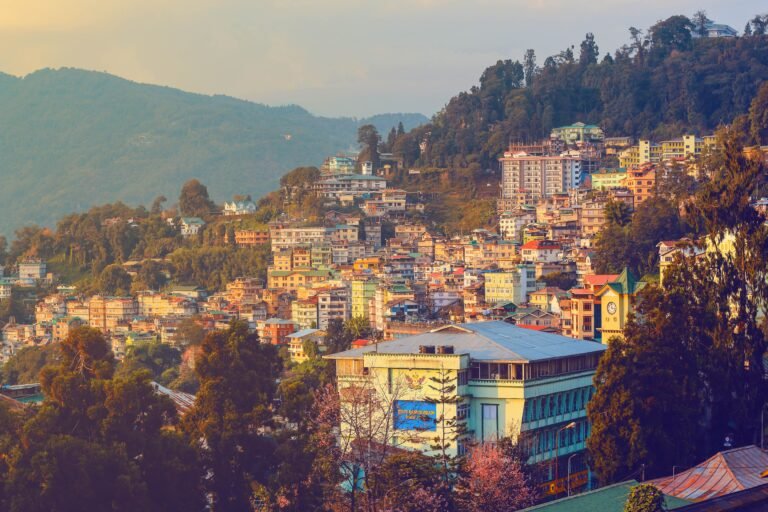
Gangtok (East Sikkim)
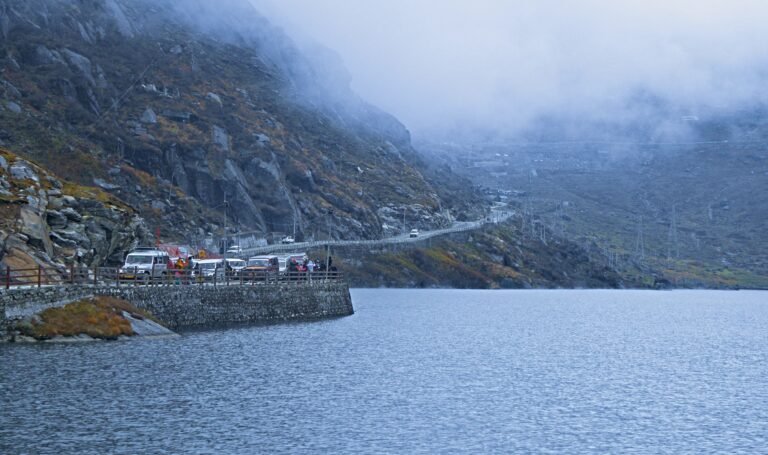
- Why visit: Lively MG Marg, ropeway views, cafes, and access to Tsomgo (Changu) Lake, Nathula Pass, and Zuluk.
- Highlights: Rumtek & Enchey monasteries, Tashi View Point, Ranka Monastery, Himalayan Zoological Park.
- Budget note: Shared cabs keep costs low; many pocket-friendly hotels and hostels.
North Sikkim: Lachen, Lachung, Yumthang Valley
- Why visit: Rugged landscapes, rhododendron blooms, alpine meadows, and high-altitude lakes.
- Highlights: Gurudongmar Lake (via Lachen; very high altitude), Yumthang/Zero Point (via Lachung).
- Budget note: Go on a shared North Sikkim package (permits, basic stays, meals often included).
West Sikkim: Pelling, Yuksom
- Why visit: Kanchenjunga views, heritage monasteries, suspension bridges, and village life.
- Highlights: Pemayangtse Monastery, Rabdentse ruins, Skywalk, Kanchenjunga waterfalls, Khecheopalri Lake.
South Sikkim: Ravangla, Namchi, Temi Tea Garden
- Why visit: Gentle hills, tea gardens, sculpture parks, and serene monasteries.
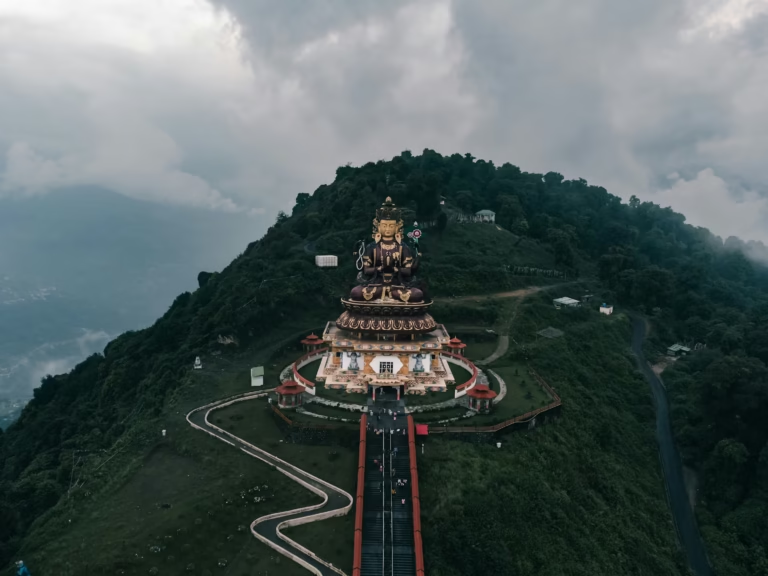
- Highlights: Buddha Park (Ravangla), Samdruptse & Char Dham (Namchi), Temi Tea Estate.
East Sikkim Silk Route: Zuluk–Padamchen–Kupup
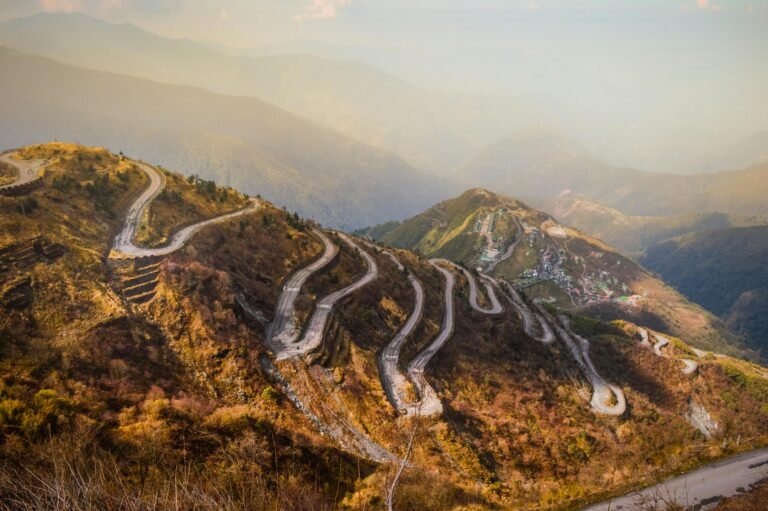
- Why visit: Historic trade route with a dizzying series of hairpin bends and raw mountain scenery.
- Budget note: Opt for homestays with simple meals; permits mandatory.
Tourist Circuits and Classic Routes
East Sikkim Circuit (2–4 days)
- Gangtok – Tsomgo (Changu) Lake – Baba Mandir – Nathula Pass (Indians only; closed certain days) or Zuluk Silk Route.
- Best for: Short trips, families, scenic drives.
North Sikkim Circuit (2–3 days)
- Option A: Gangtok – Lachen – Gurudongmar Lake – Lachung – Yumthang – Gangtok.
- Option B (easier altitude): Gangtok – Lachung – Yumthang/Zero Point – Gangtok.
- Best for: Adventure seekers; check altitude suitability.
West & South Sikkim Circuit (3–5 days)
- Gangtok – Pelling – Yuksom – Ravangla – Namchi – Gangtok/Siliguri.
- Best for: Culture, monasteries, viewpoints, gentle hikes.
Trekking Circuit (seasonal)
- Yuksom – Dzongri – Goecha La (moderate to difficult; guided trek).
- Best for: Fit hikers with time; budget by choosing shared groups and homestays where possible.
Best Budget-Friendly Activities
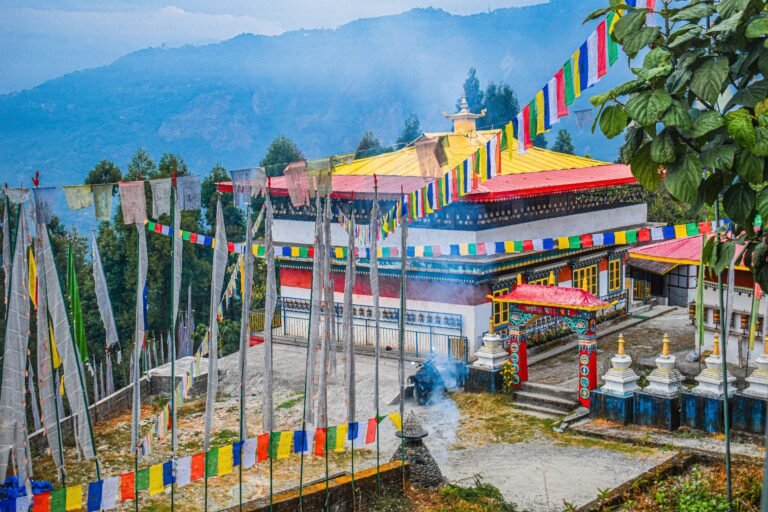
- Monastery trail: Rumtek, Pemayangtse, Enchey, Tashiding—small entry fees only.
- Short hikes: Rabdentse ruins walk, Banjhakri Falls park, Tashi View Point sunrise.
- Village stays: Homestays in Dzongu (Lepcha reserve), Hee-Bermiok, or Zuluk for culture and food.
- Tea experiences: Temi Tea Garden walks, affordable tastings, and photo stops.
- Gangtok on foot: MG Marg promenade, Lal Bazaar (weekend farmer’s market), ropeway ride.
- Waterfalls and lakes: Khecheopalri Lake, Kanchenjunga & Seven Sisters waterfalls, Tsomgo Lake.
Festivals and Events Calendar
- Losar (Feb–Mar): Tibetan New Year; monastery rituals, dances.
- Bumchu at Tashiding (Feb–Mar): Sacred water ritual; unique cultural insight.
- Saga Dawa (May–June): Celebrates Buddha’s birth, enlightenment, and nirvana; processions in Gangtok.
- Pang Lhabsol (Aug–Sep): Honors Mount Kanchenjunga; masked dances.
- Kanchenjunga Winter Tourism Festival (Dec): Cultural shows and local crafts (dates vary).
Sample Budget Itineraries
4 Days: Gangtok Essentials (Budget)
- Day 1: Arrive Gangtok; MG Marg, Ropeway, Enchey.
- Day 2: Tsomgo Lake + Baba Mandir (shared vehicle/permit). Nathula add-on for Indian nationals (subject to availability/closure days).
- Day 3: Rumtek–Ranka–Banjhakri Falls local loop (shared cab/day tour).
- Day 4: Tashi View sunrise, depart.
- Approx per-person (excluding flights): INR 7,000–11,000 with dorm/homestay and shared tours.
6 Days: Gangtok + North Sikkim (Budget)
- Day 1: Arrive Gangtok; local stroll.
- Day 2–3: North Sikkim 2D/1N to Lachung–Yumthang (or 2N/3D Lachen + Lachung). Shared package incl. basic stay/meals.
- Day 4: Return to Gangtok; rest/cafe hopping.
- Day 5: Tsomgo Lake day trip.
- Day 6: Depart.
- Approx per-person (excluding flights): INR 12,000–20,000 depending on season and package type.
7 Days: West & South Sikkim (Scenic + Culture)
- Day 1–2: Gangtok local + Rumtek.
- Day 3–4: Transfer to Pelling; Rabdentse, Pemayangtse, Skywalk.
- Day 5: Yuksom day trip (heritage, easy hikes).
- Day 6: Ravangla Buddha Park + Namchi Char Dham.
- Day 7: Depart via Siliguri.
- Approx per-person (excluding flights): INR 14,000–22,000 with budget hotels and shared cabs.
Estimated Costs and Money-Saving Tips
Typical Daily Budgets (per person)
- Shoestring backpacker: INR 1,500–2,500 (dorm/homestay, local meals, shared cabs).
- Comfort budget: INR 2,500–4,500 (private room, 1–2 paid day trips).
- Couple on a budget: INR 3,500–6,000 (double room, shared tours).
Sample Cost Breakdown (indicative)
- Stay: INR 600–1,000 (dorm) or 1,200–2,500 (budget double) per night.
- Food: INR 400–900 per day (local diners, thalis, momos, thukpa).
- Local transport: INR 20–60 per short shared cab ride within city; INR 300–700 for intercity shared jeeps.
- Day trips: Tsomgo/Baba Mandir shared tour INR 800–1,500 per person (permit extra/usually included).
- North Sikkim shared package: 2D/1N INR 3,500–6,000; 2N/3D INR 5,500–9,000 per person (basic stay/meals/permits).
- Permits: Often bundled in packages; processing/entry fees can add INR 200–500 per person depending on route.
Note: Prices vary by season, road condition, fuel rates, and availability. Always reconfirm immediately before booking.
Money-Saving Tips
- Travel in shoulder seasons (Mar–Apr, Oct–Nov) for good weather and value; winter gets deals but is colder.
- Use shared cabs and shared group tours; split private taxis among 4–6 travelers.
- Pick homestays with dinner included in North Sikkim and Silk Route.
- Book North Sikkim and Tsomgo packages a day in advance to process permits.
- Carry cash for remote areas; ATMs are limited beyond Gangtok and Pelling.
How to Reach Sikkim and Local Transport
By Air
- Bagdogra Airport (IXB), West Bengal: Main gateway; 4–5 hrs by road to Gangtok.
- Pakyong Airport (PYG), near Gangtok: Limited/seasonal operations; weather-dependent.
By Rail
- New Jalpaiguri (NJP): Nearest major railhead; shared jeeps and taxis available to Gangtok and Pelling.
By Road
- Shared Jeep: NJP/Siliguri–Gangtok INR 400–700 per seat.
- Private WagonR/Innova: INR 3,500–7,000 per vehicle (season/vehicle type dependent).
- Within Sikkim: Shared cabs run fixed routes between towns; budget-friendly and frequent.
Roads are mountainous and can be slow; factor in buffer time, especially in monsoon (Jul–Sep) and peak winter.
Accommodation on a Budget
- Hostels (Gangtok): Dorm beds INR 600–1,200; meet travelers to share tours.
- Budget hotels: INR 1,200–2,500 for decent doubles in Gangtok, Pelling, Ravangla.
- Homestays: INR 1,200–2,500 per person in remote areas (often includes 2 meals).
- What to check: Room heating, hot water timing, power backup, inclusion of meals in North Sikkim/Silk Route.
Local Food, Culture, and Shopping
Food to Try (Affordable Eats)
- Momos, thukpa, gyathuk: Widely available, filling, and cheap.
- Sha phaley (fried meat pies), sel roti (Nepali influence), dal-bhat-tarkari thalis.
- Kinema (fermented soybeans), gundruk, chhurpi (local cheese), phagshapa (pork with radish).
- Warm up with local millet brew (tongba/chang) where available.
Culture & Etiquette
- Multi-ethnic harmony of Lepcha, Bhutia, and Nepali communities; dress modestly at monasteries.
- Always walk clockwise around chortens/prayer wheels; ask before photographing monks/locals.
- Sikkim is eco-friendly: avoid litter, carry bottles, respect plastic bans.
Shopping
- MG Marg (Gangtok): Handicrafts, woolens, organic products.
- Lal Bazaar (Gangtok): Local produce (best on weekends), teas, condiments.
- Souvenirs: Thangka prints, prayer flags, handmade paper, wooden masks, Temi tea.
- Bargain politely; support state emporiums and co-ops for fair pricing.
Traveler-Specific Tips (Families, Couples, Friends)
Families
- Prefer Gangtok, Pelling, Ravangla for milder altitudes and easy access.
- Avoid very high altitudes (e.g., Gurudongmar) for kids under 5 or anyone with breathing issues.
- Pack motion-sickness meds; roads are winding. Carry snacks and warm layers.
Honeymooners/Couples
- Choose view rooms in Pelling/Ravangla; add a night in a tea estate or Dzongu homestay.
- Travel shoulder season for privacy and rates. Pre-book heated rooms in winter.
Friends/Backpackers
- Base in Gangtok hostels to find group shares for North Sikkim and Tsomgo.
- Split private cabs on less-connected routes (Pelling–Yuksom–Ravangla).
- Consider the Silk Route homestay chain for raw scenery on a budget.
Packing Essentials
- Layered clothing, rain jacket, sturdy shoes, sunscreen, lip balm, sunglasses.
- Reusable bottle, basic first-aid, altitude meds if advised by a doctor.
- Cash reserve for remote areas; ID copies for permits.
Practical Travel Tips and Permits
- Permits:
- Indian nationals: Permits required for Tsomgo–Nathula and North Sikkim; usually arranged by tour operators with your ID photos.
- Foreign nationals: Require an Inner Line/Restricted Area Permit to enter Sikkim; additional Protected Area Permits for certain zones. Access to Nathula and some border areas is restricted. Check latest rules.
- Nathula Pass is typically closed to tourists on certain weekdays (often Monday–Tuesday) and during bad weather; Tsomgo may shut in heavy snow.
- Altitude caution: Gurudongmar (~5,150 m) is very high. Not advisable for children under 5, elderly travelers, or anyone with heart/lung issues. Hydrate, avoid alcohol, and do not overexert.
- Monsoon watch: Jul–Sep sees landslides; keep flexibility and consider travel insurance.
- Connectivity: Mobile networks can be patchy in North/Silk Route; download offline maps and keep emergency contacts handy.
- Environment: Carry back trash; many areas discourage single-use plastics.
FAQs
Q: What is the cheapest time to visit Sikkim?
A: The shoulder months—March to early April and late September to November—balance fair weather with value pricing. Winter (Dec–Feb) can be even cheaper in cities like Gangtok and Pelling but expect cold temperatures and occasional road closures.
Q: Can I do North Sikkim on a tight budget?
A: Yes. Join a shared 2D/1N or 2N/3D package from Gangtok. Prices usually include permits, basic accommodation, and meals. Expect simple rooms and early starts; carry snacks and warm layers.
Q: Do foreigners need special permits for Sikkim?
A: Foreign nationals require an entry permit to visit Sikkim and additional Protected Area Permits for regions like North Sikkim and Tsomgo. Nathula Pass is generally not permitted for foreign tourists. Always verify current rules before traveling.
Q: Are shared cabs safe and reliable in Sikkim?
A: Yes. Shared jeeps are the most common and budget-friendly transport between towns. They run fixed routes and are widely used by locals. Book through stands or your stay; start early for popular routes.
Q: How much cash should I carry?
A: Carry enough for 2–3 days in remote areas (INR 3,000–6,000 per person) as ATMs are limited beyond Gangtok/Pelling. Many homestays prefer cash.
Conclusion
Sikkim rewards smart travelers with grand Himalayan views, monastery calm, hearty food, and community-run stays—all on a modest budget. Use shared transport, pick homestays that include meals, travel in shoulder seasons, and plan permits a day ahead. Whether you choose Gangtok’s city energy, North Sikkim’s alpine drama, or West and South Sikkim’s slow landscapes, an affordable, memorable journey is easy to craft with the right route and realistic costs.