Table of Contents
- Introduction
- Must-Visit Places in Darjeeling
- Local Culture, Food, and Shopping
- Nearby Getaways from Darjeeling
- How to Reach Darjeeling
- Accommodation Options and Estimated Costs
- Safety Tips for Tourists in Darjeeling
- Tips for Families, Honeymooners, and Friends
- FAQs
- Conclusion
Darjeeling has a way of making travelers slow down. The misty tea gardens, the toy train, the mountain views, and the old-world charm make it one of India’s most beloved hill destinations. But because it is a steep, weather-sensitive, and high-altitude town, smart planning matters just as much as sightseeing.
This guide focuses on Darjeeling safety tips for tourists while also covering the essentials every traveler needs: must-visit places, local experiences, how to reach, where to stay, estimated costs, and practical advice for families, honeymooners, and friends.
If you are planning a trip, the goal is simple: enjoy Darjeeling fully, while staying safe, comfortable, and prepared for the hills.
Must-Visit Places in Darjeeling
Darjeeling’s top attractions are scenic, walkable, and deeply connected to the town’s identity. They are best enjoyed with an early start and a flexible plan, especially if fog or rain affects visibility.
Top attractions to include in your itinerary
- Tiger Hill: Famous for sunrise views over Kanchenjunga. Leave early and carry warm layers.
- Batasia Loop: A beautifully landscaped railway loop with mountain views and a war memorial.
- Himalayan Mountaineering Institute: Ideal for visitors interested in adventure history and local mountaineering culture.
- Padmaja Naidu Himalayan Zoological Park: Known for high-altitude species like red pandas and snow leopards.
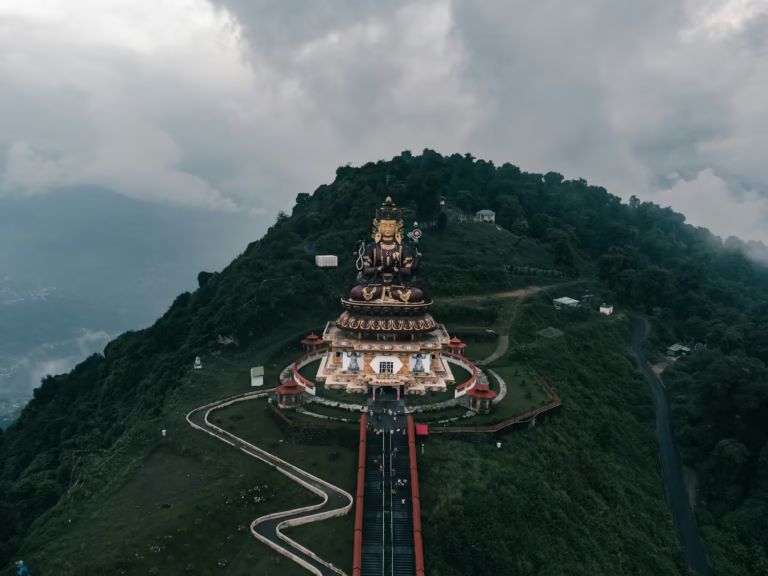
- Peace Pagoda: A peaceful stop for quiet views and a calm atmosphere.
- Darjeeling Mall Road and Chowrasta: Best for evening walks, snacks, and people-watching.
- Tea gardens and estates: A signature Darjeeling experience, especially for first-time visitors.
Safety note for sightseeing
Many Darjeeling attractions involve slopes, stairs, and uneven roads. Wear comfortable shoes, avoid rushing during rain, and do not assume that a short distance means an easy walk. In the hills, even a simple route can be tiring.
Local Culture, Food, and Shopping
Darjeeling is not just about views. Its culture is a blend of Nepali, Tibetan, Lepcha, Bhutia, and Bengali influences, which is reflected in its food, festivals, markets, and everyday life.
Local culture
- Warm hospitality and a slow hill-town pace define the atmosphere.
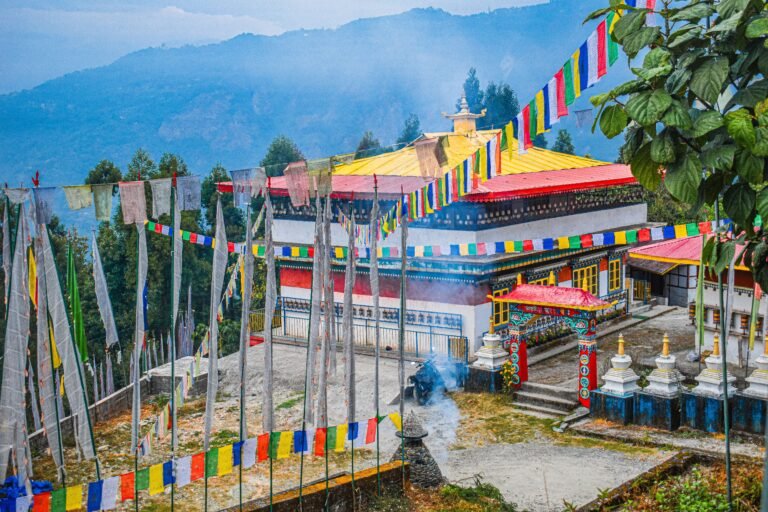
- Monasteries, prayer flags, and Buddhist influences are visible across town.
- Tea culture remains central to Darjeeling’s identity and economy.
- Festivals and local events can make the town livelier, but also busier.
What to eat
- Momos: Steamed or fried, often with spicy chutney.
- Thukpa: A comforting noodle soup, especially good in cold weather.
- Churpee: A traditional Himalayan cheese snack.
- Sel roti and local tea: Great for breakfast or evening snacks.
- Tibetan and Nepali meals: Simple, filling, and widely available.
Shopping tips
- Buy tea only from reliable shops or estate outlets.
- Look for handicrafts, woolens, Tibetan-style accessories, and locally made souvenirs.
- Compare prices before purchasing, especially in busy tourist areas.
- Carry cash for smaller vendors, though digital payments are increasingly common.
Food and market safety
Choose busy eateries with visible hygiene practices. In colder weather, hot food is best eaten fresh. If you have a sensitive stomach, avoid overly spicy or oily foods late at night and always drink safe water.
Nearby Getaways from Darjeeling
Darjeeling works well as a base for short excursions. Nearby destinations offer quieter landscapes, different viewpoints, and a nice break from the main town area.
- Mirik: Known for Sumendu Lake, pine forests, and a gentler pace.
- Kurseong: A charming hill town with tea gardens and colonial-era character.
- Kalimpong: Great for monasteries, nurseries, and wide Himalayan views.
- Lamahatta: A scenic nature spot ideal for relaxed day outings.
- Takdah: Popular for tea gardens and offbeat stays.
Safety tip for day trips
Start early, return before dark, and check road conditions before leaving. Hill roads can change quickly because of fog, rain, or landslide risks.
How to Reach Darjeeling
Darjeeling is accessible, but the final hill stretch requires patience. Planning the last leg of your journey well makes the trip smoother and safer.
By air
Bagdogra Airport is the nearest airport. From there, travelers usually take a taxi to Darjeeling via Siliguri.
By train
New Jalpaiguri (NJP) is the major railhead. The Darjeeling Himalayan Railway, also known as the toy train, is a heritage experience, though it is slower and less suitable if you are short on time.
By road
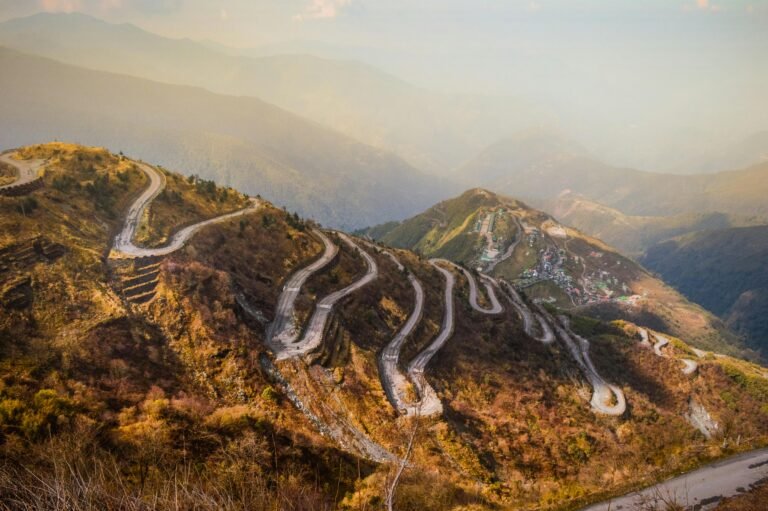
Shared or private taxis are available from Siliguri, NJP, and Bagdogra. The journey is scenic but winding, so motion sickness tablets may help if you are sensitive to mountain roads.
Transport safety tips
- Use registered taxis or trusted operators.
- Avoid overloading vehicles with too much luggage.
- Keep water, snacks, and a jacket handy for road delays.
- Do not travel to remote stretches late at night unless necessary.
Accommodation Options and Estimated Costs
Darjeeling offers stays for every budget, from simple guesthouses to heritage hotels and premium mountain-view properties. Staying near the town center can reduce late-night movement on steep roads.
Where to stay
- Budget stays: Guesthouses, homestays, and small lodges near the main town area.
- Mid-range hotels: Comfortable rooms with better access to sightseeing and dining.
- Luxury and heritage stays: Good for travelers who want views, service, and quieter surroundings.
Estimated travel costs
- Budget traveler: INR 1,500 to 3,000 per day
- Mid-range traveler: INR 4,000 to 8,000 per day
- Comfort/luxury traveler: INR 9,000 and above per day
What affects the price
- Season and long weekends
- View from the hotel room
- Distance from Chowrasta or central town areas
- Availability during peak tourist months
Safety Tips for Tourists in Darjeeling
Darjeeling is generally welcoming to tourists, but hill travel requires a different mindset. Weather changes quickly, roads are steep, and crowds can build up in peak season. These practical tips will help you travel with confidence.
1. Watch the weather closely
Fog, rain, and low visibility are common. Always check the forecast before planning sunrise visits, toy train rides, or long day trips. During monsoon months, landslide-prone routes may be affected.
2. Dress for mountain conditions
Even when the day feels pleasant, mornings and evenings can be cold. Carry:
- a warm jacket
- light gloves and a cap
- comfortable walking shoes with grip
- a raincoat or compact umbrella
- basic medicines and any personal prescriptions
3. Take altitude and exertion seriously
Darjeeling is not extremely high compared with some Himalayan destinations, but climbing slopes and walking long distances can still feel tiring. Move slowly, drink enough water, and avoid overpacking your day with too many uphill walks.
4. Be cautious on roads and stairs
Many paths are narrow, uneven, and steep. Walk carefully, especially when it rains. At night, use lit routes and avoid shortcuts through isolated lanes.
5. Use trusted transport
Pre-book taxis where possible and confirm fares in advance. If you are using shared vehicles, make sure the route is clear and the vehicle is in good condition.
6. Stay alert in crowded areas
Markets, viewpoints, and festival days can get busy. Keep your phone, wallet, and documents secure. Avoid leaving valuables unattended in cabs, cafés, or public benches.
7. Food and water caution
Drink safe water, preferably bottled or filtered. Choose busy food stalls and fresh, hot meals. If you are traveling with children or have a sensitive stomach, keep simple snacks and oral rehydration sachets with you.
8. Best time to visit safely
Spring and autumn are usually the most comfortable seasons for sightseeing because the weather is clearer and roads are more manageable. Winter can be beautiful but cold, while monsoon travel requires extra caution due to rain and landslide risks.
9. Solo traveler safety
Solo travelers should share their route with someone, avoid arriving very late, and choose accommodation in well-connected areas. Keep emergency contacts saved offline in case mobile data becomes weak in the hills.
Tips for Families, Honeymooners, and Friends
Different travelers need different kinds of planning. A little customization can make Darjeeling much easier and more enjoyable.
For families
- Choose centrally located accommodation to reduce road transfers.
- Keep a flexible itinerary with breaks between major sights.
- Carry snacks, water, and layers for children and older travelers.
- Avoid very early or very late outings if the family includes seniors or small children.
For honeymooners
- Book a room with a view if privacy and scenery matter most.
- Plan romantic walks around Mall Road, tea gardens, and viewpoints during clear weather.
- Pick a calm hotel away from noisy traffic if you want a quieter stay.
- Keep one relaxed day in the itinerary instead of over-scheduling.
For friends
- Shared taxis and group bookings can lower costs.
- Plan sunrise and viewpoint visits early to avoid crowding.
- Carry cash for smaller shops and local eateries.
- Respect local rules in religious or heritage sites.
Universal packing checklist
- Warm layers
- Comfortable walking shoes
- Rain protection
- Power bank and charging cable
- Basic medicines
- Photo ID and copies of travel documents
FAQs
Q: Is Darjeeling safe for tourists?
A: Yes, Darjeeling is generally safe for tourists, especially in well-traveled areas. The main concerns are weather, steep roads, and crowd management, so a little planning goes a long way.
Q: What is the safest time of year to visit Darjeeling?
A: Spring and autumn are usually the safest and most comfortable seasons for sightseeing because visibility is better and travel conditions are more stable than during heavy monsoon months.
Q: Is it safe to travel in Darjeeling at night?
A: It is better to avoid unnecessary night travel on isolated roads. If you must move after dark, use trusted transport and stay on well-lit routes near your hotel or central town areas.
Q: Do I need to worry about altitude sickness in Darjeeling?
A: Severe altitude sickness is uncommon in Darjeeling, but some travelers may still feel tired or short of breath on steep walks. Pace yourself, hydrate well, and take breaks.
Q: What should I pack for a Darjeeling trip?
A: Pack warm clothes, comfortable shoes, a raincoat or umbrella, personal medicines, a power bank, and a few snacks. These basics help you stay comfortable in changing mountain weather.
Conclusion
Darjeeling is a memorable hill destination, but the best trips here are the ones planned with care. If you stay weather-aware, choose safe transport, pack for changing conditions, and keep your sightseeing schedule realistic, you can enjoy the town’s tea gardens, viewpoints, food, and mountain charm with far less stress. With the right precautions, Darjeeling becomes not just beautiful, but comfortably and safely travel-friendly.