Darjeeling Packing List for Monsoon: What to Carry for a Safe, Comfortable Trip
Table of Contents
- Essential Darjeeling Packing List for Monsoon
- Why Darjeeling Is Worth Visiting in the Monsoon
- Must-Visit Places in Darjeeling
- Local Culture, Food, and Shopping
- Nearby Getaways and Short Excursions
- How to Reach Darjeeling
- Accommodation Options and Estimated Costs
- Travel Tips for Families, Honeymooners, and Friends
- Frequently Asked Questions
- Conclusion
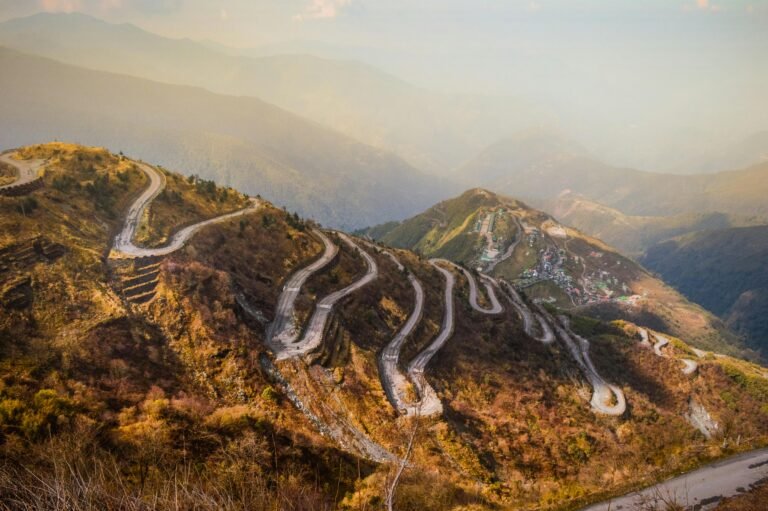
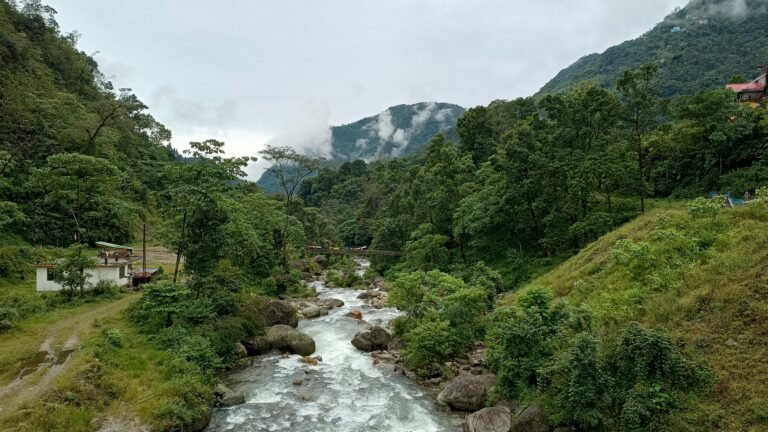
Darjeeling in the monsoon has a mood of its own. The hills turn a deeper green, tea gardens glow after the rain, and clouds drift so low that the town feels almost dreamlike. But the same weather that makes Darjeeling beautiful also brings slippery roads, sudden downpours, damp clothes, and occasional travel delays. That is why a smart Darjeeling packing list for monsoon can make all the difference.
This guide is designed to help you pack light, stay dry, and travel comfortably. Along with the essentials, you will also find practical advice on places to visit, food to try, where to stay, and how to plan your trip with family, friends, or as a couple.
Essential Darjeeling Packing List for Monsoon
Monsoon travel in Darjeeling is about preparation. Pack for rain, cool evenings, and wet roads, but keep your bag compact enough to move around easily.
1. Rain Protection
- Compact umbrella: Choose a sturdy one that can handle hill wind.
- Raincoat or poncho: A poncho is often easier when you are walking through crowded streets or tea gardens.
- Waterproof backpack cover: Essential if you are carrying cameras, laptops, or spare clothes.
- Ziplock bags or dry pouches: Useful for phones, chargers, medicines, and travel documents.
2. Clothing and Footwear
- Quick-dry clothes: Cotton is comfortable, but quick-dry fabric is better for repeated showers.
- Light woollens: Pack a sweater, fleece, or light jacket for chilly mornings and evenings.
- Waterproof shoes: Closed-toe shoes with good grip are ideal for wet slopes and steps.
- Extra socks: Carry more than you think you need, especially if you will be walking a lot.
- One spare outfit in hand luggage: Helpful if your main bag gets wet during transit.
3. Health and Safety Kit
- Basic medicines: Carry fever tablets, pain relief, antacids, and any personal prescriptions.
- Motion sickness medicine: Hill roads can be winding, so this is useful for many travelers.
- Band-aids and antiseptic cream: Good for small cuts or slips.
- Insect repellent: Helpful in damp, forested areas.
- ORS or electrolyte packets: Useful if you feel tired from travel or changing weather.
4. Travel Documents and Tech
- Government ID: Keep a physical copy and a digital copy.
- Cash: Some small shops, taxis, and local eateries may prefer cash.
- Power bank: Very useful during long road journeys or power fluctuations.
- Charging cable set: Keep everything in one pouch so it does not get lost.
- Offline maps: Network coverage can be patchy in certain stretches.
5. Useful Extras
- Small towel or microfiber cloth: Handy for wiping wet seats, bags, or shoes.
- Thermos or water bottle: Great for warm water or tea during chilly rain.
- Snacks: Biscuits, nuts, energy bars, and dry snacks are useful on the road.
- Camera protection: Use a rain cover or waterproof pouch if you plan to shoot the monsoon scenery.
Why Darjeeling Is Worth Visiting in the Monsoon
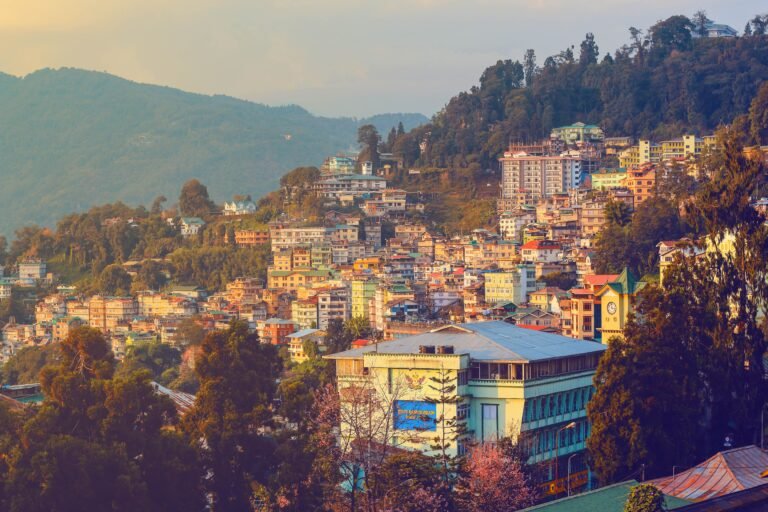
Darjeeling has always been special for its tea estates, old-world charm, and mountain views. In the monsoon, the town becomes quieter and greener, with mist rolling over the slopes and tea gardens looking freshly washed. If you enjoy slow travel, cloudy mornings, and cozy hill-town weather, this season can feel magical.
That said, monsoon also means occasional landslides, delayed sunrise views, and limited visibility at famous viewpoints. The smartest approach is to stay flexible. Plan early-morning outings, keep buffer time for road travel, and focus on the town’s atmosphere rather than only the viewpoints.
Best monsoon travel window: June to September, with the heaviest rain usually in July and August. If you want a slightly easier travel experience, early June and late September often work better than the peak rainy weeks.
Must-Visit Places in Darjeeling
Even if the sky stays cloudy, Darjeeling has plenty to enjoy. Many attractions are best visited with a raincoat, a flexible schedule, and a sense of adventure.
Top Places to Include in Your Plan
- Tiger Hill: Famous for sunrise views, though monsoon visibility can be unpredictable.
- Batasia Loop: A scenic and historic railway loop with sweeping views on clearer days.
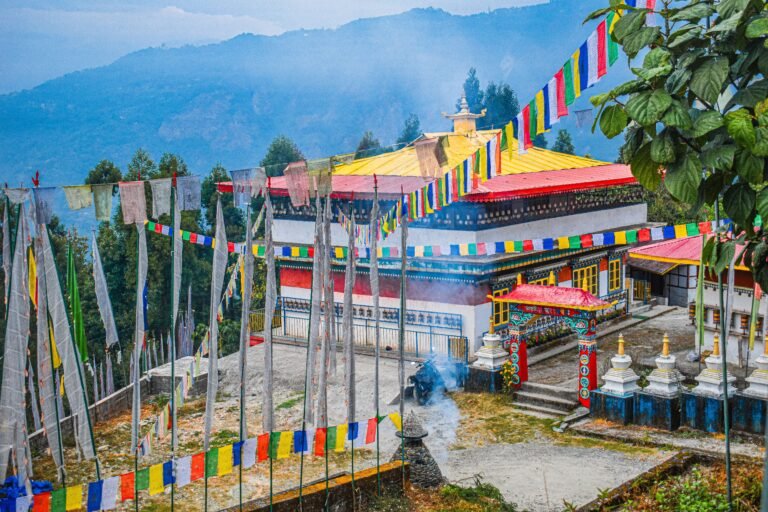
- Ghoom Monastery: A peaceful spiritual stop, ideal for a quiet rainy-day visit.
- Himalayan Mountaineering Institute: Great for travelers interested in mountaineering history.
- Padmaja Naidu Himalayan Zoological Park: A popular stop for families and wildlife lovers.
- Darjeeling Himalayan Railway: The toy train is one of the most iconic experiences in town.
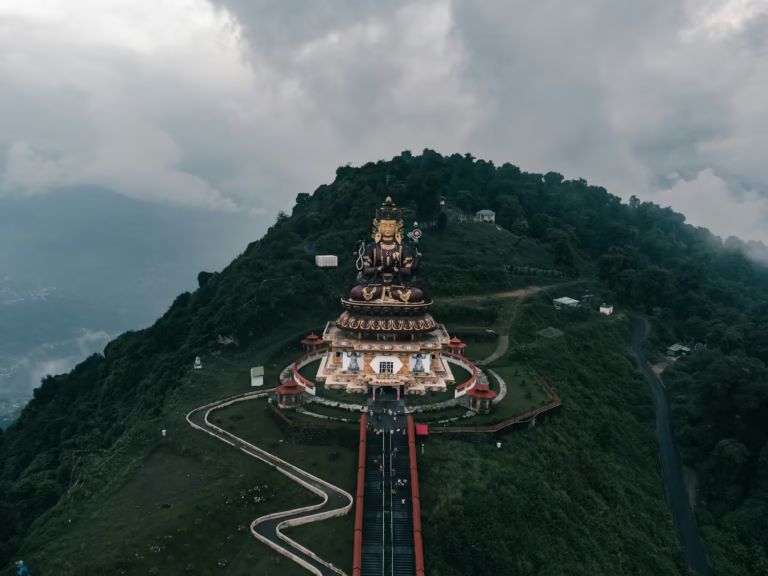
- Peace Pagoda: A calm place to enjoy the mist and reflect.
- Observatory Hill and Mahakal Temple: A mix of local faith, culture, and panoramic hill-town charm.
- Tea gardens and tea estates: Perfect for slow walks when the rain is gentle.
Monsoon Tip for Sightseeing
Carry a foldable umbrella even for short outings. Many viewpoints can become cloudy in minutes, so plan for the experience, not just the photo.
Local Culture, Food, and Shopping
One of the best parts of visiting Darjeeling in the rains is slowing down enough to enjoy its local flavors and everyday life. The town has a warm, welcoming culture shaped by Nepali, Tibetan, and Bengali influences.
What to Eat in Darjeeling
- Momos: Steamed or fried, they are a must after a rainy walk.
- Thukpa: A hot noodle soup that feels perfect in cool, damp weather.
- Churpee: A local cheese snack often enjoyed with tea.
- Darjeeling tea: Fresh, aromatic, and best sipped slowly during a cloudy afternoon.
- Local bakeries: Try fresh buns, cakes, and pastries with tea.
What to Buy
- Darjeeling tea: One of the most popular souvenirs from the region.
- Handmade woollens: Scarves, caps, and warm layers are useful in the hill weather.
- Local handicrafts: Small souvenirs and artisan items from town markets.
- Books and local stationery: Darjeeling’s quiet bookstores and markets are worth browsing.
Cultural Experiences Worth Trying
- Spend time at a tea stall and watch daily life unfold in the rain.
- Visit monasteries respectfully and observe the peaceful rhythm of the hill town.
- Walk through local markets to see how residents adapt to the monsoon season.
Nearby Getaways and Short Excursions
If weather and road conditions are favorable, Darjeeling can be paired with a few nearby escapes. Keep your itinerary flexible because rain can change plans quickly.
- Mirik: Known for its lake and gentle landscape, though roads may be slippery in heavy rain.
- Kurseong: A quieter hill town with tea gardens and a relaxed vibe.
- Kalimpong: Great for travelers who want another Himalayan town with its own identity.
- Lepchajagat: A forested, misty escape that looks especially atmospheric in monsoon.
- Lamahatta: Ideal for nature lovers and slow travelers.
Important: In monsoon, always check road updates before leaving for a day trip. Landslides and reduced visibility can affect travel time.
How to Reach Darjeeling
Reaching Darjeeling in monsoon is manageable, but road conditions may take longer than usual. Build extra time into your plan.
By Air
The nearest airport is Bagdogra Airport. From there, travelers usually take a taxi or shared cab via Siliguri to reach Darjeeling. The road journey can take several hours depending on weather and traffic.
By Train
The nearest major railway station is New Jalpaiguri (NJP). From NJP, you can continue by taxi, shared jeep, or bus. If you are planning a scenic experience, the toy train journey is iconic, but service and timing may be affected by weather.
By Road
Darjeeling is well connected by road from Siliguri and nearby towns. Shared jeeps are common and economical, while private taxis offer more comfort. During monsoon, road travel may be slower, so avoid tight same-day connections.
Accommodation Options and Estimated Costs
Darjeeling offers a wide range of stays, from simple homestays to heritage hotels. In monsoon, many properties may offer better rates, but it is wise to choose a stay with good drainage, backup power, and reliable access.
Where to Stay
- Budget homestays: Cozy, affordable, and often run by local families.
- Mid-range hotels: Good for comfort, warm rooms, and easier access to town.
- Heritage stays: Great if you want old-world charm and colonial-style interiors.
- Tea estate stays: Best for a relaxed, scenic experience, though some may be slightly outside the town center.
Estimated Monsoon Costs
- Budget stay: INR 800 to INR 2,000 per night
- Mid-range hotel: INR 2,500 to INR 6,000 per night
- Heritage or premium stay: INR 7,000 and above per night
- Meals: Around INR 250 to INR 800 per person per day, depending on where you eat
- Local transport: Shared rides are economical; private taxi day trips cost more depending on route and distance
Budget tip: If you travel in monsoon, keep a small buffer for delays, extra local transport, and unplanned hot meals or tea stops.
Travel Tips for Families, Honeymooners, and Friends
A good monsoon trip is not just about what you pack; it is also about how you travel. Darjeeling’s weather can change quickly, so a flexible approach is always better than a packed schedule.
For Families
- Pack extra socks, child-sized rain gear, and a few dry snacks.
- Keep medicines, baby essentials, and ID cards in an easy-to-reach pouch.
- Choose a centrally located stay to reduce walking in the rain.
- Avoid overloading the itinerary; one or two main outings per day is enough.
For Honeymooners
- Choose a room with a good view, but also check for heating and backup power.
- Pack matching rain gear if you plan to do scenic walks or tea estate visits.
- Keep your schedule flexible so that fog or rain does not spoil the mood.
- Carry one dressy outfit, but prioritize comfort and dry footwear.
For Friends or Groups
- Split essentials across bags so one wet bag does not ruin everything.
- Keep cash in small amounts among multiple people for convenience.
- Agree on a backup plan for sightseeing in case a viewpoint is hidden by clouds.
- Carry a shared first-aid kit and a power bank.
General Monsoon Safety Tips
- Check weather and road updates before long drives.
- Walk carefully on slopes, steps, and wet stone paths.
- Do not ignore local advice if a road or viewpoint is temporarily unsafe.
- Keep your phone charged and your accommodation address saved offline.
- If you are visiting forested areas, wear covered shoes and stay on marked paths.
Frequently Asked Questions
Q: What should I pack for Darjeeling in monsoon?
A: Pack a raincoat or poncho, compact umbrella, waterproof shoes, quick-dry clothes, light woollens, extra socks, medicines, a power bank, and waterproof pouches for electronics and documents.
Q: Is monsoon a good time to visit Darjeeling?
A: Yes, if you enjoy mist, greenery, and fewer crowds. However, you should be prepared for rain, slippery roads, and occasional changes in sightseeing plans.
Q: Which shoes are best for Darjeeling in the rainy season?
A: Closed-toe shoes with strong grip and water resistance are best. Avoid smooth soles and footwear that stays wet for too long.
Q: Are there any safety concerns while traveling in Darjeeling during monsoon?
A: The main concerns are slippery roads, reduced visibility, and possible landslides on certain routes. Keep your plans flexible and follow local travel advisories.
Q: How much money should I budget for a 3-day monsoon trip to Darjeeling?
A: A budget trip can start around INR 6,000 to INR 10,000 per person depending on stay, transport, and food, while mid-range trips can go higher. Your final cost will depend on how you travel and where you stay.
Conclusion
Darjeeling in the monsoon is beautiful, quiet, and full of atmosphere, but it rewards travelers who pack wisely. A good Darjeeling packing list for monsoon should focus on rain protection, comfortable footwear, quick-dry clothing, basic medicines, and a flexible travel mindset. Once you are prepared, you can enjoy the hill town’s tea gardens, food, culture, and mist-covered views with far less stress.
Whether you are traveling with family, planning a romantic escape, or heading out with friends, the right packing choices can turn a rainy-season trip into a smooth and memorable Himalayan experience.