Table of Contents
- Does It Snow in Darjeeling?
- Best Time to Visit Darjeeling for Snow and Views
- Must-Visit Places in Darjeeling
- Local Culture, Food, and Shopping
- Nearby Getaways and Himalayan Excursions
- How to Reach Darjeeling
- Accommodation Options and Estimated Costs
- Travel Tips for Families, Honeymooners, and Friends
- FAQs
- Conclusion
Darjeeling is one of India’s most beloved hill stations, known for tea gardens, toy trains, and sweeping Himalayan views. If you are planning a winter trip and wondering does it snow in Darjeeling, the honest answer is that snowfall is possible but rare in the town itself. Winter can still feel magical here, with icy winds, frosty mornings, and the chance of seeing snow in nearby high-altitude areas.
This guide explains how often Darjeeling gets snow, the best time to visit if snow is your priority, where to stay, what to eat, and how to plan a smooth trip.
Does It Snow in Darjeeling?
Yes, but not regularly. Darjeeling town does not receive snowfall every winter, and when it does happen, it is usually light, short-lived, and unpredictable. Most visitors should expect cold weather, fog, frost, and occasional icy conditions rather than deep snow cover.
What to expect in winter
- Cold mornings and evenings, often close to freezing
- Occasional frost on grass, rooftops, and tea gardens
- Clear, crisp days with excellent mountain views
- Rare chances of snow flurries in and around higher pockets
Where snow is more likely
If your main goal is to see snow, nearby higher-altitude destinations in the Darjeeling district are more reliable than the town center. Places such as Sandakphu, Phalut, Tonglu, and some upper Himalayan trails are better suited for snow experiences during winter.
For Darjeeling itself, think of winter as a season of cold beauty rather than guaranteed snowfall.
Best Time to Visit Darjeeling for Snow and Views
The best time depends on what you want from the trip. If you are chasing snow, plan for the coldest winter period. If you want a comfortable sightseeing holiday, choose clearer and milder months.
For the best chance of cold weather and possible snow
- Late December to February is the coldest period
- Snow in town is still rare, but temperatures can drop sharply
- Nearby high-altitude areas have better chances of snowfall
For the clearest mountain views
- March to May offers pleasant weather and clear views
- October to November is excellent for visibility after the monsoon
Seasonal quick guide
- Winter: Best for chilly weather, frosty mornings, and a chance of snow nearby
- Spring: Best for flowers, tea gardens, and comfortable sightseeing
- Monsoon: Lush and green, but landslides and fog can affect travel
- Autumn: Crisp air, stable weather, and great Himalayan panoramas
Must-Visit Places in Darjeeling
Even if snow is not guaranteed, Darjeeling offers plenty to explore. These are the places that make the trip memorable.
1. Tiger Hill
Famous for sunrise views over Mount Kanchenjunga, Tiger Hill is a must for first-time visitors. In winter, the air is often clearer, giving the mountains a dramatic look.
2. Batasia Loop
This scenic railway loop is a favorite stop for toy train lovers and photographers. The landscaped gardens and mountain backdrop make it one of the most picturesque spots in town.
3. Darjeeling Himalayan Railway
The toy train is a UNESCO-listed attraction and one of the best ways to experience the old-world charm of the hills.
4. Himalayan Mountaineering Institute and Padmaja Naidu Himalayan Zoological Park
These attractions are ideal for families and anyone interested in mountain life, conservation, and the region’s Himalayan heritage.
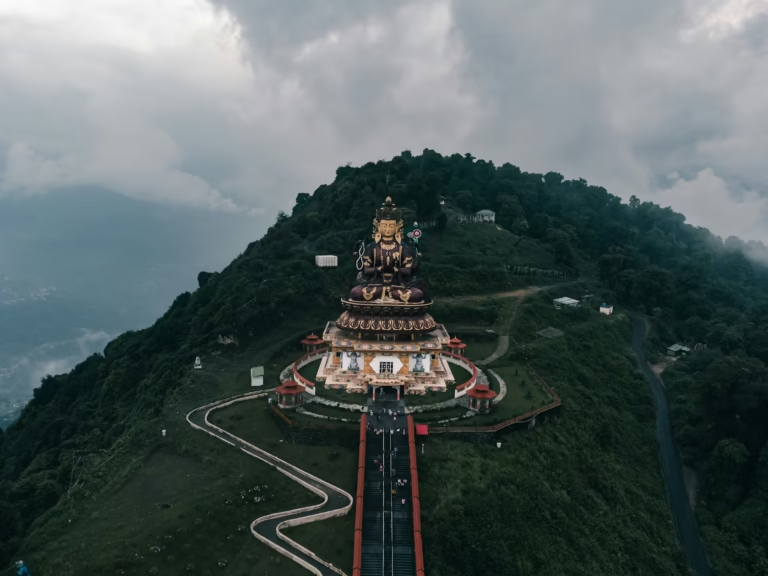
5. Peace Pagoda
A calm and scenic place with wide views, perfect for a short break from the busy town center.
6. Tea estates and viewpoints
Walk through tea gardens, enjoy fresh brews, and soak in the quiet landscape that Darjeeling is famous for.
Local Culture, Food, and Shopping
Darjeeling’s charm goes beyond sightseeing. Its culture is shaped by Nepali, Tibetan, Lepcha, Bhutia, and Bengali influences, creating a warm and layered mountain identity.
Local culture
- Friendly hill-town hospitality
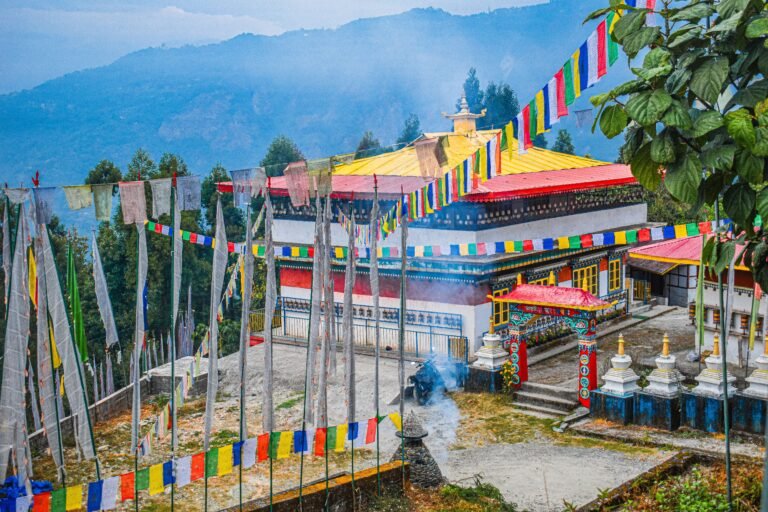
- Monasteries, prayer flags, and Buddhist influence
- Tea culture that is deeply tied to daily life and local economy
- Simple, scenic living with a strong connection to the mountains
What to eat
- Momos: Steamed or fried, often served with spicy chutney
- Thukpa: A comforting noodle soup, ideal in cold weather
- Sel roti: A traditional ring-shaped rice bread
- Darjeeling tea: Fresh, aromatic, and a must-try
- Churpee and local snacks: Popular in the hills
Shopping in Darjeeling
- Tea packets from local estates
- Woolens, shawls, and winter accessories
- Handmade crafts and souvenirs
- Tibetan-style jewelry and local art pieces
Nearby Getaways and Himalayan Excursions
If you are visiting Darjeeling in winter and hoping for a more snow-like landscape, nearby high-altitude trips can be a smart addition to your plan.
1. Sandakphu
The highest point in West Bengal and a favorite among trekkers. Winter can bring snow, sharp cold, and outstanding mountain views.
2. Phalut
A remote, scenic Himalayan destination ideal for travelers who want solitude and dramatic landscapes.
3. Tonglu and Tumling
Great for short treks and mountain stays, especially when the weather turns cold and crisp.
4. Mirik
A gentler getaway with a lake, pine forests, and a relaxed pace. It is not a snow destination, but it works well for a scenic side trip.
5. Kalimpong
Known for monasteries, viewpoints, and a calmer atmosphere, Kalimpong is a strong addition to a Darjeeling itinerary.
How to Reach Darjeeling
Darjeeling is well connected through air, rail, and road, though the final stretch involves hill driving.
By air
The nearest airport is Bagdogra Airport, around 70-80 km away. From there, you can take a taxi or shared vehicle to Darjeeling.
By rail
The nearest major railway station is New Jalpaiguri (NJP). From NJP, Darjeeling is usually reached by road. The toy train from New Jalpaiguri or Siliguri is a scenic option, though slower.
By road
Darjeeling is commonly reached from Siliguri, NJP, or Bagdogra by taxi, shared jeep, or private car. The hill road is winding, so travel time can be longer than the distance suggests.
Travel note
During winter, carry extra time in your schedule. Fog, mist, and occasional road delays can affect hill travel.
Accommodation Options and Estimated Costs
Darjeeling has stays for every travel style, from simple guesthouses to comfortable heritage hotels.
Where to stay
- Near the Mall Road area: Convenient for first-time visitors
- Tea estate stays: Great for scenic views and a quieter atmosphere
- Family hotels: Practical and centrally located
- Boutique and heritage stays: Best for couples and slow travel
Estimated daily costs
- Budget traveler: ₹1,500–₹3,000 per person per day
- Mid-range traveler: ₹4,000–₹7,000 per person per day
- Comfort/luxury stay: ₹8,000+ per person per day
Typical trip expenses
- Shared local transport: Budget-friendly
- Private taxi for sightseeing: Higher cost, more flexible
- Meals: Affordable at local cafés and moderate at tourist restaurants
- Winter clothing purchase: Useful if you are not fully packed
Travel Tips for Families, Honeymooners, and Friends
Darjeeling is suitable for many types of travelers, but winter trips need a bit of planning.
For families
- Choose centrally located hotels to reduce uphill walks
- Carry warm layers for children and older travelers
- Plan shorter sightseeing days with enough rest time
- Keep medicines, snacks, and water handy
For honeymooners
- Book rooms with mountain views if possible
- Choose quieter areas or heritage stays for a more intimate feel
- Winter evenings are perfect for tea, slow walks, and scenic drives
- If snow is important, consider adding a nearby high-altitude stop
For friends and small groups
- Shared taxis can help keep costs manageable
- Book activities early during peak winter holidays
- Carry good footwear for slippery paths
- Plan one flexible day in case weather changes
Packing and safety tips
- Pack thermals, gloves, woolens, and a windproof jacket
- Wear shoes with good grip for wet or icy surfaces
- Keep cash as smaller shops may not always accept digital payment
- Check weather and road conditions before heading out early in the morning
- Stay hydrated even in cold weather
FAQs
Q: Does it snow in Darjeeling every year?
A: No. Snowfall in Darjeeling town is rare and does not happen every year. Winter is cold, but most visitors see frost, fog, and chilly conditions instead of regular snow.
Q: What is the best month to see snow near Darjeeling?
A: January and February are the coldest months and offer the best chance of winter snow in higher-altitude areas around the Darjeeling region.
Q: Can I see snow in Darjeeling town itself?
A: It is possible, but uncommon. If snow is your top priority, higher Himalayan spots nearby are a better choice than the town center.
Q: Is Darjeeling good for a winter trip?
A: Yes. Even without snowfall, Darjeeling is beautiful in winter thanks to clear views, cold weather, tea gardens, and a cozy mountain atmosphere.
Q: What should I pack for Darjeeling in winter?
A: Pack thermals, woolens, gloves, a heavy jacket, comfortable shoes with grip, moisturizer, lip balm, and a small umbrella or rain shell if you are traveling during changing weather.
Conclusion
Darjeeling is not a guaranteed snow destination, but that is part of its charm. The hill station offers cold winter air, stunning Himalayan views, tea gardens, toy train heritage, and a peaceful mountain rhythm. If you are hoping for snow, plan carefully for the coldest months and consider nearby higher-altitude excursions. Whether you visit for views, food, culture, or a quiet winter escape, Darjeeling remains one of the most memorable places in the eastern Himalayas.