Table of Contents
- Darjeeling Snowfall: What to Expect
- Best Time to Visit Darjeeling for Snowfall
- Must-Visit Places in Darjeeling
- Local Culture, Food, and Shopping
- Nearby Getaways from Darjeeling
- How to Reach Darjeeling
- Accommodation Options and Estimated Costs
- Tips for Families, Honeymooners, and Friends
- FAQs
- Conclusion
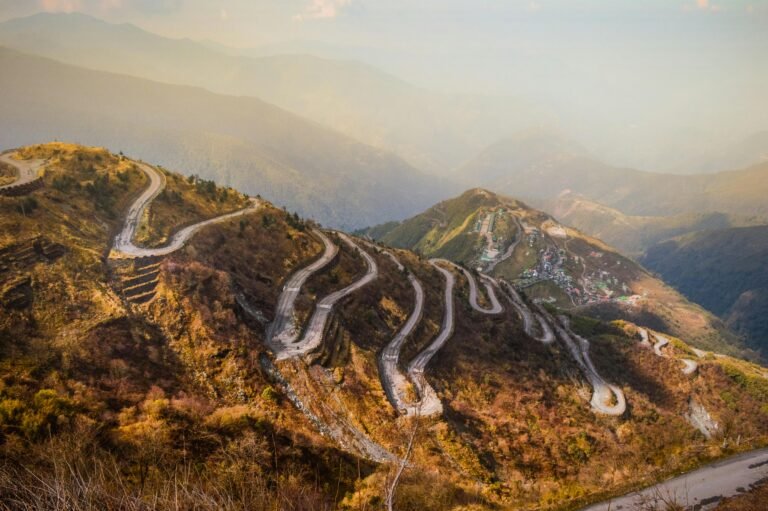
Darjeeling in winter feels like a postcard come to life. When the air turns crisp and the tea slopes disappear under a misty white cover, the hill town takes on a quiet, magical mood. Snowfall in Darjeeling is not guaranteed every year, but when it happens, it transforms the experience completely: sleepy lanes, pine-scented mornings, warm cups of tea, and sweeping views of the Himalayas all become part of the journey.
If you are planning a winter trip, this Darjeeling snowfall guide will help you understand when to go, what to expect, where to stay, and how to make the most of your visit in a safe and comfortable way.
Darjeeling Snowfall: What to Expect
Darjeeling town itself usually does not receive heavy, regular snowfall every winter, but colder spells can bring light snow or sleet in and around higher-altitude areas nearby. More often, travellers enjoy frosty mornings, chilly winds, and occasional snow-covered views on the upper reaches around Darjeeling district and neighboring high points.
- Temperature: Winter temperatures can dip sharply, especially at night and early morning.
- Snow chances: Higher chances around January and February, depending on weather conditions.
- Experience: Even without fresh snowfall, winter in Darjeeling offers stunning Himalayan scenery and a cozy mountain atmosphere.
- Reality check: Snowfall is weather-dependent, so plan for a beautiful winter trip rather than a guaranteed snow event.
Best Time to Visit Darjeeling for Snowfall
For travellers hoping to catch snowfall or at least a strong winter feel, late December to February is the most suitable period. January is usually the coldest month, and nearby elevated points have the best chance of experiencing snow or icy conditions.
Month-by-month winter feel
- Late December: Cold, festive, and atmospheric; possible frost and occasional snow in higher areas.
- January: Peak winter with the best likelihood of snowfall in the region.
- February: Still cold, with chances of snow at higher elevations and clear mountain views.
- March: Winter begins to soften, but crisp mornings may continue.
Quick travel advice
If your priority is snow, keep your dates flexible. Weather in the hills changes quickly, and a clear sky one day can turn into fog or a cold drizzle the next.
Must-Visit Places in Darjeeling
Darjeeling has a mix of iconic viewpoints, heritage attractions, and leisurely mountain streets. In winter, these places feel even more charming, especially when wrapped in mist.
1. Tiger Hill
Known for its sunrise views over Kanchenjunga, Tiger Hill is one of the most famous spots in the region. On a clear winter morning, the mountain range glows beautifully, and the cold adds to the drama of the landscape.
2. Batasia Loop
This scenic railway loop offers panoramic views and a pleasant stop for photography. In winter, the open views can be especially striking.
3. Darjeeling Himalayan Railway
The toy train is one of Darjeeling’s most memorable experiences. Riding through curves, hills, and tea gardens is a nostalgic way to enjoy the town.
4. Himalayan Mountaineering Institute and Zoo
These are good stops for families and first-time visitors. The zoo is known for high-altitude species, while the institute gives insight into mountain exploration.
5. Observatory Hill and Mahakal Temple
This viewpoint and temple area combines spirituality with mountain scenery. It is a peaceful place to visit in the cool morning air.
6. Mall Road and Chowrasta
For a relaxed stroll, head to the heart of Darjeeling. This is where you can enjoy cafes, local shopping, and the everyday rhythm of the hill town.
7. Tea Gardens
Darjeeling tea estates are world-famous. A winter walk through the tea slopes offers a quieter, more reflective side of the region.
Local Culture, Food, and Shopping
Darjeeling’s charm is not just in the views; it is in the way people live, eat, and welcome guests. The region reflects a blend of Nepali, Tibetan, Lepcha, Bhutia, and Bengali influences, which gives the town its distinct identity.
Local culture
- Warm hospitality: Locals are generally friendly and practical, especially when helping travellers navigate cold-weather conditions.
- Tea culture: Tea is part of daily life and an important part of the local economy.
- Mountain traditions: Festivals, monasteries, and community life shape the cultural experience.
Must-try food
- Momos: Steamed dumplings served with spicy chutney.
- Thukpa: A comforting noodle soup, perfect for cold weather.
- Churpi: Traditional hard cheese, often bought as a local snack.
- Sel roti: A ring-shaped rice bread popular in the region.
- Darjeeling tea: Fresh, aromatic, and best enjoyed hot on a winter morning.
Shopping ideas
- Tea leaves and gift packs
- Woollens, mufflers, gloves, and caps
- Handmade souvenirs and local handicrafts
- Small religious and decorative items from local markets
In winter, shopping for warm clothing is practical as well as memorable. You will find plenty of locally useful items if the weather turns colder than expected.
Nearby Getaways from Darjeeling
If you have a little extra time, nearby hill destinations can add variety to your itinerary. These places are ideal for travellers who want a slower pace, tea garden walks, or wider valley views.
1. Kurseong
A quieter hill town known for tea gardens, viewpoints, and a relaxed atmosphere. It is a good stop for travellers who want less crowding.
2. Mirik
Famous for the Sumendu Lake and scenic surroundings, Mirik offers a gentler landscape and peaceful day-trip possibilities.
3. Kalimpong
Kalimpong is known for monasteries, nurseries, and broad valley views. It makes for a rewarding extension of a Darjeeling trip.
4. Lamahatta
A calm forested area with landscaped viewpoints and a peaceful winter mood. It suits short scenic detours.
5. Ghoom
Close to Darjeeling, Ghoom is known for its monastery and toy train connections. It works well for a half-day outing.
How to Reach Darjeeling
Darjeeling is accessible through a combination of air, rail, and road travel. Because it is a hill station, the final stretch usually involves a winding drive from the plains.
By air
The nearest major airport is Bagdogra Airport. From there, travellers typically hire a taxi or take shared transport toward Darjeeling.
By train
The closest rail access is through New Jalpaiguri (NJP), a major railhead connected to many Indian cities. From NJP, road transport is the most common way to reach Darjeeling.
By road
Darjeeling is connected by mountain roads from Siliguri and nearby towns. Shared jeeps, private taxis, and booked transfers are widely used.
Important winter travel note
Road travel in winter can be affected by fog, landslides, or occasional traffic delays. It is best to start early in the day and keep buffer time in your schedule.
Accommodation Options and Estimated Costs
Darjeeling offers a wide range of stays, from budget guesthouses to premium boutique hotels. Winter rates may rise during peak holiday dates, so booking in advance is helpful.
Accommodation options
- Budget stays: Guesthouses, homestays, and simple lodges.
- Mid-range hotels: Comfortable rooms with basic amenities and good location access.
- Premium stays: Heritage hotels and boutique properties with mountain views.
Estimated cost range
- Budget: INR 1,200 to INR 2,500 per night
- Mid-range: INR 3,000 to INR 6,000 per night
- Premium: INR 7,000 and above per night
Approximate daily trip budget
- Budget traveller: INR 1,800 to INR 3,500 per day
- Comfort traveller: INR 4,000 to INR 8,000 per day
- Luxury traveller: INR 9,000 and above per day
These estimates may vary depending on season, transport choice, hotel category, and dining habits.
Tips for Families, Honeymooners, and Friends
Winter travel in Darjeeling can be wonderful, but preparation matters. The cold can feel stronger than expected, especially in the early morning and after sunset.
For families
- Choose centrally located stays to reduce travel time.
- Carry warm layers for children and elders.
- Plan slower sightseeing days with enough rest.
- Keep medicines, hot water, and snacks handy.
For honeymooners
- Book rooms with mountain views if possible.
- Plan a sunrise or tea garden experience for quiet moments together.
- Pack thermals, gloves, and comfortable footwear for cold walks.
- Keep one flexible day for weather changes.
For friends and small groups
- Plan transport in advance to avoid last-minute delays.
- Split sightseeing into relaxed half-day plans.
- Carry a power bank, flashlight, and rainproof jacket.
- Respect local roads, especially in foggy or icy conditions.
Packing checklist for snowfall season
- Thermals and layered woollens
- Windproof jacket
- Gloves, cap, and scarf
- Waterproof shoes with good grip
- Socks in extra pairs
- Lip balm and moisturizer
- Basic medicines and motion sickness tablets if needed
Safety and comfort tips
- Check weather and road conditions before moving between locations.
- Start early for sunrise and high-altitude drives.
- Avoid thin footwear on wet, icy, or uneven paths.
- Drink warm fluids and stay hydrated even in cold weather.
FAQs
Q: When is the best time to see snowfall in Darjeeling?
A: The best chance is usually from late December to February, especially in January and in higher surrounding areas. Snowfall is weather-dependent, so it cannot be guaranteed.
Q: Does Darjeeling town get heavy snowfall every year?
A: No, Darjeeling town does not receive heavy snowfall every year. Travellers are more likely to experience cold, misty winter weather, while nearby higher-altitude areas have better chances of snow.
Q: What should I pack for a winter trip to Darjeeling?
A: Pack thermals, woollens, a heavy jacket, gloves, a cap, a scarf, waterproof shoes, and basic cold-weather essentials like lip balm and moisturizer.
Q: Is Darjeeling suitable for families in winter?
A: Yes, Darjeeling is suitable for families if you plan for cold weather, book a comfortable stay, and avoid overloading the itinerary. Short sightseeing days work best.
Q: What are the best local foods to try during a winter visit?
A: Momos, thukpa, sel roti, churpi, and hot Darjeeling tea are excellent winter choices because they are both local and comforting.
Conclusion
Darjeeling in snowfall season is best enjoyed as a winter hill experience: crisp air, tea gardens, mountain views, and cozy food rather than a guaranteed snow destination. The town’s charm lies in its mix of scenic spots, local culture, and calm mountain rhythm. With the right timing, warm clothing, and flexible plans, a winter trip to Darjeeling can be memorable, comfortable, and deeply rewarding.