Table of Contents
- Introduction
- Best Season for Darjeeling and Sikkim Tour
- Top Cities and Places to Visit
- Popular Tourist Circuits
- Best Activities and Experiences
- Festivals and Cultural Highlights
- How to Reach Darjeeling and Sikkim
- Accommodation Options and Estimated Costs
- Local Food, Shopping, and Culture
- Suggested Itineraries
- Budget Tips
- Travel Tips for Families, Honeymooners, and Friends
- FAQs
- Conclusion
Darjeeling and Sikkim together make one of the most rewarding mountain journeys in India. The route blends tea gardens, toy trains, monasteries, high-altitude lakes, snow views, and warm Himalayan hospitality. But timing matters here more than almost anywhere else in the hills. The best season for Darjeeling and Sikkim tour depends on what you want most: crystal-clear mountain views, flowers, snow, festivals, or a quieter budget-friendly trip.
If you are planning a first-time Himalayan holiday, the sweet spot is usually March to May and October to November. These months offer the best weather, smoother roads, and excellent visibility across the mountains.
Best Season for Darjeeling and Sikkim Tour
March to May: Spring and Early Summer
This is one of the most popular windows for a Darjeeling and Sikkim tour. The weather is pleasant, the skies are mostly clear, and flowers begin to bloom across the hills.
- Darjeeling: Ideal for Tiger Hill sunrise, tea estate walks, and the toy train experience.
- Sikkim: Great for Gangtok, Pelling, Namchi, and the lower-altitude parts of West and East Sikkim.
- Best for: Families, honeymooners, and photography lovers.
Why go now? You get comfortable daytime temperatures, fresh greenery, and strong mountain visibility before the monsoon clouds arrive.
June to September: Monsoon Season
The monsoon makes the region lush and dramatic, but it is not the safest or most reliable time for a combined tour. Roads can be affected by landslides, fog, and occasional delays.
- Advantages: Lower hotel rates, fewer crowds, and rich green landscapes.
- Challenges: Unpredictable travel, slippery roads, and reduced mountain views.
- Best for: Flexible travelers who prioritize budget over fixed sightseeing plans.
If you travel during this period, keep buffer days and avoid tightly packed road journeys.
October to November: Peak Best Season
This is widely considered the best overall season for Darjeeling and Sikkim. The monsoon has cleared, the air is crisp, and the mountain views are at their sharpest.
- Clear views: Excellent visibility of Kanchenjunga and surrounding peaks.
- Comfort: Cool, dry weather with pleasant days and chilly nights.
- Festive energy: Major festivals and vibrant local culture.
Best for: First-time visitors, photographers, couples, and anyone who wants the safest all-round travel experience.
December to February: Winter Season
Winter brings cold mornings, frosty air, and the possibility of snow in higher-altitude parts of Sikkim. Darjeeling can feel chilly and misty, especially early in the day.
- Darjeeling: Scenic and peaceful, though sunrise views may be affected by fog.
- North Sikkim: Better chance of snow, but road conditions can change quickly.
- Best for: Travelers who enjoy cold weather, snow landscapes, and quieter stays.
Winter is beautiful, but it needs more careful planning, especially if you are going to high-altitude areas.
Best Season by Travel Style
- For mountain views: October to November
- For flowers and pleasant weather: March to May
- For snow chances: December to February, especially North Sikkim
- For budget travel: Monsoon months, if you can handle weather risks
- For honeymoon trips: March to May and October to November
Top Cities and Places to Visit
Darjeeling
Darjeeling is the classic hill station stop in the circuit. Tea gardens, colonial-era charm, and sunrise points define the experience.
- Tiger Hill: Famous for Kanchenjunga sunrise.
- Darjeeling Himalayan Railway: The beloved toy train route.
- Peace Pagoda: A peaceful stop with wide views.
- Tea estates: Perfect for tastings and scenic walks.
Gangtok
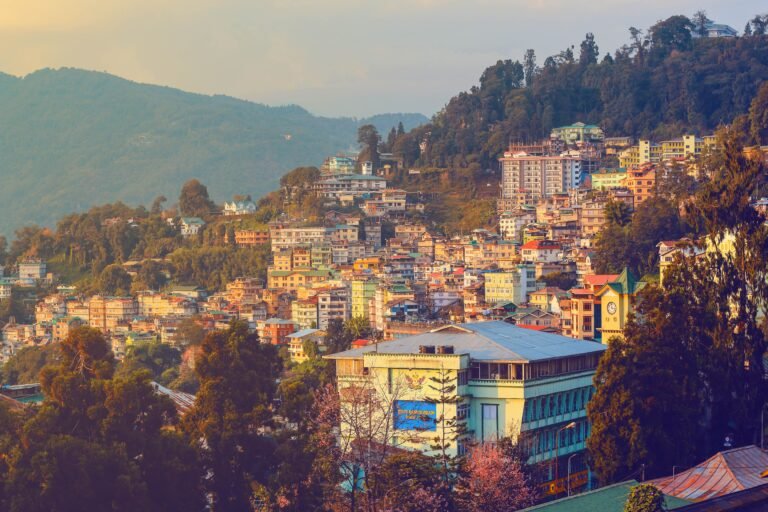
Gangtok is the gateway to Sikkim and a smart base for both sightseeing and road tours. It combines mountain views with cafés, monasteries, and an easygoing city feel.
- MG Marg: Clean, walkable, and lively.
- Rumtek Monastery: One of Sikkim’s most important monasteries.
- Tashi View Point: Popular for sunrise and Kanchenjunga views.
- Namgyal Institute of Tibetology: Great for culture and history.
Pelling
Pelling is known for close-up Himalayan views and a calmer pace than Gangtok or Darjeeling.
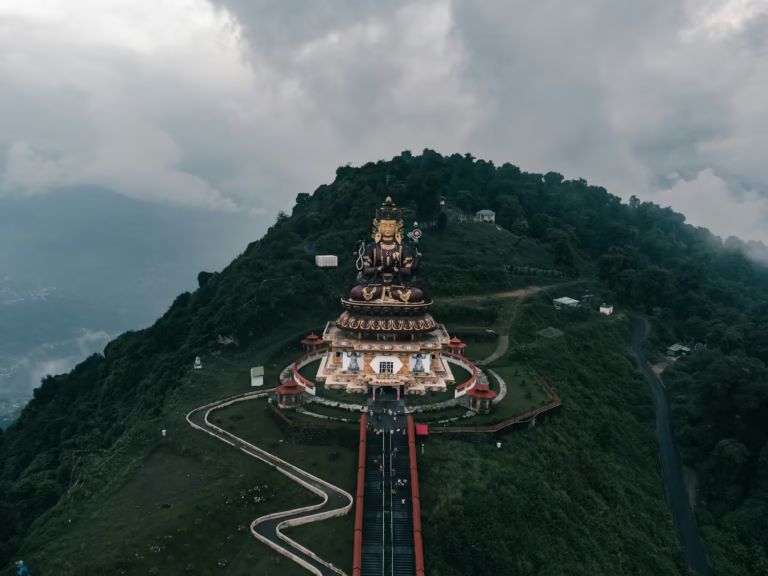
- Sky Walk and Chenrezig statue: Scenic and spiritual.
- Rabdentse ruins: Good for history and panoramas.
- Khecheopalri Lake: A quiet, sacred lake.
Lachung and Yumthang Valley
Lachung is the route to North Sikkim’s dramatic landscapes. Yumthang Valley is especially famous in spring for rhododendron blooms and in winter for snow.
Lachen, Gurudongmar Lake, and Thangu
These are high-altitude destinations for travelers seeking raw mountain scenery. Gurudongmar Lake is one of the most memorable sights in Sikkim, but it requires careful acclimatization and early travel starts.
Kalimpong
Kalimpong offers a quieter alternative with monasteries, flower nurseries, and a relaxed hill-town atmosphere. It pairs well with Darjeeling.
Namchi, Ravangla, and Yuksom
These places are ideal for offbeat travelers. Namchi is known for religious landmarks, Ravangla for mountain views and peace, and Yuksom for heritage and trail beginnings.
Popular Tourist Circuits
Classic Darjeeling-Gangtok Circuit
- Duration: 5 to 7 days
- Route: Bagdogra/NJP → Darjeeling → Gangtok → optional Tsomgo Lake or Pelling
- Best season: March to May and October to November
This is the most balanced introduction to the region, combining iconic views, easy travel, and good accommodation choices.
North Sikkim Snow and Valley Circuit
- Duration: 3 to 5 days
- Route: Gangtok → Lachung → Yumthang → Lachen → Gurudongmar
- Best season: March to June and October to early December, depending on road conditions
This circuit is for travelers who want dramatic mountain landscapes, but it needs flexible planning because weather can affect access.
West Sikkim Heritage Circuit
- Duration: 3 to 4 days
- Route: Gangtok or Siliguri → Pelling → Yuksom → Ravangla
- Best season: Spring and autumn
It is ideal for slower travel, monasteries, heritage ruins, and peaceful stays.
Tea, Toy Train, and Heritage Circuit
- Duration: 2 to 4 days
- Route: Darjeeling → Kurseong → Kalimpong
- Best season: March to May and October to November
This route works well for travelers who want scenic rail journeys, tea culture, and an easy pace.
Best Activities and Experiences
- Watch sunrise at Tiger Hill: One of the most iconic moments in the eastern Himalayas.
- Ride the Darjeeling toy train: Slow, scenic, and perfect for heritage lovers.
- Walk through tea gardens: Learn how Darjeeling tea is grown and processed.
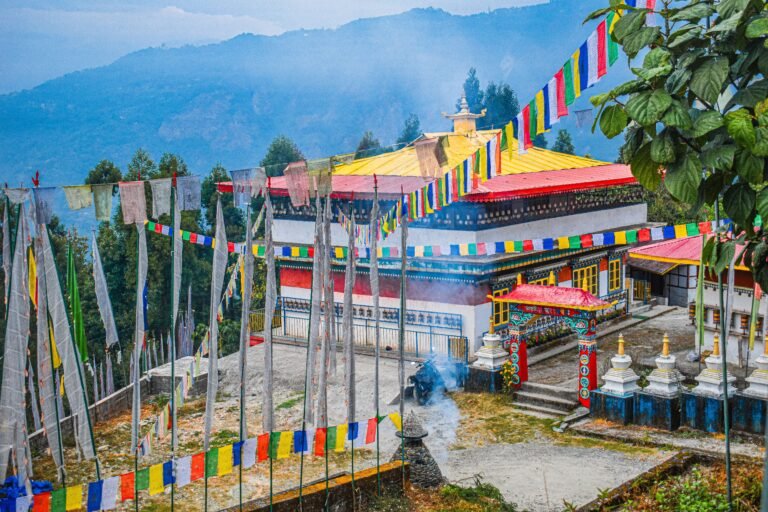
- Visit monasteries: A meaningful way to experience Sikkim’s Buddhist culture.
- Try ropeways and viewpoints: Great for easy sightseeing with mountain panoramas.
- Explore local markets: Ideal for handicrafts, tea, woollens, and souvenirs.
- Take nature walks: Best in spring and autumn when trails are dry and clear.
Festivals and Cultural Highlights
Darjeeling and Sikkim are culturally rich, with traditions shaped by Tibetan, Nepali, Lepcha, Bhutia, and Bengali influences. Festivals are one of the best reasons to travel in spring or autumn.
- Losar: Tibetan New Year, celebrated with prayer, dancing, and family gatherings.
- Saga Dawa: A sacred Buddhist festival observed in monasteries across Sikkim.
- Pang Lhabsol: Celebrates Mount Kanchenjunga as a guardian deity.
- Dasain and Tihar: Widely celebrated in Darjeeling and Sikkim with lights, music, and family feasts.
- Bumchu: A famous monastic ritual in Sikkim, especially at Tashiding.
If you enjoy cultural travel, October and November are especially rewarding because the festival atmosphere adds depth to the mountain experience.
How to Reach Darjeeling and Sikkim
By Air
The nearest airport is Bagdogra Airport in West Bengal. From there, Darjeeling and Gangtok are reachable by road.
- To Darjeeling: Around 3.5 to 4.5 hours by road, depending on traffic and weather
- To Gangtok: Around 4 to 5 hours by road
By Train
The nearest major railhead is New Jalpaiguri (NJP). It connects well with India’s major cities and is a common starting point for hill travel.
By Road
Shared vehicles, private cabs, and tour cars are common from Siliguri, NJP, and Bagdogra. Road travel is the most practical way to move between Darjeeling, Kalimpong, Gangtok, Pelling, and other hill towns.
Permits
Some areas in Sikkim, especially in North Sikkim and near border regions, may require permits. These are generally arranged through registered operators or hotel partners.
Accommodation Options and Estimated Costs
Accommodation in Darjeeling and Sikkim ranges from simple homestays to boutique hill hotels and luxury resorts. Prices rise during peak travel periods, especially in spring and autumn.
Where to Stay
- Darjeeling: Good for heritage hotels, tea-view stays, and centrally located guesthouses.
- Gangtok: Best for comfort, dining, and easy access to sightseeing.
- Pelling: Great for scenic view rooms and quieter stays.
- Lachung/Lachen: Usually basic hotels and homestays due to altitude and location.
Estimated Costs
- Budget stay: INR 1,500 to 3,000 per night
- Mid-range stay: INR 3,500 to 7,000 per night
- Luxury stay: INR 8,000 and above per night
- Meals: INR 300 to 800 per person per day, depending on dining style
- Local transfers: Varies by route, altitude, and season
In peak months like April-May and October-November, rooms with mountain views sell out early and often cost more.
Local Food, Shopping, and Culture
What to Eat
- Momos: Steamed dumplings that are a regional favorite.
- Thukpa: A warming noodle soup, especially comforting in cold weather.
- Gundruk: Fermented leafy greens, common in Himalayan home cooking.
- Phagshapa: A traditional pork dish in some local homes and eateries.
- Churpi: Himalayan cheese, available in both soft and hard forms.
- Darjeeling tea: The signature drink and a must-buy souvenir.
What to Shop For
- Tea from Darjeeling estates
- Woollens and hand-knit items
- Prayer flags and Buddhist handicrafts
- Organic spices and local preserves
- Handmade souvenirs from MG Marg and hill markets
Cultural Feel
The region feels warm and layered, with monasteries, family-run eateries, tea estates, and small bazaars shaping daily life. Respectful dress in monasteries, quiet behavior, and patience on mountain roads go a long way in making the journey smoother.
Suggested Itineraries
5-Day Classic Itinerary
- Day 1: Arrive at Bagdogra/NJP, transfer to Darjeeling
- Day 2: Tiger Hill sunrise, tea garden, local sightseeing
- Day 3: Transfer to Gangtok
- Day 4: Gangtok sightseeing, monastery visit, MG Marg evening walk
- Day 5: Departure from Gangtok or return via NJP/Bagdogra
7-Day Balanced Itinerary
- Day 1-2: Darjeeling
- Day 3-4: Gangtok
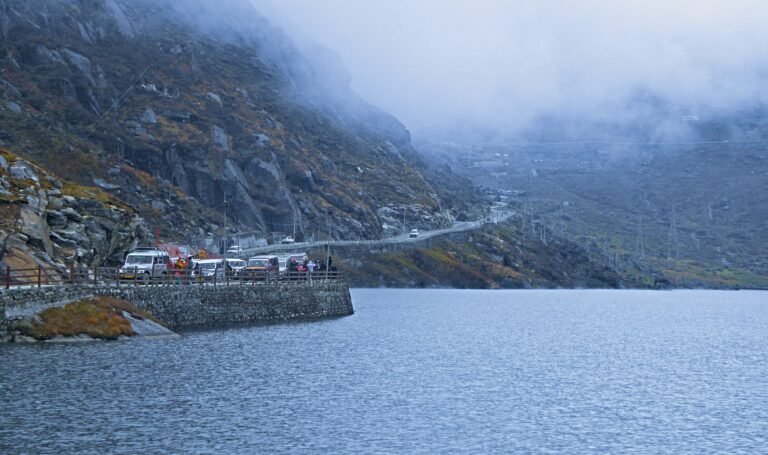
- Day 5: Tsomgo Lake and Baba Mandir, if weather and permits allow
- Day 6: Pelling or Ravangla
- Day 7: Departure
This is a strong option if you want both classic highlights and a little depth.
9-Day Extended Itinerary
- Day 1-2: Darjeeling
- Day 3-4: Gangtok
- Day 5-6: North Sikkim, if road and weather conditions are favorable
- Day 7: Pelling
- Day 8: Yuksom or Ravangla
- Day 9: Return
This itinerary suits travelers who want a fuller Himalayan experience with less rushing.
Budget Tips
- Travel in shoulder season: Late March, early June, or late September can offer better pricing than peak holidays.
- Book early for autumn and spring: Hotel prices rise quickly during the best-weather months.
- Choose one base carefully: Staying longer in Gangtok or Darjeeling can reduce transfers.
- Use shared vehicles where possible: This helps cut transport costs on standard routes.
- Expect extra costs in North Sikkim: High-altitude routes, permits, and weather-related changes can increase the budget.
Typical budget per person for a 5 to 7 day trip: INR 12,000 to 25,000 for a modest plan, INR 25,000 to 50,000 for a comfortable mid-range trip, and above that for premium stays and private transfers.
Travel Tips for Families, Honeymooners, and Friends
For Families
- Choose March to May or October to November for easier weather.
- Keep sightseeing relaxed, especially if traveling with children or older travelers.
- Carry medicines, warm layers, snacks, and water.
- Avoid rushing into high-altitude areas on the first day.
For Honeymooners
- Pick spring or autumn for the best views and romantic weather.
- Book view rooms in Darjeeling, Gangtok, or Pelling.
- Include a slow-paced day for tea gardens, cafés, and sunset points.
- Winter can be magical, but it is best for couples who enjoy cold weather.
For Friends
- Plan around road conditions and shared transport availability.
- Mix sightseeing with café time, monasteries, and a few adventure stops.
- Monsoon travel is possible only if your group is flexible and weather-aware.
- Carry cash for smaller hill towns where digital payments may be inconsistent.
General Safety and Packing Tips
- Pack layered clothing, gloves, a windproof jacket, and comfortable shoes.
- Keep sunscreen and lip balm handy, even in cold weather.
- Check road updates before heading to North Sikkim or higher-altitude points.
- Allow buffer time for landslides, fog, or slow mountain traffic.
- Respect local customs inside monasteries and sacred lakes.
FAQs
Q: What is the best season for Darjeeling and Sikkim tour?
A: The best season is usually October to November for the clearest mountain views, followed by March to May for pleasant weather and blooming landscapes.
Q: Is monsoon a good time to visit Darjeeling and Sikkim?
A: Monsoon is not ideal for a fixed sightseeing trip because of landslides, fog, and travel delays. It can work for flexible travelers who want greener scenery and lower hotel prices.
Q: How many days are enough for a Darjeeling and Sikkim trip?
A: A 5 to 7 day trip covers the most popular highlights well. If you want North Sikkim or a slower pace, 8 to 9 days is better.
Q: Do I need permits for Sikkim?
A: Some areas, especially in North Sikkim and border zones, require permits. These are usually arranged through registered travel operators or hotels.
Q: Which is better for a honeymoon, Darjeeling or Sikkim?
A: Both are excellent. Darjeeling is great for classic hill-station charm, while Gangtok and Pelling in Sikkim offer quieter, scenic, and more romantic stays. Many couples combine both in one trip.
Conclusion
Darjeeling and Sikkim are at their best when the weather is clear, the roads are manageable, and the mountains open up in full view. For most travelers, March to May and October to November are the most rewarding seasons, with spring offering flowers and autumn delivering the sharpest Himalayan panoramas. Whether you prefer tea gardens, monasteries, snow views, local food, or cultural festivals, a well-planned trip across this region offers a memorable blend of beauty and calm. This guide includes the full table of contents, seasonal breakdown, top places, circuits, travel logistics, itineraries, budget notes, and FAQs in WordPress-ready HTML.