Darjeeling Local Transport Guide for Tourists
Table of Contents
- Introduction
- How to Reach Darjeeling & Get Around
- Must-Visit Places in Darjeeling
- Local Culture, Food & Shopping
- Nearby Getaways from Darjeeling
- Where to Stay: Accommodation Options
- Travel Tips for Families, Honeymooners & Friends
- FAQs
- Conclusion
Introduction
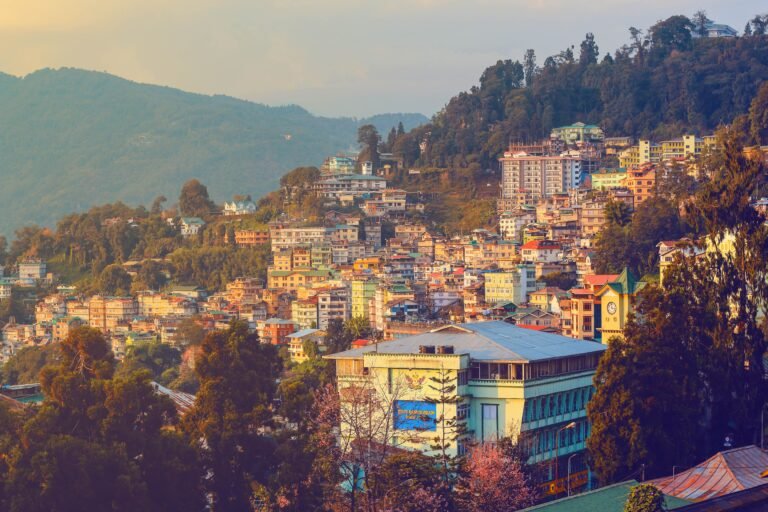
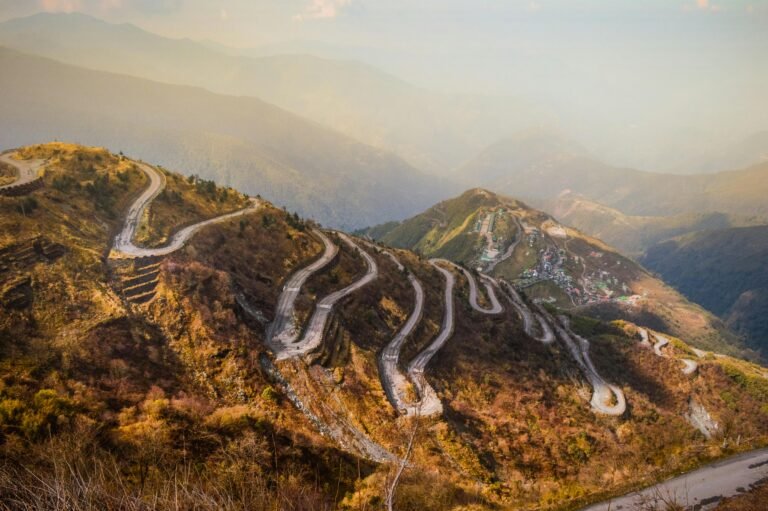
Darjeeling is the kind of hill town where the journey is as memorable as the destination. Narrow roads curve through tea gardens, shared jeeps climb steep slopes, and every turn seems to open to a new Himalayan view. For tourists, understanding the local transport system is the key to enjoying Darjeeling smoothly, saving time, and avoiding unnecessary stress.
This guide covers how to reach Darjeeling, how to move around town, realistic travel costs, where to stay, what to eat, and the best nearby places to explore. Whether you are a first-time visitor, a family traveler, or a couple on a relaxed holiday, this Darjeeling local transport guide for tourists will help you travel smarter.
How to Reach Darjeeling & Get Around
How to Reach Darjeeling
- By Air: The nearest airport is Bagdogra Airport. From there, Darjeeling is usually a 3.5 to 5-hour road journey depending on traffic, weather, and road conditions.
- By Train: New Jalpaiguri (NJP) is the main railhead. From NJP, travelers usually take a taxi or shared jeep to Darjeeling.
- By Road: Darjeeling is connected to Siliguri, Kurseong, and other North Bengal towns by mountain roads. Road travel is scenic but slow, so plan extra time.
Local Transport Options in Darjeeling
Darjeeling is best explored using a mix of walking, shared jeeps, and local taxis. The town is steep, crowded in parts, and often traffic-heavy during peak season, so short and flexible trips work better than rigid schedules.
- Walking: Ideal for central areas like Chowrasta, Mall Road, and nearby viewpoints. Many popular spots are close enough to explore on foot.
- Shared Jeeps: The most practical and budget-friendly option for moving between neighborhoods and nearby points. They are common, frequent, and useful for local sightseeing.
- Private Taxis: Best for families, older travelers, or anyone wanting comfort and flexibility. They are useful for half-day or full-day sightseeing.
- Toy Train: More of a scenic experience than everyday transport. It is slow, charming, and best for heritage-minded travelers.
- Ropeway: A popular leisure ride for panoramic views, not a regular commuting option.
Estimated Transport Costs
- Shared jeep from Siliguri/NJP to Darjeeling: roughly INR 250 to INR 500 per person, depending on demand and season.
- Private taxi from Bagdogra/NJP to Darjeeling: commonly INR 2,500 to INR 4,500 or more, based on vehicle type and time of travel.
- Local taxi rides within town: often INR 200 to INR 600 for short hops.
- Half-day local sightseeing by taxi: usually INR 1,500 to INR 3,000.
- Ropeway / scenic rides: often around INR 200 to INR 300, though prices may change.
- Toy Train experiences: vary widely by route and booking type; scenic rides are generally costlier than regular local transport.
Prices in Darjeeling can rise during holidays, weekends, and the peak tourist season, so it is wise to keep a small buffer in your budget.
Daily Budget Snapshot
- Budget traveler: INR 1,500 to INR 3,000 per day, excluding shopping and special activities.
- Mid-range traveler: INR 4,000 to INR 8,000 per day.
- Comfort-focused traveler: INR 9,000+ per day.
Must-Visit Places in Darjeeling
Darjeeling’s most loved attractions are easy to combine with local transport, especially if you start early and keep your route efficient. The town rewards slow travel, so do not rush from one point to another without leaving room for tea breaks and views.
- Tiger Hill: Famous for sunrise views over the Kangchenjunga range. Go early and use a pre-booked taxi or shared ride.
- Batasia Loop: A scenic railway loop with mountain views, gardens, and a war memorial.
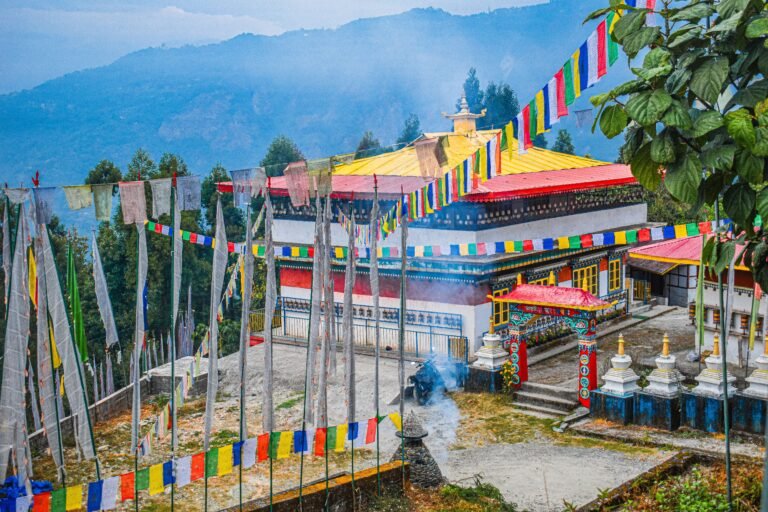
- Ghoom Monastery: A peaceful Buddhist monastery that is often included with Batasia Loop visits.
- Darjeeling Himalayan Railway: A heritage highlight for those interested in the iconic toy train experience.
- Chowrasta and Mall Road: The heart of town life, perfect for strolling, people-watching, and short-distance walking.
- Padmaja Naidu Himalayan Zoological Park: One of the best-known high-altitude zoos in India, especially for families.
- Himalayan Mountaineering Institute: A great stop for travelers interested in mountaineering history.
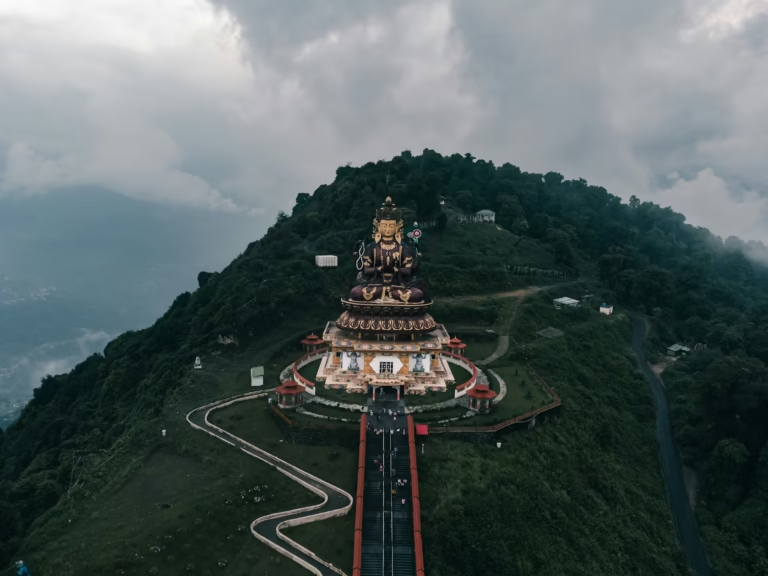
- Peace Pagoda: A calm place for panoramic views and a quiet break from the busy town center.
Local Culture, Food & Shopping
Local Culture
Darjeeling’s culture is shaped by Nepali, Tibetan, Lepcha, Bhutia, and Bengali influences. This gives the town a warm, layered character that you can feel in its festivals, food, prayer flags, tea stalls, and neighborhood rhythms. Monasteries, local markets, and hill hospitality are all part of the experience.
What to Eat
- Momos: Steamed or fried, often served with spicy chutney.
- Thukpa: A hearty noodle soup that feels perfect in the cold.
- Darjeeling tea: The region’s signature drink; try it fresh and plain before adding sugar.
- Sel roti and local breakfast snacks: Popular in hill households and local eateries.
- Churpee and local Tibetan/Nepali dishes: Worth trying if you enjoy regional flavors.
Shopping Ideas
- Packaged Darjeeling tea from trusted sellers
- Woollens, shawls, scarves, and gloves
- Handmade souvenirs and prayer items
- Local snacks, tea blends, and small handicrafts
For shopping, compare prices before buying, especially in busy tourist areas. Tea and woollens make the most practical souvenirs for most visitors.
Nearby Getaways from Darjeeling
If you have extra time, Darjeeling makes a great base for nearby hill excursions. Most of these trips are best done by local taxi or shared jeep, depending on your comfort level and schedule.
- Kurseong: A quieter hill town known for tea gardens, monasteries, and a slower pace.
- Mirik: Popular for Sumendu Lake, boating, and a relaxed day trip atmosphere.
- Kalimpong: A larger hill town with monasteries, gardens, and market streets.
- Lamahatta: A scenic eco-tourism stop with forest walks and views.
- Tinchuley and Takdah: Ideal for tea estate scenery, calm stays, and offbeat travel.
For short holidays, one nearby getaway is usually enough. Trying to cover too many places in one trip can leave you spending more time on the road than enjoying the hills.
Where to Stay: Accommodation Options
Accommodation in Darjeeling ranges from basic guesthouses to heritage hotels and boutique hill stays. Your location matters just as much as your room type, because a well-placed stay can save a lot of uphill walking and taxi time.
Best Areas to Stay
- Near Chowrasta / Mall Road: Convenient for walking, dining, and sightseeing access.
- Gandhi Road / central Darjeeling: Practical for transport connections and daily movement.
- Near peaceful outskirts: Better for views and quiet stays, though you may need more taxi use.
Typical Price Ranges
- Budget guesthouses: INR 1,000 to INR 2,500 per night
- Mid-range hotels: INR 3,000 to INR 6,500 per night
- Boutique or heritage stays: INR 7,000+ per night
During peak season, prices can rise quickly, especially for rooms with mountain views. Booking early helps secure better options near the town center.
Travel Tips for Families, Honeymooners & Friends
General Travel Tips
- Start sightseeing early to avoid traffic and increase your chance of clear views.
- Keep cash for smaller rides, snacks, and local purchases.
- Wear comfortable shoes; Darjeeling has many steep walks and stairs.
- Carry a light jacket even in warmer months, as evenings can get cold.
- Check weather forecasts before planning sunrise trips or long road journeys.
Tips for Families
- Choose a centrally located hotel to reduce walking on steep roads.
- Use private taxis for children, senior travelers, or those with mobility concerns.
- Plan fewer stops per day so the trip stays relaxed.
- Carry water, light snacks, and motion-sickness remedies if needed.
Tips for Honeymooners
- Book a room with a good view if you want a more romantic stay.
- Choose quieter hours for viewpoints and walks for a peaceful experience.
- Mix scenic rides, tea tasting, and unhurried café time for a balanced trip.
- Pack warm layers, as evenings can be chilly even when the day feels mild.
Tips for Friends and Small Groups
- Shared jeeps can be economical, but private taxis are easier if your group wants flexibility.
- Group plans work best when you cluster nearby attractions on the same day.
- Keep one spare half-day for shopping, tea tasting, or a relaxed café stop.
- Respect local traffic flow and avoid last-minute road plans in bad weather.
Best Time to Travel Around Darjeeling
March to May and October to November are usually the most comfortable periods for sightseeing and movement. Winter can be crisp and beautiful, but road travel may feel slower. Monsoon season brings mist and lush greenery, yet it can also cause delays, slippery roads, and limited visibility.
FAQs
Q: What is the best way to get around Darjeeling?
A: For short distances, walking is ideal in central areas. For longer stretches or uphill routes, shared jeeps and local taxis are the most practical options.
Q: Is Darjeeling expensive for tourists?
A: Darjeeling can be affordable if you use shared transport and budget stays. Costs rise during peak season, especially for taxis and good-view hotels.
Q: Are shared jeeps safe for tourists?
A: Yes, they are widely used by locals and tourists. They are generally safe, but they can be crowded, so keep valuables secure and travel during daylight when possible.
Q: How many days are enough for Darjeeling?
A: Two to four days is a comfortable range for first-time visitors. This gives enough time for viewpoints, monasteries, tea experiences, and a nearby day trip.
Q: Can I explore Darjeeling without a private car?
A: Yes. Many visitors use a combination of walking, shared jeeps, and occasional taxis. A private car is convenient, but not essential for a well-planned trip.
Conclusion
Darjeeling is easiest to enjoy when you travel with a flexible plan and a good sense of the local transport rhythm. Shared jeeps, taxis, and walking each have a place here, and the best experience usually comes from combining them wisely. With its scenic routes, heritage attractions, tea culture, and nearby hill escapes, Darjeeling offers a memorable mountain trip that is both practical and deeply charming.
For tourists, the key is simple: start early, move light, budget for hilly-road travel, and leave room for slow moments in between.