Table of Contents
- Route Overview: Darjeeling to Silk Route
- Best Time to Travel
- How to Reach
- Top Stops and Places to Explore
- Suggested Itineraries
- Local Experiences: Food, Shopping, and Culture
- Accommodation Options
- Estimated Costs and Budget Tips
- Travel Tips for Families, Honeymooners, and Friends
- Frequently Asked Questions
- Conclusion
Few Himalayan journeys feel as rewarding as the road from Darjeeling to the Silk Route. The trip begins amid tea gardens, toy-train charm, and mountain views in Darjeeling, then winds into East Sikkim’s quieter highlands where old trade paths, alpine valleys, and borderland scenery create a very different mood. This is not just a transfer between destinations; it is a journey through changing landscapes, local traditions, and some of the most dramatic roads in the eastern Himalayas.
If you are planning a Darjeeling to Silk Route tour, this guide covers the route, best season, major stops, permits, stay options, food, budget, and practical tips for a smooth mountain holiday.
Route Overview: Darjeeling to Silk Route
The “Silk Route” in this context usually refers to the historic trade corridor in East Sikkim, especially the scenic circuit around Zuluk, Nathang Valley, Kupup, and nearby villages. The route is known for its winding roads, high-altitude viewpoints, military presence, and raw Himalayan beauty.
Travelers often combine Darjeeling with the Silk Route because the contrast is striking:
- Darjeeling offers colonial charm, tea estates, and busy hill-town energy.
- Silk Route offers silence, wide valleys, lakes, and rugged mountain landscapes.
In simple terms, Darjeeling is the ideal warm-up before entering the more remote and adventurous Silk Route belt of East Sikkim.
Why this route is special
- It blends popular hill-station comfort with offbeat Himalayan travel.
- The landscapes change from tea slopes to forested ridges to dramatic high passes.
- It is excellent for nature lovers, photographers, and road-trip enthusiasts.
- Many villages along the route still retain a slow, traditional mountain lifestyle.
Best Time to Travel
The best time for a Darjeeling to Silk Route tour depends on what kind of experience you want.
March to May
This is one of the best windows for pleasant weather, clear road conditions, and rhododendron bloom in the hills. Days are comfortable, and visibility is usually good.
September to November
Arguably the most scenic season. The skies are often clearer after the monsoon, making mountain views around Zuluk, Nathang Valley, and the higher bends especially rewarding.
December to February
Cold and occasionally snowy in the higher reaches. This season is best for travelers who enjoy winter mountain conditions, but you should be prepared for freezing temperatures and possible road disruptions.
June to August
Monsoon brings lush greenery but also landslide risk, mist, and road delays. Travel is possible, but it is the least predictable season for this route.
Best overall recommendation: October to November for views, or April to May for comfortable weather and easier movement.
How to Reach
Most travelers begin from Bagdogra Airport or NJP (New Jalpaiguri) Railway Station, then head to Darjeeling by road before continuing toward East Sikkim and the Silk Route.
By air
- Nearest airport: Bagdogra Airport
- From Bagdogra, you can hire a taxi to Darjeeling.
- Typical travel time: 3 to 4.5 hours depending on traffic and weather.
By train
- Nearest major railhead: New Jalpaiguri (NJP)
- From NJP, continue by shared vehicle, private cab, or pre-booked tour transfer to Darjeeling.
By road
Road travel is the main way to complete this trip. From Darjeeling, travelers usually move through Kalimpong, Pedong, Rhenock, Rongli, or similar entry points depending on the exact itinerary.
Important permit note
Parts of the Silk Route in East Sikkim may require permits and check-post formalities. Indian nationals usually need proper identification documents, and foreigners may face restrictions for some sections. Always check current regulations before departure, especially for areas near Zuluk, Nathang Valley, Kupup, and border-adjacent viewpoints.
Road travel tips
- Use a high-clearance vehicle for steep mountain stretches.
- Start early to avoid fog and traffic.
- Keep buffer time for landslides, road work, or permit checks.
- Do not depend on public transport for the most remote Silk Route sections.
Top Stops and Places to Explore
Darjeeling
Darjeeling is the natural starting point for this tour. Even if you have visited before, a short stay helps you settle into the mountain rhythm before heading deeper into Sikkim.
- Tea estates and viewpoints
- Himalayan heritage and colonial-era streets
- Sunrise views from famous hilltop points
Kalimpong
Often part of the route toward East Sikkim, Kalimpong offers a calmer hill-town atmosphere, monastery visits, nurseries, and valley views.
- Great stop for lunch or an overnight break
- Useful base before entering steeper terrain
Reshikhola
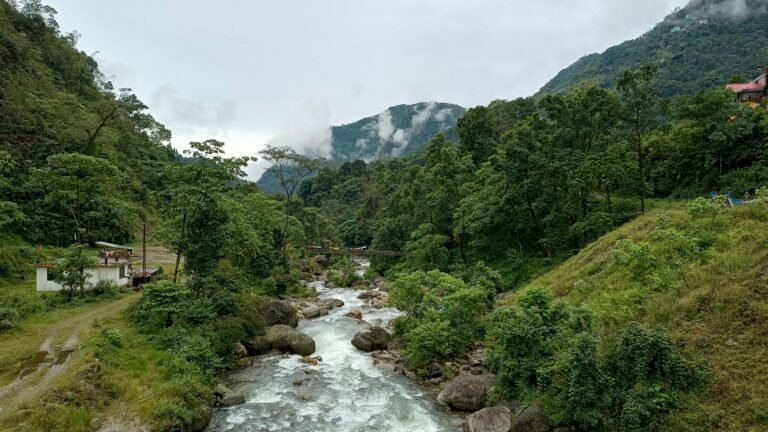
Reshikhola is a peaceful riverside stop known for its natural setting and quiet homestays. It is ideal if you want a soft transition from busy tourist towns into more remote terrain.
Aritar and Lampokhari
Aritar is known for its lake, greenery, and relaxed village atmosphere. Lampokhari adds a scenic stop for boating and photography, depending on weather and access.
Rongli
Rongli is an important entry area for the Silk Route belt and often comes up in permit and transport arrangements. It is not usually the most scenic stop, but it is practically important for route logistics.
Zuluk
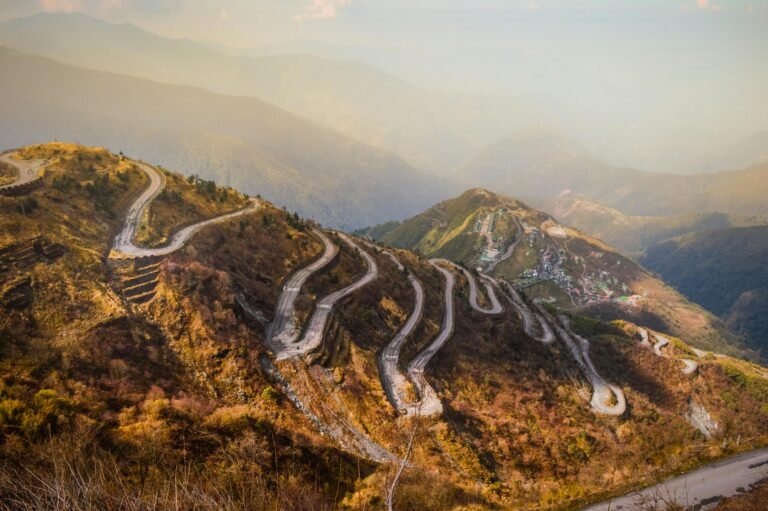
Zuluk is one of the highlights of the journey. The famous hairpin bends, wide mountain panoramas, and dramatic high-altitude views make it a must-stop on the Silk Route circuit.
- Excellent for sunrise and sunset photography
- Cool climate even in mild seasons
- Best enjoyed with a slow pace and overnight stay
Nathang Valley
Nathang Valley is often called the “Ladakh of East Sikkim” because of its open, high-altitude landscape. It is sparse, windy, and visually stunning.
- Ideal for landscape lovers
- Weather can change quickly, so warm layers are essential
Kupup and the surrounding high points
Kupup is a dramatic high-altitude area known for mountain views, cold winds, and the sense of being close to the edge of the Himalayas. Some viewpoints and areas may be sensitive or regulated.
Gnathang Valley
Gnathang Valley is another memorable stop on the Silk Route circuit, especially for travelers who want a peaceful overnight stay surrounded by high mountains and open skies.
Optional nearby detours
- Baba Harbhajan Singh memorial area: Often included in Silk Route-style itineraries where access is permitted.
- Additional local viewpoints: Usually arranged by local drivers based on weather and road conditions.
Suggested Itineraries
2 Nights / 3 Days
Day 1: Arrive in Darjeeling, rest, and explore the town.
Day 2: Drive to the Silk Route side via Kalimpong/Rongli route, stay at Reshikhola, Aritar, or Zuluk depending on pace and permits.
Day 3: Explore Zuluk/Nathang-area viewpoints and return or continue onward.
3 Nights / 4 Days
Day 1: Darjeeling sightseeing and overnight stay.
Day 2: Travel to Aritar or Reshikhola and enjoy a relaxed evening.
Day 3: Move deeper into Zuluk or Nathang Valley.
Day 4: Sightseeing, photography, and return/transfer.
4 Nights / 5 Days
This is the most comfortable plan if you want to enjoy the route without rushing.
- 1–2 nights in Darjeeling
- 1 night in a lower Silk Route stop such as Reshikhola or Aritar
- 1–2 nights in Zuluk or Nathang Valley
Best itinerary style: Spend more time in the higher Silk Route villages rather than trying to cover too many places in one day.
Local Experiences: Food, Shopping, and Culture
Food to try
The Darjeeling and Silk Route corridor offers a comforting mix of Nepali, Tibetan, and Sikkimese flavors.
- Momos: Steamed or fried, often with local chutneys
- Thukpa: Nourishing noodle soup, especially in cold weather
- Sel roti: A traditional ring-shaped rice bread
- Churpee: Local cheese snack, sometimes eaten with tea
- Phagshapa and local curries: Available in some homestays
- Darjeeling tea: A must-have before leaving the hills
Shopping ideas
- Darjeeling tea and tea-based gift packs
- Woollens, shawls, and warm caps
- Handmade snacks and pickles from local homestays
- Small local crafts from village markets
Culture and atmosphere
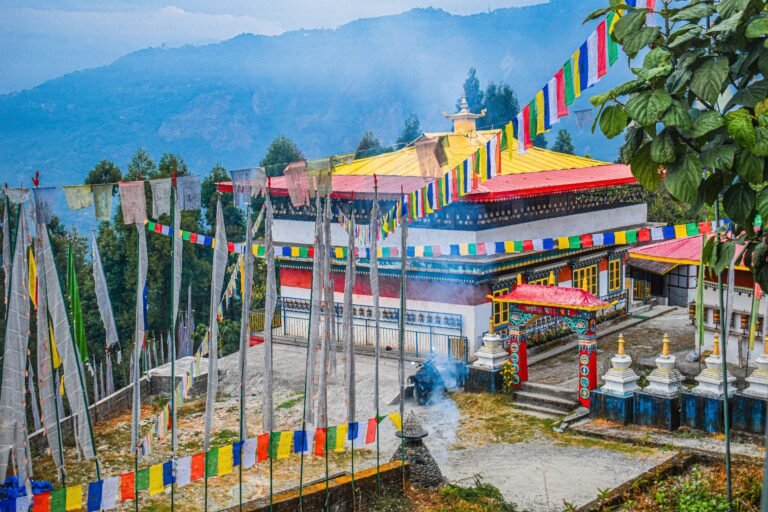
This route is as much about people as it is about scenery. In Darjeeling, the pace is lively and layered with colonial history, tea culture, and café life. In the Silk Route villages, life becomes simpler and more rooted in farming, weather, and local community rhythms. Monasteries, prayer flags, traditional homes, and local hospitality add depth to the journey.
Accommodation Options
Accommodation along the Darjeeling to Silk Route route is best approached with flexibility. The most common and rewarding stays are homestays and small guesthouses.
In Darjeeling
- Budget hotels
- Mid-range boutique stays
- Heritage-style hotels with valley views
Along the Silk Route
- Village homestays
- Eco-friendly cottages
- Simple guesthouses with meals included
What to expect
- Rooms may be basic but cozy
- Hot water and heating may be limited in remote areas
- Meals are often home-cooked and served fixed-menu style
- Electricity and mobile network can be patchy at higher altitudes
Best choice: Homestays for authentic local experience and practical route support, especially in Zuluk, Nathang Valley, or nearby villages.
Estimated Costs and Budget Tips
Costs vary greatly depending on season, vehicle type, stay category, and whether your package includes meals and permits. The ranges below are approximate and useful for planning.
Approximate trip budget per person
- Budget trip: INR 6,000 to 10,000 for a short 2N/3D circuit, sharing transport and staying in simple homestays
- Mid-range trip: INR 10,000 to 18,000 for a comfortable 3N/4D or 4N/5D itinerary
- Higher comfort trip: INR 18,000 and above, especially with private transport, better rooms, and peak-season pricing
Typical cost components
- Transport: Private cab is the biggest expense on this route
- Stay: Homestays are usually more economical than large hotels
- Meals: Often included in homestay packages
- Permits and local taxes: May be included by operators or charged separately
Budget tips
- Travel in a small group to reduce transport costs.
- Choose package stays where meals are included.
- Avoid last-minute bookings during peak season.
- Keep a small cash buffer because digital payments may not work everywhere.
Travel Tips for Families, Honeymooners, and Friends
For families
- Choose a slower itinerary with fewer hotel changes.
- Stay at lower-altitude stops first to help everyone adjust.
- Carry snacks, medicines, and warm clothing for children and elders.
- Avoid late-night driving on narrow mountain roads.
For honeymooners
- Plan a romantic stay in Darjeeling plus one quiet Silk Route village.
- Choose cottages or well-rated homestays with valley views.
- Early morning and sunset photography are especially rewarding here.
- Keep the itinerary relaxed rather than overpacked.
For friends and road-trip groups
- The route is excellent for photography, long drives, and shared adventure.
- Make sure the driver knows the permit checkpoints and road conditions.
- Carry rain gear, power banks, and extra warm layers.
- Respect local rules at military-sensitive or restricted points.
Packing essentials
- Layered warm clothing
- Good walking shoes
- Basic medicines for altitude, cold, and motion sickness
- Power bank and torch
- Water bottle and dry snacks
- Valid ID documents and permit copies
Safety guidance
- Check weather forecasts before departure.
- Do not overexert at high altitude.
- Drink enough water and avoid rushing between stops.
- Follow local instructions at checkpoints and viewpoints.
Frequently Asked Questions
Q: How many days are ideal for a Darjeeling to Silk Route trip?
A: A 3N/4D plan is ideal for most travelers. If you want a relaxed experience with more sightseeing and less road fatigue, 4N/5D is even better.
Q: Do I need a permit for the Silk Route in East Sikkim?
A: In many cases, yes. Some areas require permits and document checks, and access rules can change. Always confirm the latest permit requirements before traveling.
Q: Is the route suitable for self-drive trips?
A: Self-drive is possible for experienced mountain drivers, but it is not ideal for everyone. The roads can be steep, narrow, and weather-dependent, so a local driver is usually the safer choice.
Q: Is this trip good for families with children or elderly travelers?
A: Yes, but only with a slower itinerary and careful planning. It is best to avoid very long driving days and to keep stays comfortable and well-rested.
Q: What is the best season for photography on this route?
A: October to November is excellent for clear mountain views, while April to May works well for pleasant weather and colorful spring scenery.
Q: Are ATM and mobile networks reliable on the Silk Route?
A: Not always. Carry enough cash and do not expect stable network coverage in higher villages or remote stretches.
Conclusion
The journey from Darjeeling to the Silk Route is one of the most memorable Himalayan road experiences in eastern India. It combines Darjeeling’s tea-garden charm with the raw, high-altitude beauty of East Sikkim’s old trade landscapes. With the right season, a sensible itinerary, proper permits, and a flexible pace, this route becomes a rich mix of scenery, culture, food, and mountain adventure.
This guide has covered the route overview, best time to travel, how to reach, major stops, itineraries, local experiences, stays, costs, traveler-specific tips, and FAQs for easy planning.