Table of Contents
- Introduction
- Why the Darjeeling to Zuluk Route Matters
- Best Time to Travel
- How to Reach Zuluk from Darjeeling
- Top Things to Do on the Route
- Nearby Attractions
- Local Food, Culture, and Shopping
- Accommodation Options and Estimated Costs
- Travel Tips for Families, Honeymooners, and Friends
- Frequently Asked Questions
- Conclusion
Introduction
The Darjeeling to Zuluk journey is one of the most scenic mountain drives in East Sikkim. It combines the charm of Darjeeling’s tea gardens and colonial lanes with the dramatic high-altitude landscapes of the old Silk Route. Zuluk, a small village perched on winding roads and misty ridges, is known for sunrise views, raw Himalayan beauty, and a peaceful atmosphere that feels far removed from busy hill towns.
This travel guide covers the best time to go, how to reach, what to see along the way, where to stay, and practical tips to make the trip smooth and memorable. If you are planning a road trip through the Eastern Himalayas, this route is a rewarding mix of adventure, views, and local culture.
Why the Darjeeling to Zuluk Route Matters
The route from Darjeeling to Zuluk is important not just as a travel corridor, but as part of the broader Himalayan experience in Sikkim. It links one of India’s most famous hill stations with a quieter, less-explored part of the old Silk Route.
Historical and scenic importance
- Darjeeling is a heritage hill station known for tea, monasteries, viewpoints, and the toy train.
- Zuluk sits along the historic trade route that once connected India with Tibet through mountain passes.
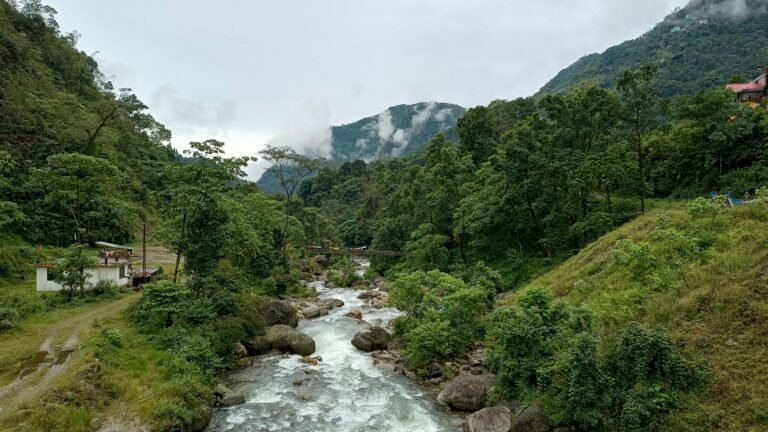
- The drive showcases changing landscapes: tea gardens, dense forests, mountain villages, and open ridgelines.
Why travelers choose this route
- For spectacular views of the Eastern Himalayas
- For a less commercial, more peaceful mountain destination
- For access to famous viewpoints like Thambi View Point and Old Silk Route stops
- For a road trip experience with plenty of photo stops and mountain turns
Best Time to Travel
The best time to travel from Darjeeling to Zuluk depends on what you want from the journey.
March to May
- Pleasant weather and clear views on many days
- Ideal for sightseeing and road travel
- Flowers and green slopes add color to the landscape
October to December
- Excellent mountain visibility after the monsoon
- Crisp air and strong sunrise views
- Best for photographers and scenic drives
June to September
- Monsoon brings heavy rain, fog, and possible landslides
- Travel can be slower and less reliable
- Not ideal unless you are comfortable with weather-related delays
January and February
- Very cold, with a chance of snowfall in higher areas
- Beautiful, but road conditions can be challenging
- Suitable only for travelers prepared for winter mountain travel
How to Reach Zuluk from Darjeeling
The journey is best done by road. There is no direct public transport that runs like a simple city bus route, so most travelers hire a private car or join a local tour vehicle.
Step-by-step route overview
- Darjeeling to Siliguri/Bagdogra corridor: If arriving in Darjeeling first, most travelers connect onward by road through the plains and foothills.
- Entry into Sikkim: Road permits and vehicle arrangements are important, especially for East Sikkim areas.
- Gangtok or Rongli route: Many itineraries include a stop in Gangtok or continue toward Rongli, from where the ascent toward Zuluk begins.
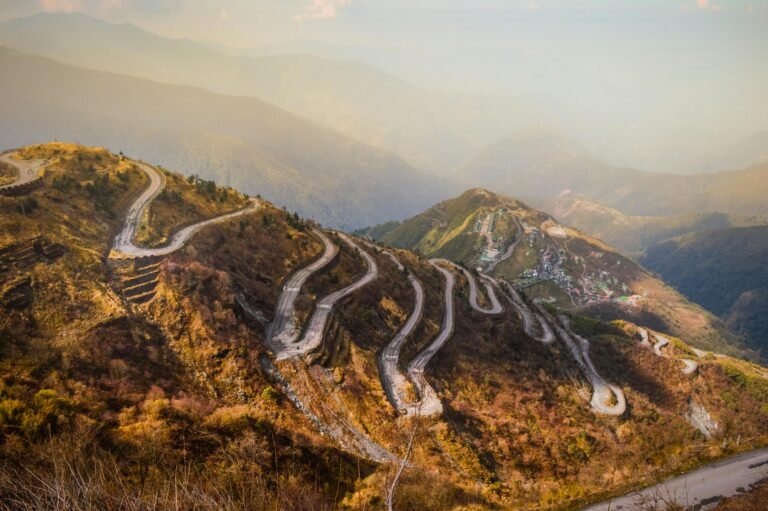
- Final stretch to Zuluk: The climb features sharp bends, steep inclines, and dramatic mountain scenery.
Travel options
- Private taxi: Most convenient and flexible option
- Shared taxi: Budget-friendly, but less flexible with stops
- Self-drive: Possible for experienced mountain drivers, but roads require confidence and caution
Permits and entry notes
Some East Sikkim routes require permits for Indian and foreign travelers, especially near protected areas and border-sensitive zones. Permit rules can change, so it is best to confirm requirements locally before traveling.
Top Things to Do on the Route
The Darjeeling to Zuluk trip is less about rushing from point A to point B and more about enjoying the mountain journey itself. Here are the best experiences to include.
1. Watch the sunrise from high viewpoints
Zuluk is famous for sunrise views over the Himalayan peaks. Early morning light often creates unforgettable scenes of layered mountains and shifting mist.
2. Stop at Thambi View Point
This is one of the most iconic stops on the route. The zigzag road below and the mountain panorama above make it a favorite photography point.
3. Explore the old Silk Route landscape
The road passes through areas once used by traders and travelers moving across the Himalayas. The route has a quiet, historic charm that makes it special for road trip lovers.
4. Enjoy slow village travel
The villages around Zuluk offer a calm, local atmosphere. A simple walk, tea stop, or conversation with residents can become a memorable part of the trip.
5. Photograph winding mountain roads
The curves, switchbacks, and changing light make this route a dream for landscape photographers. Keep your camera ready at safe stopping points only.
6. Visit nearby monasteries and viewpoints
Depending on your itinerary, you can add monasteries, quiet ridges, and scenic stops in East Sikkim for a fuller experience.
Nearby Attractions
The route from Darjeeling to Zuluk can be extended with several interesting attractions in and around East Sikkim and the surrounding hill region.
Darjeeling-side attractions
- Tiger Hill: Famous for sunrise views of Kanchenjunga
- Batasia Loop: A scenic railway loop with gardens and views
- Darjeeling Himalayan Railway: Heritage toy train experience
- Tea gardens: Ideal for peaceful walks and tea tasting
East Sikkim and Zuluk-side attractions
- Thambi View Point: Best known for the famous zigzag road view
- Gnathang Valley: A high-altitude valley with open landscapes
- Old Silk Route points: Historic mountain viewpoints and road stretches
- Lampokhri: A quiet high-altitude lake area in the region
- Nathang Valley: Known for wide-open terrain and seasonal beauty
Local Food, Culture, and Shopping
A mountain journey feels more complete when you connect with the local food and culture. The Darjeeling to Zuluk route offers simple but memorable flavors and local traditions.
Local food to try
- Momos: Steamed dumplings, a staple across the hills
- Thukpa: Warm noodle soup, perfect for cold weather
- Sel roti: A traditional ring-shaped rice bread, often served with tea
- Chhurpi: Local cheese, sometimes eaten as a snack
- Butter tea: An acquired taste, but deeply tied to Himalayan life
Local culture
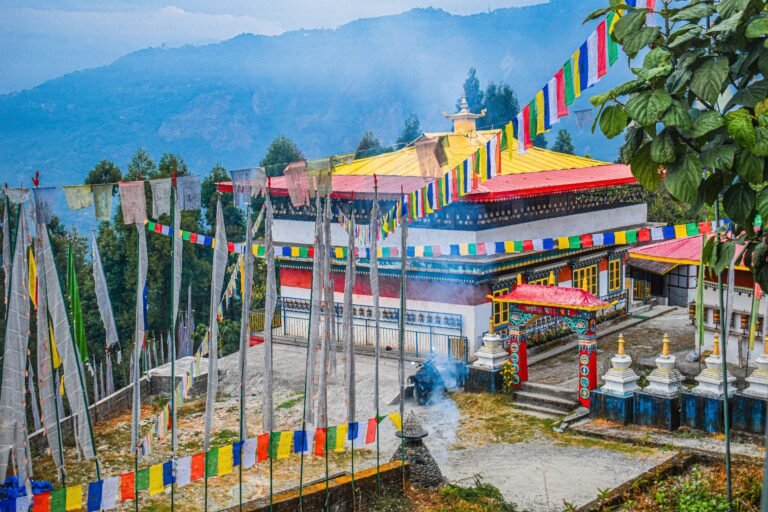
The region reflects a blend of Nepali, Bhutia, and Lepcha influences, along with Tibetan Buddhist traditions in many parts of Sikkim and Darjeeling. Monasteries, prayer flags, and local customs are part of the landscape as much as the mountains are.
Shopping ideas
- Tea from Darjeeling tea estates
- Handmade woolens and winter accessories
- Local snacks and pickles
- Souvenirs with Himalayan motifs
Accommodation Options and Estimated Costs
Accommodation on this route ranges from comfortable hotels in Darjeeling to homestays and basic lodges near Zuluk. Staying in local accommodation adds to the experience because the region is best enjoyed at a slow pace.
Where to stay
- Darjeeling: Hotels, boutique stays, guesthouses, and family-friendly properties
- Gangtok/Rongli route: Midway stays for a broken journey
- Zuluk: Homestays and simple lodges with mountain views
Estimated costs
- Budget stay: INR 1,200 to 2,500 per night
- Mid-range stay: INR 3,000 to 6,000 per night
- Private taxi for route travel: Often INR 6,000 to 12,000 or more depending on route, season, and stops
- Meals: INR 200 to 600 per person per meal in many places
Budget tip
Costs rise during peak season, especially when mountain roads are in better condition and rooms get booked faster. Booking in advance usually helps with both availability and price.
Travel Tips for Families, Honeymooners, and Friends
Because the Darjeeling to Zuluk route is mountainous and remote in parts, good planning makes the trip safer and more enjoyable.
General travel tips
- Carry warm layers even in summer
- Keep cash handy, as card machines and mobile networks may be limited
- Start early to avoid fog and to enjoy daylight mountain driving
- Check road and weather updates before departure
- Keep basic medicines for motion sickness, cold, and altitude discomfort
Tips for families
- Choose comfortable vehicles with enough space
- Plan shorter driving days with rest stops
- Pack snacks, water, and jackets for children and elders
- Prefer stays with attached bathrooms and reliable heating
Tips for honeymooners
- Pick stays with views and quiet surroundings
- Plan sunrise and sunset stops for memorable moments
- Carry elegant but warm clothing for photos
- Keep the itinerary relaxed rather than rushed
Tips for friends and group travelers
- Split costs by hiring one private vehicle
- Plan photo stops and group-friendly homestays
- Carry enough power banks and offline maps
- Respect local road safety and avoid risky photo stops
Frequently Asked Questions
Q: How far is Zuluk from Darjeeling?
A: The distance depends on the exact route and road conditions, but it is usually a long mountain journey that may take most of a day by road with stops. Many travelers break the trip with an overnight stay.
Q: What is the best season for the Darjeeling to Zuluk trip?
A: March to May and October to December are usually the best periods. These months offer better weather, clearer views, and a more comfortable road journey.
Q: Do I need a permit to visit Zuluk?
A: Permit rules can apply in East Sikkim and nearby protected areas. Requirements may change, so it is important to confirm the latest rules before traveling.
Q: Is Zuluk suitable for family travel?
A: Yes, but families should plan carefully because the roads are winding and the altitude is higher than Darjeeling. Comfortable vehicles, warm clothing, and a relaxed itinerary are recommended.
Q: What should I pack for this trip?
A: Pack warm layers, a windproof jacket, comfortable shoes, medicines, ID proof, cash, water, snacks, sunglasses, and a power bank. If traveling in winter, add gloves and heavier thermals.
Conclusion
The Darjeeling to Zuluk route is a memorable Himalayan journey that combines scenic road travel, mountain culture, historic Silk Route charm, and peaceful high-altitude landscapes. Darjeeling adds heritage and bustle, while Zuluk offers quiet views, sunrise moments, and a slower pace of life. With the right season, proper planning, and realistic expectations about road travel, this trip becomes one of the most rewarding experiences in East Sikkim.