Table of Contents
- Route Overview and Importance
- How to Reach Ravangla from Darjeeling
- Best Time to Travel
- Top Things to Do on the Darjeeling to Ravangla Route
- Nearby Attractions
- Local Food, Shopping, and Culture
- Accommodation Options
- Estimated Travel Costs
- Travel Tips for Families, Honeymooners, and Friends
- FAQs
- Conclusion
Traveling from Darjeeling to Ravangla is a beautiful shift in mood as much as it is a change in altitude. Darjeeling brings the energy of a classic hill station, with tea gardens, heritage charm, and sweeping Himalayan views. Ravangla, on the other hand, feels calmer and more spiritual, with monasteries, open ridges, and an easygoing Sikkimese atmosphere. For travelers who want scenery, culture, and a peaceful mountain escape in one journey, this route is a rewarding choice.
Whether you are planning a short transfer, a scenic road trip, or a multi-day Sikkim itinerary, this Darjeeling to Ravangla travel guide covers the route, best season, attractions, food, stay options, and practical tips in one place.
Route Overview and Importance
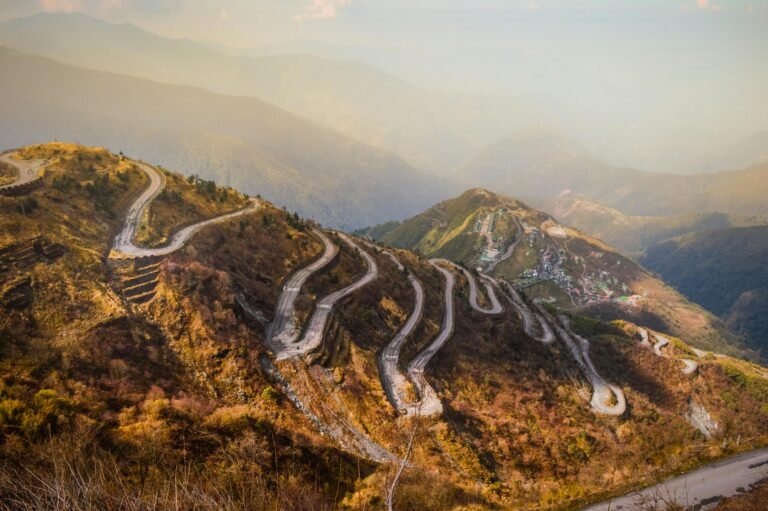
The Darjeeling to Ravangla route is not just about getting from one town to another. It is a mountain journey that connects two different faces of Northeast India: the colonial hill-town atmosphere of Darjeeling and the serene, spiritually rich landscape of South Sikkim.
This route is popular because it offers:
- Scenic drives through winding hills, tea gardens, and forested valleys.
- A smoother transition into central and southern Sikkim sightseeing.
- Easy access to monasteries, Buddha Park, and nearby viewpoints around Ravangla.
- A quieter alternative for travelers seeking fewer crowds than some other hill destinations.
If you enjoy road journeys where the landscape changes gradually from bustling town views to open mountain ridges, this stretch is especially memorable.
How to Reach Ravangla from Darjeeling
By Road
The most practical way to travel from Darjeeling to Ravangla is by road. The journey usually takes around 5 to 7 hours, depending on traffic, weather, road conditions, and the route chosen.
- Distance: Approximately 90 to 110 km, depending on the exact route.
- Best option: Private taxi for comfort and flexibility.
- Budget option: Shared transport, though direct connectivity may vary and often involves a change at a junction town.
Mountain roads can be slow, so it is wise to start early in the day. Monsoon travel may take longer because of fog, landslides, or temporary road blocks.
Nearest Rail and Air Access
If you are combining Darjeeling and Ravangla with a wider Sikkim trip, the nearest major transport hubs are:
- Rail: New Jalpaiguri (NJP), the main railway gateway for the region.
- Air: Bagdogra Airport, the most convenient airport for reaching Darjeeling and South Sikkim.
From NJP or Bagdogra, travelers usually go first to Darjeeling or directly to a South Sikkim route, depending on the itinerary and vehicle arrangement.
Best Time to Travel
The Darjeeling to Ravangla route can be traveled throughout the year, but some seasons are more comfortable and scenic than others.
March to May
This is one of the best periods for clear mountain views, pleasant temperatures, and blooming landscapes. It is ideal for sightseeing and photography.
October to December
Autumn and early winter bring crisp air and often the clearest views of the Himalayas. This is a wonderful time for couples and photographers.
June to September
The monsoon season makes the hills lush and dramatic, but road disruptions and fog are more common. Travel with extra time in hand if you choose this period.
January to February
Winter is quiet and beautiful, with chilly mornings and fewer tourists. Pack warm layers, especially if you plan to stay in Ravangla overnight.
Best overall choice: March to May and October to December.
Top Things to Do on the Darjeeling to Ravangla Route
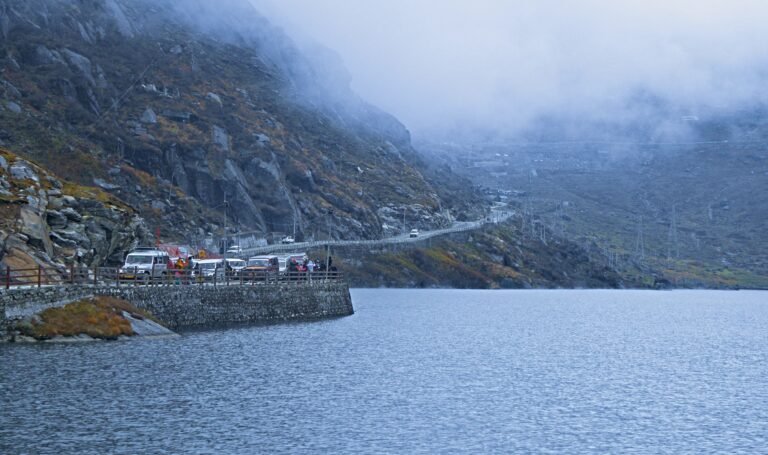
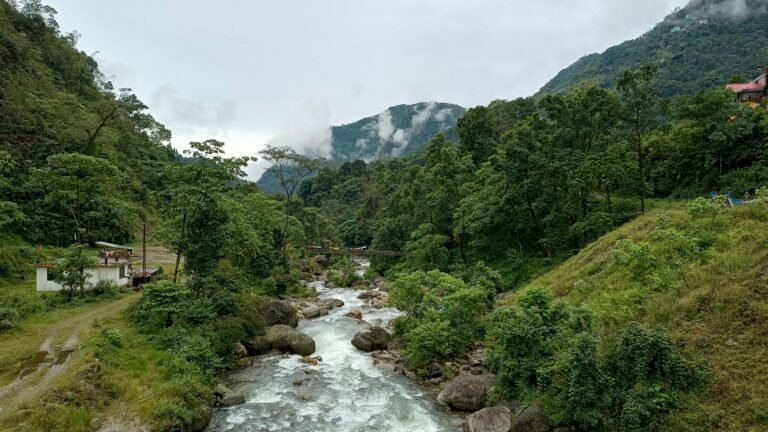
- Enjoy the mountain drive: The journey itself is a highlight, with tea slopes, river valleys, and changing hill scenery.
- Stop for tea and snacks: Small roadside eateries and tea stalls make the ride more enjoyable.
- Capture viewpoints: If the weather is clear, stop for photos at safe points along the road.
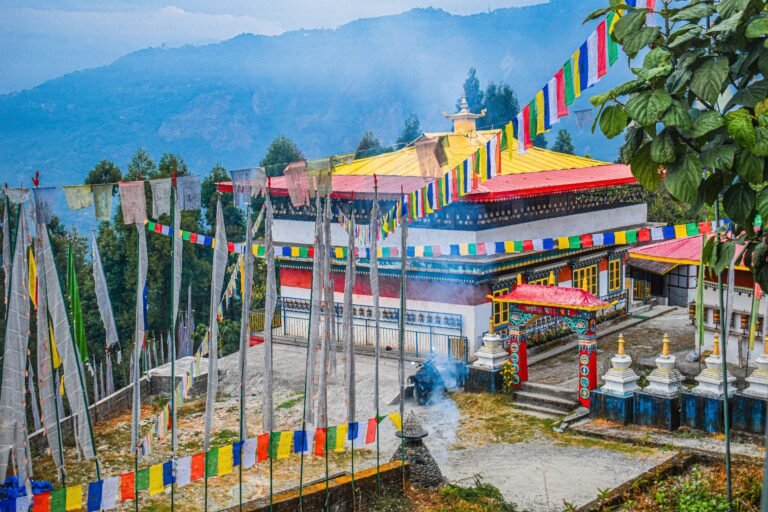
- Explore monasteries: Ravangla is known for its spiritual atmosphere and Buddhist landmarks.
- Visit Buddha Park: A major attraction in Ravangla, especially for first-time visitors.
- Slow down and experience village life: The route offers glimpses of everyday Sikkimese mountain life.
Short Detours Worth Considering
- Tea garden viewpoints near Darjeeling.
- Local markets in junction towns along the route.
- Scenic monasteries and ridge-top stops around Ravangla.
Nearby Attractions
In and Around Darjeeling
- Tiger Hill: Famous for sunrise views over Kangchenjunga.
- Batasia Loop: A charming railway and viewpoint stop.
- Darjeeling Himalayan Railway: A heritage experience for train lovers.
- Tea Gardens: Ideal for leisurely walks and tea-tasting.
On the Way or in South Sikkim
- Namchi: Often visited for its cultural sites and viewpoints.
- Monasteries and local ridge points: Good additions if you have flexible timing.
In Ravangla
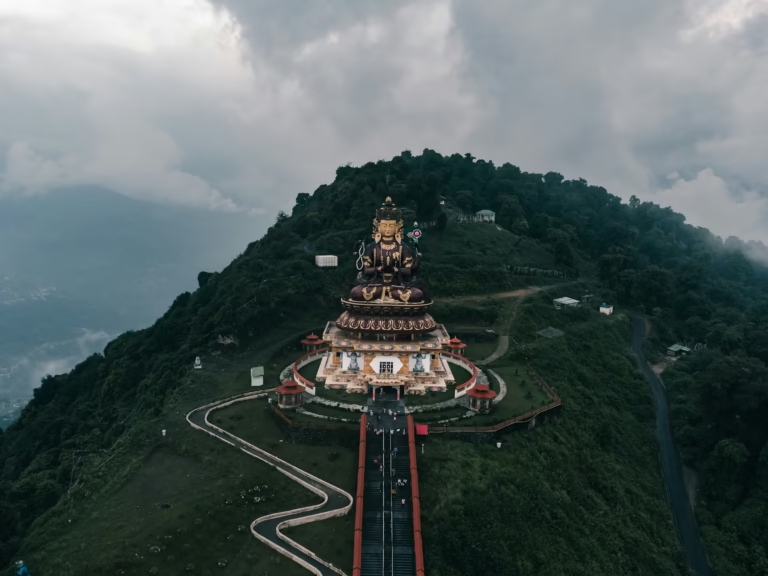
- Buddha Park (Tathagata Tsal): The signature attraction of Ravangla.
- Monasteries: Peaceful spaces that reflect the town’s spiritual side.
- Viewpoints and nature walks: Great for slow travel and photography.
Local Food, Shopping, and Culture
Food to Try
Food is an important part of the Darjeeling to Ravangla experience. Expect a blend of Nepali, Tibetan, and Sikkimese flavors.
- Momos: A classic snack available almost everywhere.
- Thukpa: A warm noodle soup, perfect for cool weather.
- Churpee: Traditional Himalayan cheese, often enjoyed as a snack.
- Tea: Darjeeling tea is a must-try before or after the journey.
- Local rice and vegetable dishes: Often simple, fresh, and comforting.
Shopping Ideas
- Packaged tea from Darjeeling.
- Handmade woolens and winter accessories.
- Local snacks and preserved items from small shops.
- Prayer flags, souvenirs, and monastery-linked items around Ravangla.
Culture and Atmosphere
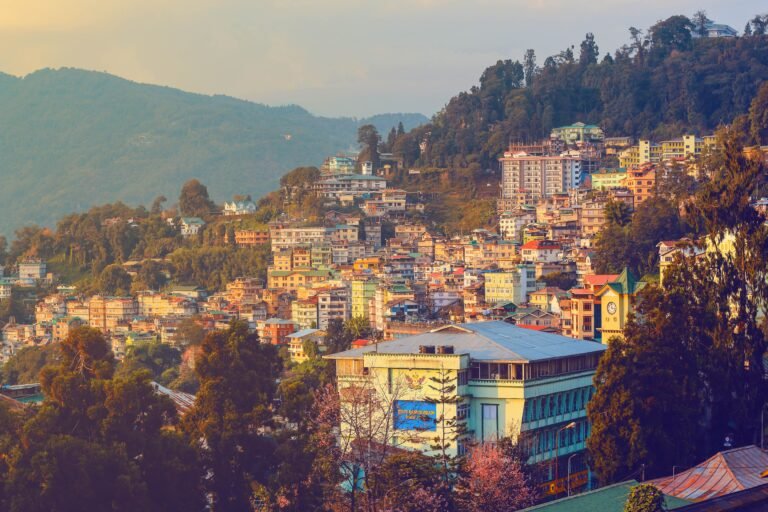
Darjeeling has a lively hill-town culture shaped by tea estates, colonial-era influences, and a busy market life. Ravangla feels more meditative, with Buddhist traditions, quiet lanes, and a slower pace. Together, they create a balanced travel experience with both vibrancy and calm.
Accommodation Options
Accommodation is available in Darjeeling, en route towns, and Ravangla. Your choice depends on whether you want convenience, scenery, or a peaceful retreat.
In Darjeeling
- Budget guesthouses
- Mid-range hotels near the market or viewpoints
- Heritage-style stays with classic hill-town charm
In Ravangla
- Budget lodges for simple overnight stays
- Comfortable mid-range hotels with valley views
- Boutique homestays for a quieter and more local experience
Best choice for this route: A stay in Ravangla if you want a calm end to the journey, or a stay in Darjeeling if Ravangla is just one stop in a larger itinerary.
Estimated Travel Costs
Costs can vary widely based on season, vehicle type, and accommodation category. The following are broad estimates for planning purposes:
- Private taxi from Darjeeling to Ravangla: INR 3,500 to 6,500 approximately
- Shared transport: INR 400 to 900 per person approximately, depending on route and availability
- Mid-range hotel in Ravangla: INR 2,000 to 5,000 per night approximately
- Budget stay: INR 800 to 1,800 per night approximately
- Meals: INR 300 to 800 per person per day approximately
If you are planning a family trip or traveling with luggage, a private vehicle usually offers the best value for comfort and time.
Travel Tips for Families, Honeymooners, and Friends
For Families
- Start early to reduce stress from hill traffic and delays.
- Carry water, snacks, and basic medicines for motion sickness.
- Choose accommodation with easy access and parking if possible.
- Keep children warm, especially in Ravangla evenings.
For Honeymooners
- Pick a stay with valley views or a quiet hillside setting.
- Travel in spring or autumn for the best weather and visibility.
- Plan slow sightseeing rather than rushing through multiple stops.
- Carry layers for chilly mornings and romantic evening walks.
For Friends and Small Groups
- Book a larger vehicle if traveling with luggage or camera gear.
- Plan flexible stops for tea, photos, and local food.
- Keep the itinerary loose enough to enjoy spontaneous detours.
- Respect local customs when visiting monasteries and religious sites.
Packing and Safety Tips
- Pack warm layers, even in summer.
- Carry cash, as card payments may not be accepted everywhere.
- Keep power banks and offline maps ready.
- Check road conditions before departure, especially in monsoon.
- Wear comfortable shoes for sightseeing and short walks.
FAQs
Q: How long does it take to travel from Darjeeling to Ravangla?
A: The journey usually takes around 5 to 7 hours by road, depending on traffic, weather, and the exact route.
Q: What is the best time to visit Ravangla from Darjeeling?
A: March to May and October to December are the best periods for clear views, pleasant weather, and smoother travel.
Q: Is the Darjeeling to Ravangla route good for a family trip?
A: Yes, it works well for families if you start early, choose a comfortable vehicle, and keep some flexibility for road delays.
Q: Are there good places to stay in Ravangla?
A: Yes, Ravangla has budget lodges, mid-range hotels, and homestays that suit different travel styles and budgets.
Q: What are the main attractions in Ravangla?
A: Buddha Park is the best-known attraction, along with monasteries, viewpoints, and peaceful nature walks around town.
Conclusion
The Darjeeling to Ravangla journey is ideal for travelers who want more than a transfer between two towns. It combines scenic roads, mountain culture, peaceful stays, local food, and memorable stops along the way. Darjeeling adds energy and heritage, while Ravangla brings calm and spirituality, making this route a balanced and rewarding Himalayan experience.
With the right season, a sensible travel plan, and a relaxed pace, this journey can become one of the most enjoyable parts of your Sikkim and Darjeeling trip.